
Filter
2339
Text search:
humanitarian
policy
Featured
226
628
Language
2224
75
59
47
35
26
14
12
11
5
5
5
4
4
4
4
4
3
3
3
3
3
2
2
2
2
2
2
2
2
2
2
2
2
2
2
2
1
1
1
1
1
1
1
1
1
1
1
1
1
1
1
1
Document type
1103
529
279
167
143
44
30
28
7
3
2
1
1
Countries
173
88
84
59
58
50
47
41
38
37
37
36
31
30
28
28
28
27
26
25
24
24
21
18
16
16
16
15
15
15
14
13
12
12
12
12
12
12
12
11
11
10
9
9
9
8
8
8
8
8
8
8
8
8
8
7
7
7
7
6
6
6
6
6
6
6
5
5
5
4
4
4
3
3
3
3
3
3
3
3
2
2
2
2
2
2
2
2
2
2
2
2
2
2
1
1
1
1
1
1
1
1
1
1
1
1
1
1
1
1
1
1
1
1
1
Authors & Publishers
280
59
57
51
49
47
47
37
33
28
26
23
23
22
17
17
16
15
14
14
12
12
11
11
10
10
10
9
9
9
9
9
9
9
8
8
8
8
8
7
7
7
7
7
7
7
7
6
6
6
6
6
6
6
6
6
6
6
6
6
6
5
5
5
5
5
5
5
5
5
5
5
5
5
5
5
5
5
5
5
4
4
4
4
4
4
4
4
4
4
4
4
4
4
4
4
4
4
4
4
4
4
4
4
4
4
3
3
3
3
3
3
3
3
3
3
3
3
3
3
3
3
3
3
3
3
3
3
3
3
3
3
3
3
3
3
3
3
3
3
3
3
3
3
3
3
3
3
3
3
3
2
2
2
2
2
2
2
2
2
2
2
2
2
2
2
2
2
2
2
2
2
2
2
2
2
2
2
2
2
2
2
2
2
2
2
2
2
2
2
2
2
2
2
2
2
2
2
2
2
2
2
2
2
2
2
2
2
2
2
2
2
2
2
2
2
2
2
2
2
2
2
2
2
2
2
2
2
2
2
2
2
2
2
2
2
2
2
2
2
2
2
2
2
2
2
2
2
2
2
2
2
2
2
2
2
2
2
2
2
2
2
2
2
2
2
2
2
2
2
2
2
2
2
2
2
2
2
2
2
2
2
1
1
1
1
1
1
1
1
1
1
1
1
1
1
1
1
1
1
1
1
1
1
1
1
1
1
1
1
1
1
1
1
1
1
1
1
1
1
1
1
1
1
1
1
1
1
1
1
1
1
1
1
1
1
1
1
1
1
1
1
1
1
1
1
1
1
1
1
1
1
1
1
1
1
1
1
1
1
1
1
1
1
1
1
1
1
1
1
1
1
1
1
1
1
1
1
1
1
1
1
1
1
1
1
1
1
1
1
1
1
1
1
1
1
1
1
1
1
1
1
1
1
1
1
1
1
1
1
1
1
1
1
1
1
1
1
1
1
1
1
1
1
1
1
1
1
1
1
1
1
1
1
1
1
1
1
1
1
1
1
1
1
1
1
1
1
1
1
1
1
1
1
1
1
1
1
1
1
1
1
1
1
1
1
1
1
1
1
1
1
1
1
1
1
1
1
1
1
1
1
1
1
1
1
1
1
1
1
1
1
1
1
1
1
1
1
1
1
1
1
1
1
1
1
1
1
1
1
1
1
1
1
1
1
1
1
1
1
1
1
1
1
1
1
1
1
1
1
1
1
1
1
1
1
1
1
1
1
1
1
1
1
1
1
1
1
1
1
1
1
1
1
1
1
1
1
1
1
1
1
1
1
1
1
1
1
1
1
1
1
1
1
1
1
1
1
1
1
1
1
1
1
1
1
1
1
1
1
1
1
1
1
1
1
1
1
1
1
1
1
1
1
1
1
1
1
1
1
1
1
1
1
1
1
1
1
1
1
1
1
1
1
1
1
1
1
1
1
1
1
1
1
1
1
1
1
1
1
1
1
1
1
1
1
1
1
1
1
1
1
1
1
1
1
1
1
1
1
1
1
1
1
1
1
1
1
1
1
1
1
1
1
1
1
1
1
1
1
1
1
1
1
1
1
1
1
1
1
1
1
1
1
1
1
1
1
1
1
1
1
1
1
1
1
1
1
1
1
1
1
1
1
1
1
1
1
1
1
1
1
1
1
1
1
1
1
1
1
1
1
1
1
1
1
1
1
1
1
1
1
1
1
1
1
1
1
1
1
1
1
1
1
1
1
1
1
1
1
1
1
1
1
1
1
1
1
1
1
1
1
1
1
1
1
1
1
1
1
1
1
1
1
1
1
1
1
1
1
1
1
1
1
1
1
1
1
1
1
1
1
1
1
1
1
1
1
1
1
1
1
1
1
1
1
1
1
1
1
1
1
1
1
1
1
1
1
1
1
1
1
1
1
1
1
1
1
1
1
1
1
1
1
1
1
1
1
1
1
1
1
1
1
1
1
1
1
1
1
1
1
1
1
1
1
1
1
1
1
1
1
1
1
1
1
1
1
1
1
1
1
1
1
1
1
1
1
1
1
1
1
1
1
1
1
1
1
1
1
1
1
1
1
1
1
1
1
1
1
1
1
1
1
1
1
1
1
1
1
1
1
1
1
1
1
1
1
1
1
1
1
1
1
1
1
1
1
1
1
1
1
1
1
1
1
1
1
1
1
1
1
1
1
1
1
1
1
1
1
1
1
1
1
1
1
1
1
1
1
1
1
1
1
1
1
1
1
1
1
1
1
1
1
1
1
1
1
1
1
1
1
1
1
1
1
1
1
1
1
1
1
1
1
1
1
1
1
1
1
1
1
1
1
1
1
1
1
1
1
1
1
1
1
1
1
1
1
1
1
1
1
1
1
1
1
1
1
1
1
1
1
1
1
1
1
1
1
1
1
1
1
1
1
1
1
1
1
1
1
1
1
1
1
1
1
1
1
1
1
1
1
1
1
1
1
1
1
1
1
1
1
1
1
1
1
1
1
1
1
1
1
1
1
1
1
1
1
1
1
1
1
1
1
1
1
1
1
1
1
1
1
1
1
1
1
1
1
1
1
1
1
1
1
1
1
1
1
1
1
1
1
1
1
1
1
1
1
1
1
1
1
1
1
1
1
1
1
1
1
1
1
1
1
1
1
1
1
1
1
1
1
1
1
1
1
1
1
1
1
1
1
1
1
1
1
1
1
1
1
1
1
1
1
1
1
1
1
1
1
1
1
1
1
1
1
1
1
1
1
1
1
1
1
1
1
1
1
1
1
1
1
1
1
1
1
1
1
1
1
1
1
1
1
1
1
1
1
1
1
1
1
1
1
1
1
1
1
1
1
1
1
1
1
1
1
1
1
1
1
1
1
1
1
1
1
1
1
1
1
1
1
1
1
1
1
1
1
1
1
1
1
1
1
1
1
1
1
1
1
1
1
1
1
1
1
1
1
1
1
1
1
1
1
1
1
1
1
1
1
1
1
1
1
1
1
1
1
1
1
1
1
1
1
1
1
1
1
1
1
1
1
1
1
1
1
1
1
1
1
1
1
1
1
1
1
1
1
1
1
1
1
1
1
1
1
1
1
1
1
1
1
1
1
1
1
1
1
1
1
1
1
1
1
1
1
1
1
1
1
1
1
1
1
1
1
1
1
1
1
1
1
1
1
1
1
1
1
1
1
1
1
1
1
1
1
1
1
1
1
1
1
1
1
1
1
1
1
1
1
1
1
1
1
1
1
1
1
1
1
1
1
1
1
1
1
1
1
1
1
1
1
1
1
1
1
1
1
1
1
1
1
1
1
1
1
1
1
1
1
1
1
1
1
1
1
1
1
1
1
1
1
1
1
1
1
1
1
1
1
1
1
1
1
1
1
1
1
1
1
1
1
1
1
1
1
1
1
1
1
1
1
1
1
1
1
1
1
1
1
1
1
1
1
1
1
1
1
1
1
1
1
1
1
1
1
1
1
1
1
1
1
1
1
1
1
1
1
1
1
1
1
1
1
1
1
1
1
1
1
1
1
1
1
1
1
1
1
1
1
1
1
1
1
1
1
1
1
1
1
1
1
1
1
1
1
1
1
1
1
1
1
1
1
1
1
1
1
1
1
1
1
1
1
1
1
1
1
1
1
1
1
1
1
1
1
1
1
1
1
1
1
1
1
1
1
1
1
1
1
1
1
1
1
1
1
1
1
1
1
1
1
1
1
1
1
1
1
1
1
1
1
1
1
1
1
1
1
1
1
1
1
1
1
1
1
1
1
1
1
1
1
1
1
1
1
1
1
1
1
1
1
1
1
1
1
1
1
1
1
1
1
1
1
1
1
1
1
1
1
1
1
1
1
1
1
1
1
1
1
1
1
1
1
1
1
1
1
1
1
1
1
1
1
1
1
1
1
1
1
1
1
1
1
1
1
1
1
1
1
1
1
1
1
1
1
1
1
1
1
1
1
1
1
1
1
1
1
1
1
1
1
1
1
1
1
1
1
1
1
1
1
1
1
1
1
1
1
1
1
1
1
1
1
1
1
1
1
1
1
1
1
1
1
1
1
1
1
1
1
1
1
1
1
1
1
1
1
1
1
1
1
1
1
1
1
1
1
1
1
1
1
1
1
1
1
1
1
1
1
1
1
1
1
1
1
Publication Years
1
940
1231
158
9
Category
646
384
187
126
91
37
5
2
Toolboxes
298
229
178
147
136
96
87
82
80
64
57
45
37
33
29
24
22
22
15
14
14
10
7
5
4
2
1

In fragile, conflict-affected and vulnerable settings, delivery of quality health services faces significant challenges, including disruption of a routine health service organization and delivery systems, increased health needs, complex and unpredictable resourcing issues, and vulnerability to multi
...
ple public health crises. Despite the difficulty of addressing quality in such settings, the necessity for action is acute, given the significant health needs of the populations in these environments and the increasing numbers of people for whom such settings are home.
This manual has been developed to provide a starting point for multi-actor efforts and actions to address quality of care in the most challenging settings. This includes practical approaches to action planning and implementation of a contextualised set of quality interventions.
more
In the past ten years, the number of forcibly displaced people has nearly doubled. In 2019, the number of people forced to flee (inside and beyond the borders) grew to 79.5 million – the highest ever recorded. Refugee situations continue to increase in scope, scale and complexity, whereas durable
...
solutions provided to refugees are at levels that fall well below needs.
more
Institute for Human Rights annually submits a report on the development of the human rights situation in Germany to the German Federal Parliament (in accordance with sec. 2 para. 5 of the Act regarding the Legal Status and Mandate of the German Institute for Human Rights of 16 July 2015; short: DIMR
...
G). The report is presented on the occasion of the International Human Rights Day on 10 December. The DIMRG provides that the German Federal Parliament officially responds to the report. The fifth report 2019/2020 covers the period 1 July 2019 to 30 June 2020.
more
WHO has a unique combination of technical public health and scientific expertise, and a global operational footprint, with field offices in more than 150 countries. In 2020, this global, technical, and operational reach meant WHO was able to support countries around the world in every aspect of COVI
...
D-19 public health response, from surveillance and laboratory testing to maintaining essential health services in the most vulnerable and fragile contexts.
more
Kenya Signature Programme Endline Evaluation Report: Bungoma, Busia and WajirCounties.
Obare F., Abuya T., Mukisa S., Odwe G., Kanyuuru L., Cassar C., Mohamed H.
Population Council and Save the Children
(2018)
CC
A new report released today documents an “invisible wall” which has blocked migrants from accessing basic services since the start of the COVID-19 pandemic, and is now preventing them from accessing vaccines.

A Resource Guide for Country Offices
Refugees and migrants face unacceptable and extreme forms of violence on mixed migration routes from East and West Africa to and through North Africa. This report provides clear and strong findings based on almost 16,000 interviews with refugees and migrants all along the migration routes. It provid
...
es clear data on the extent to which refugees and migrants face various violations of their rights, and identifies who are generally reported to be responsible and should thus be held accountable.
more
28 May 2021
Contact tracing is a key component of a public health response to infectious disease outbreaks. The purpose of this guidance is to reinforce the place of community engagement and participation in the contact tracing process. The guidance and related products articulate best practice pri
...
nciples for community engagement and how they can be operationalized as part of any community-centred contact tracing strategy. The material provided can stand on its own or be used to complement other documents that support strategies, implementation plans or training and capacity building modules.
more
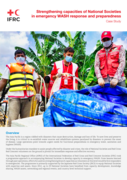
This case study takes a closer look at experiences in three countries and one sub-region, each with a unique profile, a specific set of challenges and opportunities, and differing levels of WASH competencies. Through the lens of the participating National Societies and the communities they serve, th
...
is study captures rich layers of learning from multi-country implementation between 2016 to 2020.
The unfolding of the COVID-19 pandemic gives a glimpse of the resulting global restrictions that are testing aspects of National Society capacity and preparedness on the ground. It is an opportunity to take stock of progress and the outlook ahead - to celebrate achievements and share experiences with National Societies and partners contemplating capacity development in emergency WASH in the Asia Pacific region.
more
A new brief published by the IFRC and Climate Centre today details the adverse impacts of climate change on human health and provides more detail on the second of four pillars of action in the Red Cross Red Crescent Movement ambitions on climate.
A global hunger crisis -- fuelled by conflict, economic turbulence and climate-related shocks -- has been exacerbated by the COVID-19 pandemic. The number of people experiencing food insecurity and hunger has risen since the onset of the pandemic. The IRC estimates that the economic downturn alone w
...
ill drive the number of hungry people up by an additional 35 million in 2021. Without drastic action, the economic downturn caused by COVID-19 will suspend global progress towards ending hunger by at least five years.
more

Временные рекомендации27 мая 2021 г.
Midwifery Capacity Building Strategy for Northern Syria
2017-2021
Available in Arabic
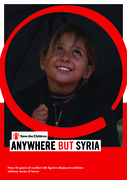
Anywhere But Syria: How 10 Years of Conflict Left Syria’s Displaced Children Without a Sense of Home
After ten years of war, the vast majority of Syria’s children cannot imagine a future in their country, according to a new report by Save the Children. On average, 86% of Syrian refugee children surveyed in Jordan, Lebanon, Turkey and the Netherlands said they would not want to return to their cou
...
ntry of origin. Of children displaced inside Syria, one in three would rather be living in another country. Children who fled their homes are struggling to feel safe where they are now, as around two in five children of those surveyed by Save the Children said they face discrimination and a lack of education. Many feel they have no say over their future.
more

