
Filter
5327
Text search:
UNICEF
Featured
487
1590
Language
4124
613
406
142
136
111
83
36
35
23
11
9
9
8
8
7
7
6
6
5
5
5
5
5
5
4
4
4
4
4
4
4
4
4
3
3
3
3
3
3
3
3
2
2
2
2
2
2
2
2
2
2
2
2
2
2
2
2
1
1
1
1
1
1
1
1
1
1
1
1
1
1
1
1
1
1
1
1
1
1
1
1
1
1
1
1
1
1
1
1
1
1
1
1
1
1
1
1
1
Document type
2834
799
632
239
238
185
119
110
82
40
28
7
5
1
1
Countries
215
149
137
137
135
126
125
107
105
104
97
97
88
87
86
83
81
80
75
74
66
61
58
57
57
55
53
53
53
52
51
49
47
46
46
41
40
39
38
37
36
36
36
36
35
35
34
32
31
26
26
26
24
23
22
22
21
20
20
19
18
17
17
16
16
13
13
13
12
11
9
9
9
9
8
8
8
8
7
7
7
7
7
7
6
6
5
5
5
4
4
4
4
4
4
4
3
3
3
3
3
3
3
3
2
2
2
2
2
2
2
2
2
2
2
2
2
2
2
2
2
2
1
1
1
1
1
1
1
1
1
1
1
1
1
1
1
1
1
1
1
1
1
Authors & Publishers
611
530
246
150
135
113
107
96
65
65
48
38
33
31
31
30
29
29
27
26
26
26
26
26
25
24
24
23
23
22
22
21
21
21
20
20
17
17
16
16
16
16
16
16
15
15
15
14
13
13
13
13
13
12
12
12
12
11
11
11
11
11
10
10
10
10
10
10
9
9
9
9
9
9
9
9
9
9
9
8
8
8
8
8
8
8
8
8
8
8
8
8
7
7
7
7
7
7
7
7
7
7
7
7
7
7
7
6
6
6
6
6
6
6
6
6
6
6
6
6
6
6
6
6
6
6
6
6
5
5
5
5
5
5
5
5
5
5
5
5
5
5
5
5
5
5
5
5
5
5
5
5
5
5
5
5
5
5
5
5
5
5
5
5
5
5
5
4
4
4
4
4
4
4
4
4
4
4
4
4
4
4
4
4
4
4
4
4
4
4
4
4
4
4
4
4
4
4
4
4
4
4
4
4
4
4
4
4
4
4
4
4
4
4
4
4
4
4
4
4
4
4
4
4
4
4
4
4
4
4
4
4
3
3
3
3
3
3
3
3
3
3
3
3
3
3
3
3
3
3
3
3
3
3
3
3
3
3
3
3
3
3
3
3
3
3
3
3
3
3
3
3
3
3
3
3
3
3
3
3
3
3
3
3
3
3
3
3
3
3
3
3
3
3
3
3
3
3
3
3
3
3
3
3
3
3
3
3
3
3
3
3
3
3
3
3
3
3
3
3
3
3
3
3
3
3
3
3
3
3
3
3
3
3
3
3
3
3
2
2
2
2
2
2
2
2
2
2
2
2
2
2
2
2
2
2
2
2
2
2
2
2
2
2
2
2
2
2
2
2
2
2
2
2
2
2
2
2
2
2
2
2
2
2
2
2
2
2
2
2
2
2
2
2
2
2
2
2
2
2
2
2
2
2
2
2
2
2
2
2
2
2
2
2
2
2
2
2
2
2
2
2
2
2
2
2
2
2
2
2
2
2
2
2
2
2
2
2
2
2
2
2
2
2
2
2
2
2
2
2
2
2
2
2
2
2
2
2
2
2
2
2
2
2
2
2
2
2
2
2
2
2
2
2
2
2
2
2
2
2
2
2
2
2
2
2
2
2
2
2
2
2
2
2
2
2
2
2
2
2
2
2
2
2
2
2
2
2
2
2
2
2
2
2
2
2
2
2
2
2
2
2
2
2
2
2
2
2
2
2
2
2
2
2
2
2
2
2
2
2
2
2
2
2
2
2
2
2
2
2
2
2
2
2
2
2
2
2
2
2
2
2
2
2
2
2
2
2
2
2
2
2
2
2
2
2
2
2
2
2
2
2
2
2
2
2
2
2
2
2
2
2
2
2
2
2
2
2
2
2
2
2
2
2
1
1
1
1
1
1
1
1
1
1
1
1
1
1
1
1
1
1
1
1
1
1
1
1
1
1
1
1
1
1
1
1
1
1
1
1
1
1
1
1
1
1
1
1
1
1
1
1
1
1
1
1
1
1
1
1
1
1
1
1
1
1
1
1
1
1
1
1
1
1
1
1
1
1
1
1
1
1
1
1
1
1
1
1
1
1
1
1
1
1
1
1
1
1
1
1
1
1
1
1
1
1
1
1
1
1
1
1
1
1
1
1
1
1
1
1
1
1
1
1
1
1
1
1
1
1
1
1
1
1
1
1
1
1
1
1
1
1
1
1
1
1
1
1
1
1
1
1
1
1
1
1
1
1
1
1
1
1
1
1
1
1
1
1
1
1
1
1
1
1
1
1
1
1
1
1
1
1
1
1
1
1
1
1
1
1
1
1
1
1
1
1
1
1
1
1
1
1
1
1
1
1
1
1
1
1
1
1
1
1
1
1
1
1
1
1
1
1
1
1
1
1
1
1
1
1
1
1
1
1
1
1
1
1
1
1
1
1
1
1
1
1
1
1
1
1
1
1
1
1
1
1
1
1
1
1
1
1
1
1
1
1
1
1
1
1
1
1
1
1
1
1
1
1
1
1
1
1
1
1
1
1
1
1
1
1
1
1
1
1
1
1
1
1
1
1
1
1
1
1
1
1
1
1
1
1
1
1
1
1
1
1
1
1
1
1
1
1
1
1
1
1
1
1
1
1
1
1
1
1
1
1
1
1
1
1
1
1
1
1
1
1
1
1
1
1
1
1
1
1
1
1
1
1
1
1
1
1
1
1
1
1
1
1
1
1
1
1
1
1
1
1
1
1
1
1
1
1
1
1
1
1
1
1
1
1
1
1
1
1
1
1
1
1
1
1
1
1
1
1
1
1
1
1
1
1
1
1
1
1
1
1
1
1
1
1
1
1
1
1
1
1
1
1
1
1
1
1
1
1
1
1
1
1
1
1
1
1
1
1
1
1
1
1
1
1
1
1
1
1
1
1
1
1
1
1
1
1
1
1
1
1
1
1
1
1
1
1
1
1
1
1
1
1
1
1
1
1
1
1
1
1
1
1
1
1
1
1
1
1
1
1
1
1
1
1
1
1
1
1
1
1
1
1
1
1
1
1
1
1
1
1
1
1
1
1
1
1
1
1
1
1
1
1
1
1
1
1
1
1
1
1
1
1
1
1
1
1
1
1
1
1
1
1
1
1
1
1
1
1
1
1
1
1
1
1
1
1
1
1
1
1
1
1
1
1
1
1
1
1
1
1
1
1
1
1
1
1
1
1
1
1
1
1
1
1
1
1
1
1
1
1
1
1
1
1
1
1
1
1
1
1
1
1
1
1
1
1
1
1
1
1
1
1
1
1
1
1
1
1
1
1
1
1
1
1
1
1
1
1
1
1
1
1
1
1
1
1
1
1
1
1
1
1
1
1
1
1
1
1
1
1
1
1
1
1
1
1
1
1
1
1
1
1
1
1
1
1
1
1
1
1
1
1
1
1
1
1
1
1
1
1
1
1
1
1
1
1
1
1
1
1
1
1
1
1
1
1
1
1
1
1
1
1
1
1
1
1
1
1
1
1
1
1
1
1
1
1
1
1
1
1
1
1
1
1
1
1
1
1
1
1
1
1
1
1
1
1
1
1
1
1
1
1
1
1
1
1
1
1
1
1
1
1
1
1
1
1
1
1
1
1
1
1
1
1
1
1
1
1
1
1
1
1
1
1
1
1
1
1
1
1
1
1
1
1
1
1
1
1
1
1
1
1
1
1
1
1
1
1
1
1
1
1
1
1
1
1
1
1
1
1
1
1
1
1
1
1
1
1
1
1
1
1
1
1
1
1
1
1
1
1
1
1
1
1
1
1
1
1
1
1
1
1
1
1
1
1
1
1
1
1
1
1
1
1
1
1
1
1
1
1
1
1
1
1
1
1
1
1
1
1
1
1
1
1
1
1
1
1
1
1
1
1
1
1
1
1
1
1
1
1
1
1
1
1
1
1
1
1
1
1
1
1
1
1
1
1
1
1
1
1
1
1
1
1
1
1
1
1
1
1
1
1
1
1
1
1
1
1
1
1
1
1
1
1
1
1
1
1
1
1
1
1
1
1
1
1
1
1
1
1
1
1
1
1
1
1
1
1
1
1
1
1
1
1
1
1
1
1
1
1
1
1
1
1
1
1
1
1
1
1
1
1
1
1
1
1
1
1
1
1
1
1
1
1
1
1
1
1
1
1
1
1
1
1
1
1
1
1
1
1
1
1
1
1
1
1
1
1
1
1
1
1
1
1
1
1
1
1
1
1
1
1
1
1
1
1
1
1
1
1
1
1
1
1
1
1
1
1
1
1
1
1
1
1
1
1
1
1
1
1
1
1
1
1
1
1
1
1
1
1
1
1
1
1
1
1
1
1
1
1
1
1
1
1
1
1
1
1
1
1
1
1
1
1
1
1
1
1
1
1
1
1
1
1
1
1
1
1
1
1
1
1
1
1
1
1
1
1
1
1
1
1
1
1
1
1
1
1
1
1
1
1
1
1
1
1
1
1
1
1
1
1
1
1
1
1
1
1
1
1
1
1
1
1
1
1
1
1
1
1
1
1
1
1
1
1
1
1
1
1
1
1
1
1
1
1
1
1
1
1
1
1
1
1
1
1
1
1
1
1
1
1
1
1
1
1
1
1
1
1
1
1
1
1
1
1
1
1
1
1
1
1
1
1
1
1
1
1
1
1
1
1
1
1
1
1
1
1
1
1
1
1
1
1
1
1
1
1
1
1
1
1
1
1
1
1
1
1
1
1
1
1
1
1
1
1
1
1
1
1
1
1
1
1
1
1
1
1
1
1
1
1
1
1
1
1
1
1
1
1
1
1
1
1
1
1
1
1
1
1
1
1
1
1
1
1
1
1
1
1
1
1
1
1
1
1
1
1
1
1
1
1
1
1
1
1
1
1
1
1
1
1
1
1
1
1
1
1
1
1
1
1
1
1
1
1
1
1
1
1
1
1
1
1
1
1
1
1
1
1
1
1
1
1
1
1
1
1
1
1
1
1
1
1
1
1
1
1
1
1
1
1
1
1
1
1
1
1
1
1
1
1
1
1
1
1
1
1
1
1
1
1
1
1
1
1
1
1
1
1
1
1
1
1
1
1
1
1
1
1
1
1
1
1
1
1
1
1
1
1
1
1
1
1
1
1
1
1
1
1
1
1
1
1
1
1
1
1
1
1
1
1
1
1
1
1
1
1
1
1
1
1
1
1
1
1
1
1
1
1
1
1
1
1
1
1
1
1
1
1
1
1
1
1
1
1
1
1
1
1
1
1
1
1
1
1
1
1
1
1
1
1
1
1
1
1
1
1
1
1
1
1
1
1
1
1
1
1
1
1
1
1
1
1
1
1
1
1
1
1
1
1
1
1
1
1
1
1
1
1
1
1
1
1
1
1
1
1
1
1
1
1
1
1
1
1
1
1
1
1
1
1
1
1
1
1
1
1
1
1
1
1
1
1
1
1
1
1
1
1
1
1
1
1
1
1
1
1
1
1
1
1
1
1
1
1
1
1
1
1
1
1
1
1
1
1
1
1
1
1
1
1
1
1
1
1
1
1
1
1
1
1
1
1
1
1
1
1
1
1
1
1
1
1
1
1
1
1
1
1
1
1
1
1
1
1
1
1
1
1
1
1
1
1
1
1
1
1
1
1
1
1
1
1
1
1
1
1
1
1
1
1
1
1
1
1
1
1
1
1
1
1
1
1
1
1
1
1
1
1
1
1
1
1
1
1
1
1
1
1
1
1
1
1
1
1
1
1
1
1
1
1
1
1
1
1
1
1
1
1
1
1
1
1
1
1
1
1
1
1
1
1
1
1
1
1
1
1
1
1
1
1
1
1
1
1
1
1
1
1
1
1
1
1
1
1
1
1
1
1
1
1
1
1
1
1
1
1
1
1
1
1
1
1
1
1
1
1
1
1
1
1
1
1
1
1
1
1
1
1
1
1
1
1
1
1
1
1
1
1
1
1
1
1
1
1
1
1
1
1
1
1
1
1
1
1
1
1
1
1
1
1
1
1
1
1
1
1
1
1
1
1
1
1
1
1
1
1
1
1
1
1
1
1
1
1
1
1
1
1
1
1
1
1
1
1
1
1
1
1
1
1
1
1
1
1
1
1
1
1
1
1
1
1
1
1
1
1
1
1
1
1
1
1
1
1
1
1
1
1
1
1
1
1
1
1
1
1
1
1
1
1
1
1
1
1
1
1
1
1
1
1
1
1
1
1
1
1
1
1
1
1
1
1
1
1
1
1
1
1
1
1
1
1
1
1
1
1
1
1
1
1
1
1
1
1
1
1
1
1
1
1
1
1
1
1
1
1
1
1
1
1
1
1
1
1
1
1
1
1
1
1
1
1
1
1
1
1
1
1
1
1
1
1
1
1
1
1
1
1
1
1
1
1
1
1
1
1
1
1
1
1
1
1
1
1
1
1
1
1
1
1
1
1
1
1
1
1
1
1
1
1
1
1
1
1
1
1
1
1
1
1
1
1
1
1
1
1
1
1
1
1
1
1
1
1
1
1
1
1
1
1
1
1
1
1
1
1
1
1
1
1
1
1
1
1
1
1
1
1
1
1
1
1
1
1
1
1
1
1
1
1
1
1
1
1
1
1
1
1
1
1
1
1
1
1
1
1
1
1
1
1
1
1
1
1
1
1
1
1
1
1
1
1
1
1
1
1
1
1
1
1
1
1
1
1
1
1
1
1
1
1
1
1
1
1
1
1
1
1
1
1
1
1
1
1
1
1
1
1
1
1
1
1
1
1
1
1
1
1
1
1
1
1
1
1
1
1
1
1
1
1
1
1
1
1
1
1
1
1
1
1
1
1
1
1
1
1
1
1
1
1
1
1
1
1
1
1
1
1
1
1
1
1
1
1
1
1
1
1
1
1
1
1
1
1
1
1
1
1
1
1
1
1
1
1
1
1
1
1
1
1
1
1
1
1
1
1
1
1
1
1
1
1
1
1
1
1
1
1
1
1
1
1
1
1
1
1
1
1
1
1
1
1
1
1
1
1
1
1
1
1
1
1
1
1
1
1
1
1
1
1
1
1
1
1
1
1
1
1
1
1
1
1
1
1
1
1
1
1
1
1
1
1
1
1
1
1
1
1
1
1
1
1
1
1
1
1
1
1
1
1
1
1
1
1
1
1
1
1
1
1
1
1
1
1
1
1
1
1
1
1
1
1
1
1
1
1
1
1
1
1
1
1
1
1
1
1
1
1
1
1
1
1
1
1
1
1
1
1
1
1
1
1
1
1
1
1
1
1
1
1
1
1
1
1
1
1
1
1
1
1
1
1
1
1
1
1
1
1
1
1
1
1
1
1
1
1
1
1
1
1
1
1
1
1
1
1
1
1
1
1
1
1
1
1
1
1
1
1
1
1
1
1
1
1
1
1
1
1
1
1
1
1
1
1
1
1
1
1
1
1
1
1
1
1
1
1
1
1
1
1
1
1
1
1
1
1
1
1
1
1
1
1
1
1
1
1
1
1
1
1
1
1
1
1
1
1
1
1
1
1
1
1
1
1
1
1
1
1
1
1
1
1
1
1
1
1
1
1
1
1
1
1
1
1
1
1
1
1
1
1
1
1
1
1
1
1
1
1
1
1
1
1
1
1
1
1
1
1
1
1
1
1
1
1
1
1
1
1
1
1
1
1
1
1
1
1
1
1
1
1
1
1
1
1
1
1
1
1
1
1
1
1
1
1
1
1
1
1
1
1
1
1
1
1
1
1
1
1
1
1
1
1
1
1
1
1
1
1
1
1
1
1
1
1
1
1
1
1
1
1
1
1
1
1
1
1
1
1
1
1
1
1
1
1
1
1
1
1
1
1
1
1
1
1
1
1
1
1
1
1
1
1
1
1
1
1
1
1
1
1
1
1
1
1
1
1
1
1
1
1
1
1
1
1
1
1
1
1
1
1
1
1
1
1
1
1
1
1
1
1
1
1
1
1
1
1
1
1
1
1
1
1
1
1
1
1
1
1
1
1
1
1
1
1
1
1
1
1
1
1
1
1
1
1
1
1
1
1
1
1
1
1
1
1
1
1
1
1
1
1
1
1
1
1
1
1
1
1
1
1
1
1
1
1
1
1
1
1
1
1
1
Publication Years
1828
3066
419
14
Category
2422
557
380
244
162
93
27
Toolboxes
691
304
275
229
226
159
141
131
119
89
86
84
64
60
58
48
47
47
44
41
39
31
22
12
6
5
1
WHO-SEARO in partnership with WHOCC AIIMS, UNICEF, UNFPA and USAID has prepared a training package for building capacity of healthcare teams in health facilities for continous quality improvement of maternal and newborn healthcare. The focus is on t
...
he care of mothers and newborns at the time of child birth since a large proportion of maternal deaths, newborn deaths and stillbirths happen around that time.
more

The International Rescue Committee (IRC) and the United Nations Children’s Fund (UNICEF) have newly developed "Caring for Child Survivors of Sexual Abuse Guidelines" for health and psychosocial providers in humanitarian settings - “CCS Guideline
...
s”. The CCS Guidelines are based on global research and evidence-based field practice, and bring a much-needed fresh and practical approach to helping child survivors, and their families, recover and heal from the oftentimes devastating impacts of sexual abuse. The guidelines walk the reader through the core knowledge, attitude and skill competencies required for service providers to effectively care for children and families affected by sexual abuse. In addition, the guidelines outline how to provide case management and basic psychosocial care for child survivors, as well as best practices for coordinating care.
more
Em tempos de coronavírus, conheça nesse vídeo do UNICEF oito dicas para ajudar a confortar e proteger as crianças.
Helping Adolescents Thrive (Aider les adolescents à s’épanouir – HAT) est une initiative conjointe OMS-UNICEF visant à renforcer les programmes et les politiques en faveur des adolescents, afin de promouvoir une santé mentale positive, de pr
...
évenir les
troubles de santé mentale ainsi que l’automutilation et les autres comportements à risque. La vision de la HAT est celle d’un monde dans lequel tous les adolescents, leurs soignants, la société civile et les communautés s’unissent aux gouvernements pour protéger et promouvoir la santé mentale des adolescents. Cela signifie qu’il faut prendre des mesures systématiques pour mettre en œuvre et suivre des stratégies fondées sur des données factuelles et sur les droits de l’homme pour améliorer la santé mentale, et pour prévenir et réduire les troubles de santé mentale et l’usage de psychoactives substances chez les adolescents afin
d’améliorer le bien-être tout au long de la vie
more
This case study in Chile focused on the following two strategic levers of the WHO/UNICEF PHC Operational Framework during the implementation period 2022–2023: “Political Commitment and Leadership” and “Governance and Policy Frameworks”. Th
...
is included examining how support from the three levels of the Organization (WHO headquarters, Pan American Health Organization (PAHO)/WHO Regional Office for the Americas and PAHO/WHO Chile Country Office) has been coordinated and operationalized. The case study also explored how, through these two strategic levers, catalytic actions have been planned and implemented in relation to other operational levers, in particular “Models of care”.
more

The Regional Child Protection Operational Note has been developed by IOM and UNICEF’s Regional and Country Offices in North, West and Central Africa as a collaborative inter-agency and cross-regional endeavour within the framework of the sixth pha
...
se of the IOM Regional Development and Protection Programme (RDPP) for North Africa, a regional initiative funded by the European Union through the Directorate‑General for Migration and Home Affairs and the Italian Ministry of Interior.
more
This field workbook supports the implementation of the interagency (FAO, UNICEF, WHO) “Communication for Behavioural Impact (COMBI): A toolkit for behavioural and social communication in outbreak response”. It is a handheld guide and notebook fo
...
r applying the WHO COMBI methodology in 7-steps, during an outbreak. It is primarily intended for risk communication, developmental communication and health promotion/education personnel working in multidisciplinary teams to investigate and respond to disease outbreaks. It contains essential tools, checklists, and information needed to design effective behavioural and communication interventions in support of outbreak prevention and control objectives - to limit loss of life and minimize disruption to families, communities and societies
more
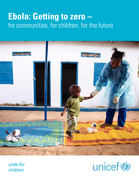
As slight hints of recovery begin to surface in West Africa, UNICEF is looking at the impact of Ebola on children and the response and work of the affected communities in the report, Ebola: Getting to zero – for communities, for children for the f
...
uture. The document traces some of the outbreak’s history along with the stories of survivors, health care workers and those working to make things better on the ground. The report also helps map out the actions that urgently must continue to help build resiliency and resuscitate basic services and systems decimated by Ebola.
more
Under the newly established Africa Trust Fund on Disability, World Bank-UNICEF and USAID are jointly organizing a series of 3 webinars on the topic of disability-inclusive education. The series explores essential components of the enabling environme
...
nt and service delivery that can support efforts to create inclusive education systems for all, including students with disabilities, and help reach the Sustainable Development Goal of equitable quality education for all by 2030. World Bank will be hosting the first webinar. The rest of the webinars will be hosted subsequently by other institutions. This webinar seeks to: 1) Increase knowledge regarding the policy development process and regional policy diagnostics 2) Strengthen understanding around disability data collection, instruments of collection, dis-aggregation and how that fits into the broader context of education data.
more

This animation—produced in collaboration with International Federation of Red Cross and Red Crescent Societies, UNICEF, and Yoni Goodman—brings to life key messages that help people see and understand how Ebola spreads and how to protect themsel
...
ves and their communities.
more
4 April 2020
This interim guidance on oxygen sources and distribution strategies for COVID-19 treatment has been adapted from WHO and UNICEF’s technical specifications and guidance for oxygen therapy devices, which is part of the WHO medical devi
...
ce technical series. This guidance is intended for health facility administrators, clinical decision-makers, procurement officers, planning officers, biomedical engineers, infrastructure engineers and policy-makers. It describes how to quantify oxygen demand, identify oxygen sources that are available, and select appropriate surge sources to best respond to COVID-19 patients’ needs, especially in low-and-middle income countries.
more
The Community Health Community of Practice (CH CoP) builds on the Institutionalisation Community Health Conference co-hosted by USAID and UNICEF in Johannesburg in March 2017. Conceived as an ‘open space’ in terms of both contribution and access
...
to knowledge, it aims at gathering practitioners, policy makers, researchers, program implementers and other experts actively involved in the technical or policy development of community health programs in low- and middle-income countries. It offers a network to share your country experience with other countries facing similar challenges; access to global knowledge on community health and its institutionalisation; opportunities for learning, exchanging and debating; constant information on new theoretical, operational or empirical developments in this domain of knowledge. The CoP is facilitated by an international team based in Africa, Asia and Europe. The CH CoP is supported by UNICEF in collaboration with USAID.
accessed 23.07.2021
Collectivity Platform has more group networks to join. The Platform is also available in French.
more
This manual was developed based on the recommendations of a global technical consultation on child health in humanitarian emergencies co-organized by WHO and UNICEF at the end of 2003. WHO in collaboration with the Centre for Refugee and Disaster Re
...
sponse, Bloomberg School of Public Health, Johns Hopkins University undertook a systematic review in 2004. It demonstrated that existing guidelines, including The Integrated Management of Childhood Illness (IMCI), do not cover all priority conditions in emergencies. The objective of this manual is to provide comprehensive guidance on child care in emergencies.
more

This document introduces four strategic objectives and twelve operational principles for good pharmaceutical procurement. These objectives and principles have been developed and endorsed by the Interagency Pharmaceutical Coordination Group (IPC), involving the pharmaceutical advisers of the United
...
Nations Children’s Fund (UNICEF), the United Nations Population Fund (UNFPA), the World Health Organization (WHO) and the World Bank. The aim of this document is to improve pharmaceutical procurement practices.
more
The push to immunize all children against polio has been hampered by the ongoing crisis in the Syrian Arab Republic. WHO and UNICEF have appealed to all parties to cooperate, including through temporary pauses in hostilities where needed, to allow v
...
accination campaigns to take place and for all children to be protected.
more
A vital resource for practicing midwives and midwifery training programs around the world, this book covers the essentials of care before, during, and after birth. Updated to reflect new WHO/UNICEF guidelines for mothers and newborns. - See more at:
...
http://hesperian.org/books-and-resources#sthash.vA2cgQEL.dpuf
more
Alimentación y Nutrición del Niño Pequeño: Memoria de la Reunión Regional de los Países de Mesoamérica
Organización Panamericana de la Salud, Programa Mundial de Alimentos, Fondo de las Naciones Unidas para el Desarrollo del Niño
Organización Panamericana de la Salud
(2010)
C_WHO
El propósito general de la reunión fue analizar la interrelación entre la salud, la nutrición y el desarrollo infantil, dentro del marco de la “Estrategia Global para la Alimentación y Nutrición del Infante y Niño Pequeño” (OMS/UNICEF).
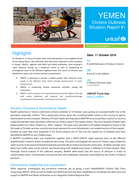
On October 6, 11 cases of Cholera were confirmed positive in one neighbourhood of the capital Sana’a. No confirmed cases have been reported in other locations in Yemen. UNICEF, together with WHO and Health authorities, have initiated a rapid respo
...
nse setting up a treatment centre as well as dispatching an investigation team to the affected neighbourhood. The source of infection was identified as water and commercial food contamination.
more
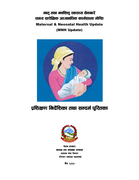
Maternal and Neonatal health update: by the Nepal government, Health and population ministry, Health protection unit, Family health department, created in 2010 (English) 2067 (Nepali). Compiled together by: UNICEF, WHO, UNFPA, NHSSP, Nepal medical c
...
ollege hospital and other government health departments.
This is a training directory and reference guideline, very useful for physicians, students and for training purposes of medical staff. Majority of the content is for medical personnel. It gives detailed descriptions regarding procedures and how to perform them, and also regarding the statistics in Nepal, prevalence rates, morbidity and mortality rates.
Contents:
1) Nepal health status
2) Post Partum Hemorrhage (PPH)
3) Partograph
4) Hypertension during pregnancy
5) Status of Neonatal Health
6) Neonatal Resuscitation
more

The project aims to provide health and nutrition education through 4 Poshan videos in 18 Indian languages. The Poshan videos are produced by the Government of India and UNICEF, with pro bono services of Aamir Khan, and they reinforce the following k
...
ey messages:
Expecting mothers should get the correct diet and quarter portions more than usual
Mother's first milk is the best, don't throw it away and make sure the child gets it.
For the first six months the child should only be fed mother's milk and nothing else, not even water.
When the child enters the seventh month, balance mother's milk with a nutritious diversified diet.
The videos addresses the importance of balanced nutrition and health and are available in 18 languages.
more
