
Filter
1656
Text search:
African
Union
Featured
174
382
Language
Document type
813
405
144
79
78
70
19
15
10
10
9
1
1
Countries
139
82
72
61
61
58
55
47
46
42
42
35
35
33
28
28
27
26
25
25
25
24
23
23
22
21
19
17
16
16
15
13
13
11
11
9
8
8
8
7
7
7
7
7
7
7
6
6
5
5
4
4
4
4
3
3
3
3
3
3
3
3
3
3
2
2
2
2
2
2
2
2
2
2
2
2
2
1
1
1
1
1
1
1
1
1
1
1
1
1
1
1
1
1
1
1
1
1
Authors & Publishers
Publication Years
Category
684
100
93
69
67
27
16
Toolboxes
260
122
89
82
75
71
54
48
44
41
41
40
32
30
29
28
26
23
12
12
10
9
8
6
2
1
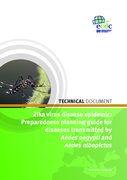
The threat posed by Zika virus infection highlights the need to reinforce preparedness arrangements for mosquito-borne diseases in EU/EEA countries, especially for pathogens transmitted by Aedes aegypti and Aedes albopictus.
The aim of this document is to highlight measures that can effectively red
...
Extraced from the full version of WDI 2016
Disease Control Priorities –3rdEdition, Volume 2.
This book focuses on maternal conditions, childhood illness, and malnutrition. Specifically, the chapters address acute illness and undernutrition in children, principally under age 5. It also covers maternal mortality, morbidity, stillbirth, and
...

This Training module on malaria elimination has been developed by WHO to support health professionals in planning, managing, monitoring and evaluating malaria elimination programmes


This policy discussion paper is designed to give an overview of the legal and policy implications of the dealat the present time.This paper is not designed to be an exhaustive statement or exploration of all issues –rather, its purpose is to highlight the key policy and legal challenges which the
...


Progress report of the Human Rights Council Advisory Committee (A/HRC/33/53) (Advance edited version)

The ECDC Communicable Disease Threats Report (CDTR) is a weekly bulletin for epidemiologists and health professionals on active public health threats. This issue covers the period 5-11 November 2017 and includes updates on measles, rubella, chikungunya, West Nile virus, Plague, monkeypox, legionnair
...
From Exclusion to Inclusion
The WHO laboratory biosecurity guidance follows and complements the revision of the Laboratory biosafety manual, fourth edition and provides principles and measures to prevent lapses and incidents throughout the whole value chain of handling high-consequence biological material, technology and infor
...
Health care-associated infections (HAI) are one of the most common adverse events in care delivery and a major public health problem with an impact on morbidity, mortality and quality of life. At any one time, up to 7% of patients in developed and 10% in developing countries will acquire at least on
...
