
Filter
1968
Text search:
soap
Featured
260
539
Language
Document type
959
355
172
144
88
68
62
46
46
17
7
4
Countries
114
101
92
67
66
63
57
48
46
40
39
37
30
29
28
28
27
26
23
22
21
21
20
20
20
18
18
16
14
14
14
14
14
13
13
11
11
10
10
8
8
8
7
6
6
6
6
6
6
5
5
5
5
4
4
4
4
4
4
4
4
4
4
3
3
3
3
3
3
3
3
3
2
2
2
2
2
2
2
2
2
1
1
1
1
1
1
1
1
1
1
1
1
1
1
1
1
1
1
1
1
1
1
1
1
1
Authors & Publishers
Publication Years
Category
829
241
132
128
65
58
22
Toolboxes
421
196
86
84
48
48
46
45
45
43
37
35
34
28
27
24
22
20
11
8
6
6
5
1
1
1


The first of a series of graphic stories about Ebola that covers prevention and seeking early care. This tool is used by IOM and county based partners to raise awareness and encourage positive responses within communities in Liberia. It . It was developed with the guidance of the Ministry of Health
...

This form includes quesitons to help evaluate the services provided, human resources, infrastructure, equipment, drugs and infection prevention at basic emergency obstetric care (BEmOC) sites.
Part of the Malawi Maternal and Neonatal Health Toolkit
Accessed 12 Febr. 2015


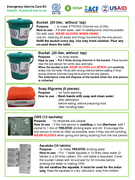
This guidebook for people in school settings is intended to offer strategies for use and adaptation with children and families to re-establish routines of hygiene with basic access to water and sanitation services through an approach that visibly shows that the school is WASHfriendly, inclusive - so
...


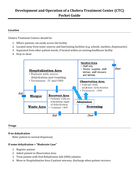
The document is a pocket guide for establishing and operating a Cholera Treatment Center (CTC). It provides guidelines on selecting a location, triaging patients based on dehydration severity, infection control measures, and ensuring sufficient medical supplies. The guide emphasizes maintaining hygi
...

Fact sheet for visitors or residents in areas with cholera on the basic cholera facts and five basic cholera prevention recommendations.

The Water, Sanitation, and Hygiene Improvement Training Package is intended to support the training of local outreach workers and their subsequent work in communities to promote improved water, sanitation and hygiene (WASH) practices to reduce diarrhea
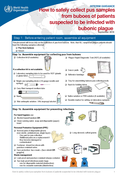


Draft for consultation
