
Filter
3660
Text search:
malaria
treatment
Featured
344
1216
Language
3446
129
96
39
34
25
19
16
7
6
5
3
2
2
2
2
2
2
2
2
1
1
1
1
1
1
1
1
1
1
1
1
1
1
1
1
1
1
1
Document type
2041
615
423
179
145
85
71
32
30
12
11
7
5
Countries
182
181
137
126
120
108
98
96
95
79
76
71
67
66
63
61
58
54
41
40
40
38
37
35
34
33
29
29
26
25
25
23
23
22
21
20
19
18
18
16
15
15
11
11
11
10
9
9
8
7
7
7
7
7
7
6
6
6
6
6
6
6
5
5
5
5
5
5
5
4
4
4
4
4
3
3
3
3
3
3
3
3
2
2
2
2
2
2
2
2
2
2
2
2
2
2
2
1
1
1
1
1
1
1
1
1
1
1
1
1
1
1
1
1
1
1
1
1
1
1
1
1
Authors & Publishers
426
179
106
91
87
77
74
65
61
35
26
26
24
24
18
18
17
17
17
17
17
17
17
15
15
15
15
14
14
14
12
12
12
12
12
11
11
11
11
11
10
10
9
9
9
9
9
9
8
8
8
8
8
8
8
8
8
8
8
7
7
7
7
7
7
7
7
7
7
7
7
7
7
6
6
6
6
6
6
6
6
6
6
6
6
6
6
6
6
5
5
5
5
5
5
5
5
5
5
5
5
5
5
5
5
5
5
5
5
5
5
5
5
5
4
4
4
4
4
4
4
4
4
4
4
4
4
4
4
4
4
4
4
4
4
4
4
4
4
4
4
4
4
4
4
4
4
4
4
4
4
4
4
4
4
4
4
4
4
3
3
3
3
3
3
3
3
3
3
3
3
3
3
3
3
3
3
3
3
3
3
3
3
3
3
3
3
3
3
3
3
3
3
3
3
3
3
3
3
3
3
3
3
3
3
3
3
3
3
3
3
3
3
3
3
3
3
3
3
3
3
3
3
3
3
3
3
3
3
3
3
3
3
3
3
3
3
3
3
3
3
3
3
3
2
2
2
2
2
2
2
2
2
2
2
2
2
2
2
2
2
2
2
2
2
2
2
2
2
2
2
2
2
2
2
2
2
2
2
2
2
2
2
2
2
2
2
2
2
2
2
2
2
2
2
2
2
2
2
2
2
2
2
2
2
2
2
2
2
2
2
2
2
2
2
2
2
2
2
2
2
2
2
2
2
2
2
2
2
2
2
2
2
2
2
2
2
2
2
2
2
2
2
2
2
2
2
2
2
2
2
2
2
2
2
2
2
2
2
2
2
2
2
2
2
2
2
2
2
2
2
2
2
2
2
2
2
2
2
2
2
2
2
2
2
2
2
2
2
2
2
2
2
2
2
2
2
2
2
2
2
2
2
2
2
2
2
2
2
2
2
2
2
2
2
2
2
2
2
2
2
2
2
2
2
2
2
2
2
2
2
2
2
2
2
2
2
2
2
2
2
2
2
2
2
2
2
2
2
2
2
2
2
2
2
2
2
2
2
2
2
2
2
2
1
1
1
1
1
1
1
1
1
1
1
1
1
1
1
1
1
1
1
1
1
1
1
1
1
1
1
1
1
1
1
1
1
1
1
1
1
1
1
1
1
1
1
1
1
1
1
1
1
1
1
1
1
1
1
1
1
1
1
1
1
1
1
1
1
1
1
1
1
1
1
1
1
1
1
1
1
1
1
1
1
1
1
1
1
1
1
1
1
1
1
1
1
1
1
1
1
1
1
1
1
1
1
1
1
1
1
1
1
1
1
1
1
1
1
1
1
1
1
1
1
1
1
1
1
1
1
1
1
1
1
1
1
1
1
1
1
1
1
1
1
1
1
1
1
1
1
1
1
1
1
1
1
1
1
1
1
1
1
1
1
1
1
1
1
1
1
1
1
1
1
1
1
1
1
1
1
1
1
1
1
1
1
1
1
1
1
1
1
1
1
1
1
1
1
1
1
1
1
1
1
1
1
1
1
1
1
1
1
1
1
1
1
1
1
1
1
1
1
1
1
1
1
1
1
1
1
1
1
1
1
1
1
1
1
1
1
1
1
1
1
1
1
1
1
1
1
1
1
1
1
1
1
1
1
1
1
1
1
1
1
1
1
1
1
1
1
1
1
1
1
1
1
1
1
1
1
1
1
1
1
1
1
1
1
1
1
1
1
1
1
1
1
1
1
1
1
1
1
1
1
1
1
1
1
1
1
1
1
1
1
1
1
1
1
1
1
1
1
1
1
1
1
1
1
1
1
1
1
1
1
1
1
1
1
1
1
1
1
1
1
1
1
1
1
1
1
1
1
1
1
1
1
1
1
1
1
1
1
1
1
1
1
1
1
1
1
1
1
1
1
1
1
1
1
1
1
1
1
1
1
1
1
1
1
1
1
1
1
1
1
1
1
1
1
1
1
1
1
1
1
1
1
1
1
1
1
1
1
1
1
1
1
1
1
1
1
1
1
1
1
1
1
1
1
1
1
1
1
1
1
1
1
1
1
1
1
1
1
1
1
1
1
1
1
1
1
1
1
1
1
1
1
1
1
1
1
1
1
1
1
1
1
1
1
1
1
1
1
1
1
1
1
1
1
1
1
1
1
1
1
1
1
1
1
1
1
1
1
1
1
1
1
1
1
1
1
1
1
1
1
1
1
1
1
1
1
1
1
1
1
1
1
1
1
1
1
1
1
1
1
1
1
1
1
1
1
1
1
1
1
1
1
1
1
1
1
1
1
1
1
1
1
1
1
1
1
1
1
1
1
1
1
1
1
1
1
1
1
1
1
1
1
1
1
1
1
1
1
1
1
1
1
1
1
1
1
1
1
1
1
1
1
1
1
1
1
1
1
1
1
1
1
1
1
1
1
1
1
1
1
1
1
1
1
1
1
1
1
1
1
1
1
1
1
1
1
1
1
1
1
1
1
1
1
1
1
1
1
1
1
1
1
1
1
1
1
1
1
1
1
1
1
1
1
1
1
1
1
1
1
1
1
1
1
1
1
1
1
1
1
1
1
1
1
1
1
1
1
1
1
1
1
1
1
1
1
1
1
1
1
1
1
1
1
1
1
1
1
1
1
1
1
1
1
1
1
1
1
1
1
1
1
1
1
1
1
1
1
1
1
1
1
1
1
1
1
1
1
1
1
1
1
1
1
1
1
1
1
1
1
1
1
1
1
1
1
1
1
1
1
1
1
1
1
1
1
1
1
1
1
1
1
1
1
1
1
1
1
1
1
1
1
1
1
1
1
1
1
1
1
1
1
1
1
1
1
1
1
1
1
1
1
1
1
1
1
1
1
1
1
1
1
1
1
1
1
1
1
1
1
1
1
1
1
1
1
1
1
1
1
1
1
1
1
1
1
1
1
1
1
1
1
1
1
1
1
1
1
1
1
1
1
1
1
1
1
1
1
1
1
1
1
1
1
1
1
1
1
1
1
1
1
1
1
1
1
1
1
1
1
1
1
1
1
1
1
1
1
1
1
1
1
1
1
1
1
1
1
1
1
1
1
1
1
1
1
1
1
1
1
1
1
1
1
1
1
1
1
1
1
1
1
1
1
1
1
1
1
1
1
1
1
1
1
1
1
1
1
1
1
1
1
1
1
1
1
1
1
1
1
1
1
1
1
1
1
1
1
1
1
1
1
1
1
1
1
1
1
1
1
1
1
1
1
1
1
1
1
1
1
1
1
1
1
1
1
1
1
1
1
1
1
1
1
1
1
1
1
1
1
1
1
1
1
1
1
1
1
1
1
1
1
1
1
1
1
1
1
1
1
1
1
1
1
1
1
1
1
1
1
1
1
1
1
1
1
1
1
1
1
1
1
1
1
1
1
1
1
1
1
1
1
1
1
1
1
1
1
1
1
1
1
1
1
1
1
1
1
1
1
1
1
1
1
1
1
1
1
1
1
1
1
1
1
1
1
1
1
1
1
1
1
1
1
1
1
1
1
1
1
1
1
1
1
1
1
1
1
1
1
1
1
1
1
1
1
1
1
1
1
1
1
1
1
1
1
1
1
1
1
1
1
1
1
1
1
1
1
1
1
1
1
1
1
1
1
1
1
1
1
1
1
1
1
1
1
1
1
1
1
1
1
1
1
1
1
1
1
1
1
1
1
1
1
1
1
1
1
1
1
1
1
1
1
1
1
1
1
1
1
1
1
1
1
1
1
1
1
1
1
1
1
1
1
1
1
1
1
1
1
1
1
1
1
1
1
1
1
1
1
1
1
1
1
1
1
1
1
1
1
1
1
1
1
1
1
1
1
1
1
1
1
1
1
1
1
1
1
1
1
1
1
1
1
1
1
1
1
1
1
1
1
1
1
1
1
1
1
1
1
1
1
1
1
1
1
1
1
1
1
1
1
1
1
1
1
1
1
1
1
1
1
1
1
1
1
1
1
1
1
1
1
1
1
1
1
1
1
1
1
1
1
1
1
1
1
1
1
1
1
1
1
1
1
1
1
1
1
1
1
1
1
1
1
1
1
1
1
1
1
1
1
1
1
1
1
1
1
1
1
1
1
1
1
1
1
1
1
1
1
1
1
1
1
1
1
1
1
1
1
1
1
1
1
1
1
1
1
1
1
1
1
1
1
1
1
1
1
1
1
1
1
1
1
1
1
1
1
1
1
1
1
1
1
1
1
1
1
1
1
1
1
1
1
1
1
1
1
1
1
1
1
1
1
1
1
1
1
1
1
1
1
1
1
1
1
1
1
1
1
1
1
1
1
1
1
1
1
1
1
1
1
1
1
1
1
1
1
1
1
1
1
1
1
1
1
1
1
1
1
1
1
1
1
1
1
1
1
1
1
1
1
1
1
1
1
1
1
1
1
1
1
1
1
1
1
1
1
1
1
1
1
1
1
1
1
1
1
1
1
1
1
1
1
1
1
1
1
1
1
1
1
1
1
1
1
1
1
1
1
1
1
1
1
1
1
1
1
1
1
1
1
1
1
1
1
1
1
1
1
1
1
1
1
1
1
1
1
1
1
1
1
1
1
1
1
1
1
1
1
1
1
1
1
1
1
1
1
1
1
1
1
1
1
1
1
1
1
1
1
1
1
1
1
1
1
1
1
1
1
1
1
1
1
1
1
1
1
1
1
1
1
1
1
1
1
1
1
1
1
1
1
1
1
1
1
1
1
1
1
1
1
1
1
1
1
1
1
1
1
1
1
1
1
1
1
1
1
1
1
1
1
1
1
1
1
1
1
1
1
1
1
1
1
1
1
1
1
1
1
1
1
1
1
1
1
1
1
1
1
1
1
1
1
1
1
1
1
1
1
1
1
1
1
1
1
1
1
1
1
1
1
1
1
1
1
1
1
1
1
1
1
1
1
1
1
1
1
1
1
1
1
1
1
1
1
1
1
1
1
1
1
1
1
1
1
1
1
1
1
1
1
1
1
1
1
1
1
1
1
1
1
1
1
1
1
1
1
1
1
1
1
1
1
1
1
1
1
1
1
1
1
1
1
1
1
1
1
1
1
1
1
1
1
1
1
1
1
1
1
1
1
1
1
1
1
1
1
1
1
1
1
1
1
1
1
1
1
1
1
1
1
1
1
1
1
1
1
1
1
1
1
1
1
1
1
1
1
1
1
1
1
1
1
1
1
1
1
1
1
1
1
1
1
1
1
1
1
1
1
1
1
1
1
1
1
1
1
1
1
1
1
1
1
1
1
1
1
1
1
1
1
1
1
1
1
1
1
1
1
1
1
1
1
1
1
1
1
1
1
1
1
1
1
1
1
1
1
1
1
1
1
1
1
1
1
1
1
1
1
1
1
1
1
1
1
1
1
1
1
1
1
1
1
1
1
1
1
1
1
1
1
1
1
1
1
1
1
1
1
1
1
1
1
1
1
1
1
1
1
1
1
1
1
1
1
1
1
1
1
1
1
1
1
1
1
1
1
1
1
1
1
1
1
1
1
1
1
1
1
1
1
1
1
1
1
1
1
1
1
1
1
1
1
1
1
1
1
1
1
1
1
1
1
1
1
1
1
1
1
1
1
1
1
1
1
1
1
1
1
1
1
1
1
1
1
1
1
1
1
1
1
1
1
1
1
1
1
1
1
1
1
1
1
1
1
1
1
1
1
1
1
1
1
1
1
1
1
1
1
1
1
1
1
1
1
1
1
1
1
1
1
1
1
1
1
1
1
1
1
1
1
1
1
1
1
1
1
1
1
1
1
1
1
1
1
1
1
1
1
1
1
1
1
1
1
1
1
1
1
1
1
1
1
1
1
1
1
1
1
1
1
1
1
1
1
1
1
1
1
1
1
1
1
1
1
1
1
1
1
1
1
1
1
1
1
1
1
1
1
1
1
1
1
1
1
1
1
1
1
1
1
1
1
1
1
1
1
1
1
1
1
1
1
1
1
1
1
1
1
1
1
1
1
1
1
1
1
1
1
1
1
1
1
1
1
1
1
1
1
1
1
1
1
1
1
1
1
1
1
1
1
1
1
1
1
1
1
1
1
1
1
1
1
1
1
1
1
1
1
1
1
1
1
1
1
1
1
1
1
1
1
1
1
1
1
1
1
1
1
1
1
1
1
1
1
1
1
1
1
1
1
1
1
1
1
1
1
1
1
1
1
1
1
1
1
1
1
1
1
1
1
1
1
1
1
1
1
1
1
1
1
1
1
1
1
1
1
1
1
1
1
1
1
1
1
1
1
1
1
1
1
1
1
1
1
1
1
1
1
1
1
1
1
1
Publication Years
939
2334
367
20
Category
1733
251
216
202
160
86
50
Toolboxes
249
206
165
163
144
127
123
90
82
82
81
76
66
58
50
43
33
31
24
24
23
17
16
5
3
2
1
WHO recommends artemisinin-based combination therapies for treating uncomplicated malaria, alongside studies to monitor treatment effectiveness. Given the threat of antimalarial resistance, includin
...
g partial resistance in several African countries, molecular tools are vital for tracking resistance. In 2015, WHO launched the External Quality Assessment scheme for nucleic acid amplification testing to ensure reliable lab results. Coordinated by WHO and operated by the United Kingdom National External Quality Assessment Service for Parasitology, the scheme provides quality-controlled specimens and reports to help improve testing accuracy. Experts recently discussed expanding the scheme to include antimalarial resistance markers.
more
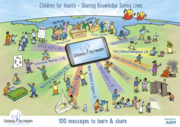
This document outlines key health messages for children and their caregivers, with a focus on the prevention and early treatment of common illnesses. Topics covered include malaria, diarrhoea, malnu
...
trition, respiratory infections, intestinal worms, HIV/AIDS and accident prevention. The importance of insecticide-treated nets, oral rehydration salts (ORS), breastfeeding, immunisation, hygiene, access to clean water, deworming and emotional care for child development is also emphasised. The practical advice provided helps families to create safer and healthier environments, and to recognise when medical help is needed.
Accessed on 15/07/2025.
more

Long-lasting insecticidal nets (LNs) constitute a core vector control intervention against malaria. A number of new LN products are under development and will require assessment of risks to humans. This document provides an updated generic model tha
...
t can be used for the risk assessment of exposure to insecticides of individuals sleeping under LNs and during the washing of nets.
In an Annex, exposures and health risks are described for the conventional treatment or retreatment of nets (ITNs) with an insecticide considering that such practices may still be used in evaluation of ITNs and their use. The generic model does not include the risks associated with the manufacturing of LNs in a factory environment. more
In an Annex, exposures and health risks are described for the conventional treatment or retreatment of nets (ITNs) with an insecticide considering that such practices may still be used in evaluation of ITNs and their use. The generic model does not include the risks associated with the manufacturing of LNs in a factory environment. more
Activity Brief.Formative research revealed that gold miners in remote regions of Guyana viewed malaria as an unavoidable and minor risk compared to other dangers. Building on these insights, Breakthrough ACTION co-created the 'Lil Mosquito, Big Prob
...
lem' (LMBP) social and behavioural change campaign, which targeted miners in malaria-endemic areas (Regions 7 and 8). Adopting a human-centred design approach, the campaign collaborated with the Ministry of Health, mining organisations, and miners throughout its development. LMBP used visual, low-literacy materials featuring animated and live-action characters to raise awareness of the risks of malaria and encourage key behaviours such as timely testing, adhering to treatment and consistently using insecticide-treated nets. Launched in 2019 and scaled up until 2024, this multi-channel campaign aimed to change attitudes and improve malaria prevention in these hard-to-reach communities.
Accessed on 20/06/2025.
more
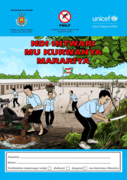
This comic book is an educational resource designed to raise awareness of malaria prevention among young people in Burundi. Employing a narrative approach, it features characters who demonstrate key preventive behaviours, such as using insecticide-t
...
reated nets, eliminating mosquito breeding sites and seeking timely medical treatment. Serving as a tool for community health education, the comic book aims to foster behavioural change and empower children to act as agents of malaria prevention within their families and communities.
more
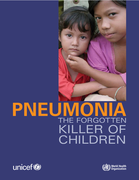
Pneumonia kills more children than any other illness – more than AIDS, malaria and measles combined. Over 2 million children die from pneumonia each year, accounting for almost 1 in 5 under five deaths worldwide. Yet, little attention is paid to t
...
his disease. This joint UNICEF/WHO report examines the epidemiological evidence on the burden and distribution of pneumonia and assesses current levels of treatment and prevention. It is a call to action to reduce pneumonia mortality, a key step towards the achievement of the millennium development goal on child mortality.
more
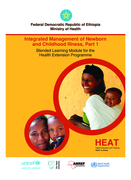
Integrated Management of Newborn and Childhood Illness, Part 1 Blended Learning Module for the Health Extension Programme
HEAT, UNICEF, Open University, AMREF, WHO
Ministry of Health, Federal Democratic Republic of Ethiopia
(2011)
C1
These Blended Learning Modules cover the full range of health promotion, disease prevention, basic management and essential treatment protocols to improve and protect the health of rural communities in Ethiopia. A strong focus is on enabling Ethiopi
...
a to meet the Millennium Development Goals to reduce maternal mortality by three-quarters and under-5 child mortality by two-thirds by the year 2015. The Modules cover antenatal care, labour and delivery, postnatal care, the integrated management of newborn and childhood illness, communicable diseases (including HIV/AIDS, malaria, TB, leprosy and other common infectious diseases), family planning, adolescent and youth reproductive health, nutrition and food safety, hygiene and environmental health, non-communicable diseases, health education and community mobilisation, and health planning and professional ethics.
more
This dataset contains data from WHO's data portal covering the following categories:
Air pollution, Antimicrobial resistance (AMR), Assistive technology, Child mortality, Dementia diagnosis, treatment and care, Dementia policy and legislation, En
...
vironment and health, Foodborne Diseases Estimates, Global Dementia Observatory (GDO), Global Health Estimates: Life expectancy and leading causes of death and disability, Global Information System on Alcohol and Health, Global Patient Safety Observatory, HIV, Health financing, Health systems, Health taxes, Health workforce, Hepatitis, Immunization coverage and vaccine-preventable diseases, Malaria, Maternal and reproductive health, Mental health, Neglected tropical diseases, Noncommunicable diseases, Nutrition, Oral Health, Priority health technologies, Resources for Substance Use Disorders, Road Safety, SDG Target 3.8 | Achieve universal health coverage (UHC), Sexually Transmitted Infections, Tobacco control, Tuberculosis, Vaccine-preventable communicable diseases, Violence against women, Violence prevention, Water, sanitation and hygiene (WASH), World Health Statistics.
more
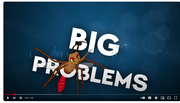
This brief, rhythmic video uses a simple, memorable narrative to raise awareness of the dangers of malaria, emphasising how a mosquito bite can lead to serious health problems. The story follows someone who experiences
...
malaria symptoms and seeks free testing and treatment, emphasising the importance of early diagnosis and prompt medical care. The video's engaging message encourages viewers to avoid risks, get tested and receive appropriate treatment to prevent malaria from worsening.
more

The ongoing global pandemic of SARS-CoV-2 (Covid-19) poses unique diagnostic and clinical management challenges in regions where seasonal epidemic-prone diseases are endemic. Diseases such as dengue, malaria, seasonal influenza, leptospirosis, chiku
...
ngunya, scrub typhus and bacterial infections often present with febrile syndromes that mimic or co-exist with SARS-CoV-2 infection, complicating diagnosis and treatment. This document provides guidelines for preventing, diagnosing and managing such co-infections. A high level of suspicion is essential during the monsoon and post-monsoon seasons, taking into account region-specific disease prevalence. While the WHO's case definition for SARS-CoV-2 is broad and sensitive, the need for parallel testing for co-infections, in accordance with the protocols of the MoHFW, ICMR, NVBDCP and NCDC, is necessitated by overlapping clinical features. Ensuring the availability of reliable rapid diagnostic kits and applying integrated clinical and laboratory approaches are crucial to improving patient outcomes in the context of concurrent infections.
Accessed on 26/08/2025.
more
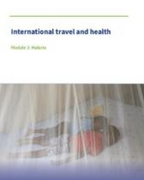
Depending on the health profile of the traveller, the type of travel to be undertaken, and the place of transit and destination, travellers may face various health risks during travel. The International travel and health collection is an update of International travel and health (2012) and serves as
...
an entry point for other World Health Organization (WHO) publications that provide further information. Its primary target audience is travel health practitioners and travel health professionals, who provide health advice to travellers on appropriate precautions to be taken to minimize any travel-related health risks in unfamiliar environments, before, during and after travel. The guidance may also be of interest to health authorities who intend to support travel health professionals in their jurisdiction or develop
health advice for their population. It may also be of interest to travellers who wish to obtain such information for themselves as well as those working in the travel industry, such as agents and organizers, airlines and shipping companies.
Module 3 outlines the clinical features, geographical distribution and chemoprophylaxis against malaria, as well as personal protection measures against mosquitoes that travellers should take during their journey and at destinations, and treatment for those who are infected.
more
African regional progress and status of the programme to eliminate lymphatic filariasis: 2000–2020
Deribe K., Bakajikaa D. K., Zourea H. MG. et al
The royal society of tropical medicine and hygiene
(2021)
C2
To eliminate lymphatic filariasis (LF) by 2020, the World Health Organization (WHO) has launched a campaign against the disease. Since the launch in 2000, significant progress has been made to achieve this ambitious goal. In this article we review the progress and status of the LF programme in Afric
...
a through the WHO neglected
tropical diseases preventive chemotherapy databank, the Expanded Special Project for Elimination of Neglected Tropical Diseases (ESPEN) portal and other publications. In the African Region there are 35 countries endemic for LF. The Gambia was reclassified as not requiring preventive chemotherapy in 2015, while Togo and Malawi eliminated LF as a public health problem in 2017 and 2020, respectively. Cameroon discontinued mass drug administration (MDA) and transitioned to post-MDA surveillance to validate elimination. The trajectory of coverage continues to accelerate; treatment coverage increased from 0.1% in 2000 to 62.1% in 2018. Geographical coverage has also significantly increased, from 62.7% in 2015 to 78.5% in 2018. In 2019, 23 of 31 countries requiring MDA achieved 100% geographic coverage. Although much remains to be done, morbidity management and disability prevention services have steadily increased in recent years. Vector control interventions conducted by other programmes, particularly malaria vector control, have had a profound effect in stopping transmission in some endemic countries in the region. In conclusion, significant progress has been made in the LF programme
in the region while we identify the key remaining challenges in achieving an Africa free of LF.
more


2nd edition. This second edition builds on the experience of more than 10 years of SMC deployment, and reflects changes introduced in the WHO guidelines for malaria, 3 June 2022. The goal of this publication is to share these best practices to impro
...
ve SMC implementation, coverage, and monitoring and evaluation. Examples of materials and tools as well as links to resources are included to support managers and health workers in their efforts to conduct successful SMC activities and prevent malaria among vulnerable children.
more

Front. Malar. 3:1336324. doi: 10.3389/fmala.2025.1336324
Mozambique was the first country outside of the Sahel to successfully implement seasonal malaria chemoprevention (SMC) on a large scale. This learning paper captures some of the lessons drawn from the implementation process.
Moçambique foi o primeiro país fora da região do Sahel a expandir com sucesso a quimioprevenção sazonal da malária (QSM). Neste documento de aprendizagem, descrevemos as lições decorrentes da aplicação em larga escala da QSM em Moçambique
...
.
more
MSD Manual Consumer Version

Due to the heterogeneous distribution of malaria transmission and its determinants, subnational tailoring (SNT) provides an analytical framework to facilitate the targeting of each population with appropriate intervention packages for maximum impact
...
to inform national strategic planning and prioritization based on resources available. The WHO Global Malaria Programme recommends the use of subnational data on disease epidemiology and other relevant local contextual factors to facilitate the process of SNT. Once the strategies and intervention mixes have been defined, programmes can proceed to the prioritization of
interventions for effective programming, based on available resources
more
The ECDC webpage on malaria provides an overview of the disease, emphasizing that while malaria is mostly travel-related in the EU/EEA, it remains a serious global health threat. It outlines symptom
...
s, affected populations, travel-associated risks, and highlights the importance of prevention, surveillance, and data monitoring.
more
