
Filter
1921
Text search:
Centers
for
disease
control
and
prevention
CDC
Featured
193
499
Language
Document type
927
316
179
118
108
76
62
48
43
18
10
8
4
2
1
Countries
115
81
69
55
50
47
41
40
40
40
39
33
32
28
27
27
26
23
23
23
23
23
23
20
20
16
15
15
14
14
14
14
14
14
14
13
13
12
12
10
10
9
9
9
8
7
6
6
6
6
6
5
5
5
4
4
4
4
4
3
3
3
3
3
3
3
2
2
2
2
2
2
2
2
2
2
1
1
1
1
1
1
1
1
1
1
1
1
1
1
1
1
1
1
1
1
1
1
1
1
1
Authors & Publishers
Publication Years
Category
573
172
111
106
64
29
26
Toolboxes
238
191
144
106
105
79
67
65
63
57
45
43
39
37
33
30
28
25
24
17
13
8
8
7
2

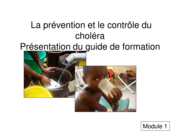
comment prévenir le choléra et les décès dans vos communautés. Ces diapositives et modules comprennent des informations sur les sujets suivants :
• Introduction et engagement de la communauté
• Ce qu’il faut savoir sur le choléra
• Les soins des personnes souffrant de diarrhée pen
...
The Centers for Disease Control and
...
Radiation emergencies may be intentional (e.g., caused by terrorists) or unintentional. CDC provides some examples of different types of radiation emergencies and information what to do if a radiati
...
Are you prepared? If a disaster strikes in your community, you might not have access to food, water, or electricity for several days. Preparing an emergency kit for your family is an important step
...
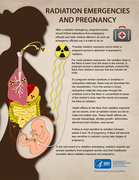
After a radiation emergency, pregnant women should follow instructions from emergency officials and seek medical attention as soon as emergency officials say it is safe to do so.
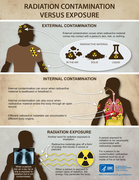
This infographic contains information about external contamination, internal contamination and radiation exposure.

Acute Radiation Syndrome (ARS) (sometimes known as radiation toxicity or radiation sickness) is an acute illness caused by irradiation of the entire body (or most of the body) by a high dose of penetrating radiation in a very short period of time (usually a matter of minutes). The major cause of thi
...
This pocket guide is designed for clinicians, including physicians, nurses, and other health care professionals, who will provide emergency care following a radiological event. It should be
...

Injury to the skin and underlying tissues from acute exposure to
a large external dose of radiation is referred to as cutaneous
radiation injury (CRI). Acute radiation syndrome (ARS) 1 will
usually be accompani
...
A brief, 17-minute video covering key radiation principles and radiological procedures. Includes demonstrations on application of these principles and procedures in several patient care scenarios in
...
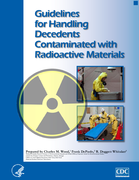
Detonation of a nuclear weapon or activation of a radiological dispersal device could cause radioactively contaminated decedents. These guidelines are designed to address both of these scenarios. They could also be applicable in other instances where decedents’ bodies are contaminated with radioa
...
The purpose of this training is to prepare clinicians in first receiver settings to: (1) Identify factors impacting immediate medical response to mass casualties following major types of radiological incidents, and (2) Demonstrate appropriate patien
...
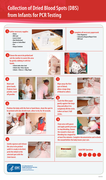
This clinical job aid provides health care workers with information on how to collect specimens for early infant diagnosis on dried blood spots, as well as drying and packaging
...

Formularies are lists of antibiotics that are suggested for certain healthcare settings. In developing a recommended formulary, countries should consider the needs of patients and facilities where t
...

The following checklist is a companion to Core Elements of Hospital Antibiotic Stewardship Programs. This checklist should be used to systematically assess key elements and actions to ensure optimal antibiotic prescribing
...
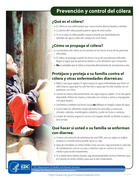
The document titled "Prevención y control del cólera" (Cholera Prevention and Control) provide
...
