
Filter
1333
Text search:
Mental
health
legislation
Featured
100
281
Language
Document type
814
212
112
78
65
26
11
7
3
3
Countries
51
51
50
45
29
25
23
23
22
22
22
20
20
19
18
18
17
16
16
15
15
15
14
13
13
11
10
10
10
9
7
7
7
7
6
6
5
5
5
5
5
4
4
4
4
4
4
4
4
4
4
4
3
3
3
3
3
3
3
3
3
3
3
3
2
2
2
2
2
2
2
2
2
2
2
2
2
2
2
2
2
2
1
1
1
1
1
1
1
1
1
1
1
1
1
1
1
1
1
1
1
1
1
1
1
1
1
1
1
1
1
1
1
Authors & Publishers
Publication Years
Category
482
91
74
73
42
16
4
Toolboxes
296
193
54
49
49
37
35
35
31
27
27
20
17
12
11
8
7
7
6
3
2
2
2
1
UNFPA launches Journalist’s Handbook: Reporting on Gender-Based Violence in Syria Crisis
Amman, 9 March 2015 – Under the patronage of Her Royal Highness Princess Rym Ali, UNFPA launched a handbook on Reporting on Gender-Based Violence in the Syria Crisis to help journalists better understand
...




Scant data exists on the prevalence of violence against children worldwide. However, available information, including the United Nations Secretary-General’s Study on Violence against Children, shows that violence against children is a global problem. This desktop study aims to glean from published
...
Information Booklet for Parents
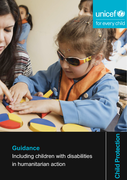
Guidance | Preparedness - Response and early recovery - Recovery and reconstruction
Innocenti Digest No. 13

DEVELOPMENT BULLETIN | No.74, June 2011 | Editor: Pamela Thomas | Features and case studies | Progress with implementing conventions and strategies | Progress with capacity building | Progress with disability-inclusive education | Disability-inclusive research | Innovative inclusion | Review of urba
...
As the Convention of the Rights of Children recognizes, children are human beings with a distinct set of rights, and not the passive objects of care and charity. They deserve to be full participants in society, and to live lives free of poverty. But for children, living in poverty is particularly im
...
