Filter
1175
Text search:
Armed
Conflict
Featured
115
362
Language
Document type
696
221
89
60
49
21
15
14
4
2
2
1
1
Countries
86
59
56
48
42
42
40
29
22
22
21
19
17
16
14
14
13
13
12
12
12
10
9
9
8
7
7
7
7
7
6
6
6
6
6
5
5
5
5
5
4
4
4
4
4
4
4
4
4
4
3
3
3
3
3
3
3
2
2
2
2
2
2
2
2
2
2
1
1
1
1
1
1
1
1
1
1
1
1
1
1
1
1
1
1
1
1
1
1
1
1
1
Authors & Publishers
Publication Years
Category
347
182
75
37
34
28
Toolboxes
225
156
86
71
68
46
33
29
29
25
21
14
14
13
12
6
5
4
3
2
1
1
1
1
1
1


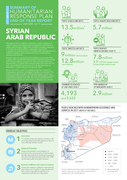
The Joint Response Plan sets out a comprehensive programme shaped around three strategic objectives – deliver protection, provide life-saving assistance and foster social cohesion. The Plan covers all humanitarian sectors and addresses key cross-cutting issues, including protection and gender main
...
Trabajar con recursos limitados en conflictos armados y otras situaciones de violencia. vol. 1
La cirugía que se realiza en víctimas de una situación de conflicto armado es en general diferente a las que se efectúan en tipos diversos de trauma. Las heridas originadas en conflictos armados son causadas por balas o fragmentos de la explosión de minas o bombas y siempre se consideran lesion
...

This research project is comprised of a Final Report, 5 Annexed Explosive Weapons Studies, a Terminology paper and a Simulator software tool. Motivated by its strategic goal to improve human security and equipped with subject expertise in explosive hazards, in January 2015, the GICHD established the
...
Menées par les organisations humanitaires et de défence des droits de l'homme lors de conflits armés et d'autres situations de violence
نداء لتوفير 2.96 مليار دولار لتقديم مساعدات منقذة للأرواح إلى
13.1مليون شخص في اليمن خلال العام 2018
LLEVADA A CABO POR LOS AGENTES HUMANITARIOS Y LOS DEFENSORES DE LOS DERECHOS HUMANOS EN LOS CONFLICTOS ARMADOS Y OTRAS SITUACIONES DE VIOLENCIA

These guidelines have been extracted from the WHO manual Surgical Care at the District
Hospital (SCDH), which is a part of the WHO Integrated Management Package on Emergency
and Essential Surgical Care (IMPEESC).
Refer for details on anaesthesia, head, gunshot and landmine injuries in chapters


War in Ukraine
recommended
On this page we provide a list of charts, data and resources that you may find useful to understand the context of the ongoing war in Ukraine.

Over-plagued with deadly siege, the Eastern Ghota is still subject to a vicious military regime attack in an attempt to force its people to flee for their life or just die in place. The sufferings in Eastern Ghota have been continuing, unabated for more than five running years, leaving the area bere
...