
Filter
1996
Text search:
message
Featured
172
532
Language
1705
263
35
28
28
14
12
6
6
5
5
5
5
4
3
3
3
3
3
2
2
2
2
2
2
2
1
1
1
1
1
1
1
1
1
1
1
1
1
1
1
1
Document type
1093
289
229
152
91
65
36
12
8
8
7
5
1
Countries
90
79
49
48
48
48
46
37
37
34
34
32
31
28
27
27
26
24
21
21
21
20
19
19
19
18
17
15
14
11
11
10
10
10
10
9
9
8
8
7
7
7
7
7
6
6
6
6
6
5
5
5
5
5
5
4
4
4
3
3
3
3
3
3
3
2
2
2
2
2
2
2
2
2
2
2
2
2
2
2
2
2
1
1
1
1
1
1
1
1
1
1
1
1
1
1
1
1
1
1
1
1
1
1
1
1
1
1
1
1
1
1
1
1
Authors & Publishers
187
63
48
46
40
34
34
30
17
13
13
13
12
12
12
11
11
10
10
10
9
9
9
9
9
9
9
8
8
8
8
7
7
7
7
7
7
7
6
6
6
6
6
6
5
5
5
5
5
5
5
5
5
5
5
5
4
4
4
4
4
4
4
4
4
4
4
4
4
4
4
4
4
4
4
4
4
4
4
3
3
3
3
3
3
3
3
3
3
3
3
3
3
3
3
3
3
3
3
3
3
3
3
3
3
3
3
3
3
3
3
3
3
3
3
3
3
3
3
3
3
3
3
3
3
3
3
3
3
3
3
3
3
3
3
3
3
2
2
2
2
2
2
2
2
2
2
2
2
2
2
2
2
2
2
2
2
2
2
2
2
2
2
2
2
2
2
2
2
2
2
2
2
2
2
2
2
2
2
2
2
2
2
2
2
2
2
2
2
2
2
2
2
2
2
2
2
2
2
2
2
2
2
2
2
2
2
2
2
2
2
2
2
2
2
2
2
2
2
2
2
2
2
2
2
2
2
2
2
2
2
2
2
2
2
2
2
2
2
2
2
2
2
2
2
2
2
2
2
2
2
2
2
2
2
2
2
2
2
2
2
2
2
2
2
2
2
2
2
2
2
2
2
2
2
2
2
2
2
2
2
2
2
2
2
2
2
2
2
1
1
1
1
1
1
1
1
1
1
1
1
1
1
1
1
1
1
1
1
1
1
1
1
1
1
1
1
1
1
1
1
1
1
1
1
1
1
1
1
1
1
1
1
1
1
1
1
1
1
1
1
1
1
1
1
1
1
1
1
1
1
1
1
1
1
1
1
1
1
1
1
1
1
1
1
1
1
1
1
1
1
1
1
1
1
1
1
1
1
1
1
1
1
1
1
1
1
1
1
1
1
1
1
1
1
1
1
1
1
1
1
1
1
1
1
1
1
1
1
1
1
1
1
1
1
1
1
1
1
1
1
1
1
1
1
1
1
1
1
1
1
1
1
1
1
1
1
1
1
1
1
1
1
1
1
1
1
1
1
1
1
1
1
1
1
1
1
1
1
1
1
1
1
1
1
1
1
1
1
1
1
1
1
1
1
1
1
1
1
1
1
1
1
1
1
1
1
1
1
1
1
1
1
1
1
1
1
1
1
1
1
1
1
1
1
1
1
1
1
1
1
1
1
1
1
1
1
1
1
1
1
1
1
1
1
1
1
1
1
1
1
1
1
1
1
1
1
1
1
1
1
1
1
1
1
1
1
1
1
1
1
1
1
1
1
1
1
1
1
1
1
1
1
1
1
1
1
1
1
1
1
1
1
1
1
1
1
1
1
1
1
1
1
1
1
1
1
1
1
1
1
1
1
1
1
1
1
1
1
1
1
1
1
1
1
1
1
1
1
1
1
1
1
1
1
1
1
1
1
1
1
1
1
1
1
1
1
1
1
1
1
1
1
1
1
1
1
1
1
1
1
1
1
1
1
1
1
1
1
1
1
1
1
1
1
1
1
1
1
1
1
1
1
1
1
1
1
1
1
1
1
1
1
1
1
1
1
1
1
1
1
1
1
1
1
1
1
1
1
1
1
1
1
1
1
1
1
1
1
1
1
1
1
1
1
1
1
1
1
1
1
1
1
1
1
1
1
1
1
1
1
1
1
1
1
1
1
1
1
1
1
1
1
1
1
1
1
1
1
1
1
1
1
1
1
1
1
1
1
1
1
1
1
1
1
1
1
1
1
1
1
1
1
1
1
1
1
1
1
1
1
1
1
1
1
1
1
1
1
1
1
1
1
1
1
1
1
1
1
1
1
1
1
1
1
1
1
1
1
1
1
1
1
1
1
1
1
1
1
1
1
1
1
1
1
1
1
1
1
1
1
1
1
1
1
1
1
1
1
1
1
1
1
1
1
1
1
1
1
1
1
1
1
1
1
1
1
1
1
1
1
1
1
1
1
1
1
1
1
1
1
1
1
1
1
1
1
1
1
1
1
1
1
1
1
1
1
1
1
1
1
1
1
1
1
1
1
1
1
1
1
1
1
1
1
1
1
1
1
1
1
1
1
1
1
1
1
1
1
1
1
1
1
1
1
1
1
1
1
1
1
1
1
1
1
1
1
1
1
1
1
1
1
1
1
1
1
1
1
1
1
1
1
1
1
1
1
1
1
1
1
1
1
1
1
1
1
1
1
1
1
1
1
1
1
1
1
1
1
1
1
1
1
1
1
1
1
1
1
1
1
1
1
1
1
1
1
1
1
1
1
1
1
1
1
1
1
1
1
1
1
1
1
1
1
1
1
1
1
1
1
1
1
1
1
1
1
1
1
1
1
1
1
1
1
1
1
1
1
1
1
1
1
1
1
1
1
1
1
1
1
1
1
1
1
1
1
1
1
1
1
1
1
1
1
1
1
1
1
1
1
1
1
1
1
1
1
1
1
1
1
1
1
1
1
1
1
1
1
1
1
1
1
1
1
1
1
1
1
1
1
1
1
1
1
1
1
1
1
1
1
1
1
1
1
1
1
1
1
1
1
1
1
1
1
1
1
1
1
1
1
1
1
1
1
1
1
1
1
1
1
1
1
1
1
1
1
1
1
1
1
1
1
1
1
1
1
1
1
1
1
1
1
1
1
1
1
1
1
1
1
1
1
1
1
1
1
1
1
1
1
1
1
1
1
1
1
1
1
1
1
1
1
1
1
1
1
1
1
1
1
1
1
1
1
1
1
1
1
1
1
1
1
1
1
1
1
1
1
1
1
1
1
1
1
1
1
1
1
1
1
1
1
1
1
1
1
1
1
1
1
1
1
1
1
1
1
1
1
1
1
1
1
1
1
1
1
1
1
1
1
1
1
1
1
1
1
1
1
1
1
1
1
1
1
1
1
1
1
1
1
1
1
1
1
1
1
1
1
1
1
1
1
1
1
1
1
1
1
1
1
1
1
1
1
1
1
1
1
1
1
1
1
1
1
1
1
1
1
1
1
1
1
1
1
1
1
1
1
1
1
1
1
1
1
1
1
1
1
1
1
1
1
1
1
1
1
1
1
1
1
1
1
1
1
1
1
1
1
1
1
1
1
1
1
1
1
1
1
1
1
1
1
1
1
1
1
1
1
1
1
1
1
1
1
1
1
1
1
1
1
1
1
1
1
1
1
1
1
1
1
1
1
1
1
1
1
1
1
1
1
1
1
1
1
1
1
1
1
1
1
1
1
1
1
1
1
1
1
1
1
1
1
1
1
1
1
1
1
1
1
1
1
1
1
1
1
1
1
1
1
1
1
1
1
1
1
1
1
1
1
1
1
1
1
1
1
1
1
1
1
1
1
1
1
1
1
1
1
1
1
1
1
1
1
1
1
1
1
1
1
1
1
1
1
1
1
1
1
1
1
1
1
1
1
1
1
1
1
1
1
1
1
1
1
1
1
1
1
1
1
1
1
1
1
1
1
1
1
1
1
1
1
1
1
1
1
1
1
1
1
1
1
1
1
1
1
1
1
1
1
1
1
1
1
1
1
1
1
1
1
1
1
1
1
1
1
1
1
1
1
1
1
1
1
1
1
1
1
1
1
1
1
1
1
1
1
1
1
1
1
1
1
1
1
1
1
1
1
1
1
1
1
1
1
1
1
1
1
1
1
1
1
1
1
1
1
1
1
1
1
1
1
1
1
1
1
1
1
1
1
1
1
1
1
1
1
1
1
1
1
1
1
1
1
1
1
1
1
1
1
1
1
1
1
1
1
1
1
1
1
1
1
1
1
1
1
1
1
1
1
1
1
1
1
1
1
1
1
1
1
1
1
1
1
1
1
1
1
1
1
1
1
1
1
1
1
1
1
1
1
1
1
1
1
1
1
1
1
1
1
1
1
1
1
1
1
1
1
1
1
1
1
1
1
1
1
1
1
1
1
1
1
1
1
1
1
1
1
1
1
1
1
1
1
1
1
1
1
1
1
1
1
1
1
1
1
1
1
1
1
1
1
1
1
1
1
1
1
1
1
1
1
1
1
1
1
1
1
1
1
1
1
1
1
1
1
1
1
1
1
1
1
1
1
1
1
1
1
1
1
1
1
1
1
1
1
1
1
1
1
1
1
1
1
1
1
1
1
1
1
1
1
1
1
1
1
1
1
1
1
1
1
1
1
1
1
1
1
1
1
1
Publication Years
543
1281
163
7
1
1
Category
701
137
114
103
93
60
6
Toolboxes
210
162
123
106
65
63
59
56
48
48
42
42
41
41
40
37
31
23
22
21
21
20
15
14
14
2

To implement the set of recommendations on the marketing of foods and non-alcoholic beverages to children
With the growing obesity crisis among children, WHO and other public health advocates and consumer groups have called for restrictions on advertising of ‘unhealthy foods’ high in salt, ... sugar and fat to children. Each day, children in the South East Asia Region are exposed to large volume of marketing of unhealthy foods that may influence children’s food preferences and consumption patterns and is associated with childhood overweight and obesity.
The definition of ‘unhealthy’ is debatable, and therefore, an objective method of describing foods as healthy or unhealthy is needed. A nutrient profile model does just that and therefore, a nutrition profile model for South East Asia was developed. The model is consistent with international guidance for preventing chronic disease and is a simple system with clear cut-offs for defining which foods are not suitable for advertising to children. more
With the growing obesity crisis among children, WHO and other public health advocates and consumer groups have called for restrictions on advertising of ‘unhealthy foods’ high in salt, ... sugar and fat to children. Each day, children in the South East Asia Region are exposed to large volume of marketing of unhealthy foods that may influence children’s food preferences and consumption patterns and is associated with childhood overweight and obesity.
The definition of ‘unhealthy’ is debatable, and therefore, an objective method of describing foods as healthy or unhealthy is needed. A nutrient profile model does just that and therefore, a nutrition profile model for South East Asia was developed. The model is consistent with international guidance for preventing chronic disease and is a simple system with clear cut-offs for defining which foods are not suitable for advertising to children. more
This publication provides directions for a logical, evidence informed approach to selecting, developing, implementing and monitoring population-based interventions within the context of the double-burden of malnutrition in South-East Asia. The focus of this guide is on processed or ultra-processed p
...
re-packaged foods.
more
Report of a regional workshop, New Delhi, India, 29–30 September 2014
To reduce the burden of cardiovascular disease and its subsequent problems, the WHO Regional Office for South-East Asia organized a regional workshop on sodium intake and iodized salt for Member States in the South-East Asi ... a Region. The general objective of the workshop was to strengthen an integrated approach for sodium reduction and salt iodization programmes in the Member States of the Region. The specific objectives included reviewing the current sodium reduction and salt iodization strategies in the Member States of South-East Asia, provide training to the participants in standardized approaches for dietary estimation of salt/sodium and urinary iodine estimation. more
To reduce the burden of cardiovascular disease and its subsequent problems, the WHO Regional Office for South-East Asia organized a regional workshop on sodium intake and iodized salt for Member States in the South-East Asi ... a Region. The general objective of the workshop was to strengthen an integrated approach for sodium reduction and salt iodization programmes in the Member States of the Region. The specific objectives included reviewing the current sodium reduction and salt iodization strategies in the Member States of South-East Asia, provide training to the participants in standardized approaches for dietary estimation of salt/sodium and urinary iodine estimation. more

WHO’s Ambition and Action in Nutrition 2016-2025 is anchored in the six global targets for improving maternal, infant and young child nutrition and the global diet-related NCD targets.
In support of the 2030 Agenda for Sustainable Development, particularly SDG2 and SDG3, and in concert w ... ith the 2016-2025 UN Decade of Action on Nutrition, WHO’s Ambition and Action in Nutrition 2016-2025 aims for “A world free from all forms of malnutrition where all people achieve health and well-being”. It defines the unique value of WHO for advancing nutrition: the provision of leadership, guidance and monitoring and proposes a theory of change. Finally, following a set of guiding principles, it proposes priority actions for WHO, the delivery model and a clear allocation of roles across the Organization. more
In support of the 2030 Agenda for Sustainable Development, particularly SDG2 and SDG3, and in concert w ... ith the 2016-2025 UN Decade of Action on Nutrition, WHO’s Ambition and Action in Nutrition 2016-2025 aims for “A world free from all forms of malnutrition where all people achieve health and well-being”. It defines the unique value of WHO for advancing nutrition: the provision of leadership, guidance and monitoring and proposes a theory of change. Finally, following a set of guiding principles, it proposes priority actions for WHO, the delivery model and a clear allocation of roles across the Organization. more

Every day, health-care providers are being attacked, patients discriminated against, ambulances held up at checkpoints, hospitals bombed, medical supplies looted and entire communities cut off from critical services around the world.
Between January 2012 and December 2014, the ICRC documented n ... early 2,400 violent incidents against health care in 11 countries experiencing armed conflict or other violence. In over 90% of cases, local health-care providers were affected, seriously threatening the effectiveness and sustainability of national health-care systems. These numbers might well just be the tip of the iceberg more
Between January 2012 and December 2014, the ICRC documented n ... early 2,400 violent incidents against health care in 11 countries experiencing armed conflict or other violence. In over 90% of cases, local health-care providers were affected, seriously threatening the effectiveness and sustainability of national health-care systems. These numbers might well just be the tip of the iceberg more
Training Manual on Interpersonal Violence Prevention and Stress Management in Health Care Facilities
In many contexts, the safe delivery of health care services is challenged by the lack of respect for health care personnel who face insults, threats and violence. Consequences include the disruption of health services, high staff turnover in health facilities, high levels of stress impacting the qua
...
lity of the services and health care personnel being forced to flee. This manual intends to complement the existing training materials and is aimed at supporting staff in health care facilities to cope with stress and violent experiences, including how they can protect themselves by de-escalating potentially violent situations.
No publication year indicated more
No publication year indicated more
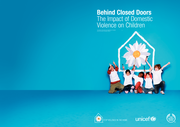
The report examines some of the underlying causes of domestic violence and the impact on children of being exposed to violence in the home.

This annual report outlines achievements and challenges of delivering these partnerships. NUDOR takes this opportunity to thank all organizations, individuals and decision makers who have supported NUDOR to contribute to the promotion, respect and realization of the rights of persons with disabiliti
...
es.
more

“Our children have the right to an education too”: Strategies Employed by Orange Farm Caregivers of Children with Disabilities in Pursuit of the Right to a Basic Education
Elphick, J., De SasKropiwnicki, Z. &Elphick, R.
Disability, CBR & Inclusive Development Journal (DCIDJ)
(2015)
CC
This paper aims to understand the agency that caregivers who participated in a CBR empowerment component programme exercised, in order to promote the rights of their children with disabilities to a basic education.

The report reflects on the trends, achievements and challenges in global health over the past decade during which Dr Margaret Chan has been Director-General of WHO. It discusses the role of WHO in dealing with such issues as the rise of noncommunicable diseases, leaps in life expectancy, and emergin
...
g threats like climate change and antimicrobial resistance.
more
more
CBM’s approach is based on the principles of the UN Convention on the Rights of Persons with Disabilities (CRPD) and on CBM’s responsibility to promote accessibility and the principles of universal design in all spheres of its work, including CBM’s digital content and communications. With this
...
toolkit, we want to provide a guide and practice resource to people working with and for CBM so that together we produce accessible digital content and communications, and place accessibility at the centre of our Information and Communication Technologies (ICT) procurement processes. The toolkit contains a selection of tools for producing accessible content in electronic documents, videos, figures and tools to ensure web accessibility. It also provides tools and information for accessible ICT procurement including tips and resources on how to communicate CBM’s accessibility requirements for products and services being purchased; and how to evaluate what providers promise and deliver.
more

This guide presents information about the 2030 Agenda, how it connects to the United Nations Convention on the Rights of Persons with Disabilities (UN CRPD) and explores ways for persons with disabilities to be influential and participate in how they are achieved.

L’objectif de ces Directives de sécurité pour les personnes atteintes d’albinisme est de fournir des conseils concrets et spécifiques aux personnes atteintes d’albinisme ainsi qu’à celles qui travaillent avec elles, pour leur permettre de rester en sécurité là où elles vivent. Ce doc
...
ument contient également des mesures faciles à mettre en œuvre pour la gestion d’un incident afin de rapidement mobiliser les ressources permettant de ramener une victime en lieu sûr.
more
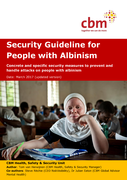
The objective of this Security Guideline for People with Albinism is to provide concrete and specific advice to people with albinism as well as those working with them, to remain safe within the context of where they live. It also provides easy to implement steps in handling an incident and swiftly
...
mobilize useful resources to try and return a victim back to safety.
more
CBM’s Child Safeguarding Policy is based on the UN Convention on the Rights of the Child, 1989 (and its optional protocols); the national child protection legislation of Germany as well as that of the CBM program
countries and the Keeping Children Safe Standards. This policy has been created beca
...
use respecting the dignity of all children and keeping them safe is a foundational principle of CBM’s work. For the purpose of this policy a child is anyone under the age of 18 years. CBM is committed to ensuring a safe environment for children through investing the necessary resources needed to apply the procedures contained in this policy.
more
La Politique de protection de l’enfance de CBM s’appuie sur la Convention des Nations unies relatives aux droits de l’enfant de 1989 (et sur ses protocoles facultatifs), sur la législation allemande en matière de protection de l’enfance, sur les législations nationales des pays dans lesqu
...
els CBM mène ses actions ainsi que sur les normes proposées par la coalition Keeping Children Safe. Nous avons développé cette politique parce que garantir le respect de la dignité de tous les enfants et assurer leur sécurité comptent parmi les principes fondamentaux du travail de CBM. Dans le cadre de cette politique, est considérée comme enfant toute personne âgée de moins de 18 ans. CBM s’engage à créer un environnement garantissant la sécurité des enfants. Pour ce faire, nous investissons dans les ressources nécessaires à l’application des procédures détaillées dans ce texte.
more
IAEA Safety Standards for protecting people and the environment

Delivering quality health services: A global imperative for universal health coverage
Kieny, Marie-Paule; Evans, Timothy Grant; Scarpetta, Stefano; Kelley, Edward T.; Klazinga, Niek; Forde, Ian; Veillard, Jeremy Henri Maurice; Leatherman, Sheila; Syed, Shamsuzzoha; Kim, Sun Mean; Nejad, Sepideh Bagheri; Donaldson, Liam
World Health Organization (WHO), Organisation for Economic Co-operation and Development (OECD), and The World Bank
(2018)
C_WHO
Poor quality health services are holding back progress on improving health in countries at all income levels.
Today, inaccurate diagnosis, medication errors, inappropriate or unnecessary treatment, inadequate or unsafe clinical facilities or practices, or providers who lack adequate training an ... d expertise prevail in all countries.
The situation is worst in low and middle-income countries where 10 percent of hospitalized patients can expect to acquire an infection during their stay, as compared to seven percent in high income countries. This is despite hospital acquired infections being easily avoided through better hygiene, improved infection control practices and appropriate use of antimicrobials.. At the same time, one in ten patients is harmed during medical treatment in high income countries. more
Today, inaccurate diagnosis, medication errors, inappropriate or unnecessary treatment, inadequate or unsafe clinical facilities or practices, or providers who lack adequate training an ... d expertise prevail in all countries.
The situation is worst in low and middle-income countries where 10 percent of hospitalized patients can expect to acquire an infection during their stay, as compared to seven percent in high income countries. This is despite hospital acquired infections being easily avoided through better hygiene, improved infection control practices and appropriate use of antimicrobials.. At the same time, one in ten patients is harmed during medical treatment in high income countries. more

2nd Generation HIV Surveillance in Pakistan, Round 5
