
Filter
5965
Text search:
standards
of
care
Featured
620
1649
Language
5601
215
139
112
80
54
46
28
11
10
10
9
9
8
7
7
7
7
6
6
6
5
5
5
5
5
5
4
4
4
4
3
3
3
3
3
3
3
3
3
3
3
2
2
2
2
2
2
2
2
2
2
1
1
1
1
1
1
1
1
1
1
1
Document type
3100
933
913
418
275
129
112
46
14
9
8
3
1
1
Countries
250
233
189
136
131
129
121
120
119
119
108
99
98
88
80
80
79
75
73
72
61
57
57
52
46
46
42
40
39
35
35
35
33
32
31
31
29
29
28
28
27
27
25
24
24
22
20
19
19
18
16
16
15
14
13
12
12
12
12
11
10
10
10
10
9
9
8
8
8
8
6
6
6
6
6
6
5
5
5
5
5
5
5
5
4
4
4
4
4
4
4
4
4
4
4
4
4
3
3
3
3
3
3
3
3
3
2
2
2
2
2
2
2
2
2
2
2
2
2
2
2
2
2
2
2
2
2
1
1
1
1
1
1
1
1
1
1
1
1
1
1
1
1
1
1
Authors & Publishers
868
255
156
154
150
130
101
98
71
49
39
38
32
30
29
27
26
25
25
24
24
23
23
23
22
21
21
21
20
20
20
20
20
20
20
19
19
19
19
17
16
16
16
15
14
14
14
13
13
13
13
13
13
13
12
12
12
12
12
12
11
11
11
11
11
11
11
11
11
11
11
11
11
10
10
10
10
10
10
10
10
10
10
10
10
9
9
9
9
9
9
9
9
9
9
9
8
8
8
8
8
8
8
8
8
8
8
8
8
7
7
7
7
7
7
7
7
7
7
7
7
7
7
7
7
7
7
7
7
6
6
6
6
6
6
6
6
6
6
6
6
6
6
6
6
6
5
5
5
5
5
5
5
5
5
5
5
5
5
5
5
5
5
5
5
5
5
5
5
5
5
5
5
5
5
5
5
5
5
5
5
5
4
4
4
4
4
4
4
4
4
4
4
4
4
4
4
4
4
4
4
4
4
4
4
4
4
4
4
4
4
4
4
4
4
4
4
4
4
4
4
4
4
4
4
4
4
4
4
4
4
4
4
4
4
4
4
4
4
4
4
4
4
4
4
4
4
4
4
4
4
4
4
4
4
4
4
4
4
4
3
3
3
3
3
3
3
3
3
3
3
3
3
3
3
3
3
3
3
3
3
3
3
3
3
3
3
3
3
3
3
3
3
3
3
3
3
3
3
3
3
3
3
3
3
3
3
3
3
3
3
3
3
3
3
3
3
3
3
3
3
3
3
3
3
3
3
3
3
3
3
3
3
3
3
3
3
3
3
3
3
3
3
3
3
3
3
3
3
3
3
3
3
3
3
3
3
3
3
3
3
3
3
3
3
3
3
3
3
3
3
2
2
2
2
2
2
2
2
2
2
2
2
2
2
2
2
2
2
2
2
2
2
2
2
2
2
2
2
2
2
2
2
2
2
2
2
2
2
2
2
2
2
2
2
2
2
2
2
2
2
2
2
2
2
2
2
2
2
2
2
2
2
2
2
2
2
2
2
2
2
2
2
2
2
2
2
2
2
2
2
2
2
2
2
2
2
2
2
2
2
2
2
2
2
2
2
2
2
2
2
2
2
2
2
2
2
2
2
2
2
2
2
2
2
2
2
2
2
2
2
2
2
2
2
2
2
2
2
2
2
2
2
2
2
2
2
2
2
2
2
2
2
2
2
2
2
2
2
2
2
2
2
2
2
2
2
2
2
2
2
2
2
2
2
2
2
2
2
2
2
2
2
2
2
2
2
2
2
2
2
2
2
2
2
2
2
2
2
2
2
2
2
2
2
2
2
2
2
2
2
2
2
2
2
2
2
2
2
2
2
2
2
2
2
2
2
2
2
2
2
2
2
2
2
2
2
2
2
2
2
2
2
2
2
2
2
2
2
2
2
2
2
2
2
2
2
2
2
2
2
2
2
2
2
2
2
2
2
2
2
2
2
2
2
2
2
2
2
2
2
2
2
2
2
2
2
2
2
2
2
2
2
2
2
2
1
1
1
1
1
1
1
1
1
1
1
1
1
1
1
1
1
1
1
1
1
1
1
1
1
1
1
1
1
1
1
1
1
1
1
1
1
1
1
1
1
1
1
1
1
1
1
1
1
1
1
1
1
1
1
1
1
1
1
1
1
1
1
1
1
1
1
1
1
1
1
1
1
1
1
1
1
1
1
1
1
1
1
1
1
1
1
1
1
1
1
1
1
1
1
1
1
1
1
1
1
1
1
1
1
1
1
1
1
1
1
1
1
1
1
1
1
1
1
1
1
1
1
1
1
1
1
1
1
1
1
1
1
1
1
1
1
1
1
1
1
1
1
1
1
1
1
1
1
1
1
1
1
1
1
1
1
1
1
1
1
1
1
1
1
1
1
1
1
1
1
1
1
1
1
1
1
1
1
1
1
1
1
1
1
1
1
1
1
1
1
1
1
1
1
1
1
1
1
1
1
1
1
1
1
1
1
1
1
1
1
1
1
1
1
1
1
1
1
1
1
1
1
1
1
1
1
1
1
1
1
1
1
1
1
1
1
1
1
1
1
1
1
1
1
1
1
1
1
1
1
1
1
1
1
1
1
1
1
1
1
1
1
1
1
1
1
1
1
1
1
1
1
1
1
1
1
1
1
1
1
1
1
1
1
1
1
1
1
1
1
1
1
1
1
1
1
1
1
1
1
1
1
1
1
1
1
1
1
1
1
1
1
1
1
1
1
1
1
1
1
1
1
1
1
1
1
1
1
1
1
1
1
1
1
1
1
1
1
1
1
1
1
1
1
1
1
1
1
1
1
1
1
1
1
1
1
1
1
1
1
1
1
1
1
1
1
1
1
1
1
1
1
1
1
1
1
1
1
1
1
1
1
1
1
1
1
1
1
1
1
1
1
1
1
1
1
1
1
1
1
1
1
1
1
1
1
1
1
1
1
1
1
1
1
1
1
1
1
1
1
1
1
1
1
1
1
1
1
1
1
1
1
1
1
1
1
1
1
1
1
1
1
1
1
1
1
1
1
1
1
1
1
1
1
1
1
1
1
1
1
1
1
1
1
1
1
1
1
1
1
1
1
1
1
1
1
1
1
1
1
1
1
1
1
1
1
1
1
1
1
1
1
1
1
1
1
1
1
1
1
1
1
1
1
1
1
1
1
1
1
1
1
1
1
1
1
1
1
1
1
1
1
1
1
1
1
1
1
1
1
1
1
1
1
1
1
1
1
1
1
1
1
1
1
1
1
1
1
1
1
1
1
1
1
1
1
1
1
1
1
1
1
1
1
1
1
1
1
1
1
1
1
1
1
1
1
1
1
1
1
1
1
1
1
1
1
1
1
1
1
1
1
1
1
1
1
1
1
1
1
1
1
1
1
1
1
1
1
1
1
1
1
1
1
1
1
1
1
1
1
1
1
1
1
1
1
1
1
1
1
1
1
1
1
1
1
1
1
1
1
1
1
1
1
1
1
1
1
1
1
1
1
1
1
1
1
1
1
1
1
1
1
1
1
1
1
1
1
1
1
1
1
1
1
1
1
1
1
1
1
1
1
1
1
1
1
1
1
1
1
1
1
1
1
1
1
1
1
1
1
1
1
1
1
1
1
1
1
1
1
1
1
1
1
1
1
1
1
1
1
1
1
1
1
1
1
1
1
1
1
1
1
1
1
1
1
1
1
1
1
1
1
1
1
1
1
1
1
1
1
1
1
1
1
1
1
1
1
1
1
1
1
1
1
1
1
1
1
1
1
1
1
1
1
1
1
1
1
1
1
1
1
1
1
1
1
1
1
1
1
1
1
1
1
1
1
1
1
1
1
1
1
1
1
1
1
1
1
1
1
1
1
1
1
1
1
1
1
1
1
1
1
1
1
1
1
1
1
1
1
1
1
1
1
1
1
1
1
1
1
1
1
1
1
1
1
1
1
1
1
1
1
1
1
1
1
1
1
1
1
1
1
1
1
1
1
1
1
1
1
1
1
1
1
1
1
1
1
1
1
1
1
1
1
1
1
1
1
1
1
1
1
1
1
1
1
1
1
1
1
1
1
1
1
1
1
1
1
1
1
1
1
1
1
1
1
1
1
1
1
1
1
1
1
1
1
1
1
1
1
1
1
1
1
1
1
1
1
1
1
1
1
1
1
1
1
1
1
1
1
1
1
1
1
1
1
1
1
1
1
1
1
1
1
1
1
1
1
1
1
1
1
1
1
1
1
1
1
1
1
1
1
1
1
1
1
1
1
1
1
1
1
1
1
1
1
1
1
1
1
1
1
1
1
1
1
1
1
1
1
1
1
1
1
1
1
1
1
1
1
1
1
1
1
1
1
1
1
1
1
1
1
1
1
1
1
1
1
1
1
1
1
1
1
1
1
1
1
1
1
1
1
1
1
1
1
1
1
1
1
1
1
1
1
1
1
1
1
1
1
1
1
1
1
1
1
1
1
1
1
1
1
1
1
1
1
1
1
1
1
1
1
1
1
1
1
1
1
1
1
1
1
1
1
1
1
1
1
1
1
1
1
1
1
1
1
1
1
1
1
1
1
1
1
1
1
1
1
1
1
1
1
1
1
1
1
1
1
1
1
1
1
1
1
1
1
1
1
1
1
1
1
1
1
1
1
1
1
1
1
1
1
1
1
1
1
1
1
1
1
1
1
1
1
1
1
1
1
1
1
1
1
1
1
1
1
1
1
1
1
1
1
1
1
1
1
1
1
1
1
1
1
1
1
1
1
1
1
1
1
1
1
1
1
1
1
1
1
1
1
1
1
1
1
1
1
1
1
1
1
1
1
1
1
1
1
1
1
1
1
1
1
1
1
1
1
1
1
1
1
1
1
1
1
1
1
1
1
1
1
1
1
1
1
1
1
1
1
1
1
1
1
1
1
1
1
1
1
1
1
1
1
1
1
1
1
1
1
1
1
1
1
1
1
1
1
1
1
1
1
1
1
1
1
1
1
1
1
1
1
1
1
1
1
1
1
1
1
1
1
1
1
1
1
1
1
1
1
1
1
1
1
1
1
1
1
1
1
1
1
1
1
1
1
1
1
1
1
1
1
1
1
1
1
1
1
1
1
1
1
1
1
1
1
1
1
1
1
1
1
1
1
1
1
1
1
1
1
1
1
1
1
1
1
1
1
1
1
1
1
1
1
1
1
1
1
1
1
1
1
1
1
1
1
1
1
1
1
1
1
1
1
1
1
1
1
1
1
1
1
1
1
1
1
1
1
1
1
1
1
1
1
1
1
1
1
1
1
1
1
1
1
1
1
1
1
1
1
1
1
1
1
1
1
1
1
1
1
1
1
1
1
1
1
1
1
1
1
1
1
1
1
1
1
1
1
1
1
1
1
1
1
1
1
1
1
1
1
1
1
1
1
1
1
1
1
1
1
1
1
1
1
1
1
1
1
1
1
1
1
1
1
1
1
1
1
1
1
1
1
1
1
1
1
1
1
1
1
1
1
1
1
1
1
1
1
1
1
1
1
1
1
1
1
1
1
1
1
1
1
1
1
1
1
1
1
1
1
1
1
1
1
1
1
1
1
1
1
1
1
1
1
1
1
1
1
1
1
1
1
1
1
1
1
1
1
1
1
1
1
1
1
1
1
1
1
1
1
1
1
1
1
1
1
1
1
1
1
1
1
1
1
1
1
1
1
1
1
1
1
1
1
1
1
1
1
1
1
1
1
1
1
1
1
1
1
1
1
1
1
1
1
1
1
1
1
1
1
1
1
1
1
1
1
1
1
1
1
1
1
1
1
1
1
1
1
1
1
1
1
1
1
1
1
1
1
1
1
1
1
1
1
1
1
1
1
1
1
1
1
1
1
1
1
1
1
1
1
1
1
1
1
1
1
1
1
1
1
1
1
1
1
1
1
1
1
1
1
1
1
1
1
1
1
1
1
1
1
1
1
1
1
1
1
1
1
1
1
1
1
1
1
1
1
1
1
1
1
1
1
1
1
1
1
1
1
1
1
1
1
1
1
1
1
1
1
1
1
1
1
1
1
1
1
1
1
1
1
1
1
1
1
1
1
1
1
1
1
1
1
1
1
1
1
1
1
1
1
1
1
1
1
1
1
1
1
1
1
1
1
1
1
1
1
1
1
1
1
1
1
1
1
1
1
1
1
1
1
1
1
1
1
1
1
1
1
1
1
1
1
1
1
1
1
1
1
1
1
1
1
1
1
1
1
1
1
1
1
1
1
1
1
1
1
1
1
1
1
1
1
1
1
1
1
1
1
1
1
1
1
1
1
1
1
1
1
1
1
1
1
1
1
1
1
1
1
1
1
1
1
1
1
1
1
1
1
1
1
1
1
1
1
1
1
1
1
1
1
1
1
1
1
1
1
1
1
1
1
1
1
1
1
1
1
1
1
1
1
1
1
1
1
1
1
1
1
1
1
1
1
1
1
1
1
1
1
1
1
1
1
1
1
1
1
1
1
1
1
1
1
1
1
1
1
1
1
1
1
1
1
1
1
1
1
1
1
1
1
1
1
1
1
1
1
1
1
1
1
1
1
1
1
1
1
1
1
1
1
1
1
1
1
1
1
1
1
1
1
1
1
1
1
1
1
1
1
1
1
1
1
1
1
1
1
1
1
1
1
1
1
1
1
1
1
1
1
1
1
1
1
1
1
1
1
1
1
1
1
1
1
1
1
1
1
1
1
1
1
1
1
1
1
1
1
1
1
1
1
1
1
1
1
1
1
1
1
1
1
1
1
1
1
1
1
1
1
1
1
1
1
1
1
1
1
1
1
1
1
1
1
1
1
1
1
1
1
1
1
1
1
1
1
1
1
1
1
1
1
1
1
1
1
1
1
1
1
1
1
1
1
1
1
1
1
1
1
1
1
1
1
1
1
1
1
1
1
1
1
1
1
1
1
1
1
1
1
1
1
1
1
1
1
1
1
1
1
1
1
1
1
1
1
1
1
1
1
1
1
1
1
1
1
1
1
1
1
1
1
1
1
1
1
1
1
1
1
1
1
1
1
1
1
1
1
1
1
1
1
1
1
1
1
1
1
1
1
1
1
1
1
1
1
1
1
1
1
1
1
1
1
1
1
1
1
1
1
1
1
1
1
1
1
1
1
1
1
1
1
1
1
1
1
1
1
1
1
1
1
1
1
1
1
1
1
1
1
1
1
1
1
1
1
1
1
1
1
1
1
1
1
1
1
1
1
1
1
1
1
1
1
1
1
1
1
1
1
1
1
1
1
1
1
1
1
1
1
1
1
1
1
1
1
1
1
1
1
1
1
1
1
1
1
1
1
1
1
1
1
1
1
1
1
1
1
1
1
1
1
1
1
1
1
1
1
1
1
1
1
1
1
1
1
1
1
1
1
1
1
1
1
1
1
1
1
1
1
1
1
1
1
1
1
1
1
1
1
1
1
1
1
1
1
1
1
1
1
1
1
1
1
1
1
1
1
1
1
1
1
1
1
1
1
1
1
1
1
1
1
1
1
1
1
1
1
1
1
1
1
1
1
1
1
1
1
1
1
1
1
1
1
1
1
1
1
1
1
1
1
1
1
1
1
1
1
1
1
1
1
1
1
1
1
1
1
1
1
1
1
1
1
1
1
1
1
1
1
1
1
1
1
1
1
1
1
1
1
1
1
1
1
1
1
1
1
1
1
1
1
1
1
1
1
1
1
1
1
1
1
1
1
1
1
1
1
1
1
1
1
1
1
1
1
1
1
1
1
1
1
1
1
1
1
1
1
1
1
1
1
1
1
1
1
1
1
1
1
1
1
1
1
1
1
1
1
1
1
1
1
1
1
1
1
1
1
1
1
1
1
1
1
1
1
1
1
1
1
1
1
1
1
1
1
1
1
1
1
1
1
1
1
1
1
1
1
1
1
1
1
1
1
1
1
1
1
1
1
1
1
1
1
1
1
1
1
1
1
1
1
1
1
1
1
1
1
1
1
1
1
1
1
1
1
1
1
1
1
1
1
1
1
1
1
1
1
1
1
1
1
1
1
1
1
1
1
1
1
1
1
1
1
1
1
1
1
1
1
1
1
1
1
1
1
1
1
1
1
1
1
1
1
1
1
1
1
1
1
1
1
1
1
1
1
1
1
1
1
1
1
1
1
1
1
1
1
1
1
1
1
1
1
1
1
1
1
1
1
1
1
1
1
1
1
1
1
1
1
1
1
1
1
1
1
1
1
1
1
1
1
1
1
1
1
1
1
1
1
1
1
1
1
1
1
1
1
1
1
1
1
1
1
1
1
1
1
1
1
1
1
1
1
1
1
1
1
1
1
1
1
1
1
1
1
1
1
1
1
1
1
1
1
1
1
1
1
1
1
1
1
1
1
1
1
1
1
1
1
1
1
1
1
1
1
1
1
1
1
1
1
1
1
1
1
1
1
1
1
1
1
1
1
1
1
1
1
1
1
1
1
1
1
1
1
1
1
1
1
1
1
1
1
1
1
1
1
1
1
1
1
1
1
1
1
1
1
1
1
1
1
1
1
1
1
1
1
1
1
1
1
1
1
1
1
1
1
1
1
1
1
1
1
1
1
1
1
1
1
1
1
1
1
1
1
1
1
1
1
1
1
1
1
1
1
1
1
1
1
1
1
1
1
1
1
1
1
1
1
1
1
1
1
1
1
1
1
1
1
1
1
1
1
1
1
1
1
1
1
1
1
1
1
1
1
1
1
1
1
1
1
1
1
1
1
1
1
1
1
1
1
1
1
1
1
1
1
1
1
1
1
1
1
1
1
1
1
1
1
1
1
1
1
1
1
1
1
1
1
1
1
1
1
1
1
1
1
1
1
1
1
1
1
1
1
1
1
1
1
1
1
1
1
1
1
1
1
1
1
1
1
1
1
1
1
1
1
1
1
1
1
1
1
1
1
1
1
1
1
1
1
1
1
1
1
1
1
1
1
1
1
1
1
1
1
1
1
1
1
1
1
1
1
1
1
1
1
1
1
1
1
1
1
1
1
1
1
1
1
1
1
1
1
1
1
1
1
1
1
1
1
1
1
1
1
1
1
1
1
1
1
1
1
1
1
1
1
1
1
1
1
1
1
1
1
1
1
1
1
1
1
1
1
1
1
1
1
1
1
1
1
1
1
1
1
1
1
1
1
1
1
1
1
1
1
1
1
1
1
1
1
1
1
1
1
1
1
1
1
1
1
1
1
1
1
1
1
1
1
1
1
1
1
1
1
1
1
1
1
1
1
1
1
1
1
1
1
1
1
1
1
1
1
1
1
1
1
1
1
1
1
1
1
1
1
1
1
1
1
1
1
1
1
1
1
1
1
1
1
1
1
1
1
1
1
1
1
1
1
1
1
1
1
1
1
1
1
1
1
1
1
1
1
1
1
1
1
1
1
1
1
1
1
1
1
1
1
1
1
1
1
1
1
1
1
1
1
1
1
1
1
1
1
1
1
1
1
1
1
1
1
1
1
1
1
1
1
1
1
1
1
1
1
1
1
1
1
1
1
1
1
1
1
1
1
1
1
1
1
1
1
1
1
1
1
1
1
1
1
1
1
1
1
1
1
1
1
1
1
1
1
1
1
1
1
1
1
1
1
1
1
1
1
1
1
1
1
1
1
1
1
1
1
1
1
1
1
1
1
1
1
1
1
1
1
1
1
1
1
1
1
1
1
1
1
1
1
1
1
1
1
1
1
1
1
1
1
1
1
1
1
1
1
1
1
1
1
1
1
1
1
1
1
1
1
1
1
1
1
1
1
1
1
1
1
1
1
1
1
1
1
1
1
1
1
1
1
1
1
1
1
1
1
1
1
1
1
1
1
1
1
1
1
1
1
1
1
1
1
1
1
1
1
1
1
1
1
1
1
1
1
1
1
1
1
1
1
1
1
1
1
1
1
1
1
1
1
1
1
Publication Years
1758
3616
556
32
3
Category
2308
493
424
409
307
116
82
2
Toolboxes
448
426
297
278
247
219
218
171
170
168
146
145
141
113
91
91
89
88
53
48
45
36
33
29
28
4

This updated Comprehensive Mental Health Action Plan 2013-2030 builds upon its predecessor and sets out clear actions for Member States, the WHO Secretariat and international, regional and national partners to promote mental health and well-being for all, to prevent mental health conditions for thos
...
e at-risk and to achieve universal coverage for mental health services. While the updated action plan includes new and updated indicators and implementation options, the original four major objectives remain unchanged: more effective leadership and governance for mental health; the provision of comprehensive, integrated mental health and social care services in community-based settings; implementation of strategies for promotion and prevention; and strengthened information systems, evidence and research.
In English, French, Spanish, Arabic and Russian available
more
Neonatal mortality is a major challenge in reducing child mortality rates in Nepal. Despite efforts by the Government of Nepal, data from the last three demographic and health surveys show a rise in the contribution
...
of neonatal deaths to infant and child mortality. The Government of Nepal has implemented community-based programs that were piloted and then scaled up based on lessons learned. These programs include, but are not limited to ensuring safe motherhood, birth preparedness package, community-based newborn care package, and integrated management of childhood illnesses. Despite the implementation of such programs on a larger scale, their effective coverage is yet to be achieved. Health system challenges included an inadequate policy environment, funding gaps, inadequate procurement, and insufficient supplies of commodities, while human resource management has been found to be impeding service delivery. Such bottlenecks at policy, institutional and service delivery level need to be addressed incorporating health information in decision-making as well as working in partnership with communities to facilitate the utilization of available services.
more

2nd edition. The 2018 Roadmap incorporates an additional critical population: adolescents. Despite making up 1 in 6 of the world’s people, adolescents have been largely overlooked as global momentum to address TB has grown. Spanning the ages
...
of 10–19 years, adolescents are both at risk of TB and represent an important population for TB control. They often present with infectious TB and frequently have multiple contacts in congregate settings, such as schools and other educational institutions. Nevertheless, few countries capture TB data in suitably age-disaggregated ways to allow full understanding of its impact in this group and even fewer provide the adolescent-friendly services our young people need to access diagnosis and care.
more
This new guideline on non-clinical interventions to reduce unnecessary caesarean sections incorporates the views, fears and beliefs of both women and health professionals about caesarean sections. It also considers the complex dynamics and limitatio
...
ns of health systems and organizations and relationships between women, health professionals and organization of health care services.
more

The revised guidelines contain recommendations for specific administrative, environmental controls and respiratory protection, following the assessment made by an external group of experts convened as members
...
of the Guideline Development Group. Moreover, these guidelines focus on interventions specific to preventing transmission of Mycobacterium tuberculosis bridging with the core components of infection prevention and control programmes at the national and acute health care facility level
more
Interium guidance, 25 June 2021Timely and accurate diagnostic testing is an essential tool in preventing and controlling the spread of COVID-19. This document describes recommendations for national testing strategies and the use
...
of PCR and rapid antigen tests in different transmission scenarios of the COVID-19 outbreak, including how testing might be rationalized in low resource settings. All testing should be followed by a strong public health response including isolating those who test positive and providing them care, contact tracing and quarantine of contacts.
more

Every year, nearly 250 million people move across borders temporarily or permanently for a job opportunity, studying, to flee a crisis back home, or for other reasons. Another 750 million move for similar reasons within the borders of their countrie
...
s. With the understanding that human mobility affects public health, and health affects human mobility and migrants, for decades, IOM has been providing critical health services to women, children and men on the move, while standing by governments for technical and operational support as needed. In 2019, in lower-income settings and in complex emergencies, along the world’s most perilous migration routes, in the aftermath of natural disasters or in response to disease outbreaks, IOM’s health teams have provided hundreds of thousands with primary health-care consultations, mental health and psychosocial support, sexual and reproductive health care, pre-migration health services, and much more.
This year, more than ever before, as the world reels from the socioeconomic impact of COVID-19, we have experienced that health is a cross-cutting component of overall human development and well-being.
more
This thematic brief accompanies the Working for Health 2022–2030 Action Plan, serving as a rationale to the related actions of the Working for Health progression model (see Annex). The brief aims to inform Member States, non-state actors and othe
...
r users of the Action Plan to guide action on investments on strengthening protection and performance of the health and care workforce, including the relevant policy landscape, key challenges and future directions.
In doing so, it provides an expanded exploration of the themes beyond what is provided in the Action Plan itself and reflects the topical issues and considerations that shaped its design, including those issues identified in the World Health Assembly Resolution WHA74.14 to protect, safeguard and invest in the health and care workforce (1). The importance of these themes was again emphasized at the Seventy-fifth World Health Assembly, when Resolution WHA75.17: Human resources for health was co-sponsored by over 100 Member States, calling for the adoption and implementation of the Working for Health 2022–2030 Action Plan and utilization of the related Global Health and Care Worker Compact
more

This thematic brief accompanies the Working for Health 2022–2030 Action Plan, serving as a background and rationale to the related actions of the Working for Health progression model (see Annex). The brief aims to inform Member States, nonstate a
...
ctors and other users of the Action Plan on the context of health and care workforce education and employment, including the relevant policy landscape, key challenges and future directions.
In doing so, it provides an expanded exploration of the themes beyond what is provided in the Action Plan itself and reflects the topical issues and considerations that shaped its design, including those issues identified in the Seventy-fourth World Health Assembly Resolution WHA74.14 to protect, safeguard and invest in the health and care workforce. The importance of these themes was again emphasized at the Seventy-fifth World Health Assembly, when Resolution WHA75.17: Human resources for health was co-sponsored by over 100 Member States, calling for the adoption and implementation of the Working for Health 2022–2030 Action Plan and utilization of the related Global Health and Care Worker Compact.
more

In the last decade, Timor-Leste has made remarkable progress in strengthening its health system and improving the health status of its population. This has resulted in an increased life expectancy, and the achievement
...
of Millennium Development Goals such as a reduction in infant and under-five mortality, an improvement in maternal and child health outcomes, and an increase in immunization coverage. Further, the country has successfully eliminated infectious diseases such as polio, measles, and maternal and neonatal tetanus. There is full political commitment to reducing the incidence of tuberculosis (TB) by 80% and the number of deaths due to TB by 90% by 2030. The country has made great progress in the context of the pandemic, having established numerous quarantine facilities/isolation centres; trained health-care workers; streamlined the procurement and supply of medicines, consumables, personal protective equipment and other equipment; and strengthened the capacity in critical care across secondary and tertiary health care, to better respond to future pandemics and other disaster situations.
more

Ebola disease and Marburg disease outbreaks continue to occur in Africa, with increased frequency. In addition to resulting in high mortality and morbidity, the outbreaks generate fear and mistrust about the response activities within the communities affected.
Infection prevention and control (IP
...
C) is a key pillar in the outbreak response; adherence to IPC practices can prevent and control transmission of infections to health and care workers, patients and their family members.
During the 2014-2016 West African Ebola disease outbreak, there was an urgent need for rapid IPC guidance to help support ministries of health, health-care providers and non-governmental organizations (NGOs). In response, WHO produced several documents related to the outbreak based on expert opinion, including IPC-specific documents and documents on clinical management that also referenced key IPC principles and practices. Since that time, many practices in the field have become institutionalized.
more

This document presents the World Health Organization Operational framework for building climate resilient and low carbon health systems*. ***The framework's goal is to increase the climate resilience of health systems to protect and improve the heal
...
th of communities in an unstable and changing climate, while optimizing the use of resources and implementing strategies to reduce GHG emissions. It aims to contribute to the design of transformative health systems that can provide safe and quality care in a changing climate.
Implementation of the framework's ten components would help health organizations, authorities, and programmes to be better able to anticipate, prevent, prepare for, and manage climate-related health risks and therefore decrease the burden of associated climate-sensitive health outcomes. Implementing low carbon health practices would contribute to climate change mitigation while also improving health outcomes. Achieving these aims is an important contribution to universal health coverage (UHC), global health security, and specific targets within the Sustainable Development Goals (SDGs). The document is a useful resource for decision-makers in health systems, including public health agencies, and other specialized institutions, and for decision-makers in health-determining sectors.
more

The 2022 report reviews the global malaria diagnostics market and technological landscape to support Unitaid’s 2023–2027 strategy for quality malaria case management. The report highlights the stalled progress of malaria control efforts, the gap
...
s in access to diagnostics and the public health implications of P. falciparum HRP2/3 gene deletions, which compromise the accuracy of the widely used HRP2-detecting rapid diagnostic tests (RDTs). The report analyses the malaria RDT market, noting supplier diversification, price trends and production shifts resulting from the pandemic. It also addresses the emerging point-of-care G6PD testing market, which is required to ensure the safe radical cure of P. vivax infections. It surveys technological innovation, including digital microscopy, hemozoin tests, nucleic acid detection and biosensors, while emphasising that RDTs and microscopy will remain the mainstay of case management in the near term. The report identifies market shortcomings, access barriers and opportunities to improve malaria case management and diagnostic coverage.
more

This document consolidates, for the first time, WHO recommendations on the prevention, testing, treatment and monitoring of hepatitis B and C, and includes testing strategies for hepatitis D. Drawing on a decade
...
of evidence-based guidance issued between 2015 and 2025, it provides a single, practical handbook to support global progress toward eliminating viral hepatitis by 2030.
The document also highlights simplified service delivery models that promote decentralization, integration with primary care and related programmes such as HIV and tuberculosis, as well as task sharing and differentiated care to expand access and improve efficiency. It further underscores the need for robust data and monitoring systems to support effective programme implementation.
more
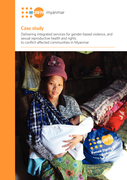
Women and girls have specific needs that are often ignored during crisis. While on the run or while living in shelters, women and girls continue to become pregnant, but they often lack access to basic sexual and reproduc-tive health care. Without as
...
sistance by midwifes or access to contraceptives, women and girls are at increased risk of unsafe sex, unwanted pregnancy and unsafe delivery, and are at a higher risk of infection by HIV and other sexually transmitted infections. In addition, displaced women have virtually no access to protection, security, justice, and other services related to gender-based violence (GBV). For these reasons, the delivery of sexual and reproduc-tive health and rights (SRHR) as well as GBV services to conflict-affected communities – most of whom are living in protracted displacement – is a key part of UNFPA’s Women and Girls First Programme (WGF). The initia-tive is a commitment to prevent and respond to violence perpetrated against women and girls in Myanmar, and to realize their sexual and reproductive health and rights.
more

Antibiotics and other antimicrobial agents are invaluable life savers, particularly in resource-limited countries where infectious diseases are abundant. Both uncomplicated and severe infections are potentially curable as long as the aetiological agents are susceptible to the
...
antimicrobial drugs. The rapid rate with which antimicrobial agents are becoming ineffective due to resistance acquired as a result of unchecked overuse and misuse threatens to undo the benefit of controlling infections. The evidence for resistant microorganisms, many times to more than a single antimicrobial agent, has been observed globally. In Tanzania, there is evidence in the form of few scattered studies conducted in different parts of the country in a multitude of settings including health care facilities, the community, domesticated animals and wild animals
more
Prevention, early diagnosis, and effective treatment are essential for the control and elimination of Neisseria gonorrhoeae as a public health problem. Currently, in Latin America and the Caribbean, treatment for gonorrhea infection is largely empir
...
ic and based on clinical diagnosis. In the Americas, the high burden of new N. gonorrhoeae infections (estimated at 11 million new cases a year), the complexity of the disease epidemiology, and in many countries the limited resources, make it difficult to fully understand the burden of disease and the burden of antimicrobial resistance (AMR) in N. gonorrhoeae.
PAHO has developed this document to facilitate the navigation of available guidance and recommendations for N. gonorrhoeae AMR surveillance by public health and health care professionals, at the national and subnational levels, involved in designing, implementing, and/or strengthening AMR surveillance of N. gonorrhoeae and overall surveillance of sexually transmitted infections.
more

UNHCR’s Public Health Strategy 2021-2025 is based on the lessons learnt, and builds on the achievements, of the Global Strategy for Public Health 2014-2018.
Progress was made on policies favouring inclusion and integration into national systems3
...
with 92% of 48 operations surveyed reporting refugees having access to national primary health care facilities under the same conditions as nationals and 96% reporting refugees having access to all relevant vaccines under the same conditions as nationals. While many refugee hosting countries have policies that allow refugees to access national health services, many face partial access, prohibitive out-of-pocket expenditures and other barriers including distance to facilities, language and provider acceptance. Furthermore, more work is needed on strengthening these systems to be able to meet the needs of both host communities and refugees.
more
This thematic brief accompanies the Working for Health 2022–2030 Action Plan, providing a rationale for the related actions of the Working for Health progression model (see Annex). This brief aims to inform Member States, non-state actors and ot
...
her stakeholders vested in implementing the Action Plan to consider the context of planning and financing for the health and care workforce, including the relevant policy landscape, key challenges and future directions.
In doing so, it provides an expanded exploration of the themes beyond what is provided in the Action Plan Itself, and reflects the topical issues and considerations that shaped its design, including those issues identified in the World Health Assembly Resolution WHA74.14 to protect, safeguard and invest in the health and care workforce. The importance of these themes was again emphasized at the Seventy-fifth WHA, when Resolution WHA75.17: Human resources for health, was co-sponsored by over 100 Member States, calling for the adoption and implementation of the Working for Health 2022–2030 Action Plan and utilization of the related Global Health and Care Worker Compact.
more
The 2019-2023 Strategy for UNU-IIGH, developed in
2018, built on UNU-IIGH’s strategic advantage and
position vis-à-vis the UN and global health ecosystem.
The Strategy set a goal to advance evidencebased policy on key issues related to sustainable
development and health and shifted the Instit
...
ute’s
body of work from investigator-driven global health
projects to three priority-driven, policy-relevant pillars
of work, each reflecting UNU-IIGH’s unique value
position.
When the COVID-19 pandemic hit in 2020, the
Institute adapted and reprioritised its areas of work
while continuing to deliver on the main strategic
objectives of translating evidence to policy, generating
policy-relevant analyses on gender and health, and
strengthening capacity for local decision making
especially in the Global South.
The new strategic plan encompasses four work packages:
1. Gender Equality and Intersectionality: through this work, we will aim to improve the quality of health care through a human-centred approach, by ensuring the health system is responsive to the needs of structurally excluded individuals and communities; and by advancing a positive and enabling environment for the frontline health workforce—e.g. addressing the experience of gender-based violence.
2. Power and Accountability: through this work, we will catalyse equitable shifts in power and address key accountability deficits that prevent the equitable and effective functioning of the global health system and prevent adequate responsiveness to the needs of states and populations in the Global South.
3. Digital Health Governance: through this work, we will address the colonial legacies and power asymmetries that negatively impact robust digital health governance, identify ways to strengthen health data governance with a particular focus on SRHR and promote diversity in technology design and development.
4. Climate Justice and Determinants of Health: through this work we will leverage UNU-IIGH's position within the UN and network of UNU institutes, network experts, practitioners, policy-makers, and academics to advance evidence-based policy on the different dimensions of the climate emergency and its impact on health.
more
