
Filter
3026
Text search:
health
sector
annual
report
Featured
194
984
Language
2966
53
48
27
21
15
15
7
6
3
2
2
2
2
2
1
1
1
1
1
1
1
1
1
1
1
1
1
Document type
1736
656
251
178
116
28
28
22
7
1
1
1
Countries
170
147
125
111
96
93
76
73
71
67
67
66
61
60
58
53
50
49
42
38
38
34
33
29
28
28
26
23
22
22
21
20
19
17
17
16
16
16
16
15
14
14
14
13
11
11
11
10
10
8
8
8
8
8
7
7
7
7
7
7
7
7
6
6
5
5
5
5
5
4
4
4
4
4
3
3
3
3
3
3
3
3
3
3
3
3
2
2
2
2
2
2
2
2
2
2
2
2
2
2
1
1
1
1
1
1
1
1
1
1
1
1
1
1
1
1
1
1
1
1
1
1
1
1
1
1
1
1
1
1
1
1
1
Authors & Publishers
309
83
80
79
63
53
53
42
24
23
21
20
19
18
18
16
16
14
14
14
14
13
13
13
13
13
13
12
12
12
11
11
11
11
11
10
10
10
10
10
10
9
9
9
9
8
8
8
8
8
8
8
8
8
7
7
7
7
7
7
6
6
6
6
6
6
6
6
6
6
6
6
6
5
5
5
5
5
5
5
5
5
5
5
5
5
5
5
5
5
5
5
5
5
5
4
4
4
4
4
4
4
4
4
4
4
4
4
4
4
4
4
4
4
4
4
4
4
4
4
4
4
4
4
4
4
3
3
3
3
3
3
3
3
3
3
3
3
3
3
3
3
3
3
3
3
3
3
3
3
3
3
3
3
3
3
3
3
3
3
3
3
3
3
3
3
3
3
3
3
3
3
3
3
3
3
3
3
3
3
3
3
3
3
3
3
3
3
3
3
3
3
2
2
2
2
2
2
2
2
2
2
2
2
2
2
2
2
2
2
2
2
2
2
2
2
2
2
2
2
2
2
2
2
2
2
2
2
2
2
2
2
2
2
2
2
2
2
2
2
2
2
2
2
2
2
2
2
2
2
2
2
2
2
2
2
2
2
2
2
2
2
2
2
2
2
2
2
2
2
2
2
2
2
2
2
2
2
2
2
2
2
2
2
2
2
2
2
2
2
2
2
2
2
2
2
2
2
2
2
2
2
2
2
2
2
2
2
2
2
2
2
2
2
2
2
2
2
2
2
2
2
2
2
2
2
2
2
2
2
2
2
2
2
2
2
2
2
2
2
2
2
2
2
2
2
2
2
2
2
2
2
2
2
2
2
2
2
2
2
2
2
2
2
2
2
2
2
2
2
2
2
2
2
1
1
1
1
1
1
1
1
1
1
1
1
1
1
1
1
1
1
1
1
1
1
1
1
1
1
1
1
1
1
1
1
1
1
1
1
1
1
1
1
1
1
1
1
1
1
1
1
1
1
1
1
1
1
1
1
1
1
1
1
1
1
1
1
1
1
1
1
1
1
1
1
1
1
1
1
1
1
1
1
1
1
1
1
1
1
1
1
1
1
1
1
1
1
1
1
1
1
1
1
1
1
1
1
1
1
1
1
1
1
1
1
1
1
1
1
1
1
1
1
1
1
1
1
1
1
1
1
1
1
1
1
1
1
1
1
1
1
1
1
1
1
1
1
1
1
1
1
1
1
1
1
1
1
1
1
1
1
1
1
1
1
1
1
1
1
1
1
1
1
1
1
1
1
1
1
1
1
1
1
1
1
1
1
1
1
1
1
1
1
1
1
1
1
1
1
1
1
1
1
1
1
1
1
1
1
1
1
1
1
1
1
1
1
1
1
1
1
1
1
1
1
1
1
1
1
1
1
1
1
1
1
1
1
1
1
1
1
1
1
1
1
1
1
1
1
1
1
1
1
1
1
1
1
1
1
1
1
1
1
1
1
1
1
1
1
1
1
1
1
1
1
1
1
1
1
1
1
1
1
1
1
1
1
1
1
1
1
1
1
1
1
1
1
1
1
1
1
1
1
1
1
1
1
1
1
1
1
1
1
1
1
1
1
1
1
1
1
1
1
1
1
1
1
1
1
1
1
1
1
1
1
1
1
1
1
1
1
1
1
1
1
1
1
1
1
1
1
1
1
1
1
1
1
1
1
1
1
1
1
1
1
1
1
1
1
1
1
1
1
1
1
1
1
1
1
1
1
1
1
1
1
1
1
1
1
1
1
1
1
1
1
1
1
1
1
1
1
1
1
1
1
1
1
1
1
1
1
1
1
1
1
1
1
1
1
1
1
1
1
1
1
1
1
1
1
1
1
1
1
1
1
1
1
1
1
1
1
1
1
1
1
1
1
1
1
1
1
1
1
1
1
1
1
1
1
1
1
1
1
1
1
1
1
1
1
1
1
1
1
1
1
1
1
1
1
1
1
1
1
1
1
1
1
1
1
1
1
1
1
1
1
1
1
1
1
1
1
1
1
1
1
1
1
1
1
1
1
1
1
1
1
1
1
1
1
1
1
1
1
1
1
1
1
1
1
1
1
1
1
1
1
1
1
1
1
1
1
1
1
1
1
1
1
1
1
1
1
1
1
1
1
1
1
1
1
1
1
1
1
1
1
1
1
1
1
1
1
1
1
1
1
1
1
1
1
1
1
1
1
1
1
1
1
1
1
1
1
1
1
1
1
1
1
1
1
1
1
1
1
1
1
1
1
1
1
1
1
1
1
1
1
1
1
1
1
1
1
1
1
1
1
1
1
1
1
1
1
1
1
1
1
1
1
1
1
1
1
1
1
1
1
1
1
1
1
1
1
1
1
1
1
1
1
1
1
1
1
1
1
1
1
1
1
1
1
1
1
1
1
1
1
1
1
1
1
1
1
1
1
1
1
1
1
1
1
1
1
1
1
1
1
1
1
1
1
1
1
1
1
1
1
1
1
1
1
1
1
1
1
1
1
1
1
1
1
1
1
1
1
1
1
1
1
1
1
1
1
1
1
1
1
1
1
1
1
1
1
1
1
1
1
1
1
1
1
1
1
1
1
1
1
1
1
1
1
1
1
1
1
1
1
1
1
1
1
1
1
1
1
1
1
1
1
1
1
1
1
1
1
1
1
1
1
1
1
1
1
1
1
1
1
1
1
1
1
1
1
1
1
1
1
1
1
1
1
1
1
1
1
1
1
1
1
1
1
1
1
1
1
1
1
1
1
1
1
1
1
1
1
1
1
1
1
1
1
1
1
1
1
1
1
1
1
1
1
1
1
1
1
1
1
1
1
1
1
1
1
1
1
1
1
1
1
1
1
1
1
1
1
1
1
1
1
1
1
1
1
1
1
1
1
1
1
1
1
1
1
1
1
1
1
1
1
1
1
1
1
1
1
1
1
1
1
1
1
1
1
1
1
1
1
1
1
1
1
1
1
1
1
1
1
1
1
1
1
1
1
1
1
1
1
1
1
1
1
1
1
1
1
1
1
1
1
1
1
1
1
1
1
1
1
1
1
1
1
1
1
1
1
1
1
1
1
1
1
1
1
1
1
1
1
1
1
1
1
1
1
1
1
1
1
1
1
1
1
1
1
1
1
1
1
1
1
1
1
1
1
1
1
1
1
1
1
1
1
1
1
1
1
1
1
1
1
1
1
1
1
1
1
1
1
1
1
1
1
1
1
1
1
1
1
1
1
1
1
1
1
1
1
1
1
1
1
1
1
1
1
1
1
1
1
1
1
1
1
1
1
1
1
1
1
1
1
1
1
1
1
1
1
1
1
1
1
1
1
1
1
1
1
1
1
1
1
1
1
1
1
1
1
1
1
1
1
1
1
1
1
1
1
1
1
1
1
1
1
1
1
1
1
1
1
1
1
1
1
1
1
1
1
1
1
1
1
1
1
1
1
1
1
1
1
1
1
1
1
1
1
1
1
1
1
1
1
1
1
1
1
1
1
1
1
1
1
1
1
1
1
1
1
1
1
1
1
1
1
1
1
1
1
1
1
1
1
1
1
1
1
1
1
1
1
1
1
1
1
1
1
1
1
1
1
1
1
1
1
1
1
1
1
1
1
1
1
1
1
1
1
1
1
1
1
1
1
1
1
1
1
1
1
1
1
1
1
1
1
1
1
1
1
1
1
1
1
1
1
1
1
1
1
1
1
1
1
1
1
1
1
1
1
1
1
1
1
1
1
1
1
1
1
1
1
1
1
1
1
1
1
1
1
1
1
1
1
1
1
1
1
1
1
1
1
1
1
1
1
1
1
1
1
1
1
1
1
1
1
1
1
1
1
1
1
1
1
1
1
1
1
1
1
1
1
1
1
1
1
1
1
1
1
1
1
1
1
1
1
1
1
1
1
1
1
1
1
1
1
1
1
1
1
1
1
1
1
1
1
1
1
1
1
1
1
1
1
1
1
1
1
1
1
1
1
1
1
1
1
1
1
1
1
1
1
1
1
1
1
1
1
1
1
1
1
1
1
1
1
1
1
1
1
1
1
1
1
1
1
1
1
1
1
1
1
1
1
1
1
1
1
1
1
1
1
1
1
1
1
1
1
1
1
1
1
1
1
1
1
1
1
1
1
1
1
1
1
1
1
1
1
1
1
1
1
1
1
1
1
1
1
1
1
1
1
1
1
1
1
1
1
1
1
1
1
1
1
1
1
1
1
1
1
1
1
1
1
1
1
1
1
1
1
1
1
1
1
1
1
1
1
1
1
1
1
1
1
1
1
1
1
1
1
1
1
1
1
1
1
1
1
1
1
1
1
1
1
1
1
1
1
1
1
1
1
1
1
1
1
1
1
1
1
1
1
1
1
1
1
1
1
1
1
1
1
1
1
1
1
1
1
1
1
1
1
1
1
1
1
1
1
1
1
1
1
1
1
1
1
1
1
1
1
1
1
1
1
1
1
1
1
1
1
1
1
1
1
1
1
1
1
1
1
1
1
1
1
1
1
1
1
1
1
1
1
1
1
1
1
1
1
1
1
1
1
1
1
1
1
1
1
1
1
1
1
1
1
1
1
1
1
1
1
1
1
1
1
1
1
1
1
1
1
1
1
1
1
1
1
1
1
1
1
1
1
1
1
1
1
1
1
1
1
1
1
1
1
1
1
1
1
1
1
1
1
1
1
1
1
1
1
1
1
1
1
1
1
1
1
1
1
1
1
1
1
1
1
1
1
1
1
1
1
1
1
1
1
1
1
1
1
1
1
1
1
1
1
1
1
1
1
1
1
1
1
1
1
1
1
1
1
1
1
1
1
1
1
1
1
1
1
1
1
1
1
1
1
1
1
1
1
1
1
1
1
1
1
1
1
1
1
1
1
1
1
1
1
1
1
1
1
1
1
1
1
1
1
1
1
1
1
1
1
1
1
1
1
1
1
1
1
1
1
1
1
1
1
1
1
1
1
1
1
1
1
1
1
1
1
1
1
1
1
1
1
1
1
1
1
1
1
1
1
1
1
1
1
1
1
1
1
1
1
1
1
1
1
1
1
1
1
1
1
1
1
1
1
1
1
1
1
1
1
1
1
1
1
1
1
1
1
1
1
1
1
1
1
1
1
1
1
1
1
1
1
1
1
1
1
1
1
1
1
1
1
1
1
1
1
1
1
1
1
1
1
1
1
1
1
1
1
1
1
1
1
1
1
1
1
1
1
1
1
1
1
1
1
1
1
1
1
1
1
1
1
1
1
1
1
1
1
1
1
1
1
1
1
1
1
1
1
1
1
1
1
1
1
1
1
1
1
1
1
1
1
1
1
1
1
1
1
1
1
1
1
1
1
1
1
1
1
1
1
1
1
1
1
1
1
1
1
1
1
1
1
1
1
1
1
1
1
1
1
1
1
1
1
1
1
1
1
1
1
1
1
1
1
1
1
1
1
1
1
1
1
1
1
1
1
1
1
1
1
1
1
1
1
1
1
1
1
1
1
1
1
1
1
1
1
1
1
1
1
1
1
1
1
1
1
1
1
1
1
1
1
1
1
1
1
1
1
1
1
1
1
1
1
1
1
1
1
1
1
1
1
1
1
1
1
1
1
1
1
1
1
1
1
1
1
1
1
1
1
1
1
1
1
1
1
1
1
1
1
1
1
1
1
1
1
1
1
1
1
1
1
1
1
1
1
1
1
1
1
1
1
1
1
1
1
1
1
1
1
1
1
1
Publication Years
798
1970
247
11
Category
1579
189
160
99
93
23
13
3
Toolboxes
187
148
144
131
112
104
102
77
76
73
52
52
50
47
45
42
39
32
31
28
14
12
6
4
3
2
2

Stronger collaboration, better health: global action plan for healthy lives and well-being for all
recommended
The overall objective of the Global Action Plan is to enhance collaboration among 12 global organizations engaged in health, development and humanitarian responses to accelerate country progress on the hea
...
lth-related SDG targets. The Plan presents a new approach to strengthening collaboration among and joint action by the organizations, building on an initial joint commitment made in October 2018. The Plan is primarily intended to be strategic but provides some operational detail to guide implementation while also allowing flexibility for adjustment based on regular reviews of progress and learning from experience. Although the purpose of the Global Action Plan is not to provide or seek additional resources, the Plan will enable better use of existing resources as a result of improved collaboration, recognizing that each agency has its own unique mandate and area of expertise.
more

In 2015, 5.9 million children under age five died (1). The major causes of child deaths globally are pneumonia, prematurity, intrapartum-related complications, neonatal sepsis, congenital anomalies, diarrhoea, injuries and malaria (2). Most of these diseases and conditions are at least partially cau
...
sed by the environment. It was estimated in 2012 that 26% of childhood deaths and 25% of the total disease burden in children under five could be prevented through the reduction of environmental risks such as air pollution, unsafe water, sanitation and inadequate hygiene or chemicals.
more

Access to safe, effective and quality-assured health products and technologies is crucial for achieving universal health coverage and primary health
...
care goals. The continued growth of the aging population; increasing burden of noncommunicable diseases; growing burden of mental health issues; climate change; shifting patterns of vector borne diseases, fungal disease and waterborne diseases; antimicrobial resistance; and new infectious hazards create an ongoing need for equitable access to safe, effective and quality-assured health products and technologies, and renewed investments in research and development for innovative health products and technologies.
The coronavirus pandemic exposed the inequalities in access to health products, highlighting the need for longer-term strategies to strengthen access to health products and technologies outside of and in emergency situations. While technological and scientific advances present an opportunity to increase access to health products and technologies, the risk of increasing inequality due to higher prices for new health products and technologies; the persisting problem of substandard and falsified medical products; a lack of skilled workforce in many low- and middle-income countries; and a lack of data for decisionmaking and for measuring progress present significant challenges.
more

BMC Health Services Research 2012, 12:352
http://www.biomedcentral.com/1472-6963/12/352
A public health emergency operation center (PHEOC) serves as a hub for better coordinating the preparation, response, and recovery for public health emergencies. A functional PHEOC is critical for t
...
he implementation of the International Health Regulations (IHR 2005). The Framework for a Public Health Emergency Operations Centre provides high-level guidance for establishing or strengthening a PHEOC. To establish and/or strengthen a PHEOC, it is vital for Member States to align with standardized policies, guidelines, and tools.
more

Nurses play a key role in the provision of primary health care (PHC) and the coordination and organization of medical care overall. Nurses are often the first point of contact with the health
...
system and have an important role to play in leaving no one behind.
Large-scale reform of PHC in Ukraine started in 2018, and evolving and expanding practices have led to new challenges for both medical facilities and staff. It has become critically important to initiate new practices in the organization of the nursing profession, to adapt and increase their competencies, invest in skills development and create more nursing posts.
more

The National Strategic Plan is based on the following guiding principles:
1) Life-course approach: adolescence is a key decade in the course of life that influences the health outcomes later in life.
2) Comprehensive approach: It recogniz ... es the cross cutting health and development needs of young people such as intentional and unintentional injuries and violence, SRH, HIV/AIDS, mental health, substance use, violence, substance use and substance use disorders, infectious diseases and common conditions.
3) Equity and rights-based approach: focusing on equitable access to services to all adolescents including vulnerable groups and the recognizing the need to move from aspirations to obligations in fulflling young people rights for the highest attainable standard of health.
4) Multisectoral approach: recognizing cognizant of the fact that holistic development of young people requires multisectoral approach involving education, social welfare. more
1) Life-course approach: adolescence is a key decade in the course of life that influences the health outcomes later in life.
2) Comprehensive approach: It recogniz ... es the cross cutting health and development needs of young people such as intentional and unintentional injuries and violence, SRH, HIV/AIDS, mental health, substance use, violence, substance use and substance use disorders, infectious diseases and common conditions.
3) Equity and rights-based approach: focusing on equitable access to services to all adolescents including vulnerable groups and the recognizing the need to move from aspirations to obligations in fulflling young people rights for the highest attainable standard of health.
4) Multisectoral approach: recognizing cognizant of the fact that holistic development of young people requires multisectoral approach involving education, social welfare. more

The module is currently available in English, French, Nepali, Portuguese, Russian, and Spanish
Climate Information For Public Health: A Curriculum For Best Practices
Laurence Cibrelus; Gilma Mantilla
International Research Institute for Climate and Society
(2011)
C1
CIPH Curriculum for Best Practices. Putting Principles to Work

The present book deals not only with emergency response, but also with measures designed to reduce the impact of disasters on environmental health infrastructure, such as water supply and sanitation facilities. It also aims to strengthen the ability
...
of people to withstand the disruption of their accustomed infrastructure and systems for environmental health (e.g. shelter, water supply, sanitation, vector control etc.) and to recover rapidly.
more
Protecting Health from Climate Change Vulnerability And Adaptation Assessment
Peter Berry, Diarmid Campbell-Lendrum, Carlos Corvalan, and Joy Guillemot
Pan American Health Organization
(2010)
CC

The Atlas of health and climate is a product of this unique collaboration between the meteorological and public health communities. It provides sound scientific information on the connections betwee
...
n weather and climate and major health challenges. These range from diseases of poverty to emergencies arising from extreme weather events and disease outbreaks. They also include environmental degradation, the increasing prevalence of noncommunicable diseases and the universal trend of demographic ageing.
more
- Resilient Markets
- Resilient Agriculture
- Resilient People
- Political Leadership for Resilient Growth

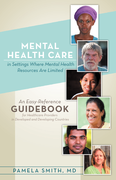
An Easy-Reference Guidebook for Healthcare Providers In Developed and Developing Countries

This guidance document is designed to ensure that the process of iteratively managing the health risks of climate change is integrated into the overall National Adaptation Planning (NAP) process, including through assessing risks; identifying, prior
...
itizing, and implementing adaptation options; and monitoring and evaluating the adaptation process.
more
