
Filter
1377
Text search:
Store
Management
Featured
178
468
Language
Document type
724
260
148
123
40
38
28
6
4
4
2
Countries
111
47
46
45
38
36
33
31
31
28
26
24
23
22
20
19
19
16
15
12
12
10
10
9
8
7
7
7
6
6
5
5
5
5
4
4
4
4
4
4
3
3
3
3
3
3
3
3
2
2
2
2
2
2
2
2
2
2
2
2
2
1
1
1
1
1
1
1
1
1
1
1
1
1
1
1
1
1
1
1
1
1
1
1
1
1
1
1
1
1
1
1
1
1
1
1
Authors & Publishers
Publication Years
Category
601
141
110
74
55
37
36
Toolboxes
89
87
63
57
50
48
48
45
43
36
32
32
31
30
26
25
21
15
14
13
11
8
6
6
2
1
This document provides an overview of the evidence of nutrition gains that can be achieved with improved WASH, a description of key WASH practices, and practical knowledge and guidance on how to integrate WASH into nutrition programmes, including important monitoring and evaluation (M&E) aspects. Th
...
Resilience has rapidly become one of the most prominent objectives for the development sector, so ascertaining how best to measure it is an essential task for practioners working in monitoring and evaluation. In this discussion paper, the main insights emerging from the series of large-N Effectivene
...
For the control of vectors and pests of public health importance. Sixth edition
This curricula guide builds on several existing products of WHO and partners, aimed at supporting countries in their effort to address the first objective of the GAP-AMR (to improve awareness and understanding of AMR). It is targeted specifically at health educators and policy planners, and applies
...
Manual for Training in Cancer Control
This policy brief has been developed in response to the contemporary challenge of antibiotic resistance (ABR). ABR poses a formidable threat to global health and sustainable development. It is now increasingly recognized that the systematic neglect of cultural factors is one of the biggest obs
...
The use of safe and efficacious insecticides against the adult and larval populations of mosquito vectors is one of the most effective ways to rapidly interrupt transmission of Zika virus, as well as other viruses transmitted by Aedes mosquitoes such as chikungunya and dengue.
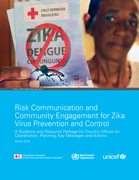
A Guidance and Resource Package for Country Offices for Coordination, Planning, Key Messages and Actions
Sphere for Monitoring and Evaluation
recommended
Sphere Unpacked
The CHS is a voluntary and measurable standard, which means its application can be objectively assessed. The CHS Verification Scheme allows organisations to measure the extent to which they have successfully applied the CHS requirements, and allows them, to demonstrate that they have done so. The Sc
...




The Healthy Living Toolkit is developed to educate refugees, immigrants, resettlement agencies, clinics, community based organizations, and other service providers on refugee health issues. The toolkit presents material in a culturally appropriate manner and is intended to help health care-related p
...


How do local authorities and humanitarian agencies collaborate when refugees are in transit? An IIED-supported research project is looking at the transit refugee response in Croatia.
