
Filter
2101
Text search:
psychosocial
centre
Featured
265
531
Language
Document type
1158
314
246
141
106
56
34
32
8
3
2
1
Countries
87
83
69
60
58
55
54
53
42
39
38
38
38
34
32
31
29
26
26
25
24
23
23
21
20
20
19
19
18
16
15
15
14
13
12
12
12
10
10
10
10
10
10
9
9
9
9
8
8
8
7
7
7
7
6
6
6
6
6
5
5
5
5
5
4
4
4
4
4
4
4
4
4
3
3
3
3
3
2
2
2
2
2
2
2
2
2
2
2
2
2
2
2
2
2
2
2
2
1
1
1
1
1
1
1
1
1
1
1
1
1
1
1
1
1
1
1
1
1
1
Authors & Publishers
Publication Years
Category
766
138
119
112
82
43
4
Toolboxes
434
204
158
140
117
90
74
66
62
56
33
31
24
23
21
15
9
8
6
6
5
3
3
2
1
1
1

The main objective of this document is to inform and inspire community activists in the EECA region to actively engage in domestic budget advocacy, in order to ensure the sustainability of services and programs for KAPs and to secure funding from national sources for those programs and services.
Le Ministère de la Santé (MS), dans le cadre de la démarche qualité au niveau du secteur, s’est engagé depuis quelques années dans la normalisation des activités par l’élaboration et la mise en place de documents normatifs. C’est le cas du présent document de politique, normes et proc
...

A resource for improving menstraul hygiene around the world.
Comprehensive guidance with examples of good practice, information for colleagues and pupils in class and tips on how to break the taboo
The project will support preventive actions, traditional medicine and the coordination and
implementation capacities of the national framework for HIV/AIDS control.
Manuel sur le sida pédiatrique en Afrique
recommended
Ce manuel donne une vue d’ensemble des connaissances scientifiques actuelles sur l’infection à VIH ainsi que des technologies et des outils utilisés pour prévenir cette infection, pour améliorer la qualité de vie des personnes infectées et pour réduire les effets du VIH sur les enfants et
...
Syria Regional Crisis Emergency Appeal 2020
recommended
In 2020, UNRWA will continue to support Palestine refugees affected by the protracted crisis through providing relief assistance and ensuring access to essential education and health services. Drawing on its existing structures, supply chains and capacities, the Agency will continue to adapt its int
...
This month 600 people reached Greece, mostly to Lesvos island. UNHCR with IOM and UNICEF welcomed the latest relocations of 49 unaccompanied children from Greece to Portugal and Finland and called for more. The need for such solutions is high as only one in four has a place in a shelter. The prematu
...
Selon les estimations du recensement général de la population et de l’Habitat (RGPH, 2006), le nombre de personnes en situation de handicap au Burkina Faso en 2012 est estimé à environ 168 000, soit 1,2% de la population totale. La Fédération burkinabè des associations pour la promotion des
...

Interim guidance 19 March 2020

In response to COVID-19, UNICEF continues to support the Ministry of Health and Sports’ Health Literacy Promotion Unit to translate and disseminate messages including in ethnic languages for the border areas on good hygiene and handwashing. Social media boosting and message dissemination reach app
...

The Government of India is embarking on a mammoth task to prevent COVID-19 spread among communities. The Rapid Evidence Synthesis team received a request to support the planning and development of resources for ensuring preparedness of FLHWs for COVID-19 . The rapid evidence synthesis was conducted
...
ON LIFE SUPPORT3The Democratic Republic of Congo’s Ebola outbreak has been contained, but confl ict and under-development leave over three million children at risk from measles and other killer diseases. The country’s medical services – ill-equipped and under-resourced – are on life support
...
Considerations for implementing and adjusting public health and social measures in the context of COVID-19
recommended
interim guidance, 14 June 2021
This document is intended for national authorities and decision makers in countries that have introduced large scale public health and social measures. It offers guidance for adjusting public health and social measures, while managing the risk of a resurgence of cases
...

Depuis son apparition début décembre 2019 en Chine, la pandémie de coronavirus (CoViD19), une nouvelle forme de syndrome respiratoire aigu sévère, s'est propagée dans le monde entier avec une rapidité sans précédent. Le 30 janvier 2020, l'Organisation mondiale de la santé (OMS) a déclaré
...
Mapping of Communication Resources COVID-19
recommended
This resource mapping contains signposting and direct links to a range of resource sites and content online; this includes information about the main sources for trustworthy information about the pandemic; sites for e-learning; organisations providing COVID-19 communication response guidance and too
...

The following Emergency Response Plan for the COVID-19 pandemic seeks to set out activities that will be undertaken by humanitarian actors in Ukraine over the course of 2020 to respond to the public health impact of the epidemic – as well as the indirect, socio-economic impact on people’s well-b
...
This brief considers the rationale for shielding individuals at high risk of severe disease or death from COVID-19 in low- and middleincome countries. It provides an overview of proposed approaches to shielding, discusses the categories of individuals who may be identified for shielding, and outline
...
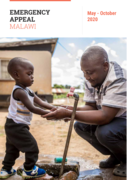
Coronavirus Disease-19 (COVID-19) was declared a global pandemic on 11 March 2020, and Malawi declared its first case on 2 April. As of 30 April, there were 36 confirmed positive cases of COVID-19 and 3 deaths. A State of Disaster was declared by President Arthur Peter Mutharika on 20 March and a 21
...
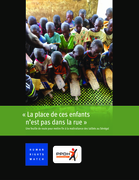
Depuis plus de dix ans, des journalistes sénégalais et internationaux, des défenseurs des droits de l’homme et des experts en protection de l’enfance ont documenté et dénoncé l’exploitation, la maltraitance et la négligence dont sont victimes des enfants qui vivent dans de nombreuses é
...
