
Filter
1418
Text search:
Ministry
of
Medical
Services,
Kenya
Featured
Recommendations
122
New Publications
325
Language
Document type
No document type
766
Studies & Reports
276
Guidelines
165
Manuals
91
Strategic & Response Plan
64
Training Material
31
Situation Updates
11
Fact sheets
7
Infographics
3
Resource Platforms
2
Brochures
1
Online Courses
1
Countries / Regions
Kenya
264
Uganda
65
Global
63
Africa
42
Nigeria
38
Ethiopia
37
Tanzania
31
Rwanda
30
Malawi
28
Zambia
25
South Sudan
18
East and Southern Africa
17
Sierra Leone
16
Congo, Democratic Republic of
16
Zimbabwe
16
South Africa
16
Liberia
15
India
15
Ghana
13
Mozambique
13
Namibia
13
Lesotho
11
Senegal
10
Guinea
9
Nepal
9
Bangladesh
8
Botswana
8
West and Central Africa
8
Somalia
7
Ukraine
7
Myanmar / Burma
7
Burkina Faso
6
Cameroon
6
Eswatini/ Swaziland
6
Cambodia
5
Central African Republic
5
South–East Asia Region
5
Pakistan
4
Syria
4
Indonesia
4
Western and Central Europe
4
Asia
4
Russia
4
Togo
3
Jordan
3
Chad
3
Sudan
3
Benin
3
Yemen
3
Latin America and the Carribbean
3
Eastern Europe
3
Mali
2
Côte d’Ivoire / Ivory Coast
2
Philippines
2
Afghanistan
2
Lebanon
2
Thailand
2
China
2
Burundi
2
Colombia
2
Angola
2
Mexico
2
Middle East and North Africa
2
Eastern Europe and Central Asia
2
Iran
2
Guinea-Bissau
1
Morocco
1
Saudi Arabia
1
Niger
1
Haiti
1
Iraq
1
Germany
1
Gambia
1
Argentina
1
Brazil
1
Ecuador
1
Greece
1
Madagascar
1
Sri Lanka
1
Western Pacific Region
1
Palestine
1
Albania
1
Southern Africa
1
Laos
1
Canada
1
Tajikistan
1
Estonia
1
Georgia
1
Vietnam
1
Gabon
1
Japan
1
Mauritius
1
Tunisia
1
Authors & Publishers
Publication Years
Category
Countries
569
Clinical Guidelines
106
Women & Child Health
89
Public Health
80
Key Resources
66
Capacity Building
34
Pharmacy & Technologies
11
Annual Report MEDBOX
1
Toolboxes
HIV
184
Mental Health
97
Disability
89
TB
87
COVID-19
73
AMR
53
Caregiver
49
NTDs
41
Planetary Health
32
Ebola & Marburg
24
Global Health Education
24
Conflict
23
Pharmacy
23
Health Financing Toolbox
20
Refugee
19
Malaria
16
Rapid Response
14
NCDs
12
2.0 Rapid Response
10
Natural Hazards
7
Polio
6
Cholera
5
Social Ethics
4
Zika
3
Specific Hazards
3
South Sudan
1

Significant progress has been made in the eradication of three priority diseases in the African Region, as a result of extensive collaboration between the Regional Office, WHO country offices and co
...
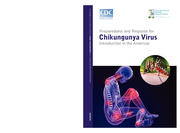
These guidelines provide guidance on how to detect an outbreak of the disease, conduct pertinent epidemiological investigations, and prevent or mitigate the spread of the disease throughout the Regi
...
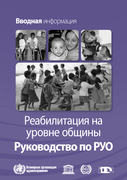
Recommendations to develop guidelines on community-based rehabilitation (CBR) were made during the International Consultation to Review Community-based Rehabilitation which was held in Helsinki, Finland in 2003. WHO; the International Labour Organization; the United Nations Educational, Scientific
...
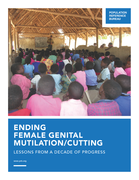
Lessons from a decade of Progress

Addressing comorbidities and risk factors for tuberculosis (TB) is a crucial component of the World Health Organization (WHO)’s End TB Strategy. This WHO operational handbook on tuberculosis. Module 6: tuberculosis and comorbidities aims to suppor
...

The education sector forms an important part of the child protection response in refugee settings, and UNHCR’s Education Strategy (2012-16) reflects a focus on refugee education as a core component of
...

The Global Antibiotic Resistance Partnership (GARP)-Mozambique team, in partnership with the Center for Disease Dynamics, Economics & Policy (CDDEP), has produced this report as part of a solid com-mitment to develop actionable policy proposals to t
...

On August 13, 2024, the Africa CDC declared the mpox outbreak a Public Health Emergency of Continental Security (PHECS). The following day, the WHO declared it a Public Health Emergency of Internati
...
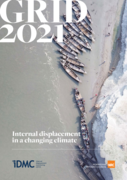
Internal displacement at all-time high after unprecedented year of crises
The total number of people living in internal displacement reached a record 55 million by the end
...
Working document from an informal consultation of experts. A Protocol for risk assessment at the field level. The purpose of document is to provide guidance on the methodology to be used for assess
...
Development finance institutions owned by European governments and the World Bank Group are spending hundreds of millions of dollars on expensive for-profit hospitals in the Global South that block
...

Every year, an estimated 15 million babies are born preterm – before 37 weeks of pregnancy. That is more than 1 in 10 live births. Approximately 1 million children die each year worldwide due to complications from their early birth. Those that sur
...
Addressing comorbidities and risk factors for tuberculosis (TB) is a crucial component of the World Health Organization (WHO)’s End TB Strategy. This WHO operational handbook on tuberculosis. Module 6: tuberculosis and comorbidities aims to su
...
This report tells the stories of some of the world’s 7.1 million refugee children of school age under UNHCR’s mandate. In addition, it looks a
...

The GHS Index is intended to be a key resource in the face of increasing risks of high-consequence and globally catastrophic biological events and in light
...
A global Review of evidence and practice

The International Rescue Committee (IRC) is a leading humanitarian agency dedicated to helping people whose lives have been shattered by conflict and disaster to survive, recover, and gain control of their future. Health comprises nearly half
...

AidData has developed a set of open source data collection methods to track project-level data on suppliers of official finance who do not participate in global reporting systems. This codebook outl
...
These guidelines provide specific recommendations and expert suggestions — for national policy-makers and programme managers and their partners and stakeholders— on prioritizing, planning and providing HIV testing, counselling, treatment and care servi
...
This document provides training and guidance on the key standards related to the physical and social environment within mental health and related services that need to be met to promote good outcomes, independent living and community inclusion.
