
Filter
971
Text search:
suicide
Featured
112
186
Language
Document type
594
148
81
66
23
22
15
6
6
5
2
1
1
Countries
39
35
35
22
19
18
17
15
14
13
13
11
9
9
9
8
8
8
7
6
6
6
5
5
5
4
4
4
4
3
3
3
3
3
3
3
3
3
3
3
3
3
3
3
3
2
2
2
2
2
2
2
2
2
2
2
2
2
2
1
1
1
1
1
1
1
1
1
1
1
1
1
1
1
1
1
1
1
1
1
1
1
1
1
1
Authors & Publishers
Publication Years
Category
227
53
43
37
36
31
1
Toolboxes
480
59
42
28
28
26
25
23
22
9
9
9
8
7
6
6
5
4
4
1
1
1

WHO mhGAP Guideline update
recommended
Update of the Mental Health Gap Action Programme
(mhGAP) Guideline for Mental, Neurological and Substance use Disorders May 2015
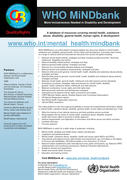
This new online platform brings together key international resources and national policies, strategies, laws and service standards for mental health, substance abuse, general health, disability, human rights and development.
Find out more: http://www.mindbank.info/

Q 1: Are antidepressants (Tricyclic Antidepressants (TCA) and Selective Serotonin Reuptake Inhibitors (SSRI)) better (more
effective than/as safe as) than treatment as usual (placebo) in adults with depressive episode/disorder?

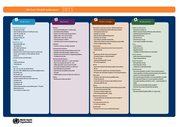


Mental Health Atlas 2011 - Department of Mental Health and Substance Abuse, World Health Organization
Community Mental Health Policy
recommended
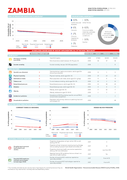
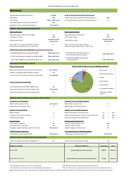
Mental Health Atlas-2014 country profiles

Accessed January 22, 2019.
This updated version include important research that has added to our knowledge about effective treatments for
child and adolescent depression. Its goal is to help parents and families make informed decisions about getting the best care for a child with depression. For
...

Discussion Paper "Mental health, poverty and development", July 2009
mhGAP Training of Health-care Providers Training manual and Supporting material.
Published OnlineNovember 13, 2018 http://dx.doi.org/10.1016/ S2468-2667(18)30238-X

This guide was developed by AACAP to give reliable information about medication
used to treat bipolar disorder in children and adolescents to parents whose children
have been diagnosed with the illness.
Биполярное расстройство в детском возрасте
Клинический случай

Arq Neuropsiquiatr 2011;69(2-B):342-348
