Filter
241
Text search:
plague
Featured
37
78
Language
Document type
120
37
28
23
10
10
5
3
2
2
1
Countries
13
9
9
8
6
5
5
5
5
4
4
4
3
3
3
3
3
3
3
3
2
2
2
2
2
2
2
2
2
2
2
2
2
2
2
1
1
1
1
1
1
1
1
1
1
1
1
1
1
1
1
1
1
1
1
1
1
1
1
1
1
1
1
1
Authors & Publishers
Publication Years
Category
77
27
24
17
8
6
4
Toolboxes
26
19
16
12
12
11
10
10
9
9
7
6
5
5
5
4
2
2
2
1
1
1
1


The 2nd edition is publised in 2017.
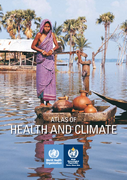
The Atlas of health and climate is a product of this unique collaboration between the meteorological and public health communities. It provides sound scientific information on the connections between weather and climate and major health challenges. These range from diseases of poverty to emergencies
...
A toolkit for behavioural and social communication in outbreak response
Risk assessment and priority interventions
A public health emergency operations centre (EOC) is a central location for coordinating operational information and resources for strategic management of pugencies and events. EOCs provide communication and information tools and services blic health emer-
and a management system during a response
...

A training course for Vasectomy Providers and Assistants
2nd Edition

With this World Health Day, WHO is drawing attention to a group of diseases that are spread by insects and other vectors, the heavy health and economic burdens they impose, and what needs to be done to reduce these burdens. Many of these diseases have been historically confined to distinct geographi
...
This guidance document includes background information on Ebola virus disease, Ebola emergency committee recommendations, risks for different groups, and information for travellers from and to affected countries.
The main aim of this assessment was to evaluate the PSS response of URCS to these VHF, against the needs of beneficiaries and communities focused on the areas of most ‘added value’ of the URCS; community engagement mobilisation and support, documenting any unintended outcomes and best practice r
...
Epidemic diarrhoeal disease preparedness and response. Training and practice. Participant's manual
recommended
Accessed November 2014

Global UNIDO Project: Strengthening the local production of essential generic drugs in the least developed and developing countries
mBio, Vol. 6 Issue 2, March/April 2015
Available evidence demonstrates that direct patient contact and contact with infectious body fluids are the primary modes for Ebola virus transmission, but this is based on a limited number of studies. In this review, the authors address what we know and what
...