
Filter
3271
Text search:
World
Health
Organization
WHO,
Unicef
Featured
362
971
Language
2996
137
108
77
61
44
27
16
11
7
6
5
4
4
4
4
4
4
3
3
3
3
2
2
2
2
2
2
2
2
2
2
2
2
2
2
2
2
2
2
1
1
1
1
1
1
1
1
1
1
1
1
1
1
1
1
1
1
1
1
1
1
1
1
1
1
1
1
1
1
1
1
1
1
1
1
1
1
1
1
1
1
1
1
1
1
1
1
1
1
1
1
1
1
1
1
1
1
Document type
1764
513
421
168
138
101
79
50
14
9
8
4
1
Countries / Regions
145
104
103
84
83
79
75
74
73
64
59
57
57
49
48
45
44
43
42
37
34
33
33
32
29
28
27
27
27
26
25
25
24
24
23
22
20
19
18
17
17
17
17
16
15
15
14
14
14
14
12
12
11
11
9
9
9
9
9
9
8
8
7
7
7
6
6
6
6
6
6
5
5
5
5
5
5
4
4
4
4
4
4
4
4
3
3
3
3
3
3
3
2
2
2
2
2
2
2
2
2
2
2
2
2
2
2
2
2
1
1
1
1
1
1
1
1
1
1
1
1
1
1
1
1
1
1
1
1
1
1
Authors & Publishers
599
269
155
137
113
91
74
62
53
51
25
21
21
20
18
18
16
16
16
15
14
14
13
13
12
12
12
12
11
11
10
10
10
10
10
10
10
10
9
9
9
9
9
9
9
9
8
8
8
8
8
8
7
7
7
7
7
7
7
7
7
7
7
7
7
6
6
6
6
6
6
6
6
6
6
6
6
6
5
5
5
5
5
5
5
5
5
5
5
5
5
5
5
5
5
5
5
5
4
4
4
4
4
4
4
4
4
4
4
4
4
4
4
4
4
4
4
4
4
4
4
4
4
4
4
4
4
4
4
4
4
4
3
3
3
3
3
3
3
3
3
3
3
3
3
3
3
3
3
3
3
3
3
3
3
3
3
3
3
3
3
3
3
3
3
3
3
3
3
3
3
3
3
3
3
3
3
3
3
3
3
3
3
3
3
3
3
3
3
3
3
3
2
2
2
2
2
2
2
2
2
2
2
2
2
2
2
2
2
2
2
2
2
2
2
2
2
2
2
2
2
2
2
2
2
2
2
2
2
2
2
2
2
2
2
2
2
2
2
2
2
2
2
2
2
2
2
2
2
2
2
2
2
2
2
2
2
2
2
2
2
2
2
2
2
2
2
2
2
2
2
2
2
2
2
2
2
2
2
2
2
2
2
2
2
2
2
2
2
2
2
2
2
2
2
2
2
2
2
2
2
2
2
2
2
2
2
2
2
2
2
2
2
2
2
2
2
2
2
2
2
2
2
2
2
2
2
2
2
2
2
2
2
2
2
2
2
2
2
2
2
2
2
2
2
2
2
2
2
2
2
2
2
2
2
2
2
2
2
2
2
2
2
2
2
2
2
2
2
2
2
2
2
2
2
2
2
2
2
2
2
2
2
2
2
2
2
2
1
1
1
1
1
1
1
1
1
1
1
1
1
1
1
1
1
1
1
1
1
1
1
1
1
1
1
1
1
1
1
1
1
1
1
1
1
1
1
1
1
1
1
1
1
1
1
1
1
1
1
1
1
1
1
1
1
1
1
1
1
1
1
1
1
1
1
1
1
1
1
1
1
1
1
1
1
1
1
1
1
1
1
1
1
1
1
1
1
1
1
1
1
1
1
1
1
1
1
1
1
1
1
1
1
1
1
1
1
1
1
1
1
1
1
1
1
1
1
1
1
1
1
1
1
1
1
1
1
1
1
1
1
1
1
1
1
1
1
1
1
1
1
1
1
1
1
1
1
1
1
1
1
1
1
1
1
1
1
1
1
1
1
1
1
1
1
1
1
1
1
1
1
1
1
1
1
1
1
1
1
1
1
1
1
1
1
1
1
1
1
1
1
1
1
1
1
1
1
1
1
1
1
1
1
1
1
1
1
1
1
1
1
1
1
1
1
1
1
1
1
1
1
1
1
1
1
1
1
1
1
1
1
1
1
1
1
1
1
1
1
1
1
1
1
1
1
1
1
1
1
1
1
1
1
1
1
1
1
1
1
1
1
1
1
1
1
1
1
1
1
1
1
1
1
1
1
1
1
1
1
1
1
1
1
1
1
1
1
1
1
1
1
1
1
1
1
1
1
1
1
1
1
1
1
1
1
1
1
1
1
1
1
1
1
1
1
1
1
1
1
1
1
1
1
1
1
1
1
1
1
1
1
1
1
1
1
1
1
1
1
1
1
1
1
1
1
1
1
1
1
1
1
1
1
1
1
1
1
1
1
1
1
1
1
1
1
1
1
1
1
1
1
1
1
1
1
1
1
1
1
1
1
1
1
1
1
1
1
1
1
1
1
1
1
1
1
1
1
1
1
1
1
1
1
1
1
1
1
1
1
1
1
1
1
1
1
1
1
1
1
1
1
1
1
1
1
1
1
1
1
1
1
1
1
1
1
1
1
1
1
1
1
1
1
1
1
1
1
1
1
1
1
1
1
1
1
1
1
1
1
1
1
1
1
1
1
1
1
1
1
1
1
1
1
1
1
1
1
1
1
1
1
1
1
1
1
1
1
1
1
1
1
1
1
1
1
1
1
1
1
1
1
1
1
1
1
1
1
1
1
1
1
1
1
1
1
1
1
1
1
1
1
1
1
1
1
1
1
1
1
1
1
1
1
1
1
1
1
1
1
1
1
1
1
1
1
1
1
1
1
1
1
1
1
1
1
1
1
1
1
1
1
1
1
1
1
1
1
1
1
1
1
1
1
1
1
1
1
1
1
1
1
1
1
1
1
1
1
1
1
1
1
1
1
1
1
1
1
1
1
1
1
1
1
1
1
1
1
1
1
1
1
1
1
1
1
1
1
1
1
1
1
1
1
1
1
1
1
1
1
1
1
1
1
1
1
1
1
1
1
1
1
1
1
1
1
1
1
1
1
1
1
1
1
1
1
1
1
1
1
1
1
1
1
1
1
1
1
1
1
1
1
1
1
1
1
1
1
1
1
1
1
1
1
1
1
1
1
1
1
1
1
1
1
1
1
1
1
1
1
1
1
1
1
1
1
1
1
1
1
1
1
1
1
1
1
1
1
1
1
1
1
1
1
1
1
1
1
1
1
1
1
1
1
1
1
1
1
1
1
1
1
1
1
1
1
1
1
1
1
1
1
1
1
1
1
1
1
1
1
1
1
1
1
1
1
1
1
1
1
1
1
1
1
1
1
1
1
1
1
1
1
1
1
1
1
1
1
1
1
1
1
1
1
1
1
1
1
1
1
1
1
1
1
1
1
1
1
1
1
1
1
1
1
1
1
1
1
1
1
1
1
1
1
1
1
1
1
1
1
1
1
1
1
1
1
1
1
1
1
1
1
1
1
1
1
1
1
1
1
1
1
1
1
1
1
1
1
1
1
1
1
1
1
1
1
1
1
1
1
1
1
1
1
1
1
1
1
1
1
1
1
1
1
1
1
1
1
1
1
1
1
1
1
1
1
1
1
1
1
1
1
1
1
1
1
1
1
1
1
1
1
1
1
1
1
1
1
1
1
1
1
1
1
1
1
1
1
1
1
1
1
1
1
1
1
1
1
1
1
1
1
1
1
1
1
1
1
1
1
1
1
1
1
1
1
1
1
1
1
1
1
1
1
1
1
1
1
1
1
1
1
1
1
1
1
1
1
1
1
1
1
1
1
1
1
1
1
1
1
1
1
1
1
1
1
1
1
1
1
1
1
1
1
1
1
1
1
1
1
1
1
1
1
1
1
1
1
1
1
1
1
1
1
1
1
1
1
1
1
1
1
1
1
1
1
1
1
1
1
1
1
1
1
1
1
1
1
1
1
1
1
1
1
1
1
1
1
1
1
1
1
1
1
1
1
1
1
1
1
1
1
1
1
1
1
1
1
1
1
1
1
1
1
1
1
1
1
1
1
1
1
1
1
1
1
1
1
1
1
1
1
1
1
1
1
1
1
1
1
1
1
1
1
1
1
1
1
1
1
1
1
1
1
1
1
1
1
1
1
1
1
1
1
1
1
1
1
1
1
1
1
1
1
1
1
1
1
1
1
1
1
1
1
1
1
1
1
1
1
1
1
1
1
1
1
1
1
1
1
1
1
1
1
1
1
1
1
1
1
1
1
1
1
1
1
1
1
1
1
1
1
1
1
1
1
1
1
1
1
1
1
1
1
1
1
1
1
1
1
1
1
1
1
1
1
1
1
1
1
1
1
1
1
1
1
1
1
1
1
1
1
1
1
1
1
1
1
1
1
1
1
1
1
1
1
1
1
1
1
1
1
1
1
1
1
1
1
1
1
1
1
1
1
1
1
1
1
1
1
1
1
1
1
1
1
1
1
1
1
1
1
1
1
1
1
1
1
1
1
1
1
1
1
1
1
1
1
1
1
1
1
1
1
1
1
1
1
1
1
1
1
1
1
1
1
1
1
1
1
1
1
1
1
1
1
1
1
1
1
1
1
1
1
1
1
1
1
1
1
1
1
1
1
1
1
1
1
1
1
1
1
1
1
1
1
1
1
1
1
1
1
1
1
1
1
1
1
1
1
1
1
1
1
1
1
1
1
1
1
1
1
1
1
1
1
1
1
1
1
1
1
1
1
1
1
1
1
1
1
1
1
1
1
1
1
1
1
1
1
1
1
1
1
1
1
1
1
1
1
1
1
1
1
1
1
1
1
1
1
1
1
1
1
1
1
1
1
1
1
1
1
1
1
1
1
1
1
1
1
1
1
1
1
1
1
1
1
1
1
1
1
1
1
1
1
1
1
1
1
1
1
1
1
1
1
1
1
1
1
1
1
1
1
1
1
1
1
1
1
1
1
1
1
1
1
1
1
1
1
1
1
1
1
1
1
1
1
1
1
1
1
1
1
1
1
1
1
1
1
1
1
1
1
1
1
1
1
1
1
1
1
1
1
1
1
1
1
1
1
1
1
1
1
1
1
1
1
1
1
1
1
1
1
1
1
1
1
1
1
1
1
1
1
1
1
1
1
1
1
1
1
1
1
1
1
1
1
1
1
1
1
1
1
1
1
1
1
1
1
1
1
1
1
1
1
1
1
1
1
1
1
1
1
1
1
1
1
1
1
1
1
1
1
1
1
1
1
1
1
1
1
1
1
1
1
1
1
1
1
1
1
1
1
1
1
1
1
1
1
1
1
1
1
1
1
1
1
1
1
1
1
1
1
1
1
1
1
1
1
1
1
1
1
1
1
1
1
1
1
1
1
1
1
1
1
1
1
1
1
1
1
1
1
1
1
1
1
1
1
1
1
1
1
1
1
1
1
1
1
1
1
1
1
1
1
1
1
1
1
1
1
1
1
1
1
1
1
1
1
1
1
1
1
1
1
1
1
1
1
1
1
1
1
1
1
1
1
1
1
1
1
1
1
1
1
1
1
1
1
1
1
1
1
1
1
1
1
1
1
1
1
1
1
1
1
1
1
1
1
1
1
1
1
1
1
1
1
1
1
1
1
1
1
1
1
1
1
1
1
1
1
1
1
1
1
1
1
1
1
1
1
1
1
1
1
1
1
1
1
1
1
1
1
1
1
1
1
1
1
1
1
1
1
1
1
1
1
1
1
1
1
1
1
1
1
1
1
1
1
1
1
1
1
1
1
1
1
1
1
1
1
1
1
1
1
1
1
1
1
1
1
1
1
1
1
1
1
1
1
1
1
1
1
1
1
1
1
1
1
1
1
1
1
1
1
1
1
1
1
1
1
1
1
1
1
1
1
1
1
1
1
1
1
1
1
1
1
1
1
1
1
1
1
1
1
1
1
1
1
1
1
1
1
1
1
1
1
1
1
1
1
1
1
1
1
1
1
1
1
1
1
1
1
1
1
1
1
1
1
1
1
1
1
1
1
1
1
1
1
1
1
1
1
1
1
1
1
1
1
1
1
1
1
1
1
1
1
1
1
1
1
Publication Years
1087
1897
277
10
Category
1316
363
259
197
131
70
24
Toolboxes
375
193
160
156
137
122
116
92
60
55
49
48
47
41
38
36
33
32
30
29
28
20
10
7
4
1

The guidance provides critical considerations and practical checklists to keep schools safe. It also advises national and local authorities on how to adapt and implement emergency plans for educational facilities.
In the event of school closures, the guidance includes recommendations to mitigate
...
against the possible negative impacts on children’s learning and wellbeing. This means having solid plans in place to ensure the continuity of learning, including remote learning options such as online education strategies and radio broadcasts of academic content, and access to essential services for all children. These plans should also include necessary steps for the eventual safe reopening of schools.
Where schools remain open, and to make sure that children and their families remain protected and informed.
more

Guía práctica para mejorar la calidad de la atención mediante los servicios de agua, saneamiento e higiene en los establecimientos de salud
Guide pratique pour l'amélioration de la qualité des soins grâce à de meilleurs services d'eau, d'assainissement et d'hygiène dans les établissements de santé
Personne ne se rend dans un établissement de soins de santé pour tomber malade. On s’y rend pour aller mieux, pour accoucher, pour se faire vacciner. Cependant, des centaines de millions de gens sont confrontés à un risque accru d’infection quand ils se font soigner dans des établissements
...
de santé où les services de première nécessité font défaut, y compris les services d’approvisionnement en eau, d’assainissement et d’hygiène (WASH) et les services de gestion des déchets médicaux. Non seulement l’absence de services WASH dans les établissements de santé compromet la sécurité sanitaire des patients et leur dignité, mais il peut éventuellement exacerber la propagation d’infections résistant aux antimicrobiens et compromettre les efforts faits en vue de l’amélioration de la santé maternelle et infantile.
more

A Guide to the Application of the WHO Multimodal Hand HygieneImprovement Strategy and the “My Five Moments for Hand Hygiene”Αpproach

Immunizations are an essential health service that protect susceptible individuals from vaccine-preventable diseases (VPD).2 By providing timely immunizations, individuals and communities remain protected and the likelihood
...
of a VPD outbreak decreases, Preventing a VPD outbreak not only saves lives but requires fewer resources than responding to the outbreak and helps reduce burden on a health system already strained by the COVID-19 pandemic, While committing to sustaining immunization systems, countries should use approaches that respect the principle of do-no-harm and limit transmission of COVID-19 while providing immunization activities, Immunization visits can also be used as opportunities to disseminate messages to encourage behaviours to reduce transmission risk of the COVID-19 virus, to identify signs and symptoms of COVID-19 disease, and to provide guidance on what to do if symptoms emerge
more
Иммунизация является важной медицинской услугой, которая защищает человечество от болезней, предупреждаемых вакцинацией (БПВ)2. Благодаря своевременной имму
...
низации люди и сообщества обретают защиту, и вероятность вспышки БПВ уменьшается.Предотвращение вспышки БПВ не только спасает жизни, но и требует меньше ресурсовпо сравнению среагированиемна вспышку и помогает снизить нагрузку на систему здравоохранения, и без того перегруженную в результате пандемии COVID-19.
more

La inmunización es un servicio esencial de salud que protege a las personas susceptibles de contraer enfermedades prevenibles mediante vacunación.2 L a vacunación oportuna protege a los individuos y las comunidades, al tiempo quereduce las posibilidades de que se produzcan brotes d
...
e enfermedades prevenibles mediante vacunación. La prevención de un brote de una enfermedad prevenible mediante vacunación no solo salva vidas, sino que requiere menos recursosque la respuesta al brote y ayuda a reducir la carga que supone para los sistemas de salud, los cuales ya están sometidos a una fuerte presión por la pandemia de COVID-19. En sus esfuerzos por mantener los sistemas de inmunización, los países deben adoptar enfoques que respeten el principio de «no hacer daño» y limiten la transmisión de la COVID-19 durante la realización de actividades de inmunización. Las visitas para la administración de vacunas también pueden ser una ocasión para divulgar mensajes que fomenten comportamientos que reducen el riesgo de transmisión del virus de la COVID-19 y para proporcionar orientaciones sobre las medidas que deben adoptarse si se observan síntomas.
more

A guide to preventing and addressing social stigma.
Social stigma in the context of health is the negative association between a person or group of people who share certain characteristics and a sp
...
ecific disease. In an outbreak, this may mean people are labelled, stereotyped, discriminated against, treated separately, and/or experience loss of status because of a perceived link with a disease.
more

El estigma social asociado a COVID-19
recommended
Una guía para prevenir y abordar el estigma social
Social stigma in the context of health is the negative association between a person or group of people who share certain characteristics and a sp
...
ecific disease. In an outbreak, this may mean people are labelled, stereotyped, discriminated against, treated separately, and/or experience loss of status because of a perceived link with a disease.
more

Stigmatisation sociale associée au COVID-19
recommended
Un guide pour prévenir et combattre la stigmatisation sociale
Dokumen ini menyarankan tindakan untuk mengurangi stigma sosial yang dialami oleh beberapa orang selama wabah penyakit.
Social stigma in the context of health is the negative association between a person or group of people
...
who share certain characteristics and a specific disease. In an outbreak, this may mean people are labelled, stereotyped, discriminated against, treated separately, and/or experience loss of status because of a perceived link with a disease.
more

Estigma Social associado à COVID-19
recommended
Um guia para prevenir e combater o estigma social

Coronavirus (COVID-19) parenting tips
recommended
Expert tips to help you deal with COVID-19 parenting challenges.
The coronavirus disease (COVID-19) pandemic has upended family life around the world. School closures, working remote, physical distancing — it's a lot to navigate for anyone, but
...
especially for parents. We teamed up with the Parenting for Lifelong Health initiative to bring parents and caregivers a set of handy tips to help manage this new (temporary) normal.
You can download different posters in
English, French, Spanisch and Arabic
more
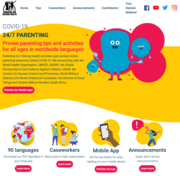
Available in 90 languages!
Parenting for Lifelong Health provides open-access online parenting resources during COVID-19. We are working with the World
...
Health Organization, UNICEF, UNODC, the Global Partnership to End Violence Against Children, USAID, the Centers for Disease Control and Prevention, World Without Orphans, the World Childhood Foundation, the Internet of Good Things and Clowns Without Borders South Africa.
more
Version 3 Dec. 2020
The COVID-19 Vaccine Introduction Readiness Assessment Tool (VIRAT)2, developed by WHO in collaboration with PAHO is a tool for the national authorities, that allows for the establishment of a roadmap and to monitor progress in
...
the preparation of the activities related to the introduction of the COVID-19 vaccines.
more

Working Document Nov. 2020
The COVAX Supply and Logistics workstream lead by UNICEF, Gavi and WHO have released a working copy of the COVID-19 Vaccination, Country Readiness & Delivery: Supply and
...
Logistics Guidance. Countries might find this Guide useful when developing and strengthening their supply chain strategies to receive, store, distribute and manage the COVID-19 vaccines and their ancillary products, in line with their national deployment and vaccination plan (NDVP). The document also provides links to the different tools and resources to aid countries in performing assessment, planning and capacity-building activities.
more
ПРАКТИЧЕСКИЕ ШАГИ ПО ОБЕСПЕЧЕНИЮ ВСЕОБЩЕГО ДОСТУПА К КАЧЕСТВЕННОЙ ПОМОЩИ
En el presente informe se señalan las principales deficiencias que padecen los servicios WASH nivel mundial: un tercio de los establecimientos de salud no disponen de los elementos necesarios para limpiarse las manos en los lugares donde se presta atención; uno de cada cuatro establecimientos care
...
ce de servicios básicos de agua, y uno de cada diez no cuenta con servicios de saneamiento. Esto significa que 1800 millones de personas son usuarias de unos establecimientos que carecen de servicios básicos de agua, y que 800 millones de personas acuden a centros que no disponen de aseos. Este problema es aún mayor en los 47 países menos adelantados del mundo, donde la mitad de los establecimientos de salud carecen de servicios básicos de agua. Por otro lado, la magnitud del problema sigue siendo una incógnita, ya que continúa habiendo importantes deficiencias de datos, sobre todo en materia de limpieza del entorno.
more
