
Filter
969
Text search:
World
Health
Organization
WHO,
Stop
TB
Featured
114
279
Language
Document type
627
125
112
44
26
15
11
2
2
2
2
1
Countries
49
38
28
24
24
23
22
22
20
20
20
17
17
16
16
15
14
13
13
12
11
11
11
9
8
7
7
6
6
5
5
5
4
4
3
3
3
3
3
3
2
2
2
2
2
2
2
2
2
1
1
1
1
1
1
1
1
1
1
1
1
1
1
1
1
1
1
1
1
1
1
1
1
1
1
1
1
1
1
1
1
Authors & Publishers
Publication Years
Category
396
90
41
41
20
14
13
Toolboxes
335
63
36
23
20
19
17
16
15
13
13
11
10
9
8
8
6
5
4
3
3
2
1
1
Journal of Computational Biophysics and ChemistryVol. 22, No. 01, pp. 31-41 (2023)

Program Considerations
2020 is a critical year for our Joint Programme as we collectively define the path to getting back on track to ending the AIDS epidemic by 2030. Our revised timelines for adoption of the next strategy are highly ambitious. We need the full support of all the tremendously dedicated people in UNAIDS-w
...


UNAIDS 2018 / Guidance
Guidance for policy-makers, and people living with, at risk of or affected by HIV

This report shows that increased domestic revenues can and will cover only part of the necessary SDG budget spending of the LIDCs. Achieving the SDGs in the LIDCs will also require increases of both Official Development Assistance (ODA) and Private Development Assistance (PDA) to reach aggregate lev
...
Diese Broschüre möchte dazu beitragen, dass möglichst viele Menschen die Ergebnisse öffentlich finanzierter Forschung nutzen können.

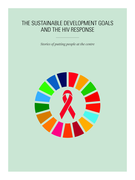
Stories of putting people at the centre
Accessed: 20.11.2019



Background paper 10
The Independent Panel for Pandemic Preparedness and Response
May 2021

The Global Asthma Report (GAR) 2022, prepared by the Global Asthma Network (GAN), is the fourth such report (others 2011, 2014, 2018). GAN builds upon the work of the International Study of Asthma and Allergies in Childhood (ISAAC) and The International Union Against Tuberculosis and Lung Disease (T
...

ILEP Technical Guide
The purpose of this document is to share good practices and processes concerning the inclusion of disability issues in HIV policy and programming, drawing on specific experiences in Senegal, Ethiopia, Kenya, Rwanda and Cambodia and on lessons learned at international AIDS conferences.
