
Filter
1502
Text search:
Physical
Trauma
Featured
181
341
Language
Document type
894
196
192
103
38
36
17
13
8
3
1
Countries
76
53
50
44
36
29
27
24
24
23
22
19
17
15
15
14
12
12
12
11
11
11
11
11
11
10
9
8
8
8
7
7
7
7
7
7
6
6
6
5
5
4
4
4
4
4
4
3
3
3
3
3
3
3
3
3
2
2
2
2
2
2
2
2
2
2
2
2
1
1
1
1
1
1
1
1
1
1
1
1
1
1
1
1
1
1
1
1
1
1
1
1
1
1
Authors & Publishers
Publication Years
Category
470
131
112
105
54
39
2
1
Toolboxes
391
112
82
72
71
47
42
35
34
25
21
18
16
15
13
10
9
5
5
4
2
2
2
1
1



How 2016 became the worst year for Syria's children



Guidebook on ICD10
recommended
3rd edition


Problem Management Plus (PM+)
recommended
Individual psychological help for adults impaired by distress in communities exposed to adversity.
The manual describes a scalable psychological intervention called Problem Management Plus (PM+) for adults impaired by distress in communities who are exposed to adversity. Aspects of Cognitive Behavi
...
PSYCHOLOGICAL HELP FOR ADULTS IN COMMUNITIES EXPOSED TO ADVERSITY
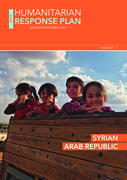
The 2019 Humanitarian Response Plan (HRP) sets out the framework within which the humanitarian community will respond to the large-scale humanitarian and protection needs in Syria throughout 2019, on the basis of the prioritization undertaken across and within sectors. The HRP, based on United Natio
...
