
Filter
933
Text search:
PMTCT
Featured
73
415
Language
Document type
745
71
50
19
16
13
7
5
3
2
1
Countries
61
59
52
50
46
45
44
36
34
33
30
29
27
25
24
18
18
18
16
15
11
11
10
9
9
9
9
9
7
6
5
4
4
3
3
2
2
2
2
2
1
1
1
1
1
1
1
1
1
1
1
1
1
1
1
1
1
1
1
1
1
1
Authors & Publishers
Publication Years
Category
688
65
52
44
27
15
Toolboxes
73
30
14
11
7
6
5
5
5
4
4
4
3
3
1
1
1
1
1
1
1

This comprehensive analysis outlines the recommended mental health services in HIV
care, delivery modalities, required resources, guideline integration, special population
considerations, and implementation strategies with real-world examples

This training seeks to equip health workers who have contact with children in HIV settings with the knowledge and skills to better integrate violence against children (VAC) services into their work. It seeks to transmit information and skills to make them: feel comfortable talking with, providing se
...

This report describes efforts in nine countries, supported by the 2gether 4 SRHR programme and other partners, highlighting the results achieved and learning on improving the health and wellbeing of adolescent and young mothers and their families. Key insights include the importance of responsive se
...

The family-centered approach to reaching every child living with HIV. This report examines the structural barriers impeding equitable access to HIV testing, treatment initiation and long-term adherence – essential elements for sustaining health and well-being for children, adolescents and young wo
...
SOP number SOP000108/2020

A service guide for site operations
These guidelines focus on the provision of PrEP as part of comprehensive combination prevention,
drawing on implementation and research evidence and WHO recommendations.
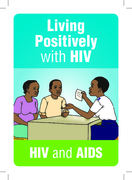
This pamphlet provides important facts about HIV and AIDS and tips for people living HIV.

This guideline document is a publication of the National AIDS & STI Control Program, Ministry of Health
Kenya

Policy Guidelines for Health Facilities
WHO estimates that in 2015, 257 million people were living with chronic hepatitis B virus (HBV) infection worldwide, and that 900 000 died from HBV infection, mostly through the development of cirrhosis and hepatocellular carcinoma. Worldwide, the majority of persons with chronic hepatitis B infecti
...
Bulletin of the World Health Organization; http://dx.doi.org/10.2471/BLT.16.176677
HIV Country Intelligence - HIV Country Profiles
