
Filter
2760
Text search:
Ministry
of
Gender,
Children
and
Community
Development
Featured
205
952
Language
2714
41
25
22
16
11
8
4
3
3
2
2
2
2
2
2
2
2
1
1
1
1
1
1
1
1
1
1
1
1
1
1
1
1
1
1
Document type
1750
422
233
147
104
39
33
20
5
3
2
1
1
Countries / Regions
129
127
105
98
96
93
92
87
78
77
76
75
69
64
53
51
43
43
36
36
32
31
30
29
27
26
26
23
23
20
18
17
17
15
15
15
12
12
11
11
11
11
11
10
9
9
8
8
8
8
8
8
7
7
7
7
7
7
7
6
6
5
5
5
5
5
5
4
4
4
4
4
3
3
2
2
2
2
2
2
2
2
2
2
2
2
2
2
2
1
1
1
1
1
1
1
1
1
1
1
1
1
1
1
1
1
1
1
1
1
1
Authors & Publishers
234
92
88
69
64
56
53
52
46
28
24
21
21
20
19
18
18
17
17
17
16
16
16
15
14
14
13
12
12
12
11
11
11
10
10
10
10
10
9
9
9
9
8
8
8
8
8
8
8
8
8
7
7
7
7
7
7
7
7
7
7
6
6
6
6
6
6
6
6
6
5
5
5
5
5
5
5
5
5
5
5
5
5
5
5
5
5
5
5
5
4
4
4
4
4
4
4
4
4
4
4
4
4
4
4
4
4
4
4
4
4
4
4
4
4
4
4
4
4
4
4
4
4
4
4
4
4
4
4
4
4
4
3
3
3
3
3
3
3
3
3
3
3
3
3
3
3
3
3
3
3
3
3
3
3
3
3
3
3
3
3
3
3
3
3
3
3
3
3
3
3
3
3
3
3
3
3
3
3
3
3
3
3
3
3
3
3
3
3
3
3
3
3
3
3
3
3
3
3
3
3
2
2
2
2
2
2
2
2
2
2
2
2
2
2
2
2
2
2
2
2
2
2
2
2
2
2
2
2
2
2
2
2
2
2
2
2
2
2
2
2
2
2
2
2
2
2
2
2
2
2
2
2
2
2
2
2
2
2
2
2
2
2
2
2
2
2
2
2
2
2
2
2
2
2
2
2
2
2
2
2
2
2
2
2
2
2
2
2
2
2
2
2
2
2
2
2
2
2
2
2
2
2
2
2
2
2
2
2
2
2
2
2
2
2
2
2
2
2
2
2
2
2
2
2
2
2
2
2
2
2
2
2
2
2
2
2
2
2
2
2
2
2
2
2
2
2
2
2
2
2
2
2
2
2
2
2
2
2
2
2
2
2
2
2
2
2
2
2
2
2
2
2
2
2
2
2
2
2
2
2
2
2
2
2
2
1
1
1
1
1
1
1
1
1
1
1
1
1
1
1
1
1
1
1
1
1
1
1
1
1
1
1
1
1
1
1
1
1
1
1
1
1
1
1
1
1
1
1
1
1
1
1
1
1
1
1
1
1
1
1
1
1
1
1
1
1
1
1
1
1
1
1
1
1
1
1
1
1
1
1
1
1
1
1
1
1
1
1
1
1
1
1
1
1
1
1
1
1
1
1
1
1
1
1
1
1
1
1
1
1
1
1
1
1
1
1
1
1
1
1
1
1
1
1
1
1
1
1
1
1
1
1
1
1
1
1
1
1
1
1
1
1
1
1
1
1
1
1
1
1
1
1
1
1
1
1
1
1
1
1
1
1
1
1
1
1
1
1
1
1
1
1
1
1
1
1
1
1
1
1
1
1
1
1
1
1
1
1
1
1
1
1
1
1
1
1
1
1
1
1
1
1
1
1
1
1
1
1
1
1
1
1
1
1
1
1
1
1
1
1
1
1
1
1
1
1
1
1
1
1
1
1
1
1
1
1
1
1
1
1
1
1
1
1
1
1
1
1
1
1
1
1
1
1
1
1
1
1
1
1
1
1
1
1
1
1
1
1
1
1
1
1
1
1
1
1
1
1
1
1
1
1
1
1
1
1
1
1
1
1
1
1
1
1
1
1
1
1
1
1
1
1
1
1
1
1
1
1
1
1
1
1
1
1
1
1
1
1
1
1
1
1
1
1
1
1
1
1
1
1
1
1
1
1
1
1
1
1
1
1
1
1
1
1
1
1
1
1
1
1
1
1
1
1
1
1
1
1
1
1
1
1
1
1
1
1
1
1
1
1
1
1
1
1
1
1
1
1
1
1
1
1
1
1
1
1
1
1
1
1
1
1
1
1
1
1
1
1
1
1
1
1
1
1
1
1
1
1
1
1
1
1
1
1
1
1
1
1
1
1
1
1
1
1
1
1
1
1
1
1
1
1
1
1
1
1
1
1
1
1
1
1
1
1
1
1
1
1
1
1
1
1
1
1
1
1
1
1
1
1
1
1
1
1
1
1
1
1
1
1
1
1
1
1
1
1
1
1
1
1
1
1
1
1
1
1
1
1
1
1
1
1
1
1
1
1
1
1
1
1
1
1
1
1
1
1
1
1
1
1
1
1
1
1
1
1
1
1
1
1
1
1
1
1
1
1
1
1
1
1
1
1
1
1
1
1
1
1
1
1
1
1
1
1
1
1
1
1
1
1
1
1
1
1
1
1
1
1
1
1
1
1
1
1
1
1
1
1
1
1
1
1
1
1
1
1
1
1
1
1
1
1
1
1
1
1
1
1
1
1
1
1
1
1
1
1
1
1
1
1
1
1
1
1
1
1
1
1
1
1
1
1
1
1
1
1
1
1
1
1
1
1
1
1
1
1
1
1
1
1
1
1
1
1
1
1
1
1
1
1
1
1
1
1
1
1
1
1
1
1
1
1
1
1
1
1
1
1
1
1
1
1
1
1
1
1
1
1
1
1
1
1
1
1
1
1
1
1
1
1
1
1
1
1
1
1
1
1
1
1
1
1
1
1
1
1
1
1
1
1
1
1
1
1
1
1
1
1
1
1
1
1
1
1
1
1
1
1
1
1
1
1
1
1
1
1
1
1
1
1
1
1
1
1
1
1
1
1
1
1
1
1
1
1
1
1
1
1
1
1
1
1
1
1
1
1
1
1
1
1
1
1
1
1
1
1
1
1
1
1
1
1
1
1
1
1
1
1
1
1
1
1
1
1
1
1
1
1
1
1
1
1
1
1
1
1
1
1
1
1
1
1
1
1
1
1
1
1
1
1
1
1
1
1
1
1
1
1
1
1
1
1
1
1
1
1
1
1
1
1
1
1
1
1
1
1
1
1
1
1
1
1
1
1
1
1
1
1
1
1
1
1
1
1
1
1
1
1
1
1
1
1
1
1
1
1
1
1
1
1
1
1
1
1
1
1
1
1
1
1
1
1
1
1
1
1
1
1
1
1
1
1
1
1
1
1
1
1
1
1
1
1
1
1
1
1
1
1
1
1
1
1
1
1
1
1
1
1
1
1
1
1
1
1
1
1
1
1
1
1
1
1
1
1
1
1
1
1
1
1
1
1
1
1
1
1
1
1
1
1
1
1
1
1
1
1
1
1
1
1
1
1
1
1
1
1
1
1
1
1
1
1
1
1
1
1
1
1
1
1
1
1
1
1
1
1
1
1
1
1
1
1
1
1
1
1
1
1
1
1
1
1
1
1
1
1
1
1
1
1
1
1
1
1
1
1
1
1
1
1
1
1
1
1
1
1
1
1
1
1
1
1
1
1
1
1
1
1
1
1
1
1
1
1
1
1
1
1
1
1
1
1
1
1
1
1
1
1
1
1
1
1
1
1
1
1
1
1
1
1
1
1
1
1
1
1
1
1
1
1
1
1
1
1
1
1
1
1
1
1
1
1
1
1
1
1
1
1
1
1
1
1
1
1
1
1
1
1
1
1
1
1
1
1
1
1
1
1
1
1
1
1
1
1
1
1
1
1
1
1
1
1
1
1
1
1
1
1
1
1
1
1
1
1
1
1
1
1
1
1
1
1
1
1
1
1
1
1
1
1
1
1
1
1
1
1
1
1
1
1
1
1
1
1
1
1
1
1
1
1
1
1
1
1
1
1
1
1
1
1
1
1
1
1
1
1
1
1
1
1
1
1
1
1
1
1
1
1
1
1
1
1
1
1
1
1
1
1
1
1
1
1
1
1
1
1
1
1
1
1
1
1
1
1
1
1
1
1
1
1
1
1
1
1
1
1
1
1
1
1
1
1
1
1
1
1
1
1
1
1
1
1
1
1
1
1
1
1
1
1
1
1
1
1
1
1
1
1
1
1
1
1
1
1
1
1
1
1
1
1
1
1
1
1
1
1
1
1
1
1
1
1
1
1
1
1
1
1
1
1
1
1
1
1
1
1
1
1
1
1
1
1
1
1
1
1
1
1
1
1
1
1
1
1
1
1
1
1
1
1
1
1
1
1
1
1
1
1
1
1
1
1
1
1
1
1
1
1
1
1
1
1
1
1
1
1
1
1
1
1
1
1
1
1
1
1
1
1
1
1
1
1
1
1
1
1
1
1
1
1
1
1
1
1
1
1
1
1
1
1
1
1
1
1
1
1
1
1
1
1
1
1
1
1
1
1
1
1
1
1
1
1
1
1
1
1
1
1
1
1
1
1
1
1
1
1
1
1
1
1
1
1
1
1
1
1
1
1
1
1
1
1
1
1
1
1
1
1
1
1
1
1
1
1
1
1
1
1
1
1
1
1
1
1
1
1
1
1
1
1
1
1
1
1
1
1
1
1
1
1
1
1
1
1
1
1
1
1
1
1
1
1
1
1
1
1
1
1
1
1
1
1
1
1
1
1
1
1
1
1
1
1
1
1
1
1
1
1
1
1
1
1
1
1
1
1
1
1
1
1
1
1
1
1
1
1
1
1
1
1
1
1
1
1
1
1
1
1
1
1
1
1
1
1
1
1
1
1
1
1
1
1
1
1
1
1
1
1
1
1
1
1
1
1
1
1
1
1
1
1
1
1
1
1
1
1
1
1
1
1
1
1
1
1
1
1
1
1
1
1
1
1
1
1
1
1
1
1
1
1
1
1
1
1
1
1
1
1
1
1
1
1
1
1
1
1
1
1
1
1
1
1
1
1
1
1
1
1
1
1
1
1
1
1
1
1
1
1
1
1
1
1
1
1
1
1
1
1
1
1
1
1
1
1
1
1
1
1
1
1
1
1
1
1
1
1
1
1
1
1
1
1
1
1
1
1
1
1
1
1
1
1
1
1
1
1
1
1
1
1
1
1
1
1
1
1
1
1
1
1
1
1
1
1
1
1
1
1
1
1
1
1
1
1
1
1
1
1
1
1
1
1
1
1
1
1
1
1
1
1
1
1
1
1
1
1
1
1
1
1
1
1
1
1
1
1
1
1
1
1
1
1
1
1
1
1
1
1
1
1
1
1
1
1
1
1
1
1
1
1
1
1
1
1
1
1
1
1
1
1
1
1
1
1
1
1
1
1
1
1
1
1
1
1
1
1
1
1
1
1
1
1
1
1
1
1
1
1
1
1
1
1
1
1
1
1
1
1
1
1
1
1
1
1
1
1
1
1
1
1
1
1
1
1
1
1
1
1
1
1
1
1
1
1
1
1
1
1
1
1
1
1
1
1
1
1
1
Publication Years
703
1822
228
7
Category
1516
173
164
115
84
56
3
1
Toolboxes
200
171
144
142
128
72
69
63
60
57
53
47
39
25
24
23
20
19
15
12
10
8
8
6
5
3
2
The Report describes the evaluation of WHO's contribution to the Maternal Health Program in South-East Asia Region. This was an independent evaluation conducted in 2015 by Amaltas, a Delhi based organization. The evaluation highlights the progress i
...
n five countries, namely Bangladesh, Indonesia, Myanmar, Nepal and Sri Lanka and provides specific recommendations for Organizational Learning and Development. This report will be useful for all those interested in WHO's work on Maternal Health Program in the Region.
more
A human rights-based approach to disability in development - Entry points for development organisations
Ilse Worm
Deutsche Gesellschaft für Internationale Zusammenarbeit (GIZ) & Christoffel-Blindenmission (CBM)
(2012)
C2
This study has been produced jointly by Gesellschaft für Internationale Zusammenarbeit (GIZ) GmbH, a federally owned enterprise, implementing development programmes on behalf of the German Governme
...
nt, and CBM, a non-governmental organisation. Accordingly, its aim is to offer guidance to those in both governmental and non-governmental organisations on development cooperation. Given the wide and differing range of implementation procedures, levels of intervention and organisational cultures, it is not a ready-to-be-applied toolbox with concrete blueprints for action. Rather, it raises awareness on core human rights and disability – inclusive principles. It explains and illustrates the implications of applying these principles to development practice. Practitioners can therefore use the guidance to initiate a process of consideration of how to embed these principles within their programmes.
more

Stronger collaboration, better health: global action plan for healthy lives and well-being for all
recommended
The overall objective of the Global Action Plan is to enhance collaboration among 12 global organizations engaged in health, development and humani
...
tarian responses to accelerate country progress on the health-related SDG targets. The Plan presents a new approach to strengthening collaboration among and joint action by the organizations, building on an initial joint commitment made in October 2018. The Plan is primarily intended to be strategic but provides some operational detail to guide implementation while also allowing flexibility for adjustment based on regular reviews of progress and learning from experience. Although the purpose of the Global Action Plan is not to provide or seek additional resources, the Plan will enable better use of existing resources as a result of improved collaboration, recognizing that each agency has its own unique mandate and area of expertise.
more

This sourcebook aims to detail why health needs to be part of urban and territorial planning and how to make this happen. It brings together two vi
...
tal elements we need to build habitable cities on a habitable planet: 1) Processes to guide the development of human settlements – in this document referred to as “urban and territorial planning (UTP)”; and 2) concern for human health, well-being and health equity at all levels – from local to global, and from human to planetary health.
This sourcebook identifies a comprehensive selection of existing resources and tools to support the incorporation of health into UTP, including advocacy frameworks, entry points and guidance, as well as tools and illustrative case studies. It does not provide prescriptions for specific scenarios – these should be determined by context, people and available resources.
more
Top 10 hungriest countries contribute just 0.08% of global CO2.
-Climate & Food Vulnerability Index shows 10 most food insecure countries emit less than half a tonne of CO2 per person
-Bu
...
rundi is the world's most food insecure and smallest per capita emitter
-The average Briton generates as much CO2 as 212 Burundians
-IPCC blockers Russia, USA and Saudi some of the worst offenders
As scientists of the UN’s Intergovernmental Panel on Climate Change meet in Geneva this week to publish their Special Report on Climate Change and Land (August 8), a new report by the development charity Christian Aid shows that climate change is having a disproportionate impact on the food systems of the country’s least responsible for causing the climate crisis.
The IPCC is expected to show how climate change will affect global food supply, spiking prices and reducing nutrition. It is also likely to recommend that countries will need to drastically cut emissions if global food security is to be protected.
more

A major problem facing the world is how to build peace following the ravages of increasingly protracted armed conflict. Armed conflicts leave behind shattered, divided societies that are at risk of
...
repeating cycles of violence, and therefore need concerted peacebuilding efforts. Conflicts also take a heavy toll on people’s mental health and psychosocial well-being. One in five people who live in a war zone will likely develop a mental disorder, and many others suffer from painful everyday stresses associated with multiple losses, family separation, gender-based violence (GBV), disability, climate change and ongoing insecurity, among other issues.
more

Every day, schools engage in numerous activities that help promote the health and well-being of students, families, and communities. There is clear
...
evidence of the benefits of the health-promoting schools (HPS) approach, not only for improving overall health outcomes (physical, mental, and social) in the educational community but also for achieving better learning outcomes. The closure of schools during the COVID-19 pandemic highlighted these benefits, as well as the close links between health, wellness, and education.
more
As a result of Russia’s invasion of Ukraine, the people of Ukraine, especially the most vulnerable, are paying an enormous price. Lives
...
and livelihoods are being lost, with more than ten million people forced from their homes— and their country—in search of safety. The war has unleashed catastrophic damage to the country’s economy and threatens lasting increases in poverty and societal upheaval. The scale of the war and the devastation it has caused have jeopardized Ukraine’s hard-fought development gains, through destruction of production and property, disruption of trade, diminished investment due to amplified uncertainty, and erosion of human capita
more

WHO guideline on balanced national controlled medicines policies to ensure medical access and safety
Access to medicines is essential for attainment of universal health coverage, which is central to achievement of the health-related Sustainable Developmen
...
t Goals. Controlled medicines include those such as opioids, benzodiazepines, barbiturates, amphetamines and others with identified or emergent clinical indications. WHO recognizes that these medicines are necessary for pre- and post-operative care, for sedation, for the management of both acute and chronic pain, for palliative care, as anticonvulsants (anti-epileptics), for the management of anxiety disorders and for the management of substance use disorders, including as opioid agonist therapy (OAT).
more

The scale of West Africa’s Ebola epidemic has been attributed to the weak health systems of affected countries,
their lack of resources, the mob
...
ility of communities and their inexperience in dealing with Ebola. This briefing for African Affairs argues that these explanations lack important context. The briefing examines responses to the outbreak and offers a different set of explanations, rooted in the history of the region and the political economy of global health and development. To move past technical discussions of “weak” health systems, it highlights how structural violence has contributed to the epidemic. As part of this, local people – their beliefs, concerns and priorities – have been marginalised. Both the crisis response and post-Ebola ‘reconstruction’ will be strengthened by acknowledgment of its long term structural underpinnings and from a more collaborative inclusion of local people.
more

Specific action sheets offer useful guidance on mental health and psychosocial support and cover the following areas coordination assessment monitoring an
...
d evaluation protection and human rights standards human resources community mobilisation and support health services education dissemination of information food security and nutrition shelter and site planning and water and sanitationthe guidelines include a matrix with guidance for emergency planning actions to be taken in the early stages of an emergency and comprehensive responses needed in the recovery and rehabilitation phases
more
Disability Inclusive Development Toolkit
recommended
This toolkit is designed as a resource for CBM that can be used in a variety of ways: to support staff induction, team meetings, refresher days and training workshops. It can also be used as a tool
...
for personal reflection and self-study. Tips for those intending to use it as a training resource are shaded differently.
more

Prevention of mother-to-child HIV transmission (PMTCT) has been a success in many respects
but there is still much to do to eliminate mother-to child transmission (MTCT), particularly in low
antiretroviral therapy (ART) coverage areas
...
and in the postnatal phase. The success of PMTCT is
highly dependent on the availability and accessibility of patient-centred care, which enables women
and their families to take informed decisions about their health and the health of their infant. For
this reason, it is recommended to have a patient-centred approach when implementing PMTCT.
PMTCT success is also linked to the partners’ involvement, as well as to community acceptance
of HIV.
more
This analytical report reviews and discusses the potential role and influence of political commitment in implementing endorsements
...
and conducting policy in the field of tuberculosis (TB) prevention and care. It promotes discussion by comparing and analysing the extent to which selected international commitments, set out in declarations and other committal documents between 2000 and 2018, may have translated into sustainable action. This reflection is relevant and timely, as the United Nations high-level meeting (UNHLM) on TB recently took place, offering countries the opportunity to take stock of progress made, refocus efforts, and step up global commitments to achieve the United Nations Sustainable Development Goal of eliminating TB by 2030
more

Antibiotics and other antimicrobial agents are invaluable life savers, particularly in resource-limited countries where infectious diseases are abundant. Both uncomplicated and severe in
...
fections are potentially curable as long as the aetiological agents are susceptible to the antimicrobial drugs. The rapid rate with which antimicrobial agents are becoming ineffective due to resistance acquired as a result of unchecked overuse and misuse threatens to undo the benefit of controlling infections. The evidence for resistant microorganisms, many times to more than a single antimicrobial agent, has been observed globally. In Tanzania, there is evidence in the form of few scattered studies conducted in different parts of the country in a multitude of settings including health care facilities, the community, domesticated animals and wild animals
more

No education system is effective unless it promotes the health and well-being of its students, staff and
...
community. These strong links have never been more visible and compelling than in the context of the COVID-19 pandemic. Towards making every school a health-promoting school: Let’s start with a shared vision based on the standards and indicators presented in this publication.
more
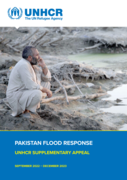
Pakistan, one of the countries that is most vulnerable to climate change, received more than three times its usual rainfall in August 2022. Torrential rains and flash-flooding began in early July 20
...
22, severely damaging living areas, schools and other communal buildings in refugee villages and host communities. Unprecedented and unrelenting rainfall and flooding in late August 2022 worsened the already fragile humanitarian situation. Nearly 1,700 people are reported to have died, and over 12,800 were injured, including at least 4,000 children
more

Developmental disabilities are common. Yet, children with developmental disabilities have been neglected in health systems planning and policy provisions for health
...
and continue to experience stigmatization, institutionalization, barriers to access health care and inequalities in health and education outcomes.
Using findings from research and practice and guided by the tenets of international human rights conventions, this WHO-UNICEF Global Report on children with developmental disabilities provides principles and approaches to intentionally include the needs and aspirations of children and young people with developmental disabilities in policy, programming and public health monitoring. It makes the case for greater accountability and proposes 10 priority actions to accelerate changes towards inclusive environments and responsive multisectoral care systems for children with developmental disabilities.
more

Through technical consultations with countries and partners, WHO has led the development of Preparedness
...
and Resilience for Emerging Threats Module 1: Planning for respiratory pathogen pandemics. Version 1.0. The Module, currently available as an advanced draft, builds on previous pandemic lessons and guidance, and has the following new elements:
It presents an integrated and efficient respiratory pathogen pandemic planning approach covering both novel pathogens and those known to have pandemic potential;
It enables coherence in addressing pathogen-agnostic and pathogen-specific elements for better preparedness;
It gives an organizing framework including operational stages and triggers for escalation and de-escalation between pandemic preparedness and response periods;
It contextualizes 12 IHR (2005) core capacities within the five components of health emergency preparedness, response and resilience (HEPR), from the respiratory threats perspective; and
It describes the critical sectors for respiratory pathogen pandemic preparedness to trigger multisectoral collaboration.
WHO will finalize and publish this Module after a global technical meeting that will be held on 24-26 April 2023.
more

Addressing comorbidities and risk factors for TB is a crucial component of Pillar one of the End TB Strategy, which focuses on integrated patient-c
...
entred care and prevention, including action on TB and comorbidities. The Framework for collaborative action on TB and comorbidities aims to support countries in the evidence-informed introduction and scale-up of holistic people-centred services for TB, comorbidities and health-related risk factors, with the goal of comprehensively addressing TB and other co-existing health conditions. It should be used in conjunction with relevant WHO guidelines. The Framework is intended for use by people working in ministries of health, other relevant line-ministries, policymakers, international technical and funding organizations, researchers, nongovernmental and civil society organizations, as well as primary care workers, specialist health practitioners, and community health workers who support the response to TB and comorbidities in both the public and private sectors.
more
