
Filter
1762
Text search:
women
cancer
Featured
192
463
Language
Document type
842
365
280
86
78
40
39
10
7
6
5
1
1
Countries
140
103
76
55
40
39
37
35
29
29
28
23
22
21
21
21
20
20
19
17
17
14
14
13
13
12
11
11
10
9
9
8
8
7
7
6
6
6
6
6
5
5
5
5
5
4
4
4
4
4
4
4
4
4
4
3
3
3
3
3
3
3
3
3
3
3
2
2
2
2
2
2
2
2
2
2
2
2
2
2
2
2
2
2
1
1
1
1
1
1
1
1
1
1
1
1
1
1
1
1
1
1
1
1
1
1
1
1
1
1
1
1
1
1
Authors & Publishers
Publication Years
Category
762
177
159
117
46
40
9
1
Toolboxes
144
121
87
86
72
69
53
51
41
39
36
35
33
23
17
13
11
7
6
6
4
4
2
2
2

More than a quarter of the global population still cook meals over open fires and/or on simple stoves fuelled by firewood, agricultural waste, dried dung, charcoal, and coal. This practice results in the emission of harmful and dangerously high levels of household air pollution.
Exposure to this h
...
Effective surveillance and monitoring of noncommunicable diseases (NCDs) and their risk factors are essential for informing evidence-based public health policies, addressing health inequities, and ensuring progress toward global and regional targets. By tracking trends in NCDs, their modifiable risk
...

This resulting toolkit is a practical guide intended to assist users to become advocates for palliative care in a practical and effective
way. It is not necessarily a resource to read from cover to cover; rather, it can also be used selectively to each reader’s needs to engage audiences and
...

These guidelines update earlier WHO recommendations to maximize the HIV prevention impact of safe VMMC services and aim to guide the transition to the sustained provision of interventions with a focus on the health and well-being of both adolescent boys and men.

These guidelines, produced in 2022 by the Uganda Ministry of Health, provide guidance on the diagnosis of HIV, the care of people living with HIV, and the use of antiretroviral drugs for treating and preventing HIV infection, including injectable cabotegravir and the dapivirine vaginal ring.

Polic brief. In this policy brief, we give an update on those parts of the guidelines which are relevant for men who have sex with men.
The standards of care for HIV define the expected or desired quality of prevention, treatment, and care for people at risk of HIV acquisition or living with HIV.
The standards are based on a scientific rationale, as well as the responsibilities of each stakeholder, to ensure that people receive app
...

Core Guidance. Differentiated service delivery is highlighted as a key approach for HIV programmes to enhance implementation quality and efficiency.

The Guide on HIV Services for Adolescents Living with HIV (ALHIV) describes
organization of adolescent-friendly services to guide heath management teams and health
care workers (HCWs) on their roles. It also outlines important aspects to consider when
offering comprehensive care to adolescents an
...

This report examines how clinical trials contribute to environmental impacts and outlines key considerations for integrating environmental sustainability into trial design, conduct and oversight. It explores the carbon footprint and resource use associated with clinical research activities – inclu
...

This guideline document is a publication of the National AIDS & STI Control Program, Ministry of Health
Kenya
Why we need Targets for 2025.
1.2020 Fast Track targets will soon elapse; 2. Current UNAIDS strategy concludes in 2021; 3. Informs possible UN General Assembly Special Session on AIDS in 2021; where a new Political Declaration on AIDS would be adopted; 4. Informs the strategies of other organisatio
...

A Global Access Framework for Country-Led.
ResponsesThis 2030 Prevention access framework focuses on one of those top-line targets, which covers primary prevention and requires that 90% of people in need of HIV prevention are using effective prevention options by 2030. This target is disaggregated
...

The Gender Assessment Tool for National HIV Responses (Gender Assessment Tool) is intended to assist countries in assessing their HIV epidemic, context and response through an intersectional gender lens, with the aim of strengthening gender-transformative, equitable and rights-based HIV responses. T
...

4–15 February 2013
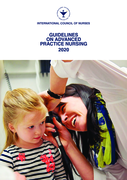
In order to meet changing global population needs and consumer expectations, healthcare systems worldwide are under transformation and face restructuring. As systems adapt and shift their emphasis in response to the disparate requests for healthcare services, oppor-tunities emerge for nurses, especi
...

