
Filter
1738
Text search:
operational
manual
Featured
206
543
Language
Document type
957
314
186
155
66
38
11
5
3
2
1
Countries / Regions
119
67
51
48
48
40
37
37
33
31
31
31
30
29
26
21
21
21
19
17
17
16
16
14
14
14
12
11
11
10
10
10
9
9
9
9
9
7
6
6
6
6
5
5
5
4
4
4
4
4
4
4
3
3
3
3
3
3
3
2
2
2
2
2
2
2
2
2
2
2
2
2
2
2
2
2
2
2
2
2
2
2
2
1
1
1
1
1
1
1
1
1
1
1
1
1
1
1
1
1
1
1
1
1
1
1
1
1
1
1
1
Authors & Publishers
Publication Years
Category
689
217
132
116
103
45
32
Toolboxes
137
99
73
69
61
61
60
56
51
49
45
44
43
43
39
38
22
21
17
14
10
9
9
4
2
2
1


This Training module on malaria elimination has been developed by WHO to support health professionals in planning, managing, monitoring and evaluating malaria elimination programmes
A key purpose of the Recovery Toolkit is to support countries in the reactivation of health services which may have suffered as a result of the emergency. These services include ongoing programmes such as immunization and vaccinations, maternal and child health services, and noncommunicable diseases
...
This updated glossary for malaria aims to improve communication and mutual understanding within the scientific community, as well as with funding agencies, public health officials responsible for malaria programmes, and policy-makers in malaria-endemic countries
20-22 July 2015, Monrovia, Liberia



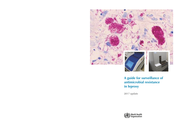
In case of resistance to rifampicin, fluoroquinolones become the preferred category of second-line drugs. Unfortunately, quinolone-resistant strains of Mycobacterium leprae have also been reported in several countries, probably due to the extensive use of quinolones for treating several types of inf
...
