
Filter
1277
Text search:
UN
Childrens
Fund
UNICEF
Featured
113
439
Language
Document type
762
236
99
70
54
23
16
12
2
1
1
1
Countries
77
47
39
38
36
30
28
25
24
24
24
24
23
22
20
19
15
14
13
13
13
13
13
13
12
12
11
10
10
10
10
10
10
10
10
9
9
9
9
8
8
6
6
6
6
6
5
5
5
5
4
4
4
3
3
3
3
3
3
2
2
2
2
2
2
2
2
2
2
2
1
1
1
1
1
1
1
1
1
1
1
1
1
1
1
1
1
1
1
1
1
1
1
1
1
Authors & Publishers
Publication Years
Category
542
172
121
54
50
19
7
Toolboxes
118
97
85
82
43
40
40
26
22
22
20
15
14
13
12
10
9
8
7
7
7
5
5
4
1
THE REPUBLIC OF BOTSWANA | MINISTRY OF HEALTH | DEPARTMENT OF PUBLIC HEALTH | NATIONAL MALARIA CONTROL PROGRAMME
Public Health Action PHA 2017; 7(2): 110–115

The Early Childhood Development Policy and its Strategic Plan seek to provide a framework to ensure such a holistic and integrated approach to the development of young children. International research has demonstrated the high economic returns on ECD investment and its positive impact on health and
...
The purpose of this Strategy is to set out the way to meet the needs of the rural populations for improved domestic water supply services, access to and use of improved sanitation with elimination of open defecation, and improved hygiene behaviour by the Year 2030. It also addresses water, sanitatio
...
The scope of the Guidance is primarily the education in rural settings in Myanmar, but it covers some of the issues which have pan Myanmar implication and relevance. Considering the importance, complexity and vastness of the subject, similar type of initiatives on urban school and education system a
...

This document was prepared in response to a need to review and potentially update the current recommendations for the antibiotic treatment of both inpatient and outpatient management of severe acute malnutrition (SAM). The current recommendations (Table 1) are based on guidelines published in 2013 i
...
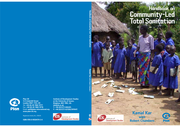
This handbook has been compiled as a source of ideas and experiences that can be used for CLTS orientation workshops, advocacy to stakeholders, training facilitators and natural leaders and implementing CLTS activities. It is a resource book especially for field staff, facilitators and trainers for
...

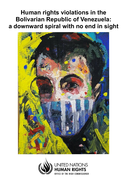

Advocacy ,Social Mobilization ,Behavior Change Communications
Technical Brief

Lücken schließen – Angebote ergänzen
Der Kooperationsverbund Gesundheitliche Chancengleichheit hat eine Handreichung zur Gesundheitsförderung mit Geflüchteten veröffentlicht. Die Broschüre führt in das Thema ein und formuliert grundlegende Handlungsoptionen. Ergänzt wird die Veröffentli
...

Working towards better COVID-19 outcomes in the WHO European Region.From the first COVID-19 cases in Europe reported on
24 January 2020, the pandemic reached 1 million cases
within 3 months, 10 million cases within 8 months, and
100 million cases in Europe alone within 2 years. Over
the course o
...

After five consecutive below-average rains, the humanitarian crisis in the Horn of Africa is expanding and deepening.
Combined with insecurity and macroeconomic volatility, the impact of the drought on food and nutrition security has been devastating. Across Ethiopia, Kenya and Somalia, an estima
...
