Filter
1796
Text search:
dry
conditions
Featured
263
545
Language
1767
34
23
18
14
13
11
5
4
4
4
3
3
3
3
3
3
2
2
2
2
2
2
2
2
2
2
2
2
1
1
1
1
1
1
1
1
1
1
1
1
1
1
1
1
1
1
1
1
Document type
915
320
252
150
60
43
23
19
9
3
1
1
Countries
155
62
62
53
49
48
42
41
38
32
31
29
27
26
26
24
20
19
18
18
15
14
13
12
11
10
10
10
9
8
8
8
8
8
8
7
7
7
7
5
5
5
5
5
5
4
4
4
4
4
4
4
4
4
4
4
3
3
3
3
3
3
3
3
3
2
2
2
2
2
2
2
2
2
2
2
2
2
2
1
1
1
1
1
1
1
1
1
1
1
1
1
1
1
1
1
1
1
1
1
1
1
1
1
1
1
1
Authors & Publishers
204
73
61
43
42
30
28
24
18
17
16
14
13
11
11
11
10
10
10
10
10
9
9
9
9
8
8
8
7
7
7
7
7
7
7
7
7
6
6
6
6
6
6
6
6
5
5
5
5
5
5
5
5
5
5
5
5
5
4
4
4
4
4
4
4
4
4
4
4
4
4
4
4
4
4
4
4
4
4
4
3
3
3
3
3
3
3
3
3
3
3
3
3
3
3
3
3
3
3
3
3
3
3
3
3
3
3
3
3
3
3
3
3
3
3
3
3
3
3
3
3
3
3
3
3
2
2
2
2
2
2
2
2
2
2
2
2
2
2
2
2
2
2
2
2
2
2
2
2
2
2
2
2
2
2
2
2
2
2
2
2
2
2
2
2
2
2
2
2
2
2
2
2
2
2
2
2
2
2
2
2
2
2
2
2
2
2
2
2
2
2
2
2
2
2
2
2
2
2
2
2
2
2
2
2
2
2
2
2
2
2
2
2
2
2
2
2
2
2
2
2
2
2
2
2
2
2
2
2
2
2
2
2
2
2
2
2
2
2
2
2
2
2
2
2
2
2
1
1
1
1
1
1
1
1
1
1
1
1
1
1
1
1
1
1
1
1
1
1
1
1
1
1
1
1
1
1
1
1
1
1
1
1
1
1
1
1
1
1
1
1
1
1
1
1
1
1
1
1
1
1
1
1
1
1
1
1
1
1
1
1
1
1
1
1
1
1
1
1
1
1
1
1
1
1
1
1
1
1
1
1
1
1
1
1
1
1
1
1
1
1
1
1
1
1
1
1
1
1
1
1
1
1
1
1
1
1
1
1
1
1
1
1
1
1
1
1
1
1
1
1
1
1
1
1
1
1
1
1
1
1
1
1
1
1
1
1
1
1
1
1
1
1
1
1
1
1
1
1
1
1
1
1
1
1
1
1
1
1
1
1
1
1
1
1
1
1
1
1
1
1
1
1
1
1
1
1
1
1
1
1
1
1
1
1
1
1
1
1
1
1
1
1
1
1
1
1
1
1
1
1
1
1
1
1
1
1
1
1
1
1
1
1
1
1
1
1
1
1
1
1
1
1
1
1
1
1
1
1
1
1
1
1
1
1
1
1
1
1
1
1
1
1
1
1
1
1
1
1
1
1
1
1
1
1
1
1
1
1
1
1
1
1
1
1
1
1
1
1
1
1
1
1
1
1
1
1
1
1
1
1
1
1
1
1
1
1
1
1
1
1
1
1
1
1
1
1
1
1
1
1
1
1
1
1
1
1
1
1
1
1
1
1
1
1
1
1
1
1
1
1
1
1
1
1
1
1
1
1
1
1
1
1
1
1
1
1
1
1
1
1
1
1
1
1
1
1
1
1
1
1
1
1
1
1
1
1
1
1
1
1
1
1
1
1
1
1
1
1
1
1
1
1
1
1
1
1
1
1
1
1
1
1
1
1
1
1
1
1
1
1
1
1
1
1
1
1
1
1
1
1
1
1
1
1
1
1
1
1
1
1
1
1
1
1
1
1
1
1
1
1
1
1
1
1
1
1
1
1
1
1
1
1
1
1
1
1
1
1
1
1
1
1
1
1
1
1
1
1
1
1
1
1
1
1
1
1
1
1
1
1
1
1
1
1
1
1
1
1
1
1
1
1
1
1
1
1
1
1
1
1
1
1
1
1
1
1
1
1
1
1
1
1
1
1
1
1
1
1
1
1
1
1
1
1
1
1
1
1
1
1
1
1
1
1
1
1
1
1
1
1
1
1
1
1
1
1
1
1
1
1
1
1
1
1
1
1
1
1
1
1
1
1
1
1
1
1
1
1
1
1
1
1
1
1
1
1
1
1
1
1
1
1
1
1
1
1
1
1
1
1
1
1
1
1
1
1
1
1
1
1
1
1
1
1
1
1
1
1
1
1
1
1
1
1
1
1
1
1
1
1
1
1
1
1
1
1
1
1
1
1
1
1
1
1
1
1
1
1
1
1
1
1
1
1
1
1
1
1
1
1
1
1
1
1
1
1
1
1
1
1
1
1
1
1
1
1
1
1
1
1
1
1
1
1
1
1
1
1
1
1
1
1
1
1
1
1
1
1
1
1
1
1
1
1
1
1
1
1
1
1
1
1
1
1
1
1
1
1
1
1
1
1
1
1
1
1
1
1
1
1
1
1
1
1
1
1
1
1
1
1
1
1
1
1
1
1
1
1
1
1
1
1
1
1
1
1
1
1
1
1
1
1
1
1
1
1
1
1
1
1
1
1
1
1
1
1
1
1
1
1
1
1
1
1
1
1
1
1
1
1
1
1
1
1
1
1
1
1
1
1
1
1
1
1
1
1
1
1
1
1
1
1
1
1
1
1
1
1
1
1
1
1
1
1
1
1
1
1
1
1
1
1
1
1
1
1
1
1
1
1
1
1
1
1
1
1
1
1
1
1
1
1
1
1
1
1
1
1
1
1
1
1
1
1
1
1
1
1
1
1
1
1
1
1
1
1
1
1
1
1
1
1
1
1
1
1
1
1
1
1
1
1
1
1
1
1
1
1
1
1
1
1
1
1
1
1
1
1
1
1
1
1
1
1
1
1
1
1
1
1
1
1
1
1
1
1
1
1
1
1
1
1
1
1
1
1
1
1
1
1
1
1
1
1
1
1
1
1
1
1
1
1
1
1
1
1
1
1
1
1
1
1
1
1
1
1
1
1
1
1
1
1
1
1
1
1
1
1
1
1
1
1
1
1
1
1
1
1
1
1
1
1
1
1
1
1
1
1
1
1
1
1
1
1
1
1
1
1
1
1
1
1
1
1
1
1
1
1
1
1
1
1
1
1
1
1
1
1
1
1
1
1
1
1
1
1
1
1
1
1
1
1
1
1
1
1
1
1
1
1
1
1
1
1
1
1
1
1
1
1
1
1
1
1
1
1
1
1
1
1
1
1
1
1
1
1
1
1
1
1
1
1
1
1
1
1
1
1
1
1
1
1
1
1
1
1
1
1
1
1
1
1
1
1
1
1
1
1
1
1
1
1
1
1
1
1
1
1
1
1
1
1
1
1
1
1
1
1
1
1
1
1
1
1
1
1
1
1
1
1
1
1
1
1
1
1
1
1
1
1
1
1
1
1
1
1
1
1
1
1
1
1
1
1
1
1
1
1
1
1
1
1
1
1
1
1
1
1
1
1
1
1
1
1
1
1
1
1
1
1
1
1
1
1
1
1
1
1
1
1
1
1
1
1
1
1
1
1
1
1
1
1
1
1
1
1
1
1
1
1
1
1
1
1
1
1
1
1
1
1
1
1
1
1
1
1
1
1
1
1
1
1
1
1
1
1
1
1
1
1
1
1
1
1
1
1
1
1
1
1
1
1
1
1
1
1
1
1
1
1
1
1
1
1
1
1
1
1
1
1
1
1
1
1
1
1
1
1
1
1
1
1
1
1
1
1
1
1
1
1
1
1
1
1
1
1
1
1
1
1
1
1
1
1
1
1
1
1
1
1
1
1
1
1
1
1
1
1
1
1
1
1
Publication Years
492
1025
253
25
1
Category
783
181
163
99
89
55
43
Toolboxes
141
125
72
70
64
63
61
57
44
42
36
33
30
29
28
28
28
27
24
23
19
5
3
2
2
The SEED assessment guide for family planning programming
recommended
EngenderHealth
(2011)
Men As Partners - A Program for Supplementing the Training of Life Skills Educators
EngenderHealth; PPASA
(2001)
A manual intended for use by Men As Partners (MAP) educators in facilitating workshops on male involvement in reproductive health. Contains a variety of interactive educational activities on such topics as gender and sexuality, male and female sexual health, HIV and AIDS, and other sexually transmit
...
ted infections, relationships, and violence, as well as general resources for facilitators.
more
The IMCI chart booklet is for use by doctors, nurses and other health professionals who see young infants and children less than five years old. It facilitates the use of the IMCI case management process in practice and describes a series of all the case management steps in a form of IMCI charts.
...
These charts show the sequence of steps and provide information for performing them. The IMCI chart booklet should be used by all health professionals providing care to sick children to help them apply the IMCI case management guidelines. Health professionals should always use the chart booklet for easy reference.The chart booklet is divided into two main parts because clinical signs in sick young infants and older children are somewhat different and because case management procedures also differ between these age groups.
Sick child aged 2 months to 5 years
This part contains all the necessary clinical algorithms, information and instructions on how to provide care to sick children aged 2 months to 5 years.
Sick young infant aged up to 2 months
This part includes case management clinical algorithms for the care of a young infant aged up to 2 months.
Each of these parts contains IMCI charts corresponding to the main steps of the IMCI case management process.
more
The guidelines address timing, number and place of postnatal contacts, and content of postnatal care for all mothers and babies during the six weeks after birth. The primary audience for these guidelines is health professionals who are responsible for providing postnatal care to women and newborns,
...
primarily in areas where resources are limited. The guidelines are also expected to be used by policy-makers and managers of maternal and child health programmes, health facilities, and teaching institutions to set up and maintain maternity and newborn care services.
more
WHO GUIDELINES REVIEW COMMITTEE
Handbook for Disaster Assessment
Laura Ortíz, Omar D. Bello, Liudmila Ortega et al.
Economic Commission for Latin America and the Caribbean (ECLAC),
(2014)
This handbook reflects and updates the work that ECLAC has done in recent decades to establish a methodology for estimating the economic consequences of a disaster, and thus determine the financing required to rebuild and return the affected area to normal. The handbook's third edition strengthens p
...
rocedures for estimating the effects of disasters, for distinguishing between losses and additional costs and systematizing the links that exist between different sectors of the economy
more
The toolkit comprises ready-to-use material designed expressly for World Bank task managers working in the water and sanitation sector. It presents a range of tools for gender analysis and practical “how-to” strategies collected from program and project experience around the world. It is one of
...
a series of toolkits being designed to assist task managers in improving project performance by incorporating gender into their work.
more
This research is one case in a study commissioned by the World Food Programme to investigate the participation of recipient community in the targeting and management of humanitarian food assistance in complex emergencies. The study involved a substantial desk review of existing documentation, and th
...
ree weeks of field work in February and March 2008. The purpose of the study was to understand the ways in which participatory or community-based approaches to targeting have been attempted, within the definition of community-based targeting suggested by WFP. The study was not an evaluation of targeting methods, although some critical examination of targeting was necessary in order to understand the constraints on community participation.
Related resources
more
A manual to train health-care workers on practising, teaching and observing hand hygiene.
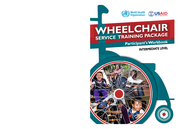
WHEELCHAIR SERVICE TRAINING PACKAGE Participant's Workbook (Intermediate level)
recommended
Sarah Frost, Kylie Mines, Jamie Noon, Elsje Scheffler, and Rebecca Jackson Stoeckle
WHO; USAID
(2013)
C_WHO
Following the release of the Wheelchair Service Training Package – Basic level (WSTP-B), WHO in partnership with United States Agency for International Development (USAID) has developed the Wheelchair Service Training Package – Intermediate Level (WSTP-I). WSTP-I is the second part of the WHO w
...
heelchair service training package series and focusses more on addressing the needs of people who have severe difficulties in walking and moving around and also having poor postural control . While developing this training package, special attention was given on the provision of appropriate wheelchairs for children who have poor postural control and are unable to sit upright independently.
Purpose of the training
The need for wheelchair personnel is universal. WSTP-I is designed to support the training of personnel or volunteers to provide an appropriate manual wheelchair and cushion for children and adults who need additional postural support to sit upright. The main purpose of this training package is to:
increase the number of wheelchair users who receive a wheelchair which meets their needs;
increase the number of personnel trained in intermediate level wheelchair service delivery;
improve the competencies of wheelchair service delivery personnel;
increase the quality of wheelchair service delivery for people who need a comparatively higher level of intervention than basic level;
include this training package in regular paramedical/rehabilitation training programmes;
achieve greater integration of wheelchair service delivery within rehabilitation services.
more
Case Studies on Building Resilience in the Horn of Africa
Helping Mothers Survive. Bleeding after Birth. Provider's Guide (English with South Asia graphics)
Jhpiego; UNFPA; International Confideration of Midwives; et al.
(2013)
C1
This guide supports the low-dose, high-frequency practice of scenerios needed to maintain competency in prevention and management of postpartum hemorrhage. The document is learner centered and is directly linked to service delivery standards. It is part of the Helping Mothers Survive Bleeding After
...
Birth training package.
more