
Filter
5582
Text search:
clinical
training
Featured
643
1377
Language
5358
158
111
92
59
46
29
24
16
12
8
7
6
5
5
5
4
4
4
4
4
4
4
4
4
3
3
3
3
2
2
2
2
2
2
2
2
2
1
1
1
1
1
1
1
1
1
1
1
1
1
1
1
1
1
1
1
1
Document type
2869
898
783
418
232
174
87
36
28
21
12
9
9
5
1
Countries
276
220
173
148
127
120
118
115
108
98
94
92
91
87
83
70
67
65
57
50
48
48
44
43
43
37
36
34
33
32
31
31
29
29
28
28
25
25
25
23
21
21
21
20
18
17
16
15
14
10
10
10
9
9
9
9
9
8
8
7
7
7
7
7
7
7
6
6
6
5
5
5
5
5
5
5
5
5
5
5
4
4
4
4
4
3
3
3
3
3
3
3
3
3
3
3
3
2
2
2
2
2
2
2
2
2
2
2
2
2
2
2
1
1
1
1
1
1
1
1
1
1
1
1
1
1
1
1
1
1
1
1
1
1
1
1
1
1
1
1
1
1
1
Authors & Publishers
953
297
183
143
135
132
94
80
74
70
61
54
44
44
32
32
30
29
29
29
28
28
23
23
22
22
20
20
19
19
19
19
18
18
18
18
17
16
14
14
14
13
13
13
13
13
13
12
12
12
12
12
12
12
12
12
11
11
10
10
10
10
10
10
10
10
9
9
9
9
9
9
9
8
8
8
8
8
8
8
8
8
8
8
8
8
8
7
7
7
7
7
7
7
7
7
7
7
7
7
7
7
7
7
7
7
7
6
6
6
6
6
6
6
6
6
6
6
6
6
6
6
6
6
6
6
6
6
6
6
6
6
6
6
6
6
6
6
6
6
6
6
5
5
5
5
5
5
5
5
5
5
5
5
5
5
5
5
5
5
5
5
5
5
5
5
5
5
5
5
5
5
5
5
5
4
4
4
4
4
4
4
4
4
4
4
4
4
4
4
4
4
4
4
4
4
4
4
4
4
4
4
4
4
4
4
4
4
4
4
4
4
4
4
4
4
4
4
4
4
4
4
4
4
4
4
4
4
4
3
3
3
3
3
3
3
3
3
3
3
3
3
3
3
3
3
3
3
3
3
3
3
3
3
3
3
3
3
3
3
3
3
3
3
3
3
3
3
3
3
3
3
3
3
3
3
3
3
3
3
3
3
3
3
3
3
3
3
3
3
3
3
3
3
3
3
3
3
3
3
3
3
3
3
3
3
3
3
3
3
3
3
3
3
2
2
2
2
2
2
2
2
2
2
2
2
2
2
2
2
2
2
2
2
2
2
2
2
2
2
2
2
2
2
2
2
2
2
2
2
2
2
2
2
2
2
2
2
2
2
2
2
2
2
2
2
2
2
2
2
2
2
2
2
2
2
2
2
2
2
2
2
2
2
2
2
2
2
2
2
2
2
2
2
2
2
2
2
2
2
2
2
2
2
2
2
2
2
2
2
2
2
2
2
2
2
2
2
2
2
2
2
2
2
2
2
2
2
2
2
2
2
2
2
2
2
2
2
2
2
2
2
2
2
2
2
2
2
2
2
2
2
2
2
2
2
2
2
2
2
2
2
2
2
2
2
2
2
2
2
2
2
2
2
2
2
2
2
2
2
2
2
2
2
2
2
2
2
2
2
2
2
2
2
2
2
2
2
2
2
2
2
2
2
2
2
2
2
2
2
2
2
2
2
2
2
2
2
2
2
2
2
2
2
2
2
2
2
2
2
2
2
2
2
2
2
2
2
2
2
2
2
2
2
2
2
2
2
2
2
2
2
2
2
2
2
2
2
2
2
2
2
2
2
2
2
2
2
2
2
2
2
2
2
2
2
2
2
2
2
2
2
2
2
2
2
2
2
2
2
2
2
2
2
2
2
2
2
2
2
2
2
2
2
2
2
2
2
2
2
2
2
2
2
2
2
2
2
2
2
2
2
2
2
2
2
1
1
1
1
1
1
1
1
1
1
1
1
1
1
1
1
1
1
1
1
1
1
1
1
1
1
1
1
1
1
1
1
1
1
1
1
1
1
1
1
1
1
1
1
1
1
1
1
1
1
1
1
1
1
1
1
1
1
1
1
1
1
1
1
1
1
1
1
1
1
1
1
1
1
1
1
1
1
1
1
1
1
1
1
1
1
1
1
1
1
1
1
1
1
1
1
1
1
1
1
1
1
1
1
1
1
1
1
1
1
1
1
1
1
1
1
1
1
1
1
1
1
1
1
1
1
1
1
1
1
1
1
1
1
1
1
1
1
1
1
1
1
1
1
1
1
1
1
1
1
1
1
1
1
1
1
1
1
1
1
1
1
1
1
1
1
1
1
1
1
1
1
1
1
1
1
1
1
1
1
1
1
1
1
1
1
1
1
1
1
1
1
1
1
1
1
1
1
1
1
1
1
1
1
1
1
1
1
1
1
1
1
1
1
1
1
1
1
1
1
1
1
1
1
1
1
1
1
1
1
1
1
1
1
1
1
1
1
1
1
1
1
1
1
1
1
1
1
1
1
1
1
1
1
1
1
1
1
1
1
1
1
1
1
1
1
1
1
1
1
1
1
1
1
1
1
1
1
1
1
1
1
1
1
1
1
1
1
1
1
1
1
1
1
1
1
1
1
1
1
1
1
1
1
1
1
1
1
1
1
1
1
1
1
1
1
1
1
1
1
1
1
1
1
1
1
1
1
1
1
1
1
1
1
1
1
1
1
1
1
1
1
1
1
1
1
1
1
1
1
1
1
1
1
1
1
1
1
1
1
1
1
1
1
1
1
1
1
1
1
1
1
1
1
1
1
1
1
1
1
1
1
1
1
1
1
1
1
1
1
1
1
1
1
1
1
1
1
1
1
1
1
1
1
1
1
1
1
1
1
1
1
1
1
1
1
1
1
1
1
1
1
1
1
1
1
1
1
1
1
1
1
1
1
1
1
1
1
1
1
1
1
1
1
1
1
1
1
1
1
1
1
1
1
1
1
1
1
1
1
1
1
1
1
1
1
1
1
1
1
1
1
1
1
1
1
1
1
1
1
1
1
1
1
1
1
1
1
1
1
1
1
1
1
1
1
1
1
1
1
1
1
1
1
1
1
1
1
1
1
1
1
1
1
1
1
1
1
1
1
1
1
1
1
1
1
1
1
1
1
1
1
1
1
1
1
1
1
1
1
1
1
1
1
1
1
1
1
1
1
1
1
1
1
1
1
1
1
1
1
1
1
1
1
1
1
1
1
1
1
1
1
1
1
1
1
1
1
1
1
1
1
1
1
1
1
1
1
1
1
1
1
1
1
1
1
1
1
1
1
1
1
1
1
1
1
1
1
1
1
1
1
1
1
1
1
1
1
1
1
1
1
1
1
1
1
1
1
1
1
1
1
1
1
1
1
1
1
1
1
1
1
1
1
1
1
1
1
1
1
1
1
1
1
1
1
1
1
1
1
1
1
1
1
1
1
1
1
1
1
1
1
1
1
1
1
1
1
1
1
1
1
1
1
1
1
1
1
1
1
1
1
1
1
1
1
1
1
1
1
1
1
1
1
1
1
1
1
1
1
1
1
1
1
1
1
1
1
1
1
1
1
1
1
1
1
1
1
1
1
1
1
1
1
1
1
1
1
1
1
1
1
1
1
1
1
1
1
1
1
1
1
1
1
1
1
1
1
1
1
1
1
1
1
1
1
1
1
1
1
1
1
1
1
1
1
1
1
1
1
1
1
1
1
1
1
1
1
1
1
1
1
1
1
1
1
1
1
1
1
1
1
1
1
1
1
1
1
1
1
1
1
1
1
1
1
1
1
1
1
1
1
1
1
1
1
1
1
1
1
1
1
1
1
1
1
1
1
1
1
1
1
1
1
1
1
1
1
1
1
1
1
1
1
1
1
1
1
1
1
1
1
1
1
1
1
1
1
1
1
1
1
1
1
1
1
1
1
1
1
1
1
1
1
1
1
1
1
1
1
1
1
1
1
1
1
1
1
1
1
1
1
1
1
1
1
1
1
1
1
1
1
1
1
1
1
1
1
1
1
1
1
1
1
1
1
1
1
1
1
1
1
1
1
1
1
1
1
1
1
1
1
1
1
1
1
1
1
1
1
1
1
1
1
1
1
1
1
1
1
1
1
1
1
1
1
1
1
1
1
1
1
1
1
1
1
1
1
1
1
1
1
1
1
1
1
1
1
1
1
1
1
1
1
1
1
1
1
1
1
1
1
1
1
1
1
1
1
1
1
1
1
1
1
1
1
1
1
1
1
1
1
1
1
1
1
1
1
1
1
1
1
1
1
1
1
1
1
1
1
1
1
1
1
1
1
1
1
1
1
1
1
1
1
1
1
1
1
1
1
1
1
1
1
1
1
1
1
1
1
1
1
1
1
1
1
1
1
1
1
1
1
1
1
1
1
1
1
1
1
1
1
1
1
1
1
1
1
1
1
1
1
1
1
1
1
1
1
1
1
1
1
1
1
1
1
1
1
1
1
1
1
1
1
1
1
1
1
1
1
1
1
1
1
1
1
1
1
1
1
1
1
1
1
1
1
1
1
1
1
1
1
1
1
1
1
1
1
1
1
1
1
1
1
1
1
1
1
1
1
1
1
1
1
1
1
1
1
1
1
1
1
1
1
1
1
1
1
1
1
1
1
1
1
1
1
1
1
1
1
1
1
1
1
1
1
1
1
1
1
1
1
1
1
1
1
1
1
1
1
1
1
1
1
1
1
1
1
1
1
1
1
1
1
1
1
1
1
1
1
1
1
1
1
1
1
1
1
1
1
1
1
1
1
1
1
1
1
1
1
1
1
1
1
1
1
1
1
1
1
1
1
1
1
1
1
1
1
1
1
1
1
1
1
1
1
1
1
1
1
1
1
1
1
1
1
1
1
1
1
1
1
1
1
1
1
1
1
1
1
1
1
1
1
1
1
1
1
1
1
1
1
1
1
1
1
1
1
1
1
1
1
1
1
1
1
1
1
1
1
1
1
1
1
1
1
1
1
1
1
1
1
1
1
1
1
1
1
1
1
1
1
1
1
1
1
1
1
1
1
1
1
1
1
1
1
1
1
1
1
1
1
1
1
1
1
1
1
1
1
1
1
1
1
1
1
1
1
1
1
1
1
1
1
1
1
1
1
1
1
1
1
1
1
1
1
1
1
1
1
1
1
1
1
1
1
1
1
1
1
1
1
1
1
1
1
1
1
1
1
1
1
1
1
1
1
1
1
1
1
1
1
1
1
1
1
1
1
1
1
1
1
1
1
1
1
1
1
1
1
1
1
1
1
1
1
1
1
1
1
1
1
1
1
1
1
1
1
1
1
1
1
1
1
1
1
1
1
1
1
1
1
1
1
1
1
1
1
1
1
1
1
1
1
1
1
1
1
1
1
1
1
1
1
1
1
1
1
1
1
1
1
1
1
1
1
1
1
1
1
1
1
1
1
1
1
1
1
1
1
1
1
1
1
1
1
1
1
1
1
1
1
1
1
1
1
1
1
1
1
1
1
1
1
1
1
1
1
1
1
1
1
1
1
1
1
1
1
1
1
1
1
1
1
1
1
1
1
1
1
1
1
1
1
1
1
1
1
1
1
1
1
1
1
1
1
1
1
1
1
1
1
1
1
1
1
1
1
1
1
1
1
1
1
1
1
1
1
1
1
1
1
1
1
1
1
1
1
1
1
1
1
1
1
1
1
1
1
1
1
1
1
1
1
1
1
1
1
1
1
1
1
1
1
1
1
1
1
1
1
1
1
1
1
1
1
1
1
1
1
1
1
1
1
1
1
1
1
1
1
1
1
1
1
1
1
1
1
1
1
1
1
1
1
1
1
1
1
1
1
1
1
1
1
1
1
1
1
1
1
1
1
1
1
1
1
1
1
1
1
1
1
1
1
1
1
1
1
1
1
1
1
1
1
1
1
1
1
1
1
1
1
1
1
1
1
1
1
1
1
1
1
1
1
1
1
1
1
1
1
1
1
1
1
1
1
1
1
1
1
1
1
1
1
1
1
1
1
1
1
1
1
1
1
1
1
1
1
1
1
1
1
1
1
1
1
1
1
1
1
1
1
1
1
1
1
1
1
1
1
1
1
1
1
1
1
1
1
1
1
1
1
1
1
1
1
1
1
1
1
1
1
1
1
1
1
1
1
1
1
1
1
1
1
1
1
1
1
1
1
1
1
1
1
1
1
1
1
1
1
1
1
1
1
1
1
1
1
1
1
1
1
1
1
1
1
1
1
1
1
1
1
1
1
1
1
1
1
1
1
1
1
1
1
1
1
1
1
1
1
1
1
1
1
1
1
1
1
1
1
1
1
1
1
1
1
1
1
1
1
1
1
1
1
1
1
1
1
1
1
1
1
1
1
1
1
1
1
1
1
1
1
1
1
1
1
1
1
1
1
1
1
1
1
1
1
1
1
1
1
1
1
1
1
1
1
1
1
1
1
1
1
1
1
1
1
1
1
1
1
1
1
1
1
1
1
1
1
1
1
1
1
1
1
1
1
1
1
1
1
1
1
1
1
1
1
1
1
1
1
1
1
1
1
1
1
1
1
1
1
1
1
1
1
1
1
1
1
1
1
1
1
1
1
1
1
1
1
1
1
1
1
1
1
1
1
1
1
1
1
1
1
1
1
1
1
1
1
1
1
1
1
1
1
1
1
1
1
1
1
1
1
1
1
1
1
1
1
1
1
1
1
1
1
1
1
1
1
1
1
1
1
1
1
1
1
1
1
1
1
1
1
1
1
1
1
1
1
1
1
1
1
1
1
1
1
1
1
1
1
1
1
1
1
1
1
1
1
1
1
1
1
1
1
1
1
1
1
1
1
1
1
1
1
1
1
1
1
1
1
1
1
1
1
1
1
1
1
1
1
1
1
1
1
1
1
1
1
1
1
1
1
1
1
1
1
1
1
1
1
1
1
1
1
1
1
1
1
1
1
1
1
1
1
1
1
1
1
1
1
1
1
1
1
1
1
1
1
1
1
1
1
1
1
1
1
1
1
1
1
1
1
1
1
1
1
1
1
1
1
1
1
1
1
1
1
1
1
1
1
1
1
1
1
1
1
1
1
1
1
1
1
1
1
1
1
1
1
1
1
1
1
1
1
1
1
1
1
1
1
1
1
1
1
1
1
1
1
1
1
1
1
1
1
1
1
1
1
1
1
1
1
1
1
1
1
1
1
1
1
1
1
1
1
1
1
1
1
1
1
1
1
1
1
1
1
1
1
1
1
1
1
1
1
1
1
1
1
1
1
1
1
1
1
1
1
1
1
1
1
1
1
1
1
1
1
1
1
1
1
1
1
1
1
1
1
1
1
1
1
1
1
1
1
1
1
1
1
1
1
1
1
1
1
1
1
1
1
1
1
1
1
1
1
1
1
1
1
1
1
1
1
1
1
1
1
1
1
1
1
1
1
1
1
1
1
1
1
1
1
1
1
1
1
1
1
1
1
1
1
1
1
1
1
1
1
1
1
1
1
1
1
1
1
1
1
1
1
1
1
1
1
1
1
1
1
1
1
1
1
1
1
1
1
1
1
1
1
1
1
1
1
1
1
1
1
1
1
1
1
1
1
1
1
1
1
1
1
1
1
1
1
1
1
1
1
1
1
1
1
1
1
1
1
1
1
1
1
1
1
1
1
1
1
1
1
1
1
1
1
1
1
1
1
1
1
1
1
1
1
1
1
1
1
1
1
1
1
1
1
1
1
1
1
1
1
1
1
1
1
1
1
1
1
1
1
1
1
1
1
1
1
1
1
1
1
1
1
1
1
1
1
1
1
1
1
1
1
1
1
1
1
1
1
1
1
1
1
1
1
1
1
1
1
1
1
1
1
1
1
1
1
1
1
1
1
1
1
1
1
1
1
1
1
1
1
1
1
1
1
1
1
1
1
1
1
1
1
1
1
1
1
1
1
1
1
1
1
1
1
1
1
1
1
1
1
1
1
1
1
1
1
1
1
1
1
1
1
1
1
1
1
1
1
1
1
1
1
1
1
1
1
1
1
1
1
1
1
1
1
1
1
1
1
1
1
1
1
1
1
1
1
1
1
1
1
1
1
1
1
1
1
1
1
1
1
1
1
1
1
1
1
1
1
1
1
1
1
1
1
1
1
1
1
1
1
1
1
1
1
1
1
1
1
1
1
1
1
1
1
1
1
1
1
1
1
1
1
1
1
1
1
1
1
1
1
1
1
1
1
1
1
1
1
1
1
1
1
1
1
1
1
1
1
1
1
1
1
1
1
1
1
1
1
1
1
1
1
1
1
1
1
1
1
1
1
1
1
1
1
1
1
1
1
1
1
1
1
1
1
1
1
1
1
1
1
1
1
1
1
1
1
1
1
1
1
1
1
1
1
1
1
1
1
1
1
1
1
1
1
1
1
1
1
1
1
1
1
1
1
1
1
1
1
1
1
1
1
1
1
1
1
1
1
1
1
1
1
1
1
1
1
1
1
1
1
1
1
1
1
1
1
1
1
1
1
1
1
1
1
1
1
1
1
1
1
1
1
1
1
1
1
1
1
1
1
1
1
1
1
1
1
1
1
1
1
1
1
1
1
1
1
1
1
1
1
1
1
1
1
1
1
1
1
1
1
1
1
1
1
1
1
1
1
1
1
1
1
1
1
1
1
1
1
1
1
1
1
1
1
1
1
1
1
1
1
1
1
1
1
1
1
1
1
1
1
1
1
1
1
1
1
1
1
1
1
1
1
1
1
1
1
1
1
1
1
1
1
1
1
1
1
1
1
1
1
1
1
1
1
1
1
1
1
1
1
1
1
1
1
1
1
1
1
1
1
1
1
1
1
1
1
1
1
1
1
1
1
1
1
1
1
1
1
1
1
1
1
1
1
1
1
1
1
1
1
1
1
1
1
1
1
1
1
1
1
1
1
1
1
1
1
1
1
1
1
1
1
1
1
1
1
1
1
1
1
1
1
1
1
1
1
1
1
1
1
1
1
1
1
1
1
1
1
1
1
1
1
1
1
1
1
1
1
1
1
1
1
1
1
1
1
1
1
1
1
1
1
1
1
1
1
1
1
1
1
1
1
1
1
1
1
1
1
1
1
1
1
1
1
1
1
1
1
1
1
1
1
1
1
1
1
1
1
1
1
1
1
1
1
1
1
1
1
1
1
1
1
1
1
1
1
1
1
1
1
1
1
1
1
1
1
1
1
1
1
1
1
1
1
1
1
1
1
1
1
1
1
1
1
1
1
1
1
1
1
1
1
1
1
1
1
1
1
1
1
1
1
1
1
1
1
1
1
1
1
1
1
1
1
1
1
1
1
1
1
1
1
1
1
1
1
1
1
1
1
1
1
1
1
1
1
1
1
1
1
1
1
1
1
1
1
1
1
1
1
1
1
1
1
1
1
1
1
1
1
1
1
1
1
1
1
1
1
1
1
1
1
1
1
1
1
1
1
1
1
1
1
1
1
1
1
1
1
1
1
1
1
1
1
1
1
1
1
1
1
1
1
1
1
1
1
1
1
1
1
1
1
1
1
1
1
1
1
1
1
1
1
1
1
1
1
1
1
1
1
1
1
1
1
1
1
1
1
1
1
1
1
1
1
1
1
1
1
1
1
1
1
1
1
1
1
1
1
1
1
1
1
1
1
1
1
1
1
1
1
1
1
1
1
1
1
1
1
1
1
1
1
1
1
1
1
1
1
1
1
1
1
1
1
1
1
1
1
1
1
1
1
1
1
1
1
1
1
1
1
1
1
1
1
1
1
1
1
1
Publication Years
1653
3333
560
32
4
Category
2045
581
380
315
259
244
88
3
Toolboxes
612
407
318
273
221
215
191
184
144
130
122
114
114
92
89
87
68
60
46
34
34
28
26
25
25
USAID funded/ Primary Health Care Project in Iraq (PHCPI) in cooperation with Iraqi Ministry of Health (MOH) aims to promote Primary Health Care (PHC) services provided by Primary Health Care Clinics (PHCCs) in Iraq in order to achieve the development goal in enhancing the PHC provision system throu
...
gh achieving the following results: First: Enhancing management and operations systems, which support clinical care. Second: Improving the quality of the delivered PHC according to quality standards. Third: Enhancing and expanding local community participation and partnership in PHC. Maintaining the medical & service devices in the hospitals and health clinics besides making them function according to the adapted standard specifications, lead to providing most efficient medical services for people and accomplish the purposes for which they were invented. Maintenance and repair of facilities and infrastructure, and keeping them safe and clean are also of the important approaches for the results referred to in (first) and (second) above. This can be achieved through enhancing and developing facilities, and medical & service devices management. This guideline seeks to develop work mechanism for engineers, technicians and the PHCCs’ facilities and medical & service equipment maintenance workers; clarify the concept of maintenance, its importance and classifications in health area, its planning and implementation, the tasks and duties of other directorates and departments of the Ministry in relation to all kinds of maintenance. Add to that preparing documents and forms, which are used in documenting and monitoring the steps required to be accomplished in the maintenance of PHCCs’ facilities and medical & service equipment, for the equipment to perform the best possible services for people and get their satisfaction.
more
Burns are a global public health problem, accounting for close to 200,000 deaths annually. The majority of these occur in low- and middle-income countries, where a number of constraints complicate the public health task of addressing burns. While the primary prevention of burns in low- and middle-in
...
come countries is a pressing need, the World Health Organization (WHO) also actively encourages further development of burn-care systems, including the training of health-care providers in the appropriate triage and management of people with burns.
more

Noncommunicable diseases (NCDs) such as cancer, cardiovascular diseases, diabetes and chronic respiratory diseases and their risk factors are an increasing public health and development challenge in Kyrgyzstan. This report provides evidence through three analyses that NCDs reduce economic outp
...
ut and discusses potential options in response, outlining details of their relative returns on investment. An economic burden analysis shows that economic losses from NCDs are equivalent to 3.9% of gross domestic product. An intervention costing analysis provides an estimate of the funding required to implement a set of policy interventions for prevention and clinical interventions. A cost–benefit analysis compares these implementation costs with the estimated health gains and identifies which policy packages would give the greatest returns on investment.
more

Lateral-flow rapid diagnostic tests (RDTs) continue to play a vital role in global health in the management and diagnosis of infectious diseases, including malaria, HIV and COVID-19. Visually interpreted RDTs, more than any other class of diagnostics, fulfil WHO’s ASSURED criteria,1 enabling their
...
use at the lowest levels of health care and in self-testing.2 Their utility is, however, compromised every time a test is incorrectly performed or interpreted or its result is not available in a timely manner for clinical decisionmaking and surveillance.
more

This document summarizes current WHO guidance for public health surveillance of coronavirus disease 2019 (COVID-19) in humans caused by infection with severe acute respiratory syndrome coronavirus 2 (SARS-CoV-2).
New elements include:
update of contact definitions, in line with latest cont
...
act tracing guidance
update of detection strategies in line with updated version of WHO SARS-CoV-2 testing guidance
reinfection evidence standardization and surveillance: molecular, genomic and immunological evidence of reinfection
inclusion of clinical case definition of Post COVID-19 condition as defined by WHO
definition of breakthrough infection
more

In the face of rapid increases in the number of hospitalizations due to COVID-19 in Latin America and the Caribbean, coupled with shortages of human and material resources, including medical equipment and gases, there is a need to redesign models of care in the Region to optimize available resources
...
and ensure that more patients receive the quantity and quality of oxygen they need. Oxygen is included in the World Health Organization’s list of essential medicines and is used to care for patients at all levels of integrated health services networks. The efficacy of oxygen use in the treatment of patients with respiratory conditions caused by COVID-19 has been demonstrated, but there is great opportunity to improve the effectiveness of its use if it is used in a rational, sustainable, and safe way. Bearing in mind that the efficacy of a health technology is measured by its benefit under actual conditions of use, practical actions can be taken to improve the use of medical oxygen and avoid oxygen shortages. A drug is considered to be used rationally when patients receive it according to their clinical needs, in doses appropriate to their individual needs, for an appropriate period, and at a low cost to them and their community. By providing instruction on the rational use of oxygen and promoting it, negative repercussions can be avoided, such as loss of efficacy as a result of activities related to oxygen storage, distribution, and administration. Rational use of oxygen also involves controlling waste due to leaks in storage and distribution systems, use of gas at incorrect pressures, use of incorrectly adjusted flowmeters, and disconnections, among other problems. Another aspect to consider is the provision of adequate technical support for all oxygen production systems, in terms of maintenance and calibration, availability of electrical energy, and specific knowledge about these systems. For these reasons, a set of guidelines has been put together for the development of an efficient management system to deal with situations of oxygen scarcity, both now and in the future.
more
mhGAP Intervention Guide Mental Health Gap Action Programme Version 2.0 for mental, neurological and substance use disorders in non-specialized health settings
The key updates include: content update in various sections based on new evidence; design changes for enhanced usability; a streamlined and
...
simplified clinical assessment that includes an algorithm for follow-up; inclusion of two new modules
- Essential Care and Practice that includes general guidelines and Iminterventions and implementation module to support the proposed interventions by necessary infrastructure and resources; and, revised modules for Psychoses, Child and Adolescent Mental and Behavioural Disorders and Disorders due to Substance Use
more
The Committee discussed the implications for preparedness for smallpox-like events reflected by the ongoing COVID-19 pandemic. The Committee noted how quickly diagnostics and vaccines could be developed and deployed when resources and political will were abundant. This rapidity was also due to the f
...
act that the genetic sequence of the severe acute respiratory syndrome coronavirus 2 (SARS-CoV-2) had been shared worldwide. It was noted that in one country SARS-CoV-2 had been reconstructed in a laboratory from the viral genome sequence before the first case of COVID-19 had been reported, highlighting the benefits of synthetic biology technologies for accelerated development of diagnostics as well as the oft-described potential risks. Lessons learned about clinical care during the COVID-19 pandemic were also discussed.
more
Patient-centred care (PCC) is a pillar of quality health services, where decision-making power is shared between the clinician and the patient. Although, this approach could be adopted with easiness in high income settings or in countries with unified health systems, in settings such as Peru, where
...
universal access and other structural problems remain a challenge, the practice of PCC is not a priority. In Peru, research on PCC has been conducted for almost two decades, but this has not generated a need for development in academia, decision makers, health personnel or patients. Here, we give an overview of the road that PCC research has taken in Peru and the challenges that remain to translate it into clinical practice.
more

The primary audience for these recommendations includes health professionals who are responsible for developing national and local health-care guidelines and protocols and health workers involved in the provision of care to women and their newborns during pregnancy, labour and childbirth; this inclu
...
des midwives, nurses, general medical practitioners and obstetricians. The primary audience also includes managers of maternal and child health programmes, and relevant staff in ministries of health and educational and training institutions, in all settings.
more

The primary audience for these recommendations includes health professionals who are responsible for developing national and local health-care guidelines and protocols and health workers involved in the provision of care to women and their newborns during pregnancy, labour and childbirth; this inclu
...
des midwives, nurses, general medical practitioners and obstetricians. The primary audience also includes managers of maternal and child health programmes, and relevant staff in ministries of health and educational and training institutions, in all settings.
more

The primary audience for these recommendations includes health professionals who are responsible for developing national and local health-care guidelines and protocols and health workers involved in the provision of care to women and their newborns during pregnancy, labour and childbirth; this inclu
...
des midwives, nurses, general medical practitioners and obstetricians. The primary audience also includes managers of maternal and child health programmes, and relevant staff in ministries of health and educational and training institutions, in all settings.
more

As countries aim to progress towards the Sustainable Development Goals (SDGs) and achieving universal health coverage, health inequities driven by racial discrimination and intersecting factors remain pervasive. Inequities experienced by indigenous peoples as well as people of African descent, Roma
...
and other ethnic minorities are of concern globally; they are unjust, preventable and remediable.
Health systems themselves are important determinants of health and health equity. They can perpetuate health inequities by reflecting structural racism and discriminatory practices of wider society. For instance, systemic racism, implicit bias, misinformed clinical practice, or discrimination by health professionals contributes to health inequities. However, health systems can also be a leading force for tackling the inequities faced by populations experiencing racial discrimination.
Primary health care (PHC) is the essential strategy for reorientating health systems and societies to become healthier, equitable, effective and sustainable. In 2018, on the 40th anniversary of the Declaration of Alma-Ata, the World Health Organization (WHO) and the United Nations Children’s Fund (UNICEF) renewed the emphasis on PHC with their strategy,
WHO outlines 14 strategic and operational levers for policy-makers to strengthen PHC. Within each lever, there are multiple potential entry points for targeted actions to address racial discrimination, foster intercultural care, and reduce health inequities experienced by indigenous peoples as well as people of African descent, Roma and other ethnic minorities.
more

What are the FP and CAC competencies?
Through the clear articulation of the family planning and comprehensive abortion care (FP and CAC) competencies for the primary health care workforce, the aim is to advance improvements in FP and CAC service delivery by aligning health worker education approach
...
es with population health needs and health system demands.
This document, which describes these competencies in detail, is intended to:
be a foundational tool to be adopted and adapted by educators and regulators for FP and CAC providers (students) with a pre-service training pathway of at least 12 months;
describe competencies that are relevant to current and future health practice;
enable widespread use of the competencies not only for curriculum development for pre-service education, but also for in-service education, regulation, qualifications, quality assurance, personal development, performance evaluation, recruitment, management and career progression;
focus on the core functions of FP and CAC providers within broader efforts towards achieving universal health coverage
more

Schistosomiasis is widely recognized as a disease that is socially determined. An understanding of the social and behavioural factors linked to disease transmission and control should play a vital role in designing policies and strategies for schistosomiasis prevention and control. To this must be a
...
dded the awareness that schistosomiasis is also a disease of poverty. It still survives in poverty-stricken, remote areas where there is little or no safe water or sanitation, and health care is scarce or non-existent. For a variety of complex reasons, many of which are addressed in this book, the disease is particularly prevalent in sub-Saharan Africa, and persists in certain areas of rural China. This concern for human behaviour in an environment of poverty echoes the concerns of the new research priority for “diseases of poverty” identified by the Special Programme for Research & Training in Tropical Diseases.
more

The social context of schistosomiasis and its control: an introduction and annotated bibliography
Bruun, B.; Aagaard-Hansen, J.; Watts, S.
World Health Organization WHO; Institutional Repository for Information Sharing iris
(2008)
C_WHO
Schistosomiasis is widely recognized as a disease that is socially determined. An
understanding of the social and behavioural factors linked to disease transmission and
control should play a vital role in designing policies and strategies for schistosomiasis
prevention and control. To this must b
...
e added the awareness that schistosomiasis is
also a disease of poverty. It still survives in poverty-stricken, remote areas where there
is little or no safe water or sanitation, and health care is scarce or non-existent. For
a variety of complex reasons, many of which are addressed in this book, the disease
is particularly prevalent in sub-Saharan Africa, and persists in certain areas of rural
China. This concern for human behaviour in an environment of poverty echoes the
concerns of the new research priority for “diseases of poverty” identified by the
Special Programme for Research & Training in Tropical Diseases.
more
Violence against women and girls is widespread in the Region of the Americas, resulting in enormous consequences for the health and wellbeing of women and girls, their families and communities. These costs are unacceptable and they can be prevented through evidence-based action, including the health
...
sector through its policies and protocols, as well as in collaboration with other sectors. This report remains the first of its kind and is a major milestone for the Region. It is specifically informed by the commitments of Member States in the regional Strategy and Plan of Action on Strengthening the Health System to Address Violence against Women. The report provides an analysis of efforts to advance the prevention of violence against women through health policies, clinical protocols, multisectoral plans and related approaches across the Americas. Attention to this topic is timely, as the COVID-19 pandemic has created new visibility for this area of work. This report offers critical information on efforts in the Region that can be learned from and used to build upon in the future to prevent and respond to violence against all women and girls everywhere.
more
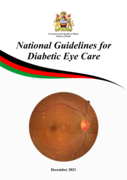
Diabetes mellitus (DM) is a global epidemic with significant morbidity. Diabetic
retinopathy (DR) is the specific microvascular complication of DM and affects 1 in 3 persons with DM. DR remains a leading cause of vision loss in working adult populations. Patients with severe levels of DR are report
...
ed to have poorer quality of life and reduced levels of physical, emotional, and social well-being, and they utilize more health care resources.
Epidemiological studies and clinical trials have shown that optimal control of blood glucose, blood pressure, and blood lipids can reduce the risk of developing retinopathy and slow its progression. Timely treatment with laser photocoagulation, and increasingly, the appropriate use of intraocular administration of vascular endothelial growth factor (VEGF) inhibitors can prevent visual loss in vision- threatening retinopathy, particularly diabetic macular edema (DME). Since visual loss may not be present in the earlier stages of retinopathy, regular screening of persons with diabetes is essential to enable early intervention.
more

2nd edition. The Event-based Surveillance Framework is intended to be used by authorities and agencies responsible for surveillance and response. This framework serves as an outline to guide stakeholders interested in implementing event-based surveillance (EBS) using a multisectoral, One Health appr
...
oach. You can download the Training Manual and Framework in Arabic, English, French, and Portuguese
more

The Lancet Volume 390, Issue 10110p2397-2409November 25, 2017.
Human African trypanosomiasis (HAT), also called sleeping sickness, is a parasitic infection that almost invariably progresses to death, unless treatment is provided. HAT caused devastating epidemics during the 20th century. Thanks to
...
sustained and coordinated efforts during the past 15 years the number of reported cases has fallen to a historic low. Fewer than 3,000 cases were reported in 2015, and the disease is targeted for elimination by the World Health Organization. Despite recent success, HAT still poses a heavy burden on the rural communities where this highly focal disease occurs, most notably in Central Africa. Since patients are also reported from non-endemic countries outside Africa, HAT should be considered in differential diagnosis for all travellers, tourists, migrants and expatriates who have visited or lived in endemic areas. In the absence of a vaccine, disease control relies on case detection and treatment, and vector control. Available drugs are sub-optimal, but ongoing clinical trials give hope for safer and simpler treatments.
more
