
Filter
2045
Text search:
clinical
trials
Featured
239
353
Language
1903
69
69
56
28
21
13
13
8
2
2
2
2
2
2
1
1
1
1
1
1
Document type
946
430
357
112
81
50
32
12
12
7
3
2
Countries
110
100
57
36
32
27
23
21
21
21
20
19
19
18
18
17
17
16
15
15
15
14
14
12
12
12
12
11
10
10
10
9
9
8
8
6
6
6
6
6
5
5
5
5
5
5
4
4
4
4
4
4
4
3
3
3
3
3
3
3
3
2
2
2
2
2
2
2
2
2
2
2
2
2
1
1
1
1
1
1
1
1
1
1
1
1
1
1
1
1
1
1
1
1
1
1
Authors & Publishers
477
148
87
60
45
44
43
27
19
19
19
16
15
12
12
12
12
10
10
9
8
8
7
7
6
6
6
6
6
6
5
5
5
5
5
5
5
5
5
5
5
5
4
4
4
4
4
4
4
4
4
4
4
4
4
4
4
4
4
4
4
3
3
3
3
3
3
3
3
3
3
3
3
3
3
3
3
3
3
3
3
3
3
3
3
3
3
3
3
3
3
3
3
3
3
3
3
3
3
3
3
3
3
3
3
3
3
3
2
2
2
2
2
2
2
2
2
2
2
2
2
2
2
2
2
2
2
2
2
2
2
2
2
2
2
2
2
2
2
2
2
2
2
2
2
2
2
2
2
2
2
2
2
2
2
2
2
2
2
2
2
2
2
2
2
2
2
2
2
2
2
2
2
2
2
2
2
2
2
2
2
2
2
2
2
2
2
2
2
2
2
2
2
2
2
2
2
2
2
2
2
2
2
2
2
2
2
2
2
2
2
2
2
2
2
2
2
2
2
2
2
2
2
2
2
2
2
2
2
2
2
1
1
1
1
1
1
1
1
1
1
1
1
1
1
1
1
1
1
1
1
1
1
1
1
1
1
1
1
1
1
1
1
1
1
1
1
1
1
1
1
1
1
1
1
1
1
1
1
1
1
1
1
1
1
1
1
1
1
1
1
1
1
1
1
1
1
1
1
1
1
1
1
1
1
1
1
1
1
1
1
1
1
1
1
1
1
1
1
1
1
1
1
1
1
1
1
1
1
1
1
1
1
1
1
1
1
1
1
1
1
1
1
1
1
1
1
1
1
1
1
1
1
1
1
1
1
1
1
1
1
1
1
1
1
1
1
1
1
1
1
1
1
1
1
1
1
1
1
1
1
1
1
1
1
1
1
1
1
1
1
1
1
1
1
1
1
1
1
1
1
1
1
1
1
1
1
1
1
1
1
1
1
1
1
1
1
1
1
1
1
1
1
1
1
1
1
1
1
1
1
1
1
1
1
1
1
1
1
1
1
1
1
1
1
1
1
1
1
1
1
1
1
1
1
1
1
1
1
1
1
1
1
1
1
1
1
1
1
1
1
1
1
1
1
1
1
1
1
1
1
1
1
1
1
1
1
1
1
1
1
1
1
1
1
1
1
1
1
1
1
1
1
1
1
1
1
1
1
1
1
1
1
1
1
1
1
1
1
1
1
1
1
1
1
1
1
1
1
1
1
1
1
1
1
1
1
1
1
1
1
1
1
1
1
1
1
1
1
1
1
1
1
1
1
1
1
1
1
1
1
1
1
1
1
1
1
1
1
1
1
1
1
1
1
1
1
1
1
1
1
1
1
1
1
1
1
1
1
1
1
1
1
1
1
1
1
1
1
1
1
1
1
1
1
1
1
1
1
1
1
1
1
1
1
1
1
1
1
1
1
1
1
1
1
1
1
1
1
1
1
1
1
1
1
1
1
1
1
1
1
1
1
1
1
1
1
1
1
1
1
1
1
1
1
1
1
1
1
1
1
1
1
1
1
1
1
1
1
1
1
1
1
1
1
1
1
1
1
1
1
1
1
1
1
1
1
1
1
1
1
1
1
1
1
1
1
1
1
1
1
1
1
1
1
1
1
1
1
1
1
1
1
1
1
1
1
1
1
1
1
1
1
1
1
1
1
1
1
1
1
1
1
1
1
1
1
1
1
1
1
1
1
1
1
1
1
1
1
1
1
1
1
1
1
1
1
1
1
1
1
1
1
1
1
1
1
1
1
1
1
1
1
1
1
1
1
1
1
1
1
1
1
1
1
1
1
1
1
1
1
1
1
1
1
1
1
1
1
1
1
1
1
1
1
1
1
1
1
1
1
1
1
1
1
1
1
1
1
1
1
1
1
1
1
1
1
1
1
1
1
1
1
1
1
1
1
1
1
1
1
1
1
1
1
1
1
1
1
1
1
1
1
1
1
1
1
1
1
1
1
1
1
1
1
1
1
1
1
1
1
1
1
1
1
1
1
1
1
1
1
1
1
1
1
1
1
1
1
1
1
1
1
1
1
1
1
1
1
1
1
1
1
1
1
1
1
1
1
1
1
1
1
1
1
1
1
1
1
1
1
1
1
1
1
1
1
1
1
1
1
1
1
1
1
1
1
1
1
1
1
1
1
1
1
1
1
1
1
1
1
1
1
1
1
1
1
1
1
1
1
1
1
1
1
1
1
1
1
1
1
1
1
1
1
1
1
1
1
1
1
1
1
1
1
1
1
1
1
1
1
1
1
1
1
1
1
1
1
1
1
1
1
1
1
1
1
1
1
1
1
1
1
1
1
1
1
1
1
1
1
1
1
1
1
1
1
1
1
1
1
1
1
1
1
1
1
1
1
1
1
1
1
1
1
1
1
1
1
1
1
1
1
1
1
1
1
1
1
1
1
1
1
1
1
1
1
1
1
1
1
1
1
1
1
1
1
1
1
1
1
1
1
1
1
1
1
1
1
1
1
1
1
1
1
1
1
1
1
1
1
1
1
1
1
1
1
1
1
1
1
1
1
1
1
1
1
1
1
1
1
1
1
1
1
1
1
1
1
1
1
1
1
1
1
1
1
1
1
1
1
1
1
1
1
1
1
1
1
1
1
1
1
1
1
1
1
1
1
1
1
1
1
1
1
1
1
1
1
1
1
1
1
1
1
1
1
1
1
1
1
1
1
1
1
1
1
1
1
1
1
1
1
1
1
1
1
1
1
1
1
1
1
1
1
1
1
1
1
1
1
1
1
1
1
1
1
1
1
1
1
1
1
1
1
1
1
1
1
1
1
1
1
1
1
1
1
1
1
1
1
1
1
1
1
1
1
1
1
1
1
1
1
1
1
1
1
1
1
1
1
1
1
1
1
1
1
1
1
1
1
1
1
1
1
1
1
1
1
1
1
1
1
1
1
1
1
1
1
1
1
1
1
1
1
1
1
1
1
1
1
1
1
1
1
1
1
1
1
1
1
1
1
1
1
1
1
1
1
1
1
1
1
1
1
1
1
1
1
1
1
1
1
1
1
1
1
1
1
1
1
1
1
1
1
1
1
1
1
1
1
1
1
1
1
1
1
1
1
1
1
1
1
1
1
1
1
1
1
1
1
1
1
1
1
1
1
1
1
1
1
1
1
1
1
1
1
1
1
1
1
1
1
1
1
1
1
1
1
1
1
1
1
1
1
1
1
1
1
1
1
1
1
1
1
1
1
1
1
1
1
1
1
1
1
1
1
1
1
1
1
1
1
1
1
1
1
1
1
1
1
1
1
1
1
1
1
1
1
1
1
1
1
1
1
1
1
1
1
1
1
1
1
1
1
1
1
1
1
1
1
1
1
1
1
1
1
1
1
1
1
1
1
1
1
1
1
1
1
1
1
1
1
1
1
1
1
1
1
1
1
1
1
1
1
1
1
1
1
1
1
1
1
1
1
1
1
1
1
1
1
1
1
1
1
1
1
1
1
1
1
1
1
1
1
1
1
1
1
1
1
1
1
1
1
1
1
1
1
1
1
1
1
1
1
1
1
1
1
1
1
1
1
1
1
1
1
1
1
1
1
1
1
1
1
1
1
1
1
1
1
1
1
1
1
1
1
1
1
1
1
1
1
1
1
1
1
1
1
1
1
1
1
1
1
1
1
1
1
1
1
1
1
1
1
1
1
1
1
1
1
1
1
1
1
1
1
1
1
1
1
1
1
1
1
1
1
1
1
1
1
1
1
1
1
1
1
1
1
1
1
1
1
1
1
1
1
1
1
1
1
1
1
1
1
1
1
1
1
1
1
1
1
1
1
1
1
1
1
1
1
1
1
1
1
1
1
1
1
1
1
1
1
1
1
1
1
1
1
1
1
1
1
1
1
1
1
1
1
1
1
1
1
1
1
1
1
1
1
1
1
1
1
1
1
1
1
1
1
1
1
1
1
1
1
1
1
1
1
1
1
1
1
1
1
1
1
1
Publication Years
756
1131
145
12
1
Category
519
296
141
127
38
29
21
Toolboxes
289
261
170
110
93
89
64
60
51
50
44
27
25
20
19
18
16
12
12
11
10
10
4
3
2

This technical briefing paper details the construction and setup of medical isolation facilities in support of infectious disease outbreak responses.
17 Febr. 2022. As part of the “Strategy to Achieve Global COVID-19 Vaccination by mid-2022”, global targets of 40% population coverage by end of 2021 and 70% coverage by June 2022 have been set by the World Health Organization (WHO), to successfully prevent severe illness and deaths, minimize so
...
cial disruption and economic consequences of COVID-19, curtail the emergence of new SARS-CoV-2 variants of concern (VOCs) and ultimately control the pandemic.
more
Infectious Diseases in Ukraine
recommended
Data on Infectious Diseases in Ukraine Now Available as a Free eBook to Help Medics and Relief Efforts During the War.
• Data on the 215+ infectious diseases endemic to Ukraine
• All published data on infections imported into Ukraine
To download the book, please click the button below and use
...
the coupon code EBOOKUKRAINE at checkout: The code will expire in 30 days.
March 2nd, 2022
more
National Guidelines for the Treatment of Malaria - 2019
South African Malaria Elimination Committee (SAMC)
National Department of Health South Africa
(2019)
CC
These guidelines are based on the 3rd Edition of the WHO Guidelines (Published 2015) World Health Organization’s Guidelines for the treatment of malaria. Additional literature surveys have been undertaken. Factors that were considered in the choice of therapeutic options included effectiveness, sa
...
fety, and impact on malaria transmission and on the emergence and spread of antimalarial drug resistance. On-going surveillance is critical given the spread of artemisinin resistance in Southeast Asia, although not yet confirmed anywhere in Africa. The guidelines on the treatment of malaria in South Africa aim to facilitate effective, appropriate and timeous treatment of malaria, thereby reducing the burden of this disease in our communities. This is essential to further reduce the malaria case fatality rates currently recorded in South Africa, to decrease malaria transmission and to limit resistance to antimalarial drugs.
more

Panels Recommendation Updated Dec 2024

In 2015, the United Nations set important targets to reduce premature
cardiovascular disease (CVD) deaths by 33% by 2030. Africa disproportionately
bears the brunt of CVD burden and has one of the highest risks of dying
from non-communicable diseases (NCDs) worldwide. There is currently
an epide
...
miological transition on the continent, where NCDs is projected
to outpace communicable diseases within the current decade. Unchecked
increases in CVD risk factors have contributed to the growing burden of three
major CVDs—hypertension, cardiomyopathies, and atherosclerotic diseasesleading to devastating rates of stroke and heart failure. The highest age
standardized disability-adjusted life years (DALYs) due to hypertensive heart
disease (HHD) were recorded in Africa. The contributory causes of heart failure
are changing—whilst HHD and cardiomyopathies still dominate, ischemic
heart disease is rapidly becoming a significant contributor, whilst rheumatic
heart disease (RHD) has shown a gradual decline. In a continent where health
systems are traditionally geared toward addressing communicable diseases,
several gaps exist to adequately meet the growing demand imposed by CVDs.
Among these, high-quality research to inform interventions, underfunded
health systems with high out-of-pocket costs, limited accessibility and
affordability of essential medicines, CVD preventive services, and skill
shortages. Overall, the African continent progress toward a third reduction
in premature mortality come 2030 is lagging behind. More can be done in
the arena of effective policy implementation for risk factor reduction and
CVD prevention, increasing health financing and focusing on strengthening
primary health care services for prevention and treatment of CVDs, whilst
ensuring availability and affordability of quality medicines. Further, investing
in systematic country data collection and research outputs will improve the accuracy of the burden of disease data and inform policy adoption on
interventions. This review summarizes the current CVD burden, important
gaps in cardiovascular medicine in Africa, and further highlights priority
areas where efforts could be intensified in the next decade with potential
to improve the current rate of progress toward achieving a 33% reduction
in CVD mortality.
more
The Global Burden of Disease Study (GBD) began 30 years ago with the goal of providing timely, valid and relevant assessments of critical health outcomes. Over this period, the GBD has become progressively more granular. The latest iteration provides assessments of thousands of outcomes for diseases
...
, injuries and risk factors in more than 200 countries and territories and at the subnational level in more than 20 countries. The GBD is now produced by an active collaboration of over 8,000 scientists and analysts from more than 150 countries. With each GBD iteration, the data, data processing and methods used for data synthesis have evolved, with the goal of enhancing transparency and comparability of measurements and communicating various sources of uncertainty. The GBD has many limitations, but it remains a dynamic, iterative and rigorous attempt to provide meaningful health measurement to a wide range of stakeholders.
more

Long Acting Muscarinic Antagonists (LAMA) such as tiotropium and glycopyrronium are used in the management of COPD1. They have been shown to improve lung function, quality of life and exercise tolerance. They have also been associated with reduced COPD-related exacerbations, associated hospitalisati
...
ons and duration of hospital stay. Both the South African Thoracic Society (SATS) and Global Initiative for Chronic Obstructive Lung Disease (GOLD), guidelines recommend the use of long acting anticholinergic drugs (or long acting beta agonists) in moderate to very severe disease as defined by lung function (FEV1). The most up to date guideline, utilizing the GRADE methodology (European Respiratory Society guidelines of 2017), confirms their superiority over long acting β agonists (LABA) as monotherapy for COPD in that LAMA's have demonstrated greater efficacy in terms of exacerbation reduction, with similar safety profile.2 These recommnedations are supported by published peer-reviewed
evidence including individual papers and Cochrane reviews.
more
Appropriate use and withdrawal of inhaled corticosteroids (ICS) in patients with chronic obstructive pulmonary disease (COPD)
Román-Rodríguez, M.; Tsiligianni, I.; Wiliams, S.; et al.
International Primary Care - Respiratory Group
(2020)
CC2
The document "Appropriate use and withdrawal of inhaled corticosteroids (ICS) in patients with chronic obstructive pulmonary disease (COPD)" from the IPCRG provides guidance on when to start, adjust, or discontinue ICS in COPD treatment. It highlights the benefits and risks, emphasizing personalized
...
treatment based on patient history, exacerbation frequency, and eosinophil count, while detailing how to optimize bronchodilator use to manage symptoms effectively.
more

This guide provides a systematic, practical approach to support primary care and other healthcare professionals to improve the care of peopel over the age of 18 years with difficult to manage asthma.
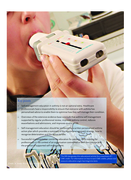
This articel summarises the evidence base underpinning supported self-management for asthma. It provides clinicians with a practical approach to providing supported self-management for asthma and suggests an appropriate strategy for implementing supported self-management.
Most of the global burden of sepsis occurs in low- and middle-income countries (LMICs), but the prevalence and etiology of sepsis in LMICs are not well understood. In particular, the lack of laboratory infrastructure in many LMICs has historically precluded an assessment of the pathogens leading to
...
sepsis. A recent systematic review found that data describing antimicrobial resistance were absent for 43% of countries in Africa, and only two countries have national antimicrobial resistance plans. In addition, small studies have identified indiscriminate antibiotic use both in and out of hospital settings in sub-Saharan Africa. The absence of microbiological data and lack of antibiotic stewardship complicate sepsis management and almost certainly worsens outcomes, particularly in low-resource systems. The purpose of this study was to examine the prevalence, etiology, and outcomes of sepsis among a cohort of critically ill patients in a referral hospital of Malawi, with a focus on the prevalence of culture-confirmed bacteremia and urinary tract infections.
more
Adapted from: Standard Treatment Guidelines and Essential Medicine List PHC. The syndromic approach to Sexually Transmitted Infections (STIs) diagnosis
and management is to treat the signs or symptoms (syndrome) of a group of
diseases rather than treating a specific disease. This allows for the tr
...
eatment
of one or more conditions that often occur at the same time and has been
accepted as the management of choice.
more

Злоупотребление алкоголем и алкоголизм относятся к ведущим причинам ухудшения здоровья и повышения смертности населения. Чрезмерное употребление алкоголя служи
...
т третьей ведущей причиной глобального бремени болезней и относится к ведущим факторам уменьшения продолжительности жизни и повышения смертности населения. Злоупотребление алкоголем снижает трудоспособность и производительность труда, требует повышенных расходов на лечение расстройств, вызванных алкоголем, что влечет за собой серьезные экономические потери. Неблагоприятные медицинские и социальные последствия неумеренного употребления алкоголя определяют значимость эффективного лечения алкоголизма
more
Issue Brief NTDs Part 3 : Schistosomiasis
recommended
In this subsequent part of the issue brief on the NTD Toolbox you will learn about general strategies, roadmaps, key treatment guidelines, reports, and training material on Schistosomiasis
Presentation on chikungunya a and chikungunya vaccines

AIDS 2024, 38:1579–1588. Treatment interruptions are a barrier to successful antiretroviral therapy (ART). 'Fresh start messages', which leverage significant days on the calendar (e.g., new year, public holiday) in order to prompt action, have the potential to encourage people with HIV (PWH) to re
...
turn to care. We evaluated a 'fresh start' intervention (text messages) to increase return to care in PWH who had missed their last appointment.
more
Archives of Medicine vo.7 no.5:10
Individuals infected with human immunodeficiency virus (HIV) often develop
multiple complications and comorbidities, among them, opportunistic infections.
The highest incidence of opportunistic infections was reported in the group
of patients with CD4 lymphocyte
...
levels below 200 cells / mm. Candidiasis,
toxoplasmosis and pneumocystis pneumonia (PCP) were the main representatives.
more
Journal of Adolescent Health 2022 1-16
