
Filter
1937
Text search:
body
movement
Featured
231
534
Language
1900
38
35
32
22
14
12
10
6
6
5
5
5
5
4
4
4
3
3
3
3
3
3
3
3
3
3
3
2
2
2
2
2
2
2
2
2
2
2
2
2
1
1
1
1
1
1
1
1
1
1
1
1
1
1
1
1
1
1
Document type
1113
283
228
152
61
60
19
9
6
4
2
Countries
117
64
56
51
49
48
44
43
43
39
35
34
33
32
24
24
22
22
21
20
20
19
17
16
15
13
13
12
12
11
11
11
10
10
9
9
9
8
8
8
8
7
7
7
6
6
6
5
5
5
5
5
4
4
4
3
3
3
3
3
3
3
3
3
3
3
2
2
2
2
2
2
2
2
2
2
2
2
2
1
1
1
1
1
1
1
1
1
1
1
1
1
1
1
1
1
1
1
1
1
1
1
1
1
1
1
1
1
1
1
1
1
Authors & Publishers
213
90
55
52
50
47
31
30
26
23
22
15
14
13
13
13
12
12
11
10
10
10
9
8
8
8
7
7
7
6
6
6
6
6
6
6
5
5
5
5
5
5
5
5
5
5
5
5
4
4
4
4
4
4
4
4
4
4
4
4
4
4
4
4
4
4
4
4
4
4
3
3
3
3
3
3
3
3
3
3
3
3
3
3
3
3
3
3
3
3
3
3
3
3
3
3
3
3
3
3
3
3
3
3
3
3
3
3
3
3
3
3
3
3
3
3
3
3
3
3
3
3
2
2
2
2
2
2
2
2
2
2
2
2
2
2
2
2
2
2
2
2
2
2
2
2
2
2
2
2
2
2
2
2
2
2
2
2
2
2
2
2
2
2
2
2
2
2
2
2
2
2
2
2
2
2
2
2
2
2
2
2
2
2
2
2
2
2
2
2
2
2
2
2
2
2
2
2
2
2
2
2
2
2
2
2
2
2
2
2
2
2
2
2
2
2
2
2
2
2
2
2
2
2
2
2
2
2
2
2
2
2
2
2
2
2
2
2
2
2
2
2
2
2
2
2
1
1
1
1
1
1
1
1
1
1
1
1
1
1
1
1
1
1
1
1
1
1
1
1
1
1
1
1
1
1
1
1
1
1
1
1
1
1
1
1
1
1
1
1
1
1
1
1
1
1
1
1
1
1
1
1
1
1
1
1
1
1
1
1
1
1
1
1
1
1
1
1
1
1
1
1
1
1
1
1
1
1
1
1
1
1
1
1
1
1
1
1
1
1
1
1
1
1
1
1
1
1
1
1
1
1
1
1
1
1
1
1
1
1
1
1
1
1
1
1
1
1
1
1
1
1
1
1
1
1
1
1
1
1
1
1
1
1
1
1
1
1
1
1
1
1
1
1
1
1
1
1
1
1
1
1
1
1
1
1
1
1
1
1
1
1
1
1
1
1
1
1
1
1
1
1
1
1
1
1
1
1
1
1
1
1
1
1
1
1
1
1
1
1
1
1
1
1
1
1
1
1
1
1
1
1
1
1
1
1
1
1
1
1
1
1
1
1
1
1
1
1
1
1
1
1
1
1
1
1
1
1
1
1
1
1
1
1
1
1
1
1
1
1
1
1
1
1
1
1
1
1
1
1
1
1
1
1
1
1
1
1
1
1
1
1
1
1
1
1
1
1
1
1
1
1
1
1
1
1
1
1
1
1
1
1
1
1
1
1
1
1
1
1
1
1
1
1
1
1
1
1
1
1
1
1
1
1
1
1
1
1
1
1
1
1
1
1
1
1
1
1
1
1
1
1
1
1
1
1
1
1
1
1
1
1
1
1
1
1
1
1
1
1
1
1
1
1
1
1
1
1
1
1
1
1
1
1
1
1
1
1
1
1
1
1
1
1
1
1
1
1
1
1
1
1
1
1
1
1
1
1
1
1
1
1
1
1
1
1
1
1
1
1
1
1
1
1
1
1
1
1
1
1
1
1
1
1
1
1
1
1
1
1
1
1
1
1
1
1
1
1
1
1
1
1
1
1
1
1
1
1
1
1
1
1
1
1
1
1
1
1
1
1
1
1
1
1
1
1
1
1
1
1
1
1
1
1
1
1
1
1
1
1
1
1
1
1
1
1
1
1
1
1
1
1
1
1
1
1
1
1
1
1
1
1
1
1
1
1
1
1
1
1
1
1
1
1
1
1
1
1
1
1
1
1
1
1
1
1
1
1
1
1
1
1
1
1
1
1
1
1
1
1
1
1
1
1
1
1
1
1
1
1
1
1
1
1
1
1
1
1
1
1
1
1
1
1
1
1
1
1
1
1
1
1
1
1
1
1
1
1
1
1
1
1
1
1
1
1
1
1
1
1
1
1
1
1
1
1
1
1
1
1
1
1
1
1
1
1
1
1
1
1
1
1
1
1
1
1
1
1
1
1
1
1
1
1
1
1
1
1
1
1
1
1
1
1
1
1
1
1
1
1
1
1
1
1
1
1
1
1
1
1
1
1
1
1
1
1
1
1
1
1
1
1
1
1
1
1
1
1
1
1
1
1
1
1
1
1
1
1
1
1
1
1
1
1
1
1
1
1
1
1
1
1
1
1
1
1
1
1
1
1
1
1
1
1
1
1
1
1
1
1
1
1
1
1
1
1
1
1
1
1
1
1
1
1
1
1
1
1
1
1
1
1
1
1
1
1
1
1
1
1
1
1
1
1
1
1
1
1
1
1
1
1
1
1
1
1
1
1
1
1
1
1
1
1
1
1
1
1
1
1
1
1
1
1
1
1
1
1
1
1
1
1
1
1
1
1
1
1
1
1
1
1
1
1
1
1
1
1
1
1
1
1
1
1
1
1
1
1
1
1
1
1
1
1
1
1
1
1
1
1
1
1
1
1
1
1
1
1
1
1
1
1
1
1
1
1
1
1
1
1
1
1
1
1
1
1
1
1
1
1
1
1
1
1
1
1
1
1
1
1
1
1
1
1
1
1
1
1
1
1
1
1
1
1
1
1
1
1
1
1
1
1
1
1
1
1
1
1
1
1
1
1
1
1
1
1
1
1
1
1
1
1
1
1
1
1
1
1
1
1
1
1
1
1
1
1
1
1
1
1
1
1
1
1
1
1
1
1
1
1
1
1
1
1
1
1
1
1
1
1
1
1
1
1
1
1
1
1
1
1
1
1
1
1
1
1
1
1
1
1
1
1
1
1
1
1
1
1
1
1
1
1
1
1
1
1
1
1
1
1
1
1
1
1
1
1
1
1
1
1
1
1
1
1
1
1
1
1
1
1
1
1
1
1
1
1
1
1
1
1
1
1
1
1
1
1
1
1
1
1
1
1
1
1
1
1
1
1
1
1
1
1
1
1
1
1
1
1
1
1
1
1
1
1
1
1
1
1
1
1
1
1
1
1
1
1
1
1
1
1
1
1
1
1
1
1
1
1
1
1
1
1
1
1
1
1
1
1
1
1
1
1
1
1
1
1
1
1
1
1
1
1
1
1
1
1
1
1
1
1
1
1
1
1
1
1
1
1
1
1
1
1
1
1
1
1
1
1
1
1
1
1
1
1
1
1
1
1
1
1
1
1
1
1
1
1
1
1
1
1
1
1
1
1
1
1
1
1
1
1
1
1
1
1
1
1
1
1
1
1
1
1
1
1
1
1
1
1
1
1
1
1
1
1
1
1
1
1
1
1
1
1
1
1
1
1
1
1
1
1
1
1
1
1
1
1
1
1
1
1
1
1
1
1
1
1
1
1
1
1
1
1
1
1
1
1
1
1
1
1
1
1
1
1
1
1
1
1
1
1
1
1
1
1
1
1
1
1
1
1
1
1
1
1
1
1
1
1
1
1
1
1
1
1
1
1
1
1
1
1
1
1
1
1
1
1
1
1
1
1
1
1
1
1
1
1
1
1
1
1
1
1
1
1
1
1
1
1
1
1
1
1
1
1
1
1
1
1
1
1
1
1
1
1
1
1
1
1
1
1
1
1
1
1
1
1
1
1
1
1
1
1
1
1
1
1
1
1
1
1
1
1
1
1
1
1
1
1
1
1
1
1
1
1
1
1
1
1
1
1
1
1
1
1
1
1
1
1
1
1
1
1
1
1
1
1
1
1
1
1
1
1
1
1
1
1
1
1
1
1
1
1
1
1
1
1
1
1
1
1
1
1
1
1
1
1
1
1
1
1
1
1
1
1
1
1
1
1
1
1
1
1
1
1
1
1
1
1
1
1
1
1
1
1
1
1
1
1
1
1
1
1
1
1
1
1
1
1
1
1
1
1
1
1
1
1
1
1
1
1
1
1
1
1
1
1
1
1
1
1
1
1
1
1
1
1
1
1
1
1
1
1
1
1
1
1
1
1
1
1
1
1
1
1
1
1
1
1
1
1
1
1
1
1
1
1
1
1
1
1
1
1
1
1
1
1
1
1
1
1
1
1
1
1
1
1
1
1
1
1
1
1
1
1
1
1
1
1
1
1
1
1
1
1
1
1
1
1
1
Publication Years
468
1192
254
22
1
Category
651
162
155
141
107
53
19
Toolboxes
183
163
149
107
92
71
66
58
55
51
51
38
32
32
31
26
24
24
21
20
15
12
9
8
6
1
Promoting and protecting health is essential to human welfare and sustained economic and social development. This was recognized more than 30 years ago by the Alma-Ata Declaration signatories, who noted that Health for All would contribute
both to a better quality of life and also to global peace a
...
nd security
more
The intended purpose of this compendium is to provide program managers, organizations, and policy makers with a menu of indicators to better “know their HIV epidemic/know their response” from a gender perspective. The indicators in the compendium are all either part of existing indicators used i
...
n studies or by countries or have been adapted from existing indicators to address the intersection of gender and HIV. The indicators can be measured through existing data collection and information systems (e.g. routine program monitoring, surveys) in most country contexts, though some may require special studies or research.
more
WHO clinical and policy guidelines
The IMCI chart booklet is for use by doctors, nurses and other health professionals who see young infants and children less than five years old. It facilitates the use of the IMCI case management process in practice and describes a series of all the case management steps in a form of IMCI charts.
...
These charts show the sequence of steps and provide information for performing them. The IMCI chart booklet should be used by all health professionals providing care to sick children to help them apply the IMCI case management guidelines. Health professionals should always use the chart booklet for easy reference.The chart booklet is divided into two main parts because clinical signs in sick young infants and older children are somewhat different and because case management procedures also differ between these age groups.
Sick child aged 2 months to 5 years
This part contains all the necessary clinical algorithms, information and instructions on how to provide care to sick children aged 2 months to 5 years.
Sick young infant aged up to 2 months
This part includes case management clinical algorithms for the care of a young infant aged up to 2 months.
Each of these parts contains IMCI charts corresponding to the main steps of the IMCI case management process.
more
The guidelines address timing, number and place of postnatal contacts, and content of postnatal care for all mothers and babies during the six weeks after birth. The primary audience for these guidelines is health professionals who are responsible for providing postnatal care to women and newborns,
...
primarily in areas where resources are limited. The guidelines are also expected to be used by policy-makers and managers of maternal and child health programmes, health facilities, and teaching institutions to set up and maintain maternity and newborn care services.
more

WHO GUIDELINES REVIEW COMMITTEE
The message contained in this publication is clear: countries need a
public health system that can respond to the deliberate release of
chemical and biological agents. Regrettable though this message may
be, the use of poison gas in the war between Iraq and the Islamic
Republic of Iran in the 19
...
80s, the recent anthrax incidents in the United
States, and the attack with sarin nerve agent, six years earlier, on the
Tokyo underground, illustrate why it is necessary to prepare.
Russian and Japanese version available:
more

The companion Handbook on Humanitarian Access presents the normative framework pertaining to humanitarian access in situations of armed conflict, and therefore serves as a useful reference source for humanitarian practitioners on the normative framework.
This initial version of the Field Manual –
...
labeled Version 1.0 – was elaborated by Conflict Dynamics International in collaboration with the FDFA and the UN Office for the Coordination of Humanitarian Affairs (OCHA).
Development of the structured approach and guidance contained in this Manuel
involved a consultation process which included bilateral meetings with humanitarian organizations, regional consultation events and consultations during several field visits, including dedicated field missions
more
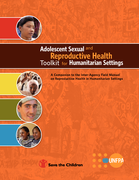
Adolescent Sexual and Reproductive Health Toolkit for Humanitarian Settings
UNFPA, Save the Children USA
(2009)
This Toolkit is intended to guide humanitarian programme managers and healthcare providers to ensure that sexual and reproductive health interventions put into place both during and after a crisis are responsive to the unique needs of adolescents.

Wheelchair service training package: Trainer's manual. Intermediate level
recommended
Sarah Frost, Kylie Mines, Jamie Noon, Elsje Scheffler, and Rebecca Jackson Stoeckle
WHO; USAID
(2013)
C_WHO
WSTP-I is the second part of the WHO wheelchair service training package series and focusses more on addressing the needs of people who have severe difficulties in walking and moving around and also having poor postural control .
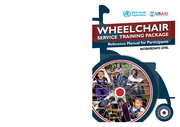
WHEELCHAIR SERVICE TRAINING PACKAGE Reference Manual for Participants (Intermediate level)
Sarah Frost, Kylie Mines, Jamie Noon, Elsje Scheffler, and Rebecca Jackson Stoeckle
WHO; USAID
(2013)
C_WHO
Following the release of the Wheelchair Service Training Package – Basic level (WSTP-B), WHO in partnership with United States Agency for International Development (USAID) has developed the Wheelchair Service Training Package – Intermediate Level (WSTP-I). WSTP-I is the second part of the WHO w
...
heelchair service training package series and focusses more on addressing the needs of people who have severe difficulties in walking and moving around and also having poor postural control . While developing this training package, special attention was given on the provision of appropriate wheelchairs for children who have poor postural control and are unable to sit upright independently.
more
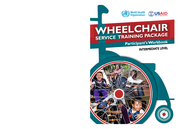
WHEELCHAIR SERVICE TRAINING PACKAGE Participant's Workbook (Intermediate level)
recommended
Sarah Frost, Kylie Mines, Jamie Noon, Elsje Scheffler, and Rebecca Jackson Stoeckle
WHO; USAID
(2013)
C_WHO
Following the release of the Wheelchair Service Training Package – Basic level (WSTP-B), WHO in partnership with United States Agency for International Development (USAID) has developed the Wheelchair Service Training Package – Intermediate Level (WSTP-I). WSTP-I is the second part of the WHO w
...
heelchair service training package series and focusses more on addressing the needs of people who have severe difficulties in walking and moving around and also having poor postural control . While developing this training package, special attention was given on the provision of appropriate wheelchairs for children who have poor postural control and are unable to sit upright independently.
Purpose of the training
The need for wheelchair personnel is universal. WSTP-I is designed to support the training of personnel or volunteers to provide an appropriate manual wheelchair and cushion for children and adults who need additional postural support to sit upright. The main purpose of this training package is to:
increase the number of wheelchair users who receive a wheelchair which meets their needs;
increase the number of personnel trained in intermediate level wheelchair service delivery;
improve the competencies of wheelchair service delivery personnel;
increase the quality of wheelchair service delivery for people who need a comparatively higher level of intervention than basic level;
include this training package in regular paramedical/rehabilitation training programmes;
achieve greater integration of wheelchair service delivery within rehabilitation services.
more
Available in: English, French, Chinese, Spanish, Russian, Arabic, Thai, Korean, Tajik, Vietnamese, Uzbek
http://www.who.int/disabilities/cbr/guidelines/en/
Available in: English, French, Chinese, Spanish, Russian, Arabic, Thai, Korean, Tajik, Vietnamese, Uzbek
http://www.who.int/disabilities/cbr/guidelines/en/

An Easy-Reference Guidebook for Healthcare Providers In Developed and Developing Countries
