
Filter
249
Text search:
hygiène
des
mains
Featured
35
27
Language
Document type
60
59
47
18
16
12
12
8
7
4
2
2
1
Countries
18
16
14
12
10
10
9
8
7
7
7
6
5
5
5
5
5
4
4
4
4
4
3
3
3
3
3
3
3
2
2
2
2
2
2
2
2
2
1
1
1
1
1
1
1
1
1
1
Authors & Publishers
Publication Years
Category
126
47
19
12
9
3
3
Toolboxes
87
34
30
19
17
15
15
4
3
3
2
1
1
1
Health care-associated infection (HCAI) places a serious disease burden and has a significant economic impact on patients and health-care systems throughout the world. Yet good hand hygiene, the simple task of cleaning hands at the right times an
...
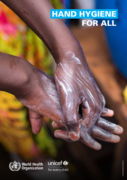
Three billion people – 40 per cent of the world’s population – do not have a place in their homes to wash their hands with water and soap. Three quarters of those who lack access to water and soap live in the world’s poorest countries and are amongst the most vulnerable: children and familie
...
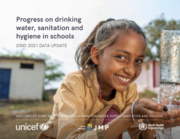
Special Focus on COVID-19
The report provides updated estimates for drinking water, sanitation and hygiene in schools including progress from 2015 to 2019. It highlights the rapid improvement needed to ensure students have access to handwashing fac
...

Best practice for hand hygiene requires the availability of clean water, soap, and single use disposable towels or alcohol based hand sanitiser with a concentration of 70%. Availability of these resources is not always assured. When resources for ha
...
The WHO and UNICEF-led Hand Hygiene for All Initiative aims at ensuring implementation for WHO's global recommendations on hand hygiene to prevent and control COVID-19 pandemic, and hand
...
This report is the first of its kind. It brings together various data sets to present the current status of hand hygiene, highlight lagging progress, and call governments and supporting agencies to action, offering numerous inspiring examples of cha
...
Concepte Note, June 2022
A critical building block to achieving the global goal of universal hand hygiene by 2030 is adequate levels of funding. Understanding the costs of implementing hand hygiene plans is an essential pre
...

On Global Handwashing Day, WHO and UNICEF have released the first-ever global Guidelines on Hand Hygiene in Community Settings to support governments and practitioners in promoting effective hand hygiene
...
Le document fournit des directives essentielles pour prévenir et gérer les maladies diarrhéiques aiguës, en particulier dans les situations d'urgence complexes comme les conflits, les catastrophes naturelles ou les crises sanitaires. Il met en a
...

Le document fournit des directives complètes pour la gestion des épidémies de choléra, y compris la prévention, le diagnostic et le traitement. Il met l'accent sur les mesures de réponse rapid
...

This primer aims to guide health professionals on engaging with WASH-related issues. It gives an overview of WASH interventions and the status of WASH services globally and outlines key linkages with health. It provides examples of key actions that health actors can take to ensure WASH efforts effec
...

Flambées de choléra
recommended
Le document fournit des directives complètes pour la gestion des flambées de choléra, y compris la détection, la confirmation, la réponse, le traitement et la prévention. Il met l'accent sur l
...
Prise en charge d’une épidémie de choléra
recommended
Guide pratique à l’usage des médecins, infirmiers, techniciens de laboratoire, auxiliaires de santé, techniciens sanitaires et logisticiens.
Le document est un guide complet pour la gestion des
...

Le Guide de formation aux actions essentielles de nutrition et aux actions essentielles d'hygiène : Travailleurs communautaires renforce la capacité des travailleurs communautaires à fournir et Ã
...
Personne ne va dans un établissement de soins de santé pour tomber malade. On s’y rend pour se faire soigner, pour accoucher
ou pour se faire vacciner. Cependant, des centaines de millions de personnes s’exposent à un risque accru d’infect
...
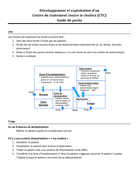
Le document est un guide de poche pour établir et gérer un Centre de Traitement du Choléra (CTC). Il fournit des directives pour choisir l’emplacement, classer les patients selon la gravité de leur déshydratation, mettre en œuvre
...
