Filter
1160
Text search:
human
pharmaceutical
products
Featured
116
313
Language
Document type
522
260
194
72
68
15
14
8
4
2
1
Countries
56
52
37
36
27
26
26
25
24
22
19
18
18
17
15
15
14
14
13
12
12
11
11
11
11
9
8
8
7
6
6
6
6
5
5
4
4
4
4
4
4
3
3
3
3
3
3
3
3
3
2
2
2
2
2
2
2
2
2
2
2
2
2
2
2
1
1
1
1
1
1
1
1
1
1
1
1
1
1
1
1
1
1
1
1
1
1
1
1
1
Authors & Publishers
Publication Years
Category
476
82
63
56
32
23
10
1
Toolboxes
154
129
71
53
46
39
35
26
23
22
22
19
19
19
17
17
13
8
8
6
5
4
3

This Pharmaceutical Country Profile for Kenya (2010) has been developed by the Ministry of Medical Services with support of the World Health Organization. The Profile contains information on existing socio-economic and health-related conditions, res
...

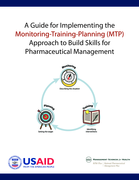
In the mid-1980s, recognizing the limitations of traditional training and that the knowledge and skills acquired are not necessarily applied back in the workplace, MSH developed the Monitoring‐Training-Planning (MTP) approach to assist the Ecuadorian Ministry of Health to implement its Child Survi
...

Coordinated Use of Anthelminthic Drugs in Control Interventions: a Manual for Health Professionals and Programme Managers

Evidence for improving community health supply chains from Ethiopia, Malawi and Rwanda. Journal of Global Health vol. 4 No.2 (2014)

Document No. : FDA/SMC/SMD/GL-SMP/2015/05 |
These guidelines are for information, guidance and strict compliance by Marketing Authorization Holders and Local Representatives of regulated products to help in the continuous safety monitoring of
...

Doc. No.: INS/GDL/001-(Annexes)
HRH SA 2030 | Draft HR Strategy for the Health Sector: 2012/13 – 2016/17 Consultation Document


Full eHandbook under: http://www.msh.org/resources/health-systems-in-action-an-ehandbook-for-leaders-and-managers
Effective supply management has the potential to make a powerful contribution to the reliable availability of essential medicines, which are a crucial part of the delivery of highqualit
...


By almost any measure, human health is better now than at any time in history. Life expectancy has soared from 47 years in 1950–1955, to 69 years in 2005–2010, and death rates in children younger than 5 years of age have decreased substantially,
...

The document "Chronic Respiratory Diseases: A Handbook for Pharmacists" outlines the significant role pharmacists play in managing asthma and COPD, emphasizing patient education, disease prevention, medication management, and promoting healthy lifestyles. It highlights the importance of pharmacists
...

UN GUIDE POUR L’APPROVISIONNEMENTEN MÉDICAMENTS/ A guide for drug supply
Bochure in English and French