
Filter
614
Text search:
USAID,
UNICEF,
UNFPA
Featured
Recommendations
33
New Publications
271
Language
Document type
No document type
472
Studies & Reports
53
Guidelines
43
Manuals
21
Strategic & Response Plan
11
Situation Updates
5
Training Material
4
Fact sheets
4
Resource Platforms
1
Countries / Regions
Liberia
32
Senegal
27
Ethiopia
26
Nepal
26
Malawi
23
Nigeria
20
Kenya
20
Benin
19
Madagascar
17
Congo, Democratic Republic of
16
Haiti
16
Ghana
15
Uganda
15
Cambodia
15
Zambia
13
Rwanda
13
Sierra Leone
12
Zimbabwe
12
India
12
Bangladesh
12
Lesotho
12
Myanmar / Burma
12
Global
12
Tanzania
11
Namibia
8
Burkina Faso
6
Eswatini/ Swaziland
6
South Africa
5
Latin America and the Carribbean
5
Togo
4
Philippines
4
Syria
4
Indonesia
4
Mozambique
4
Cameroon
3
Somalia
3
Ukraine
3
Yemen
3
Asia
3
Guinea
2
South Sudan
2
Afghanistan
2
Thailand
2
Botswana
2
Bolivia
2
Middle East and North Africa
2
Paraguay
2
Tajikistan
2
Moldova
2
Niger
1
Pakistan
1
Jordan
1
Papua New Guinea
1
Sudan
1
Central African Republic
1
Peru
1
Hungary
1
Colombia
1
Guatemala
1
Sri Lanka
1
East and Southern Africa
1
South–East Asia Region
1
Eastern Europe and Central Asia
1
Western and Central Europe
1
Africa
1
Venezuela
1
Poland
1
Eastern Europe
1
Albania
1
Laos
1
Timor Leste/ East Timor
1
Russia
1
Bulgaria
1
Romania
1
Slovakia
1
Georgia
1
Vietnam
1
Authors & Publishers
Publication Years
Category
Countries
430
Women & Child Health
63
Clinical Guidelines
29
Key Resources
17
Public Health
14
Pharmacy & Technologies
4
Capacity Building
3
Toolboxes
HIV
38
Caregiver
18
Ebola & Marburg
8
Conflict
8
Natural Hazards
8
Rapid Response
8
COVID-19
8
Health Financing Toolbox
8
Global Health Education
7
Pharmacy
6
Disability
5
Mental Health
5
Planetary Health
4
AMR
3
Refugee
2
Zika
2
Malaria
2
TB
1
2.0 Rapid Response
1
The survey highlights changes that have taken place in Bangladesh’s demographic and health situation since the previous BDHS surveys. The survey provides important information for policymakers and program personnel in addressing the monitoring and evaluation needs of the 4th Health, Population and
...
People Who Inject Drugs
In addition, the following individuals of our external expert advisory committee made instrumental contributions to the initial design and content of the document: Billy Pick, USAID; Daniel Wolfe, Open Society Foundations;
...


In 2022, Namibia had an estimated population of 2.6 million people, where 51 per cent per cent are females and 52.5 per cent of households in urban areas, with fast-growing urban informal settlements which lack access to basic services. Namibia has a young population; 42 per cent are children (0-17
...
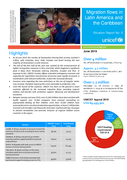
As of June 2019, the number of Venezuelans leaving their country reached 4 million, with Colombia, Peru, Chile, Ecuador and Brazil hosting the vast majority of Venezuelans in Latin America. The end of the first half of the year was marked by the announcement of tighter immigration measures in Peru
...

Conference Report Sao Paulo, Brazil 22-24 October 2015
UNFPA has been implementing programming for women and girls through Women Friendly Health Spaces (WFHSs), which provide access to critical services, information and support. The WFHS is providing: psychosocial counseling services; awareness raising
...

This summary highlights the experiences, results and actions from
the implementation of the Rapid Assessment Tool for Sexual and
The tool – developed by IPPF, UNFPA, WHO, UNAIDS, GNP+, ICW and Young Positives in
2009 – supports national asses
...
Investing in Child Protection
Building Inclusive, Productive and Resilient Communities in Malawi

A progress report
This report is a comprehensive statistical overview of female genital mutilation/cutting (FGM/C) in the 29 countries where the practice is concentrated. Analysis of the data reflects current perspectives on FGM/C, informed by the latest policy, programmatic and theoretical evidence.
