Filter
653
Text search:
Bolivia
Featured
32
126
Language
Document type
271
185
90
34
23
12
11
11
7
4
4
Countries
132
76
53
28
27
23
22
18
14
13
12
6
6
5
5
5
5
5
5
4
4
4
4
4
4
3
3
3
3
3
3
3
3
3
3
3
2
2
2
2
2
2
2
2
2
2
1
1
1
1
1
1
1
1
1
1
1
1
1
1
1
1
1
1
1
1
1
1
1
1
1
1
1
Authors & Publishers
Publication Years
Category
240
43
38
35
31
14
7
1
Toolboxes
72
69
59
52
37
27
18
18
14
12
12
11
11
11
10
5
5
5
4
4
3
3
3
2
1

Este artículo analiza un grupo particularmente vulnerable a la pandemia de la COVID-2019: las personas privadas de libertad (PPLs). Con base en el análisis del Censo Carcelario de 2019, presentamos la situación actual de las PPLs y las condiciones de los establecimient
...
Argentina, Bolivia, Brasil y Paraguay
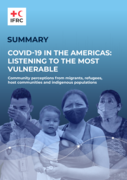
This research report offers community perceptions of COVID-19 from migrants, refugees, host communities and indigenous populations in nine countries in the Americas: Argentina, Brazil, Bolivia, Colombia, Guatemala, Nicaragua, Jamaica, Panama and Tri
...
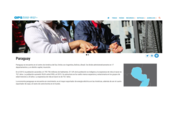
Paraguay se encuentra en el centro de América del Sur; limita con Argentina, Bolivia y Brasil.
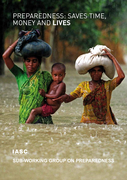
This document addresses preparedness as an important investment against natural and man-made disasters. Through good practices, it urges the humanitarian community, governments and regional bodies to use preparedness thinking to be aware of risks, to reduce them and to plan ahead to combat them in o
...
Este informe se basa en la aplicación de un protocolo diseñado conforme a las recomendaciones de la Organización Mundial de la Salud sobre los servicios de agua, saneamiento e higiene en establecimientos de salud, cuya metodología permite definir las características de dichos servicios y evalua
...
EN ESTA EDICIÓN: Vacunación oral contra el cólera en la isla de La Española | Segunda reunión anual de la Comisión Regional de Monitoreo y Reverificación de la Eliminación del Sarampión y la Rubéola | Certificados digitales como ejemplo de transformación digital en la inmunización | La O
...
In 2023, the partnership between the Government of Canada and PAHO was launched to implement the project to improve the health of communities, women, and children by eliminating trachoma as a public health problem. In this initiative, through a contribution of 15 million Canadian dollars, the Govern
...

Noncommunicable diseases (NCDs) (e.g., cardiovascular diseases, cancers, diabetes, and chronic respiratory diseases) and mental health conditions (e.g., Alzheimer’s disease and related dementias, depression, anxiety, autism spectrum disorders) are the world’s leading cause of preventable illness
...
Las enfermedades no transmisibles (ENT) (por ejemplo, las enfermedades cardiovasculares, el cáncer, la diabetes y las enfermedades respiratorias crónicas) y los problemas de salud mental (por ejemplo, la enfermedad de Alzheimer y las demencias relacionadas, la depresión, la ansiedad y los trastor
...