Filter
593
Text search:
Adolescent
Childbirth
Featured
Recommendations
54
New Publications
213
Language
Document type
No document type
388
Guidelines
89
Studies & Reports
66
Manuals
22
Strategic & Response Plan
13
Training Material
10
Situation Updates
2
Brochures
1
App
1
Fact sheets
1
Countries / Regions
Sierra Leone
20
Global
20
Nepal
18
Ethiopia
16
India
16
Bangladesh
16
Kenya
15
Myanmar / Burma
15
Nigeria
14
Uganda
14
Liberia
12
Malawi
12
Zambia
11
Tanzania
11
Rwanda
11
Philippines
10
Ghana
8
Indonesia
8
South Africa
8
Namibia
7
Lesotho
6
South–East Asia Region
6
Cambodia
5
Botswana
5
Africa
5
Zimbabwe
4
Syria
4
Ukraine
4
Western and Central Europe
4
Asia
4
Guinea
3
Senegal
3
Congo, Democratic Republic of
3
Haiti
3
Pakistan
3
Latin America and the Carribbean
3
Burkina Faso
2
South Sudan
2
Afghanistan
2
Mozambique
2
Sudan
2
East and Southern Africa
2
Somalia
1
North Macedonia
1
Bolivia
1
Sri Lanka
1
Eastern Europe and Central Asia
1
Other region
1
Southern Africa
1
Tajikistan
1
Authors & Publishers
Publication Years
Category
Countries
260
Women & Child Health
153
Clinical Guidelines
65
Public Health
27
Capacity Building
18
Key Resources
18
Toolboxes
HIV
49
Caregiver
34
Mental Health
22
COVID-19
19
Global Health Education
17
Conflict
11
Ebola & Marburg
9
Disability
6
Refugee
6
Natural Hazards
5
Planetary Health
5
TB
4
Health Financing Toolbox
4
Rapid Response
3
Zika
3
AMR
3
NCDs
3
Pharmacy
2
Malaria
2
2.0 Rapid Response
1
Guideline
Iron deficiency is one of the most common forms of nutritional deficiencies, particularly among vulnerable groups such as women, children and low-income populations. Iron deficiency often precedes anaemia, and anaemia during pregnancy is one of the strongest predictors of anaemia duri ...
UNFPA has been implementing programming for women and girls through Women Friendly Health Spaces (WFHSs), which provide access to critical services, information and support. The WFHS is providing: psychosocial counseling services; awareness raising sessions on PSS in the community; and life skills &
...
The Guidelines on promotive and preventive mental health interventions for adolescents - Helping Adolescents thrive (HAT), provide evidence-informed recommendations on psychosocial interventions to promote mental health, prevent mental disorders, and reduce self-harm and other risk behaviours among
...
The purpose of the review was to assign a cause of death, to ascertain the fac-tors that contributed to the death and to identify any systemic issues that could be addressed to prevent future similar deaths. The perinatal mortality audit process in 2019 provided important insights and evidence-based
...
Census data shows that Myanmar can harness a double dividend – both youth and gender. This year’s annual report provides many facets of the journey to gender equality. It tells a story of widening horizons for women and girls who are capable in their own right. It is also a story of women fulfil
...
Ensuring reproductive rights for all
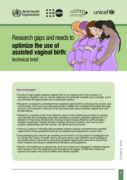
Lack of trained providers capable of identifying which labouring women could benefit from assisted vaginal birth (AVB), and of safely performing the procedure is a major barrier for its use. Education and training are, therefore, considered crucial for building skills and confidence in conducting AV
...
The UNFPA Zambia 2017 Annual Report highlights key milestones and achievements recorded with UNFPA support towards improving the health and well-being of women and young people in Zambia.
The information provided here can be used to understand the current situation, increase attention to preterm births in Rwanda and to inform dialogue and action among stakeholders. Data can be used to identify the most important risk factors to target and gaps in care in order to identify and impleme
...
This global progress report attempts to lay the groundwork for the kind of accelerated action needed. Section 1 presents key data, trends and developments in women’s, children’s and adolescents’ health and well-being. That is followed in Section 2 by a deeper dive into the impact of the COVID-
...
2018 monitoring report: current status and strategic priorities
The report sets out the status of women’s, children’s and adolescents’ health, and on health systems and social and environmental determinants. Regional dashboards on 16 key indicators highlight where progress is being made o ...
The information provided here can be used to understand the current situation, increase attention to preterm births in Rwanda and to inform dialogue and action among stakeholders. Data can be used to identify the most important risk factors to target and gaps in care in order to identify and impleme
...
The information provided here can be used to understand the current situation, increase attention to preterm births in Rwanda and to inform dialogue and action among stakeholders. Data can be used to identify the most important risk factors to target and gaps in care in order to identify and impleme
...
The information provided here can be used to understand the current situation, increase attention to preterm births in Rwanda and to inform dialogue and action among stakeholders. Data can be used to identify the most important risk factors to target and gaps in care in order to identify and impleme
...
The information provided here can be used to understand the current situation, increase attention to preterm births in Rwanda and to inform dialogue and action among stakeholders. Data can be used to identify the most important risk factors to target and gaps in care in order to identify and impleme
...
The information provided here can be used to understand the current situation, increase attention to preterm births in Rwanda and to inform dialogue and action among stakeholders. Data can be used to identify the most important risk factors to target and gaps in care in order to identify and impleme
...