
Filter
1535
Text search:
urban
profile
Featured
87
535
Language
Document type
985
258
96
65
57
41
18
9
3
1
1
Countries
101
53
49
47
46
42
42
40
38
37
36
35
34
34
31
30
28
25
21
21
19
19
18
17
15
15
15
15
14
14
13
13
11
10
10
9
8
8
8
7
6
6
6
5
5
5
5
4
4
4
4
4
4
4
4
4
4
3
3
3
3
3
3
3
3
3
3
3
3
2
2
2
2
2
2
2
2
2
2
2
2
2
2
1
1
1
1
1
1
1
1
1
1
1
1
1
1
1
1
1
1
1
1
1
1
1
1
Authors & Publishers
Publication Years
Category
864
103
74
63
51
15
5
Toolboxes
94
79
69
56
48
38
37
35
32
27
26
26
24
22
21
19
14
14
12
12
9
7
6
5
2
Comprehensive public health action on population ageing is urgently needed. This will require fundamental shifts, not just in the things we do, but in how we think about ageing itself. The World report on ageing and health outlines a framework for action to foster Healthy Ageing built around the new
...
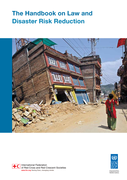
The Handbook on Law and Disaster Risk Reduction (the Handbook) has been developed to provide guidance on how to use the Checklist and conduct related legislative reviews and reform processes. While the methodology for using the Checklist needs to be tailored to each country’s context and respectiv
...

Purpose of this document: to present eight practical steps that Member States can take at the national and sub-national level to improve WASH in health care facilities
Aktualisiert: Debattenorientiertes Unterrichtsmaterial zu Klimaschutz, Klimapolitik und Klimagerechtigkeit zur Weltklimakonferenz 2018, Kohlekommission, Hambacher Wald und IPCC-Klima-Sonderbericht.

Possible developments in transit countries over the next 6 months, 24 March 2016

This is a resource pack for a Knowledge, Attitudes and Practices (KAP) surveys about Zika virus and its suspected complications such as microcephaly and Guillain-Barré syndrome.
This resource and associated advice was requested by governments and response partners as a way to rapidly obtain valuab
...
Extraced from the full version of WDI 2016
This guidance provides an overview of interventions to improve early diagnosis of TB and treatment completion in these populations, as well as factors to consider when developing programmes for health communication, awareness and education, and programme monitoring and evaluation


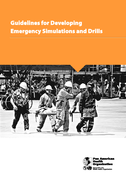
Conducting simulations and drills is the most effective way to evaluate and test disaster preparedness plans; these exercises are used widely by organizations and institutions working in development and in disaster response. Drills and simulations are also excellent tools for training, and for asses
...
