
Filter
7496
Text search:
community
health
workers
Featured
795
1994
Language
7191
205
148
120
85
62
39
24
13
11
9
8
8
7
7
7
7
7
6
5
5
5
5
4
4
4
4
4
4
4
4
4
3
3
3
3
3
3
3
3
3
3
3
3
3
3
2
2
2
2
2
2
2
2
2
2
2
1
1
1
1
1
1
1
1
1
1
1
1
1
1
1
1
1
1
1
Document type
3906
1211
1038
475
332
180
159
95
28
20
18
14
11
1
1
Countries
313
295
236
210
190
184
179
172
155
153
132
131
122
121
116
115
107
103
102
85
84
80
76
61
61
59
58
52
52
50
50
48
46
45
45
41
41
40
38
36
33
32
31
26
26
25
23
22
22
21
21
21
21
19
19
18
18
18
17
17
15
15
13
12
11
11
11
10
10
10
9
9
9
8
7
7
6
6
6
6
6
5
5
5
5
5
5
5
5
4
4
4
4
4
4
3
3
3
3
3
3
3
3
3
3
3
3
3
3
3
3
2
2
2
2
2
2
2
2
2
2
2
2
2
2
2
2
1
1
1
1
1
1
1
1
1
1
1
1
1
1
1
1
1
1
1
Authors & Publishers
1055
309
212
175
163
162
131
128
88
70
60
57
52
46
44
43
40
39
38
34
33
32
32
31
29
29
29
27
26
26
25
24
23
22
22
22
22
21
20
20
20
19
19
19
19
19
19
18
18
18
17
17
17
17
16
16
16
16
16
16
15
15
15
15
15
15
15
14
14
14
14
14
13
13
13
13
13
12
12
12
12
12
12
12
11
11
11
11
11
11
11
11
10
10
10
10
10
10
10
10
9
9
9
9
9
9
9
9
9
9
9
9
9
9
9
9
9
9
8
8
8
8
8
8
8
8
8
8
8
8
8
8
8
7
7
7
7
7
7
7
7
7
7
7
7
7
7
7
7
7
7
7
7
7
7
7
7
7
7
7
7
6
6
6
6
6
6
6
6
6
6
6
6
6
6
6
6
6
6
6
6
6
6
6
6
6
6
6
6
6
6
6
6
6
6
6
5
5
5
5
5
5
5
5
5
5
5
5
5
5
5
5
5
5
5
5
5
5
5
5
5
5
5
5
5
5
5
5
5
5
5
5
5
5
5
5
5
5
5
5
5
5
5
5
4
4
4
4
4
4
4
4
4
4
4
4
4
4
4
4
4
4
4
4
4
4
4
4
4
4
4
4
4
4
4
4
4
4
4
4
4
4
4
4
4
4
4
4
4
4
4
4
4
4
4
4
4
4
4
4
4
4
4
4
4
4
4
4
4
4
4
4
4
4
4
4
4
4
4
4
3
3
3
3
3
3
3
3
3
3
3
3
3
3
3
3
3
3
3
3
3
3
3
3
3
3
3
3
3
3
3
3
3
3
3
3
3
3
3
3
3
3
3
3
3
3
3
3
3
3
3
3
3
3
3
3
3
3
3
3
3
3
3
3
3
3
3
3
3
3
3
3
3
3
3
3
3
3
3
3
3
3
3
3
3
3
3
3
3
3
3
3
3
3
3
3
3
3
3
3
3
3
3
3
3
3
3
3
3
3
3
3
3
3
3
3
3
3
3
3
3
3
3
3
3
3
3
3
3
3
3
3
2
2
2
2
2
2
2
2
2
2
2
2
2
2
2
2
2
2
2
2
2
2
2
2
2
2
2
2
2
2
2
2
2
2
2
2
2
2
2
2
2
2
2
2
2
2
2
2
2
2
2
2
2
2
2
2
2
2
2
2
2
2
2
2
2
2
2
2
2
2
2
2
2
2
2
2
2
2
2
2
2
2
2
2
2
2
2
2
2
2
2
2
2
2
2
2
2
2
2
2
2
2
2
2
2
2
2
2
2
2
2
2
2
2
2
2
2
2
2
2
2
2
2
2
2
2
2
2
2
2
2
2
2
2
2
2
2
2
2
2
2
2
2
2
2
2
2
2
2
2
2
2
2
2
2
2
2
2
2
2
2
2
2
2
2
2
2
2
2
2
2
2
2
2
2
2
2
2
2
2
2
2
2
2
2
2
2
2
2
2
2
2
2
2
2
2
2
2
2
2
2
2
2
2
2
2
2
2
2
2
2
2
2
2
2
2
2
2
2
2
2
2
2
2
2
2
2
2
2
2
2
2
2
2
2
2
2
2
2
2
2
2
2
2
2
2
2
2
2
2
2
2
2
2
2
2
2
2
2
2
2
2
2
2
2
2
2
2
2
2
2
2
2
2
2
2
2
2
2
2
2
2
2
2
2
2
2
2
2
2
2
2
2
2
2
2
2
2
2
2
2
2
2
2
2
2
2
2
2
2
2
2
2
2
2
2
2
2
2
2
2
2
2
2
2
2
2
2
2
2
2
2
2
2
2
2
2
2
2
2
2
2
2
2
2
2
2
2
2
2
2
2
2
2
2
2
2
2
2
2
2
2
2
2
2
2
2
2
2
2
2
2
2
2
2
1
1
1
1
1
1
1
1
1
1
1
1
1
1
1
1
1
1
1
1
1
1
1
1
1
1
1
1
1
1
1
1
1
1
1
1
1
1
1
1
1
1
1
1
1
1
1
1
1
1
1
1
1
1
1
1
1
1
1
1
1
1
1
1
1
1
1
1
1
1
1
1
1
1
1
1
1
1
1
1
1
1
1
1
1
1
1
1
1
1
1
1
1
1
1
1
1
1
1
1
1
1
1
1
1
1
1
1
1
1
1
1
1
1
1
1
1
1
1
1
1
1
1
1
1
1
1
1
1
1
1
1
1
1
1
1
1
1
1
1
1
1
1
1
1
1
1
1
1
1
1
1
1
1
1
1
1
1
1
1
1
1
1
1
1
1
1
1
1
1
1
1
1
1
1
1
1
1
1
1
1
1
1
1
1
1
1
1
1
1
1
1
1
1
1
1
1
1
1
1
1
1
1
1
1
1
1
1
1
1
1
1
1
1
1
1
1
1
1
1
1
1
1
1
1
1
1
1
1
1
1
1
1
1
1
1
1
1
1
1
1
1
1
1
1
1
1
1
1
1
1
1
1
1
1
1
1
1
1
1
1
1
1
1
1
1
1
1
1
1
1
1
1
1
1
1
1
1
1
1
1
1
1
1
1
1
1
1
1
1
1
1
1
1
1
1
1
1
1
1
1
1
1
1
1
1
1
1
1
1
1
1
1
1
1
1
1
1
1
1
1
1
1
1
1
1
1
1
1
1
1
1
1
1
1
1
1
1
1
1
1
1
1
1
1
1
1
1
1
1
1
1
1
1
1
1
1
1
1
1
1
1
1
1
1
1
1
1
1
1
1
1
1
1
1
1
1
1
1
1
1
1
1
1
1
1
1
1
1
1
1
1
1
1
1
1
1
1
1
1
1
1
1
1
1
1
1
1
1
1
1
1
1
1
1
1
1
1
1
1
1
1
1
1
1
1
1
1
1
1
1
1
1
1
1
1
1
1
1
1
1
1
1
1
1
1
1
1
1
1
1
1
1
1
1
1
1
1
1
1
1
1
1
1
1
1
1
1
1
1
1
1
1
1
1
1
1
1
1
1
1
1
1
1
1
1
1
1
1
1
1
1
1
1
1
1
1
1
1
1
1
1
1
1
1
1
1
1
1
1
1
1
1
1
1
1
1
1
1
1
1
1
1
1
1
1
1
1
1
1
1
1
1
1
1
1
1
1
1
1
1
1
1
1
1
1
1
1
1
1
1
1
1
1
1
1
1
1
1
1
1
1
1
1
1
1
1
1
1
1
1
1
1
1
1
1
1
1
1
1
1
1
1
1
1
1
1
1
1
1
1
1
1
1
1
1
1
1
1
1
1
1
1
1
1
1
1
1
1
1
1
1
1
1
1
1
1
1
1
1
1
1
1
1
1
1
1
1
1
1
1
1
1
1
1
1
1
1
1
1
1
1
1
1
1
1
1
1
1
1
1
1
1
1
1
1
1
1
1
1
1
1
1
1
1
1
1
1
1
1
1
1
1
1
1
1
1
1
1
1
1
1
1
1
1
1
1
1
1
1
1
1
1
1
1
1
1
1
1
1
1
1
1
1
1
1
1
1
1
1
1
1
1
1
1
1
1
1
1
1
1
1
1
1
1
1
1
1
1
1
1
1
1
1
1
1
1
1
1
1
1
1
1
1
1
1
1
1
1
1
1
1
1
1
1
1
1
1
1
1
1
1
1
1
1
1
1
1
1
1
1
1
1
1
1
1
1
1
1
1
1
1
1
1
1
1
1
1
1
1
1
1
1
1
1
1
1
1
1
1
1
1
1
1
1
1
1
1
1
1
1
1
1
1
1
1
1
1
1
1
1
1
1
1
1
1
1
1
1
1
1
1
1
1
1
1
1
1
1
1
1
1
1
1
1
1
1
1
1
1
1
1
1
1
1
1
1
1
1
1
1
1
1
1
1
1
1
1
1
1
1
1
1
1
1
1
1
1
1
1
1
1
1
1
1
1
1
1
1
1
1
1
1
1
1
1
1
1
1
1
1
1
1
1
1
1
1
1
1
1
1
1
1
1
1
1
1
1
1
1
1
1
1
1
1
1
1
1
1
1
1
1
1
1
1
1
1
1
1
1
1
1
1
1
1
1
1
1
1
1
1
1
1
1
1
1
1
1
1
1
1
1
1
1
1
1
1
1
1
1
1
1
1
1
1
1
1
1
1
1
1
1
1
1
1
1
1
1
1
1
1
1
1
1
1
1
1
1
1
1
1
1
1
1
1
1
1
1
1
1
1
1
1
1
1
1
1
1
1
1
1
1
1
1
1
1
1
1
1
1
1
1
1
1
1
1
1
1
1
1
1
1
1
1
1
1
1
1
1
1
1
1
1
1
1
1
1
1
1
1
1
1
1
1
1
1
1
1
1
1
1
1
1
1
1
1
1
1
1
1
1
1
1
1
1
1
1
1
1
1
1
1
1
1
1
1
1
1
1
1
1
1
1
1
1
1
1
1
1
1
1
1
1
1
1
1
1
1
1
1
1
1
1
1
1
1
1
1
1
1
1
1
1
1
1
1
1
1
1
1
1
1
1
1
1
1
1
1
1
1
1
1
1
1
1
1
1
1
1
1
1
1
1
1
1
1
1
1
1
1
1
1
1
1
1
1
1
1
1
1
1
1
1
1
1
1
1
1
1
1
1
1
1
1
1
1
1
1
1
1
1
1
1
1
1
1
1
1
1
1
1
1
1
1
1
1
1
1
1
1
1
1
1
1
1
1
1
1
1
1
1
1
1
1
1
1
1
1
1
1
1
1
1
1
1
1
1
1
1
1
1
1
1
1
1
1
1
1
1
1
1
1
1
1
1
1
1
1
1
1
1
1
1
1
1
1
1
1
1
1
1
1
1
1
1
1
1
1
1
1
1
1
1
1
1
1
1
1
1
1
1
1
1
1
1
1
1
1
1
1
1
1
1
1
1
1
1
1
1
1
1
1
1
1
1
1
1
1
1
1
1
1
1
1
1
1
1
1
1
1
1
1
1
1
1
1
1
1
1
1
1
1
1
1
1
1
1
1
1
1
1
1
1
1
1
1
1
1
1
1
1
1
1
1
1
1
1
1
1
1
1
1
1
1
1
1
1
1
1
1
1
1
1
1
1
1
1
1
1
1
1
1
1
1
1
1
1
1
1
1
1
1
1
1
1
1
1
1
1
1
1
1
1
1
1
1
1
1
1
1
1
1
1
1
1
1
1
1
1
1
1
1
1
1
1
1
1
1
1
1
1
1
1
1
1
1
1
1
1
1
1
1
1
1
1
1
1
1
1
1
1
1
1
1
1
1
1
1
1
1
1
1
1
1
1
1
1
1
1
1
1
1
1
1
1
1
1
1
1
1
1
1
1
1
1
1
1
1
1
1
1
1
1
1
1
1
1
1
1
1
1
1
1
1
1
1
1
1
1
1
1
1
1
1
1
1
1
1
1
1
1
1
1
1
1
1
1
1
1
1
1
1
1
1
1
1
1
1
1
1
1
1
1
1
1
1
1
1
1
1
1
1
1
1
1
1
1
1
1
1
1
1
1
1
1
1
1
1
1
1
1
1
1
1
1
1
1
1
1
1
1
1
1
1
1
1
1
1
1
1
1
1
1
1
1
1
1
1
1
1
1
1
1
1
1
1
1
1
1
1
1
1
1
1
1
1
1
1
1
1
1
1
1
1
1
1
1
1
1
1
1
1
1
1
1
1
1
1
1
1
1
1
1
1
1
1
1
1
1
1
1
1
1
1
1
1
1
1
1
1
1
1
1
1
1
1
1
1
1
1
1
1
1
1
1
1
1
1
1
1
1
1
1
1
1
1
1
1
1
1
1
1
1
1
1
1
1
1
1
1
1
1
1
1
1
1
1
1
1
1
1
1
1
1
1
1
1
1
1
1
1
1
1
1
1
1
1
1
1
1
1
1
1
1
1
1
1
1
1
1
1
1
1
1
1
1
1
1
1
1
1
1
1
1
1
1
1
1
1
1
1
1
1
1
1
1
1
1
1
1
1
1
1
1
1
1
1
1
1
1
1
1
1
1
1
1
1
1
1
1
1
1
1
1
1
1
1
1
1
1
1
1
1
1
1
1
1
1
1
1
1
1
1
1
1
1
1
1
1
1
1
1
1
1
1
1
1
1
1
1
1
1
1
1
1
1
1
1
1
1
1
1
1
1
1
1
1
1
1
1
1
1
1
1
1
1
1
1
1
1
1
1
1
1
1
1
1
1
1
1
1
1
1
1
1
1
1
1
1
1
1
1
1
1
1
1
1
1
1
1
1
1
1
1
1
1
1
1
1
1
1
1
1
1
1
1
1
1
1
1
1
1
1
1
1
1
1
1
1
1
1
1
1
1
1
1
1
1
1
1
1
1
1
1
1
1
1
1
1
1
1
1
1
1
1
1
1
1
1
1
1
1
1
1
1
1
1
1
1
1
1
1
1
1
1
1
1
1
1
1
1
1
1
1
1
1
1
1
1
1
1
1
1
1
1
1
1
1
1
1
1
1
1
1
1
1
1
1
1
1
1
1
1
1
1
1
1
1
1
1
1
1
1
1
1
1
1
1
1
1
1
1
1
1
1
1
1
1
1
1
1
1
1
1
1
1
1
1
1
1
1
1
1
1
1
1
1
1
1
1
1
1
1
1
1
1
1
1
1
1
1
1
1
1
1
1
1
1
1
1
1
1
1
1
1
1
1
1
1
1
1
1
1
1
1
1
1
1
1
1
1
1
1
1
1
1
1
1
1
1
1
1
1
1
1
1
1
1
1
1
1
1
1
1
1
1
1
1
1
1
1
1
1
1
1
1
1
1
1
1
1
1
1
1
1
1
1
1
1
1
1
1
1
1
1
1
1
1
1
1
1
1
1
1
1
1
1
1
1
1
1
1
1
1
1
1
1
1
1
1
1
1
1
1
1
1
1
1
1
1
1
1
1
1
1
1
1
1
1
1
1
1
1
1
1
1
1
1
1
1
1
1
1
1
1
1
1
1
1
1
1
1
1
1
1
1
1
1
1
1
1
1
1
1
1
1
1
1
1
1
1
1
1
1
1
1
1
1
1
1
1
1
1
1
1
1
1
1
1
1
1
1
1
1
1
1
1
1
1
1
1
1
1
1
1
1
1
1
1
1
1
1
1
1
1
1
1
1
1
1
1
1
1
1
1
1
1
1
1
1
1
1
1
1
1
1
1
1
1
1
1
1
1
1
1
1
1
1
1
1
1
1
1
1
1
1
1
1
1
1
1
1
1
1
1
1
1
1
1
1
1
1
1
1
1
1
1
1
1
1
1
1
1
1
1
1
1
1
1
1
1
1
1
1
1
1
1
1
1
1
1
1
1
1
1
1
1
1
1
1
1
1
1
1
1
1
1
1
1
1
1
1
1
1
1
1
1
1
1
1
1
1
1
1
1
1
1
1
1
1
1
1
1
1
1
1
1
1
1
1
1
1
1
1
1
1
1
1
1
1
1
1
1
1
1
1
1
1
1
1
1
1
1
1
1
1
1
1
1
1
1
1
1
1
1
1
1
1
1
1
1
1
1
1
1
1
1
1
1
1
1
1
1
1
1
1
1
1
1
1
1
1
1
1
1
1
1
1
1
1
1
1
1
1
1
1
1
1
1
1
1
1
1
1
1
1
1
1
1
1
1
1
1
1
1
1
1
1
1
1
1
1
1
1
1
1
1
1
1
1
1
1
1
1
1
1
1
1
1
1
1
1
1
1
1
1
1
1
1
1
1
1
1
1
1
1
1
1
1
1
1
1
1
1
1
1
1
1
1
1
1
1
1
1
1
1
1
1
1
1
1
1
1
1
1
1
1
1
1
1
1
1
1
1
1
1
1
1
1
1
1
1
1
1
1
1
1
1
1
1
1
1
1
1
1
1
1
1
1
1
1
1
1
1
1
1
1
1
1
1
1
1
1
1
1
1
1
1
1
1
1
1
1
1
1
1
1
1
1
1
1
1
1
1
1
1
1
1
1
1
1
1
1
1
1
1
1
1
1
1
1
1
1
1
1
1
1
1
1
1
1
1
1
1
1
1
1
1
1
1
1
1
1
1
1
1
1
1
1
1
1
1
1
1
1
1
1
1
1
1
1
1
1
1
1
1
1
1
1
1
1
1
1
1
1
1
1
1
1
1
1
1
1
1
1
1
1
1
1
1
1
1
1
1
1
1
1
1
1
1
1
1
1
1
1
1
1
1
1
1
1
1
1
1
1
1
1
1
1
1
1
1
1
1
1
1
1
1
1
1
1
1
1
1
1
1
1
1
1
1
1
1
1
1
1
1
1
1
1
1
1
1
1
1
1
1
1
1
1
1
1
1
1
1
1
1
1
1
1
1
1
1
1
1
1
1
1
1
1
1
1
1
1
1
1
1
1
1
1
1
1
1
1
1
1
1
1
1
1
1
1
1
1
1
1
1
1
1
1
1
1
1
1
1
1
1
1
1
1
1
1
1
1
1
1
1
1
1
1
1
1
1
1
1
1
1
1
1
1
1
1
1
1
1
1
1
1
1
1
1
1
1
1
1
1
1
1
1
1
1
1
1
1
1
1
1
1
1
1
1
1
1
1
1
1
1
1
1
1
1
1
1
1
1
1
1
1
1
1
1
1
1
1
1
1
1
1
1
1
1
1
1
1
1
1
1
1
1
1
1
1
1
1
1
1
1
1
1
1
1
1
1
1
1
1
1
1
1
1
1
1
1
1
1
1
1
1
1
1
1
1
1
1
1
1
1
1
1
1
1
1
1
1
1
1
1
1
1
1
1
1
1
1
1
1
1
1
1
1
1
1
1
1
1
1
1
1
1
1
1
1
1
1
1
1
1
1
1
1
1
1
1
1
1
1
1
1
1
1
1
1
1
1
1
1
1
1
1
1
1
1
1
1
1
1
1
1
1
1
1
1
1
1
1
1
1
1
1
1
1
1
1
1
1
1
1
1
1
1
1
1
1
1
1
1
1
1
1
1
1
1
1
1
1
1
1
1
1
1
1
1
1
1
1
1
1
1
1
1
1
1
1
1
1
1
1
1
1
1
1
1
1
1
1
1
1
1
1
1
1
1
1
1
1
1
1
1
1
1
1
1
1
1
1
1
1
1
1
1
1
1
1
1
1
1
1
1
1
1
1
1
1
1
1
1
1
1
1
1
1
1
1
1
1
1
1
1
1
1
1
1
1
1
1
1
1
1
1
1
1
1
1
1
1
1
1
1
1
1
1
1
1
1
1
1
1
1
1
1
1
1
1
1
1
1
1
1
1
1
1
1
1
1
1
1
1
1
1
1
1
1
1
1
1
1
1
1
1
1
1
1
1
1
1
1
1
1
1
1
1
1
1
1
1
1
1
1
1
1
1
1
1
1
1
1
1
1
1
1
1
1
1
1
1
1
1
1
1
1
1
1
1
1
1
1
1
1
1
1
1
1
1
1
1
1
1
1
1
1
1
1
1
1
1
1
1
1
1
1
1
1
1
1
1
1
1
1
1
1
1
1
1
1
1
1
1
1
1
1
1
1
1
1
1
1
1
1
1
1
1
1
1
1
1
1
1
1
1
1
1
1
1
1
1
1
1
1
1
1
1
1
1
1
1
1
1
1
1
1
1
1
1
1
1
1
1
1
1
1
1
1
1
1
1
1
1
1
1
1
1
1
1
1
1
1
1
1
1
1
1
1
1
1
1
1
1
1
1
1
1
1
1
1
1
1
1
1
1
1
1
1
1
1
1
1
1
1
1
1
1
1
1
1
1
1
1
1
1
1
1
1
1
1
1
1
1
1
1
1
1
1
1
1
1
1
1
1
1
1
1
1
1
1
1
1
1
1
1
1
1
1
1
1
1
1
1
1
1
1
1
1
1
1
1
1
1
1
1
1
1
1
1
1
1
1
1
1
1
1
1
1
1
1
1
1
1
1
1
1
1
1
1
1
1
1
1
1
1
1
1
1
1
1
1
1
1
1
1
1
1
1
1
1
1
1
1
1
1
1
1
1
1
1
1
1
1
1
1
1
1
1
1
1
1
1
1
1
1
1
1
1
1
1
1
1
1
1
1
1
1
1
1
1
1
1
1
1
1
1
1
1
1
1
1
1
1
1
1
1
1
1
1
1
1
1
1
1
1
1
1
1
1
1
1
1
1
1
1
1
1
1
1
1
1
1
1
1
1
1
1
1
1
1
1
1
1
1
1
1
1
1
1
1
1
1
1
1
1
1
1
1
1
1
1
1
1
1
1
1
1
1
1
1
1
1
1
1
1
1
1
1
1
1
1
1
1
1
1
1
1
1
1
1
1
1
1
1
1
1
1
1
1
1
1
1
1
1
1
1
1
1
1
1
1
1
1
1
1
1
1
1
1
1
1
1
1
1
1
1
1
1
1
1
1
1
1
1
1
1
1
1
1
1
1
1
1
1
1
1
1
1
1
1
1
1
1
1
1
1
1
1
1
1
1
1
1
1
1
1
1
1
1
1
1
1
1
1
1
1
1
1
1
1
1
1
1
1
1
1
1
1
1
1
1
1
1
1
1
1
1
1
1
1
1
1
1
1
1
1
1
1
1
1
1
1
1
1
1
1
1
1
1
1
1
1
1
1
1
1
1
1
1
1
1
1
1
1
1
1
1
1
1
1
1
1
1
1
1
1
1
1
1
1
1
1
1
1
1
1
1
1
1
1
1
1
1
1
1
1
1
1
1
1
1
1
1
1
1
1
1
1
1
1
1
1
1
1
1
1
1
1
1
1
1
1
1
1
1
1
1
1
1
1
1
1
1
1
1
1
1
1
1
1
1
1
1
1
1
1
1
1
1
1
1
1
1
1
1
1
1
1
1
1
1
1
1
1
1
1
1
1
1
1
1
1
1
1
1
1
1
1
1
1
1
1
1
1
1
1
1
1
1
1
1
1
1
1
1
1
1
1
1
1
1
1
1
1
1
1
1
1
1
1
1
1
1
1
1
1
1
1
1
1
1
1
1
1
1
1
1
1
1
1
1
1
1
1
1
1
1
1
1
1
1
1
1
1
1
1
1
1
1
1
1
1
1
1
1
1
1
1
1
1
1
1
1
1
1
1
1
1
1
1
1
1
1
1
1
1
1
1
1
1
1
1
1
1
1
1
1
1
1
1
1
1
1
1
1
1
1
1
1
1
1
1
1
1
1
1
1
1
1
1
1
1
1
1
1
1
1
1
1
1
1
1
1
1
1
1
1
1
1
1
1
1
1
1
1
1
1
1
1
1
1
1
1
1
1
1
1
1
1
1
1
1
1
1
1
1
1
1
1
1
1
1
1
1
1
1
1
1
1
1
1
1
1
1
1
1
1
1
1
1
1
1
1
1
1
1
1
1
1
1
1
1
1
1
1
1
1
1
1
1
1
1
1
1
1
1
1
1
1
1
1
1
1
1
1
1
1
1
1
1
1
1
1
1
1
1
1
1
1
1
1
1
1
1
1
1
1
1
1
1
1
1
1
1
1
1
1
1
1
1
1
1
1
1
1
1
1
1
1
1
1
1
1
1
1
1
1
1
1
1
1
1
1
1
1
1
1
1
1
1
1
1
1
1
1
1
1
1
1
1
1
1
1
1
1
1
1
1
1
1
1
1
1
1
1
1
1
1
1
1
1
1
1
1
1
1
1
1
1
1
1
1
1
1
1
1
1
1
1
1
1
1
1
1
1
1
1
1
1
1
1
1
1
1
1
1
1
1
1
1
1
1
1
1
1
1
1
1
1
1
1
1
1
1
1
1
1
1
1
1
1
1
1
1
1
1
1
1
1
1
1
1
1
1
1
1
1
1
1
1
1
1
1
1
1
1
1
1
1
1
1
1
1
1
1
1
1
1
1
1
1
1
1
1
1
1
1
1
1
1
1
1
1
1
1
1
1
1
1
1
1
1
1
1
1
1
1
1
1
1
1
1
1
1
1
1
1
1
1
1
1
1
1
1
1
1
1
1
1
1
1
1
1
1
1
1
1
1
1
1
1
1
1
1
1
1
1
1
1
1
1
1
1
1
1
1
1
1
1
1
1
1
1
1
1
1
1
1
1
1
1
1
1
1
1
1
1
1
1
1
1
1
1
1
1
1
1
1
1
1
1
1
1
1
1
1
1
1
1
1
1
1
1
1
1
1
1
1
1
1
Publication Years
1
2445
4349
656
42
2
1
Category
2981
505
478
452
428
216
46
3
Toolboxes
834
544
351
335
312
279
274
258
193
190
154
147
121
113
107
105
104
100
93
69
69
47
46
42
36
2
1
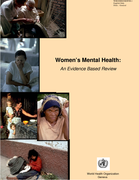
This document adopts a health determinants framework for examining the evidence related to women’s poor mental health. From this perspective, public policy including economic policy, socio-cultura
...
l and environmental factors, community and social support, stressors and life events, personal behaviour and skills, and availability and access to health services, are all seen to exercise a role in determining women’s mental health status. Similarly, when considering the differences between women and men, a gender approach has been used. While this does not exclude biological or sex differences, it considers the critical roles that social and cultural factors and unequal power relations between men and women play in promoting or impeding mental health. Such inequalities create, maintain and exacerbate exposure to risk factors that endanger women’s mental health, and are most graphically illustrated in the significantly different rates of depression between men and women, poverty and its impact, and the phenomenal prevalence of violence against women.
more
Interim guidance. 12 May 2021. The Continuity of essential health services: Facility Assessment Tool can be used by countries to rapidly assess the capacity of health facilities to maintain the prov
...
ision of essential health services during the COVID-19 pandemic. It can help to alert the authorities and other stakeholders about where service delivery and utilization may require modification and/or investment. This assessment tool covers the following aspects of essential health services:
health workforce (numbers, absences, COVID-19 infections, health workforce management, training and support);
financial management and barriers;
service delivery and utilization (facility closures, changes in service delivery, community communication campaigns, changes in service utilization and catch-up strategies);
IPC capacities (protocols, safety measures, guidelines and the availability of personal protective equipment (PPE) for staff);
availability of therapeutics, diagnostics and supplies, and vaccine readiness; and
provision of COVID-19 primary care services.
more

The report identifies major global gaps in WASH services: one third of health care facilities do not have what is needed to clean hands where care is provided; one in four facilities have no water services, and 10% have no sanitation services. This
...
means that 1.8 billion people use facilities that lack basic water services and 800 million use facilities with no toilets. Across the world’s 47 least-developed countries, the problem is even greater: half of health care facilities lack basic water services. Furthermore, the extent of the problem remains hidden because major gaps in data persist, especially on environmental cleaning.
This report also describes the global and national responses to the 2019 World Health Assembly resolution on WASH in health care facilities. More than 70% of countries have conducted related situation analyses, 86% have updated and are implementing standards and 60% are working to incrementally improve infrastructure and operation and maintenance of WASH services. Case studies from 30 countries demonstrate that progress is being propelled by strong national leadership and coordination, use of data to direct resources and action, and the mutual benefits of empowering health workers and communities to develop solutions together.
more

Against the backdrop of the COVID-19 pandemic, health is receiving unprecedented public and political attention. Yet the fact that climate change also presents us with a health crisis deserves furth
...
er recognition. From more deaths due to heat stress to increased transmission of infectious diseases, climate change affects the social and environmental determinants of health in ways that are profound and far-reaching. The fundamental interdependency of human health and the health of the environment is encapsulated in the concept of planetary health, a scientific field and social movement that has been gaining force since the 2015 publication of the Rockefeller Foundation-Lancet Commission report “Safeguarding human health in the Anthropocene epoch”.
We see an urgent need for strategic communication to raise awareness of climate-health synergies in order to overcome the misperception that climate and health are two independent agendas. The fragmented and sector-focused nature of thinking and action remains a significant barrier to integrating health considerations into climate planning and project development. Inevitably, collaboration across sectors requires a community of practice. Despite recent efforts focused on the climate-health nexus, much work remains to be done to translate scientific findings for policymakers, mobilise climate financing resources in support of health co-benefits, and promote genderjust solutions within climate change projects.
more
This document puts forward the joint position and vision of an expert, global, multistakeholder working group on implementing Kangaroo Mother Care (KMC) for all preterm or low birth weight (LBW) infants as the foundation for small and/or sick newborn care within maternal, newborn, and child
...
health programmes, and spur collaborative global action. The document summarizes the background information, evidence, and rationale for making KMC available to every preterm or LBW newborn and seeks to galvanize the international maternal, newborn, and child health community and families to come together to support the implementation of KMC for all preterm or LBW infants to improve their and their mothers and families health and well-being.
This position paper is intended to be used by policy-makers (i.e. those responsible for national policy, guideline development and budget allocation), development partners, programme managers, health workforce leadership, practising clinicians, civil society leadership (e.g. parent and professional organizations) and researchers/research organizations involved in KMC implementation research.
more

This guide is intended to assist
state, local, and tribal public health
professionals in the initiation of
response activities during the
first 24 hours of an emergency
or disaster. I
...
t should be used in
conjunction with existing emergency
operations plans, procedures,
guidelines, resources, assets, and
incident management systems. It
is not a substitute for public health
emergency preparedness and
planning activities. The response to
any emergency or disaster must be
a coordinated community effort.
more

24 April 2020
Policy considerations
for the WHO European Region
This document provides key considerations for Member States to help them to decide on the modulation
of large-scale restrictive public health measures
(i.e. movement restrictions
...
and large-scale physical distancing), while at the same time strengthening core public health service capacities (to identify, isolate,
test and treat every patient and quarantine contacts) together with personal protective measures (hand hygiene and respiratory etiquette) and individual physical distancing (>1 metre distance). The transition should be informed by national, subnational or even community-level risk assessments as the transmission of COVID-19 is typically not homogeneous within a country.
more
A broad range of UNHCR’s key priorities overlap with MHPSS issues – for example, child protection and sexual and gender-based violence [SGBV] prevention and response.
Despite all these existent synergies, UNHCR’s current policies and guidelines do not sufficiently link with MHPSS principles.
...
For example, the Community Services section, which is closely aligned to the principles of MHPSS and could be well-positioned to guide the implementation of related programs, has not adopted the MHPSS language or approach.
There are opportunities for UNHCR to engage more strongly and clearly in this field. However, this requires a vision for how the organisation as a whole, and particular sectors within the organisation, will engage within the field of MHPSS activities. For a start, UNHCR can work to improve its understanding and framing of mental health and psychosocial issues, and how these issues fit within its broader mandate.
While the majority of MHPSS activities are delivered by implementing partners, UNHCR staff require familiarity with core principles in the field, such as the Intervention Pyramid contained in the IASC Guidelines, in order to support and monitor quality MHPSS activities.
more
Learnings from the COVID-19 evidence response and recommendations for the future.
Reflections and recommendations from the evidence synthesis community.

UNAIDS is calling on governments to ensure that the right to health is realized by all by prioritizing public investments in health. At least half of the world’s population cannot access essential
...
health services. Every two minutes a woman dies while giving birth. Among the people being left behind are women, adolescents, people living with HIV, gay men and other men who have sex with men, sex workers, people who inject drugs, transgender people, migrants, refugees and poor people.
more

Specific action sheets offer useful guidance on mental health and psychosocial support and cover the following areas coordination assessment monitoring and evaluation protection and human rights standards human resources
...
community mobilisation and support health services education dissemination of information food security and nutrition shelter and site planning and water and sanitationthe guidelines include a matrix with guidance for emergency planning actions to be taken in the early stages of an emergency and comprehensive responses needed in the recovery and rehabilitation phases
more

A case study of the role of an Essential Health Benefit in the delivery of integrated health services in Zambia
Luwabelwa, M.; Banda, P; Palale M.; Chama-Chiliba, C.
Regional Network for Equity in Health in east and southern Africa (EQUINET)
(2017)
C1
Regional Network for Equity in Health in east and southern Africa (EQUINET): Disussion Paper 111
The health services delivery system in Zambia is pyramid in structure, with primary healthcare ( ... PHC) services at community level, at the base, followed by first and second level hospitals at district and provincial levels, respectively, and third level (tertiary) services at national level. Notably, primary health services are free in Zambia and health service providers are either governmentowned or not-for-profit facilities.
Over the years, resource constraints have affected the quality and extent of healthcare services at all levels, requiring the mobilisation of additional resources for the sector. In doing so, prioritisation was high on the agenda of health sector reform. The EHB, therefore, prioritises interventions with the highest impact on the population, enabling policy makers to revisit priority diseases and conditions and to cost the services provided at each level of facility. Other key issues in developing the EHB in Zambia have included the need to have cost-effective services and cost per capita of services for more systematic budgeting, to rank interventions and to validate and cost the health benefit package as a whole. more
The health services delivery system in Zambia is pyramid in structure, with primary healthcare ( ... PHC) services at community level, at the base, followed by first and second level hospitals at district and provincial levels, respectively, and third level (tertiary) services at national level. Notably, primary health services are free in Zambia and health service providers are either governmentowned or not-for-profit facilities.
Over the years, resource constraints have affected the quality and extent of healthcare services at all levels, requiring the mobilisation of additional resources for the sector. In doing so, prioritisation was high on the agenda of health sector reform. The EHB, therefore, prioritises interventions with the highest impact on the population, enabling policy makers to revisit priority diseases and conditions and to cost the services provided at each level of facility. Other key issues in developing the EHB in Zambia have included the need to have cost-effective services and cost per capita of services for more systematic budgeting, to rank interventions and to validate and cost the health benefit package as a whole. more
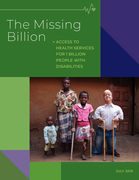
One billion people around the world live with disabilities. This report makes the case that they are being “left behind” in the global community’s work on health. This lack of access not only
...
violates the rights of people with disabilities under international law, but UHC and SDG 3 cannot be attained without better health services for the one billion people with disabilities.
more

This trainer toolkit is a guide for Neglected Tropical Diseases (NTD) program implementers in Nigeria to train primary health care health workers
...
to diagnose and provide care for women and girls with symptoms of female genital schistosomiasis (FGS). It has been developed based on a pilot study in Ogun State where 22 health facilities were trained on using the FGS tools. The trainer guide should be used alongside the ‘Health Worker Training Guide for managing FGS within primary health care’. Trainers should familiarise themselves with this manual before the training to ensure that all aspects of the training are conducted effectively.
more

COTS (Cholera Outbreak Training and Shigellosis) Program Health Promotion Worker Pocket Card
recommended
The COTS Cholera Outbreak Training and Shigellosis Program Pocket Card provides essential guidelines for health promotion workers to prevent and manage cholera and shigellosis outbreaks. It emphasiz
...
es proper sanitation, hygiene practices, safe water handling, and food safety as the primary methods for disease control. Key recommendations include handwashing, disinfecting water with chlorine, using latrines, and ensuring safe food preparation. The document also outlines hospital policies, waste disposal procedures, and safety measures for healthcare workers dealing with diarrheal diseases. Additionally, it provides dehydration assessment guidelines, treatment protocols using Oral Rehydration Solution (ORS) and IV fluids, and appropriate antibiotic treatments for both cholera and shigellosis. The goal is to equip healthcare workers with quick-reference tools to effectively contain outbreaks and prevent further transmission.
more

Ethiopia has seen high economic growth over the last decade, but remains a poor country with a high burden of disease. It has made considerable health gains in recent years, mainly by having
...
health policies that focus on extending primary healthcare, using health extension workers. It has made good use of existing resources,but has a low health expenditure (of around US$21 per capita, and totalling 4per centof GDP). It has a federal system with devolved healthcare financing, whereby block grants are allocated to sectors at regional and woreda(district) level. The challenge now,with the epidemiological transition (and a sense that the ‘low-hanging fruits’have already been gathered in relation to public health), is how Ethiopia, still poor, continuesto invest in health improvements?Human resources for health (HRH) are a critical pillar within any health system –the health staff combine inputs to provide the services, thus affecting how all other resources are used, and they make frontline (and back-office) decisions thatare importantdeterminants of servicequality,effectiveness and equity. HRH is usually the most resource-intensive element within the health system –commonly absorbing 50–70per centof public expenditure onhealth, although the proportions are very varied by individual countries and across regions. As they are commonly part of the public administration, reforms to HRH are also part of a complex political economy in most countries.Assessing value for money (VfM) in relation to HRH is correspondingly complex;across the value chain, manyfactors influence the conversion of inputs into outputs and outcomes (see Figure 1).A more detailed description of the HRH value chain can be found in Annex1.
more
The Mexico Declaration for Circulatory Health brings together global health
organizations committed to improving circulatory health and reducing d
...
eaths and disability from heart disease and stroke around the world. These diseases presently represent the biggest health burden world-wide, accounting for over 17 million deaths every year. We are united around existing global strategies and targets to reduce the burden of heart disease and stroke. We are committed to achieving the World Health Organization (WHO) “25 by 25” non-communicable disease (NCD) targets, and the United Nations’ NCDrelated Sustainable Development Goals, based on known, effective and affordable
interventions for secondary prevention, primary prevention and primordial prevention in populations. As heart disease and stroke make up half of all NCD deaths, our efforts, working together as the international cardiovascular community, are central to achieving these global goals.
more

The humanitarian crisis in Northeast Nigeria, driven by conflict, climate-related shocks, and food insecurity, has created immense challenges for the health sector in Borno, Adamawa, and Yobe (BAY) States. About 1.8 million people remain displaced(1
...
), with inadequate access to healthcare services and persistent disease outbreaks, malnutrition, and mental health challenges. This strategy outlines a comprehensive localization approach to strengthen the health sector's capacity by empowering local and national actors (L/NAs) include state and local government structures to lead humanitarian responses at respective levels with minimal oversight functions.
The localization strategy aligns with the global commitments of the Grand Bargain 2.0, prioritizing equitable partnerships, capacity sharing, and resource mobilization to enhance sustainable, community-owned health systems(2). Key components include increasing the visibility and meaningful participation of L/NAs in health sector coordination, promoting direct funding to local actors, and addressing systemic barriers such as governance, leadership, capacity, and resource gaps.
The global humanitarian community made a commitment, as reflected in the Grand Bargain 2.0, to localization (3) to improve the efficiency and effectiveness of humanitarian aid. A key priority of this commitment is to empower local actors to take a leading role in delivering assistance, ultimately leading to better outcomes for affected communities. A localized health response, strengthened by partnerships, can achieve several key outcomes, including rapid response and access, community acceptance, cost-effectiveness, links to long-term development, and increased accountability to the community. Localization in health matters because it ensures sustainable and community-owned health responses.
more

This malaria case management training manual was developed by the Federal Ministry of Health (FMOH) of Ethiopia, in collaboration with several national and international partners. Primarily based on WHO guidelines and training materials, as well as
...
the 2022 national malaria guidelines and various technical documents, it aims to provide a standardised, simplified resource for clinical health workers in both the public and private sectors in Ethiopia. The manual aims to provide clinical health workers in both the public and private sectors in Ethiopia with a standardised, simplified resource.
more
The document is primarily meant to inform mental health and psychosocial support (MHPSS) staff, such as: psychologists, psychosocial counsellors, social workers, psychiatrists, psychiatric nurses, a
...
nd others who are involved providing individual or group counselling, psychotherapy and/or psychiatric treatment for Syrians
more
