Filter
2652
Text search:
accessing
health
care
Featured
235
729
Language
2600
48
42
30
28
17
15
4
4
3
3
3
2
2
2
2
2
2
2
2
1
1
1
1
1
1
1
1
1
1
1
1
1
1
1
1
1
Document type
1417
497
305
141
140
61
42
28
10
5
2
1
Countries
117
99
88
72
69
64
63
62
61
58
55
51
50
50
46
46
38
37
35
34
32
30
28
27
26
25
23
23
23
20
17
17
16
15
15
14
14
14
14
14
14
13
12
9
9
8
8
8
8
8
8
7
7
7
6
6
6
6
6
5
5
5
4
4
4
4
4
4
4
4
3
3
3
3
3
3
3
3
2
2
2
2
2
2
2
2
1
1
1
1
1
1
1
1
1
1
1
1
1
1
1
1
1
1
1
1
1
1
1
1
1
1
1
1
1
1
1
1
1
1
1
1
1
1
1
Authors & Publishers
318
91
75
72
64
55
54
54
35
34
26
19
18
17
16
15
15
15
15
15
15
14
14
14
13
12
12
12
12
11
11
11
11
10
10
9
9
9
9
9
9
8
8
8
8
8
7
7
7
7
7
7
7
7
7
7
6
6
6
6
6
6
6
6
6
6
6
6
6
5
5
5
5
5
5
5
5
5
5
5
5
5
5
5
5
5
5
5
5
4
4
4
4
4
4
4
4
4
4
4
4
4
4
4
4
4
4
4
4
4
4
4
4
4
4
4
4
4
4
4
4
4
3
3
3
3
3
3
3
3
3
3
3
3
3
3
3
3
3
3
3
3
3
3
3
3
3
3
3
3
3
3
3
3
3
3
3
3
3
3
3
3
3
3
3
3
3
3
3
3
3
3
3
3
3
3
3
3
3
3
3
3
3
3
2
2
2
2
2
2
2
2
2
2
2
2
2
2
2
2
2
2
2
2
2
2
2
2
2
2
2
2
2
2
2
2
2
2
2
2
2
2
2
2
2
2
2
2
2
2
2
2
2
2
2
2
2
2
2
2
2
2
2
2
2
2
2
2
2
2
2
2
2
2
2
2
2
2
2
2
2
2
2
2
2
2
2
2
2
2
2
2
2
2
2
2
2
2
2
2
2
2
2
2
2
2
2
2
2
2
2
2
2
2
2
2
2
2
2
2
2
2
2
2
2
2
2
2
2
2
2
2
2
2
2
2
2
2
2
2
2
2
2
2
2
2
2
1
1
1
1
1
1
1
1
1
1
1
1
1
1
1
1
1
1
1
1
1
1
1
1
1
1
1
1
1
1
1
1
1
1
1
1
1
1
1
1
1
1
1
1
1
1
1
1
1
1
1
1
1
1
1
1
1
1
1
1
1
1
1
1
1
1
1
1
1
1
1
1
1
1
1
1
1
1
1
1
1
1
1
1
1
1
1
1
1
1
1
1
1
1
1
1
1
1
1
1
1
1
1
1
1
1
1
1
1
1
1
1
1
1
1
1
1
1
1
1
1
1
1
1
1
1
1
1
1
1
1
1
1
1
1
1
1
1
1
1
1
1
1
1
1
1
1
1
1
1
1
1
1
1
1
1
1
1
1
1
1
1
1
1
1
1
1
1
1
1
1
1
1
1
1
1
1
1
1
1
1
1
1
1
1
1
1
1
1
1
1
1
1
1
1
1
1
1
1
1
1
1
1
1
1
1
1
1
1
1
1
1
1
1
1
1
1
1
1
1
1
1
1
1
1
1
1
1
1
1
1
1
1
1
1
1
1
1
1
1
1
1
1
1
1
1
1
1
1
1
1
1
1
1
1
1
1
1
1
1
1
1
1
1
1
1
1
1
1
1
1
1
1
1
1
1
1
1
1
1
1
1
1
1
1
1
1
1
1
1
1
1
1
1
1
1
1
1
1
1
1
1
1
1
1
1
1
1
1
1
1
1
1
1
1
1
1
1
1
1
1
1
1
1
1
1
1
1
1
1
1
1
1
1
1
1
1
1
1
1
1
1
1
1
1
1
1
1
1
1
1
1
1
1
1
1
1
1
1
1
1
1
1
1
1
1
1
1
1
1
1
1
1
1
1
1
1
1
1
1
1
1
1
1
1
1
1
1
1
1
1
1
1
1
1
1
1
1
1
1
1
1
1
1
1
1
1
1
1
1
1
1
1
1
1
1
1
1
1
1
1
1
1
1
1
1
1
1
1
1
1
1
1
1
1
1
1
1
1
1
1
1
1
1
1
1
1
1
1
1
1
1
1
1
1
1
1
1
1
1
1
1
1
1
1
1
1
1
1
1
1
1
1
1
1
1
1
1
1
1
1
1
1
1
1
1
1
1
1
1
1
1
1
1
1
1
1
1
1
1
1
1
1
1
1
1
1
1
1
1
1
1
1
1
1
1
1
1
1
1
1
1
1
1
1
1
1
1
1
1
1
1
1
1
1
1
1
1
1
1
1
1
1
1
1
1
1
1
1
1
1
1
1
1
1
1
1
1
1
1
1
1
1
1
1
1
1
1
1
1
1
1
1
1
1
1
1
1
1
1
1
1
1
1
1
1
1
1
1
1
1
1
1
1
1
1
1
1
1
1
1
1
1
1
1
1
1
1
1
1
1
1
1
1
1
1
1
1
1
1
1
1
1
1
1
1
1
1
1
1
1
1
1
1
1
1
1
1
1
1
1
1
1
1
1
1
1
1
1
1
1
1
1
1
1
1
1
1
1
1
1
1
1
1
1
1
1
1
1
1
1
1
1
1
1
1
1
1
1
1
1
1
1
1
1
1
1
1
1
1
1
1
1
1
1
1
1
1
1
1
1
1
1
1
1
1
1
1
1
1
1
1
1
1
1
1
1
1
1
1
1
1
1
1
1
1
1
1
1
1
1
1
1
1
1
1
1
1
1
1
1
1
1
1
1
1
1
1
1
1
1
1
1
1
1
1
1
1
1
1
1
1
1
1
1
1
1
1
1
1
1
1
1
1
1
1
1
1
1
1
1
1
1
1
1
1
1
1
1
1
1
1
1
1
1
1
1
1
1
1
1
1
1
1
1
1
1
1
1
1
1
1
1
1
1
1
1
1
1
1
1
1
1
1
1
1
1
1
1
1
1
1
1
1
1
1
1
1
1
1
1
1
1
1
1
1
1
1
1
1
1
1
1
1
1
1
1
1
1
1
1
1
1
1
1
1
1
1
1
1
1
1
1
1
1
1
1
1
1
1
1
1
1
1
1
1
1
1
1
1
1
1
1
1
1
1
1
1
1
1
1
1
1
1
1
1
1
1
1
1
1
1
1
1
1
1
1
1
1
1
1
1
1
1
1
1
1
1
1
1
1
1
1
1
1
1
1
1
1
1
1
1
1
1
1
1
1
1
1
1
1
1
1
1
1
1
1
1
1
1
1
1
1
1
1
1
1
1
1
1
1
1
1
1
1
1
1
1
1
1
1
1
1
1
1
1
1
1
1
1
1
1
1
1
1
1
1
1
1
1
1
1
1
1
1
1
1
1
1
1
1
1
1
1
1
1
1
1
1
1
1
1
1
1
1
1
1
1
1
1
1
1
1
1
1
1
1
1
1
1
1
1
1
1
1
1
1
1
1
1
1
1
1
1
1
1
1
1
1
1
1
1
1
1
1
1
1
1
1
1
1
1
1
1
1
1
1
1
1
1
1
1
1
1
1
1
1
1
1
1
1
1
1
1
1
1
1
1
1
1
1
1
1
1
1
1
1
1
1
1
1
1
1
1
1
1
1
1
1
1
1
1
1
1
1
1
1
1
1
1
1
1
1
1
1
1
1
1
1
1
1
1
1
1
1
1
1
1
1
1
1
1
1
1
1
1
1
1
1
1
1
1
1
1
1
1
1
1
1
1
1
1
1
1
1
1
1
1
1
1
1
1
1
1
1
1
1
1
1
1
1
1
1
1
1
1
1
1
1
1
1
1
1
1
1
1
1
1
1
1
1
1
1
1
1
1
1
1
1
1
1
1
1
1
1
1
1
1
1
1
1
1
1
1
1
1
1
1
1
1
1
1
1
1
1
1
1
1
1
1
1
1
1
1
1
1
1
1
1
1
1
1
1
1
1
1
1
1
1
1
1
1
1
1
1
1
1
1
1
1
1
1
1
1
1
1
1
1
1
1
1
1
1
1
1
1
1
1
1
1
1
1
1
1
1
1
1
1
1
1
1
1
1
1
1
1
1
1
1
1
1
1
1
1
1
1
1
1
1
1
1
1
1
1
1
1
1
1
1
1
1
1
1
1
1
1
1
1
1
1
1
1
1
1
1
1
1
1
1
1
1
1
1
1
1
1
1
1
1
1
1
1
1
1
1
1
1
1
1
1
1
1
1
1
1
1
1
1
1
1
1
1
1
1
1
1
1
1
1
1
1
1
1
1
1
1
1
1
1
1
1
1
1
1
1
1
1
1
1
1
1
1
1
1
1
1
1
1
1
1
1
1
1
1
1
1
1
1
1
1
1
1
1
1
1
1
1
1
1
1
1
1
1
1
1
1
1
1
1
1
1
1
1
1
1
1
1
1
1
1
1
1
1
1
1
1
1
1
1
1
1
1
1
1
1
1
1
1
1
1
1
1
1
1
1
1
1
1
1
1
1
1
1
1
1
1
1
1
1
1
1
1
1
1
1
1
1
1
1
1
1
1
1
1
1
1
1
1
1
1
1
1
1
1
1
1
1
1
1
1
1
1
1
1
1
1
1
1
1
1
1
1
1
1
1
1
1
1
1
1
1
1
1
1
1
1
1
1
1
1
1
1
1
1
1
1
1
1
1
1
1
1
1
1
1
1
1
1
1
1
1
1
1
1
1
1
1
1
1
1
1
1
1
1
1
1
1
1
1
1
1
1
1
1
1
1
1
1
1
1
1
1
1
1
1
1
1
1
1
1
1
1
1
1
1
1
1
1
1
1
1
1
1
1
1
1
1
1
1
1
1
1
1
1
1
1
1
1
1
1
1
1
1
1
1
1
1
1
1
1
1
1
1
1
1
1
1
1
1
1
1
1
1
1
1
1
1
1
1
1
1
1
1
1
1
1
1
1
1
1
1
1
1
1
1
1
1
1
1
1
1
1
1
1
1
1
1
1
1
1
1
1
1
1
1
1
1
1
1
1
1
1
1
1
1
1
1
1
1
1
1
1
1
1
1
1
1
1
1
1
1
1
1
1
1
1
1
1
1
1
1
1
1
1
1
1
1
1
1
1
1
1
1
1
1
1
1
1
1
1
1
1
1
1
1
1
1
1
1
1
1
1
1
1
1
1
1
1
1
1
1
1
1
1
1
1
1
1
1
1
1
1
1
1
1
1
1
1
1
Publication Years
935
1536
177
4
Category
1148
147
141
139
97
48
10
Toolboxes
258
229
221
188
144
140
91
53
52
46
41
35
34
32
28
27
23
23
13
13
12
11
7
5
4
2
1

The humanitarian crisis in Northeast Nigeria, driven by conflict, climate-related shocks, and food insecurity, has created immense challenges for the health sector in Borno, Adamawa, and Yobe (BAY) States. About 1.8 million people remain displaced(1
...
), with inadequate access to healthcare services and persistent disease outbreaks, malnutrition, and mental health challenges. This strategy outlines a comprehensive localization approach to strengthen the health sector's capacity by empowering local and national actors (L/NAs) include state and local government structures to lead humanitarian responses at respective levels with minimal oversight functions.
The localization strategy aligns with the global commitments of the Grand Bargain 2.0, prioritizing equitable partnerships, capacity sharing, and resource mobilization to enhance sustainable, community-owned health systems(2). Key components include increasing the visibility and meaningful participation of L/NAs in health sector coordination, promoting direct funding to local actors, and addressing systemic barriers such as governance, leadership, capacity, and resource gaps.
The global humanitarian community made a commitment, as reflected in the Grand Bargain 2.0, to localization (3) to improve the efficiency and effectiveness of humanitarian aid. A key priority of this commitment is to empower local actors to take a leading role in delivering assistance, ultimately leading to better outcomes for affected communities. A localized health response, strengthened by partnerships, can achieve several key outcomes, including rapid response and access, community acceptance, cost-effectiveness, links to long-term development, and increased accountability to the community. Localization in health matters because it ensures sustainable and community-owned health responses.
more

Achieving financial risk protection for the whole population requires significant financing for health. Health systems in low- and middle-income countries (LMIC) are plagued with persistent underfun
...
ding, and recent reductions in official development assistance have been registered. To create fiscal
space for health, the pursuit of efficiency gains and exploring innovative health financing for health seem attractive. This paper sought to synthesize available evidence on the nature of innovative health financing instruments, mechanisms and policies implemented in Africa. We further reviewed the factors that hinder or facilitate implementation, the lessons learnt on the structure, the development process and the implementation.
more

This malaria case management training manual was developed by the Federal Ministry of Health (FMOH) of Ethiopia, in collaboration with several national and international partners. Primarily based on WHO guidelines and training materials, as well as
...
the 2022 national malaria guidelines and various technical documents, it aims to provide a standardised, simplified resource for clinical health workers in both the public and private sectors in Ethiopia. The manual aims to provide clinical health workers in both the public and private sectors in Ethiopia with a standardised, simplified resource.
more

The standards of care for HIV define the expected or desired quality of prevention, treatment, and care for people at risk of HIV acquisition or living with HIV.
The standards are based on a scient
...
ific rationale, as well as the responsibilities of each stakeholder, to ensure that people receive appropriate, high-quality prevention and care that aligns with the most up-to-date medical knowledge and ethical standards
more

The document “Strengthening the global architecture for health emergency prevention, preparedness, response and resilience” presents a report by the Director-General of the World Health Organiza
...
tion (WHO) to the World Health Assembly on global efforts to improve preparedness and response to health emergencies. It reviews the implementation of the Health Emergency Prevention, Preparedness, Response and Resilience (HEPR) framework and highlights lessons learned from recent crises such as COVID-19. The report describes international initiatives to strengthen global health governance, surveillance systems, laboratory networks, community protection measures, healthcare capacity and access to medical countermeasures like vaccines and diagnostics. It also discusses coordination of emergency responses, support for countries facing outbreaks or humanitarian crises, and the importance of international cooperation. In addition, the report emphasizes the need for sustainable and coordinated financing to strengthen global health security and ensure that countries can better prevent, detect and respond to future health threats.
more

The 2026 appeal seeks nearly US$ 1 billion to respond to 36 emergencies worldwide, including 14 Grade 3 emergencies requiring the highest level of organizational response. These emergencies span sudden-onset and protracted humanitarian crises where health
...
needs are critical.
more
Prioritise education in conflict-affected areas:
Across the world 28 million1 primary school-age children living in conflict-affected countries are
out-of-school, and they form half of the world’s total out-of-school population. During conflict,
infrastructure assets such as schools are damaged
...
or completely destroyed during fighting. Children
may choose to stay away from school due to their and their family’s safety fears in the midst of
conflict, or the need to supplement their family’s income amidst conflict-related financial loss.
Children who are internally displaced by conflict face a particularly challenging task accessing
education due to the specific conditions created by their displacement, such as loss of livelihoods
making school fees hard to find, and discrimination from host communities. Children caught in
conflict are being deprived of their right to education2 and denied the opportunity to benefit from the
protective and life-sustaining mechanisms of education.
more

Nearly 800 women die every day from preventable maternal causes, and in 2022 alone, an estimated 2.3 million newborns died. For every maternal death, countless more women endure life-altering injuries, infections, and disabilities related to childbirth.
Maternal deaths are concentrated in the poo
...
rest regions and conflict-affected areas. In 2020, sub-Saharan Africa accounted for nearly 70% of all maternal deaths, with just 22 countries responsible for 81% of the global total. Humanitarian crises and fragile health systems exacerbate these challenges, with maternal mortality rates in crisis-affected areas often double the global average. The barriers to progress are multifaceted, including inadequate funding, poor-quality healthcare, harmful gender and social norms, and critical gaps in data and accountability.
more

nContraception and Reproductive Medicine (2017) 2:26 DOI 10.1186/s40834-017-0053-6
Young women in Burkina Faso and Mali are increasingly using modern contraceptives for family planning; however, the LAPM contraceptive prevalence rate remains low. Our analysis indicates that social norms around idea
...
l family size for both men and women continue to drive young women’s choices around family planning and impede use of LAPMs. To increase modern contraceptive use and curb fertility rates, local governments and development organizations should focus on women’s empowerment and include male partners.
more

BMJ Global Health https://gh.bmj.com/content/6/9/e007004

This MHPSS in Emergencies training aims to prepare MHPSS responders, disaster managers, and emergency team leaders for work in the field by building understanding of basic concepts of MHPSS in emergencies as well as planning and implementing PSS activities. It is for MHPSS focal points from the Red
...
Cross and Red Crescent Societies Movement and humanitarian organizations responsible for initiating or supporting the overall mental health and psychosocial activities and interventions during emergencies. The training modules in this guide have been developed to be flexible and adapted to different contexts and training needs. The guide and accompanying materials include the information and materials you will need to design and facilitate MHPSS in Emergencies training.
more


These Guidelines comprise a General Guidelines document that provides the basic parameters of DG ECHO humanitarian health assistance, complemented by specific Technical Guidance in annex.
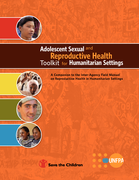
Adolescent Sexual and Reproductive Health Toolkit for Humanitarian Settings
UNFPA, Save the Children USA
(2009)
This Toolkit is intended to guide humanitarian programme managers and healthcare providers to ensure that sexual and reproductive health interventions put into place both during and after a crisis are responsive to the unique needs of adolescents.
This is one of seven Medical Peace Work courses.
In many countries, people with disabilities still face multiple barriers when accesing health services. This case study details the challenges encountered on the way, the lessons drawn from it and achievements to date. You could also download a long
...
version: http://health.bmz.de/good-practices/GHPC/Every_person_counts/Every_person_counts_long_ENG.pdf
more
This timely report comes at a decisive moment in history where
we can reshape urban environments and health systems for the
majority of the world’s population that live in cities. Enabling
this transformation are the SDGs, which have reconfigur
...
ed how
governments and the international community need to plan and
implement actions to eradicate poverty and inequality, create
inclusive economic growth, preserve the planet and improve
population health. Central to this quest is to create equitable,
healthier cities for sustainable development.
more