
Filter
3418
Text search:
WHO
Europe
Featured
304
515
Language
2997
260
184
107
79
61
42
38
29
14
14
13
13
9
8
8
7
7
6
6
6
6
5
5
5
4
4
4
4
3
3
3
2
2
2
2
2
2
2
2
1
1
1
1
1
1
1
1
1
1
1
1
1
1
Document type
1466
910
441
200
105
102
64
57
29
23
12
6
1
Countries / Regions
285
220
133
125
114
77
61
52
52
47
38
36
31
29
25
25
22
22
21
19
18
18
18
17
17
17
16
16
16
15
15
15
14
12
11
11
11
11
11
10
10
10
10
9
9
8
8
8
8
8
8
7
7
7
7
7
7
7
7
7
6
6
6
6
6
6
6
6
6
5
5
5
5
5
5
5
5
5
4
4
4
4
4
4
3
3
3
3
3
3
3
2
2
2
2
2
2
2
2
2
2
2
2
2
2
2
2
2
2
1
1
1
1
1
1
1
1
1
1
1
1
1
1
1
1
1
Authors & Publishers
587
193
148
108
96
94
63
54
54
41
36
33
32
30
27
23
22
22
21
18
17
16
16
14
14
14
14
13
12
11
11
11
11
11
11
10
10
10
10
10
10
9
9
9
9
9
9
8
8
8
8
8
8
8
8
8
8
7
7
7
7
7
7
7
6
6
6
6
6
6
6
6
6
6
6
5
5
5
5
5
5
5
5
5
5
5
5
5
5
5
5
5
5
5
5
5
5
4
4
4
4
4
4
4
4
4
4
4
4
4
4
4
4
4
4
4
4
4
4
4
4
4
4
4
4
4
4
3
3
3
3
3
3
3
3
3
3
3
3
3
3
3
3
3
3
3
3
3
3
3
3
3
3
3
3
3
3
3
3
3
3
3
3
3
3
3
3
3
3
3
3
3
3
3
3
3
3
3
3
3
3
3
3
3
3
3
3
3
3
3
3
2
2
2
2
2
2
2
2
2
2
2
2
2
2
2
2
2
2
2
2
2
2
2
2
2
2
2
2
2
2
2
2
2
2
2
2
2
2
2
2
2
2
2
2
2
2
2
2
2
2
2
2
2
2
2
2
2
2
2
2
2
2
2
2
2
2
2
2
2
2
2
2
2
2
2
2
2
2
2
2
2
2
2
2
2
2
2
2
2
2
2
2
2
2
2
2
2
2
2
2
2
2
2
2
2
2
2
2
2
2
2
2
2
2
2
2
2
2
2
2
2
2
2
2
2
2
2
2
2
2
2
2
2
2
2
2
2
2
2
2
2
2
2
2
2
2
2
2
2
2
2
2
2
2
2
2
2
2
2
2
2
2
2
2
2
2
2
2
2
2
2
2
2
2
2
2
2
2
2
2
1
1
1
1
1
1
1
1
1
1
1
1
1
1
1
1
1
1
1
1
1
1
1
1
1
1
1
1
1
1
1
1
1
1
1
1
1
1
1
1
1
1
1
1
1
1
1
1
1
1
1
1
1
1
1
1
1
1
1
1
1
1
1
1
1
1
1
1
1
1
1
1
1
1
1
1
1
1
1
1
1
1
1
1
1
1
1
1
1
1
1
1
1
1
1
1
1
1
1
1
1
1
1
1
1
1
1
1
1
1
1
1
1
1
1
1
1
1
1
1
1
1
1
1
1
1
1
1
1
1
1
1
1
1
1
1
1
1
1
1
1
1
1
1
1
1
1
1
1
1
1
1
1
1
1
1
1
1
1
1
1
1
1
1
1
1
1
1
1
1
1
1
1
1
1
1
1
1
1
1
1
1
1
1
1
1
1
1
1
1
1
1
1
1
1
1
1
1
1
1
1
1
1
1
1
1
1
1
1
1
1
1
1
1
1
1
1
1
1
1
1
1
1
1
1
1
1
1
1
1
1
1
1
1
1
1
1
1
1
1
1
1
1
1
1
1
1
1
1
1
1
1
1
1
1
1
1
1
1
1
1
1
1
1
1
1
1
1
1
1
1
1
1
1
1
1
1
1
1
1
1
1
1
1
1
1
1
1
1
1
1
1
1
1
1
1
1
1
1
1
1
1
1
1
1
1
1
1
1
1
1
1
1
1
1
1
1
1
1
1
1
1
1
1
1
1
1
1
1
1
1
1
1
1
1
1
1
1
1
1
1
1
1
1
1
1
1
1
1
1
1
1
1
1
1
1
1
1
1
1
1
1
1
1
1
1
1
1
1
1
1
1
1
1
1
1
1
1
1
1
1
1
1
1
1
1
1
1
1
1
1
1
1
1
1
1
1
1
1
1
1
1
1
1
1
1
1
1
1
1
1
1
1
1
1
1
1
1
1
1
1
1
1
1
1
1
1
1
1
1
1
1
1
1
1
1
1
1
1
1
1
1
1
1
1
1
1
1
1
1
1
1
1
1
1
1
1
1
1
1
1
1
1
1
1
1
1
1
1
1
1
1
1
1
1
1
1
1
1
1
1
1
1
1
1
1
1
1
1
1
1
1
1
1
1
1
1
1
1
1
1
1
1
1
1
1
1
1
1
1
1
1
1
1
1
1
1
1
1
1
1
1
1
1
1
1
1
1
1
1
1
1
1
1
1
1
1
1
1
1
1
1
1
1
1
1
1
1
1
1
1
1
1
1
1
1
1
1
1
1
1
1
1
1
1
1
1
1
1
1
1
1
1
1
1
1
1
1
1
1
1
1
1
1
1
1
1
1
1
1
1
1
1
1
1
1
1
1
1
1
1
1
1
1
1
1
1
1
1
1
1
1
1
1
1
1
1
1
1
1
1
1
1
1
1
1
1
1
1
1
1
1
1
1
1
1
1
1
1
1
1
1
1
1
1
1
1
1
1
1
1
1
1
1
1
1
1
1
1
1
1
1
1
1
1
1
1
1
1
1
1
1
1
1
1
1
1
1
1
1
1
1
1
1
1
1
1
1
1
1
1
1
1
1
1
1
1
1
1
1
1
1
1
1
1
1
1
1
1
1
1
1
1
1
1
1
1
1
1
1
1
1
1
1
1
1
1
1
1
1
1
1
1
1
1
1
1
1
1
1
1
1
1
1
1
1
1
1
1
1
1
1
1
1
1
1
1
1
1
1
1
1
1
1
1
1
1
1
1
1
1
1
1
1
1
1
1
1
1
1
1
1
1
1
1
1
1
1
1
1
1
1
1
1
1
1
1
1
1
1
1
1
1
1
1
1
1
1
1
1
1
1
1
1
1
1
1
1
1
1
1
1
1
1
1
1
1
1
1
1
1
1
1
1
1
1
1
1
1
1
1
1
1
1
1
1
1
1
1
1
1
1
1
1
1
1
1
1
1
1
1
1
1
1
1
1
1
1
1
1
1
1
1
1
1
1
1
1
1
1
1
1
1
1
1
1
1
1
1
1
1
1
1
1
1
1
1
1
1
1
1
1
1
1
1
1
1
1
1
1
1
1
1
1
1
1
1
1
1
1
1
1
1
1
1
1
1
1
1
1
1
1
1
1
1
1
1
1
1
1
1
1
1
1
1
1
1
1
1
1
1
1
1
1
1
1
1
1
1
1
1
1
1
1
1
1
1
1
1
1
1
1
1
1
1
1
1
1
1
1
1
1
1
1
1
1
1
1
1
1
1
1
1
1
1
1
1
1
1
1
1
1
1
1
1
1
1
1
1
1
1
1
1
1
1
1
1
1
1
1
1
1
1
1
1
1
1
1
1
1
1
1
1
1
1
1
1
1
1
1
1
1
1
1
1
1
1
1
1
1
1
1
1
1
1
1
1
1
1
1
1
1
1
1
1
1
1
1
1
1
1
1
1
1
1
1
1
1
1
1
1
1
1
1
1
1
1
1
1
1
1
1
1
1
1
1
1
1
1
1
1
1
1
1
1
1
1
1
1
1
1
1
1
1
1
1
1
1
1
1
1
1
1
1
1
1
1
1
1
1
1
1
1
1
1
1
1
1
1
1
1
1
1
1
1
1
1
1
1
1
1
1
1
1
1
1
1
1
1
1
1
1
1
1
1
1
1
1
1
1
1
1
1
1
1
1
1
1
1
1
1
1
1
1
1
1
1
1
1
1
1
1
1
1
1
1
1
1
1
1
1
1
1
1
1
1
1
1
1
1
1
1
1
1
1
1
1
1
1
1
1
1
1
1
1
1
1
1
1
1
1
1
1
1
1
1
1
1
1
1
1
1
1
1
1
1
1
1
1
1
1
1
1
1
1
1
1
1
1
1
1
1
1
1
1
1
1
1
1
1
1
1
1
1
1
1
1
1
1
1
1
1
1
1
1
1
1
1
1
1
1
1
1
1
1
1
1
1
1
1
1
1
1
1
1
1
1
1
1
1
1
1
1
1
1
1
1
1
1
1
1
1
1
1
1
1
1
1
1
1
1
1
1
1
1
1
1
1
1
1
1
1
1
1
1
1
1
1
1
1
1
1
1
1
1
1
1
1
1
1
1
1
1
1
1
1
1
1
1
1
1
1
1
1
1
1
1
1
1
1
1
1
1
1
1
1
1
1
1
1
1
1
1
1
1
1
1
1
1
1
1
1
1
1
1
1
1
1
1
1
1
1
1
1
1
1
1
1
1
1
1
1
1
1
1
1
1
1
1
1
1
1
1
1
1
1
1
1
1
1
1
1
1
1
1
1
1
1
1
1
1
1
1
1
1
1
1
1
1
1
1
1
1
1
1
1
1
1
1
1
1
1
1
1
1
1
1
1
1
1
1
1
1
1
1
1
1
1
1
1
1
1
1
1
1
1
1
1
1
1
1
1
1
1
1
1
1
1
1
1
1
1
1
1
1
1
1
1
1
1
1
1
1
1
1
1
1
1
1
1
1
1
1
1
1
1
1
1
1
1
1
1
1
1
1
1
1
1
1
1
1
1
1
1
1
1
1
1
1
1
1
1
1
1
1
1
1
1
1
1
1
1
1
1
1
1
1
1
1
1
1
1
1
1
1
1
1
1
1
1
1
1
1
1
1
1
1
1
1
1
1
1
1
1
1
1
1
1
1
1
1
1
1
1
1
1
1
1
1
1
1
1
1
1
1
1
1
1
1
1
1
1
1
1
1
1
1
1
1
1
1
1
1
1
1
1
1
1
1
1
1
1
1
1
1
1
1
1
1
1
1
1
1
1
1
1
1
1
1
1
1
1
1
1
1
1
1
1
1
1
1
1
1
1
1
1
1
1
1
1
1
1
1
1
1
1
1
1
1
1
1
1
1
1
1
1
1
1
1
1
1
1
1
1
1
1
1
1
1
1
1
1
1
1
1
1
1
1
1
1
1
1
1
1
1
1
1
1
1
1
1
1
1
1
1
1
1
1
1
1
1
1
1
1
1
1
1
1
1
1
1
1
1
1
1
1
1
1
1
1
1
1
1
1
1
1
1
1
1
1
1
1
1
1
1
1
1
1
1
1
1
1
1
1
1
1
1
1
1
1
1
1
1
1
1
1
1
1
1
1
1
1
1
1
1
1
1
1
1
1
1
1
1
1
1
1
1
1
1
1
1
1
1
1
1
1
1
1
1
1
1
1
1
1
1
1
1
1
1
1
1
1
1
1
1
1
1
1
1
1
1
1
1
1
1
1
1
1
1
1
1
1
1
1
1
1
1
1
1
1
1
1
1
1
1
1
1
1
1
1
1
1
1
1
1
1
1
1
1
1
1
1
1
1
1
1
1
1
1
1
1
1
1
1
1
1
1
1
1
1
1
1
1
1
1
1
1
1
1
1
1
1
1
1
1
1
1
1
1
1
1
1
1
1
1
1
1
1
1
1
1
1
1
1
1
1
1
1
1
1
1
1
1
1
1
1
1
1
1
1
1
1
1
1
1
1
1
1
1
1
1
1
1
1
1
1
1
1
1
1
1
1
1
1
1
1
1
1
1
1
1
1
1
1
1
1
1
1
1
1
1
1
1
1
1
1
1
1
1
1
1
1
1
1
1
1
1
1
1
1
1
1
1
1
1
1
1
1
1
1
1
1
1
1
1
1
1
1
1
1
1
1
1
1
1
1
1
1
1
1
1
1
1
1
1
1
1
1
1
1
1
1
1
1
1
1
1
1
1
1
1
1
1
1
1
1
1
1
1
1
1
1
1
1
1
1
1
1
1
1
1
1
1
1
1
1
1
1
1
1
1
1
1
1
1
1
1
1
1
1
1
1
1
1
1
1
1
1
1
1
1
1
1
1
1
1
1
1
1
1
1
1
1
1
1
1
1
1
1
1
1
1
1
1
1
1
1
1
1
1
1
1
1
1
1
1
1
1
1
1
1
1
1
1
1
1
1
1
1
1
1
1
1
1
1
1
1
1
1
1
1
1
1
1
1
1
1
1
1
1
1
1
1
1
1
1
1
1
1
1
1
1
1
1
1
1
1
1
1
1
1
1
1
1
1
1
1
1
1
1
1
1
1
1
1
1
1
1
1
1
1
1
1
1
1
1
1
1
1
1
1
1
1
1
1
1
1
1
1
1
1
1
1
1
1
1
1
1
1
1
1
1
1
1
1
1
1
1
1
1
1
1
1
1
1
1
1
1
1
1
1
1
1
1
1
1
1
1
1
1
1
1
1
1
1
1
1
1
1
1
1
1
1
1
1
1
1
1
1
1
1
1
1
1
1
1
1
1
1
1
1
1
1
1
1
1
1
1
1
1
1
1
1
1
1
1
1
1
1
1
1
1
1
1
1
1
1
1
1
1
1
1
1
1
1
1
1
1
1
1
1
1
1
1
1
1
1
1
1
1
1
1
1
1
1
1
1
1
1
1
1
1
1
1
1
1
1
1
1
1
1
1
1
1
1
1
1
1
1
1
1
1
1
1
1
1
1
1
1
1
1
1
1
1
1
1
1
1
1
1
1
1
1
1
1
1
1
1
1
1
1
1
1
1
1
1
1
1
1
1
1
1
1
1
1
1
1
1
1
1
1
1
1
1
1
1
1
1
1
1
1
1
1
1
1
1
1
1
1
1
1
1
1
1
1
1
1
1
1
1
1
1
1
1
1
1
1
1
1
1
1
1
1
1
1
1
1
1
1
1
1
1
1
1
1
1
1
1
1
1
1
1
1
1
1
1
1
1
1
1
1
1
1
Publication Years
1
1354
1793
248
20
2
Category
667
245
193
180
177
53
24
3
Toolboxes
443
421
272
252
225
167
139
138
133
119
87
84
80
80
61
60
55
44
33
32
24
22
21
17
16
2
The report presents current information (updated to September 2015) on candidate vaccines, therapies and medical devices for Ebola and gives an overview of completed and on-going trials.
Interim Guidance.
A number of medical problems have been reported in survivors, including mental health issues. Ebola virus may persist in some body fluids, including semen. Ebola survivors need comprehensive support for the medical and psychosocial challenges they face and also to minimize the ... risk of continued Ebola virus transmission. WHO has developed this document to guide health services on how to provide quality care to survivors of Ebola virus disease more
A number of medical problems have been reported in survivors, including mental health issues. Ebola virus may persist in some body fluids, including semen. Ebola survivors need comprehensive support for the medical and psychosocial challenges they face and also to minimize the ... risk of continued Ebola virus transmission. WHO has developed this document to guide health services on how to provide quality care to survivors of Ebola virus disease more
For the control of vectors and pests of public health importance. Sixth edition
The strategy focuses on mobilizing and coordinating partners, experts and resources to help countries enhance surveillance of the Zika virus and disorders that could be linked to it, improve vector control, effectively communicate risks, guidance and protection measures, provide medical care to thos
...
e affected and fast-track research and development of vaccines, diagnostics and therapeutics
more
This Training module on malaria elimination has been developed by WHO to support health professionals in planning, managing, monitoring and evaluating malaria elimination programmes.
Supporting exercises: These files are necessary for participants
...
to complete a number of exercises listed in the manual. Please go to the website: http://www.who.int/malaria/publications/atoz/9789241549424/en/
more
Recovery partnership preparation package: Building capacity to reactivate safe essential health services and sustain health service resilience.
In the aftermath of an emergency, the recovery partnership preparation package supports the establishment and implementation of institutional health partne
...
rships, or ‘twinning partnerships’. These partnerships focus on shared learning and improvement in the services that are being delivered. The Twinning Partnerships for Improvement (TPI) approach supports capacity-building, the re-establishment of safe essential health services and encourages joint long term efforts on service delivery strengthening
more
These WHO guidelines which were updated in 2018, are valid for any country and suitable to local adaptations, and take account of the strength of available scientific evidence, the cost and resource implications, and patient values and preferences.
...
The 2018 edition of the guidelines includes the revision of the recommendation regarding the use of 80% fraction of inspired oxygen (high FiO2) in surgical patients under general anaesthesia with tracheal intubation and the update of the section on implementation. Between 2017 and 2018, WHO re-assessed the evidence on the use of high FiO2 by updating the systematic review related to the effectiveness of this intervention to reduce SSI and commissioning an independent systematic review on adverse events potentially associated with it. Based on the updated evidence, the GDG decided to revise the strength of the recommendation from strong to conditional.
more
Interim Guidance, 12 July 2021; This tool was developed to assess present and surge capacities for the treatment of COVID-19 in health facilities. It allows health facilities to assess the availability and status of stockout of critical COVID-19 medicines, equipment and supplies on site and to ident
...
ify areas that need further attention to enable the facility to respond effectively to the pandemic. The tool encompasses key components that are essential to managing COVID-19 in a hospital setting, including:
health workforce (numbers, absences, COVID-19 infections, staff vaccinated for COVID-19 health workforce management, training and support);
medicines and medical supplies for management of COVID-19;
IPC capacities (protocols, safety measures, guidelines) and the availability of personal protective equipment (PPE) for staff;
diagnostic testing, imaging and patient monitoring devices and supplies
medical equipment for management of COVID-19, including O2 administration;
COVID-19 vaccine readiness ;
beds and space capacity.
more
Drinking-water quality regulations and standards developed or revised in accordance with this guidance will reflect the best practices identified in the WHO Guidelines for Drinking-water Quality to most effectively protect public health. Moreover, t
...
he regulations and standards will consider local needs, priorities and capacities to ensure that they are realistic and appropriate. Topics covered include:
- Guiding principles
- Getting started
- Selecting parameters and parameter limits
- Setting out compliance monitoring requirements more
- Guiding principles
- Getting started
- Selecting parameters and parameter limits
- Setting out compliance monitoring requirements more
The first WHO Priority Assistive Products List was launched in May 2016. The List includes hearing aids, wheelchairs, communication aids, spectacles, artificial limbs, pill organizers, memory aids and other essential items for many older people and
...
people with disabilities to be able to live a healthy, productive and dignified life
more

The WHO Guide on Oral Cholera Vaccines in Mass Immunization Campaigns provides guidance on the planning and implementation of oral cholera vaccine (OCV) campaigns. It covers key aspects such as when and where to use OCVs, vaccine specifications, and
...
recommendations for use in endemic areas, outbreak settings, and complex emergencies. The document outlines steps for macro- and micro-planning, logistics, budgeting, human resource allocation, and risk communication. It also highlights challenges, including cold chain management, vaccine supply, and community engagement, ensuring that vaccination campaigns are efficient and effective in reducing cholera outbreaks.
more
The technical note by the Global Task Force on Cholera Control (GTFCC) discusses the use of Oral Cholera Vaccines (OCVs) for international workers and travelers in cholera-affected areas. It reviews the effectiveness of WHO-prequalified vaccines (Du
...
koral®, Shanchol™, and Euvichol®), emphasizing their role in preventing infection and reducing transmission risks.
The document highlights concerns about travelers contracting cholera in endemic regions and potentially spreading the disease upon returning home. While the overall risk is considered low, certain groups, such as humanitarian workers and travelers to high-risk areas like South Asia, face a higher exposure.
Recommendations include vaccination for emergency and relief workers who may come into direct contact with cholera patients or contaminated environments. However, routine vaccination for general travelers is not widely recommended. The note also calls for better surveillance and studies to assess the potential of vaccines in preventing international transmission.
more
The WHO Cholera Rapid Diagnostic Test (RDT) Target Product Profile outlines the key requirements for developing improved cholera RDTs. It highlights the need for fast, accurate, and easy-to-use tests for early outbreak detection in resource-limited
...
settings. The document sets desired and acceptable performance criteria, including high sensitivity and specificity, rapid results (under 15 minutes), and usability by non-laboratory personnel. The tests should be affordable, stable in extreme conditions, and require minimal training. The goal is to enhance cholera surveillance and outbreak response, ensuring quick containment and improved public health outcomes.
more
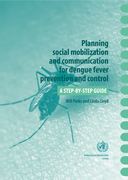
A Step-by-Step Guide.
It is intended for health planners, dengue or vector control programme managers and individuals, nongovernmental organizations (NGOs) and other agencies with interests and/or expertise in developing biological, chemical, environmental and communication interventions to prevent
...
and control dengue fever.
more
Примеры надлежащей практики в области укрепления систем здравоохранения с целью профилактики и лечения туберкулеза и лекарственно-устойчивого туберкулеза
First report of a demonstration project
