Filter
12494
Text search:
World
Health
Organization
World
Health
Organization
WHO
Featured
Recommendations
1222
New Publications
2725
Language
Document type
No document type
5885
Studies & Reports
2078
Guidelines
1730
Manuals
634
Fact sheets
586
Strategic & Response Plan
462
Training Material
256
Situation Updates
210
Resource Platforms
194
Infographics
154
Online Courses
113
Videos
90
Brochures
49
Dashboards/Maps
35
App
14
Countries / Regions
Global
703
India
362
Kenya
267
Sierra Leone
238
Liberia
219
Nigeria
212
Ethiopia
206
Uganda
203
Western and Central Europe
199
Latin America and the Carribbean
190
Africa
178
Nepal
173
Russia
164
Syria
159
South Africa
151
Ukraine
151
Rwanda
146
Bangladesh
142
Myanmar / Burma
141
Tanzania
140
Congo, Democratic Republic of
130
Malawi
125
Zambia
122
Ghana
113
Mozambique
102
Eastern Europe
101
Brazil
95
Philippines
93
Indonesia
93
South Sudan
90
Namibia
90
Middle East and North Africa
86
South–East Asia Region
82
Guinea
78
Yemen
76
Senegal
72
West and Central Africa
72
Asia
70
Cambodia
69
Haiti
65
Lesotho
65
Zimbabwe
64
East and Southern Africa
55
Venezuela
53
Burkina Faso
46
Colombia
46
Germany
45
Cameroon
44
Eastern Europe and Central Asia
44
Angola
40
Botswana
39
Pakistan
36
Paraguay
35
Mali
33
Sudan
32
Eswatini/ Swaziland
32
Madagascar
32
Afghanistan
31
China
30
Benin
30
Western Pacific Region
27
Somalia
26
Guinea-Bissau
25
Côte d’Ivoire / Ivory Coast
24
Lebanon
23
Thailand
23
Vietnam
23
Central African Republic
21
Jordan
20
Peru
19
Tajikistan
19
Niger
18
North America
18
Chad
17
Moldova
17
Laos
16
Iraq
15
Turkey
15
Argentina
15
Sri Lanka
15
Chile
14
Georgia
14
Albania
12
Ecuador
11
Palestine
11
Egypt
10
Armenia
10
Kazakhstan
10
Spain
10
Saudi Arabia
9
Togo
9
Burundi
9
Mexico
9
Iran
9
Kyrgyzstan
9
Portugal
9
Belarus
9
USA
8
Bolivia
8
Libya
8
Timor Leste/ East Timor
8
Romania
8
Gambia
7
North Macedonia
7
Greece
6
Bhutan
6
Poland
6
Malaysia
5
Papua New Guinea
5
Honduras
5
El Salvador
5
Southern Africa
5
Estonia
5
Jamaica
5
Tunisia
5
Morocco
4
Serbia
4
Hungary
4
Fiji
4
Djibouti
4
Uzbekistan
4
Turkmenistan
4
Japan
4
Azerbaijan
4
Guatemala
3
Italy
3
Mongolia
3
Canada
3
Uruguay
3
Mauritius
3
United Kingdom
3
Mauritania
2
Switzerland
2
Nicaragua
2
North Korea
2
Congo-Brazzaville
2
Qatar
2
Bulgaria
2
Slovakia
2
Gabon
2
Denmark
2
France
2
Bosnia and Herzegovina
2
Ireland
1
Singapore
1
Vanuatu
1
Dominican Republic
1
Croatia
1
Cape Verde
1
Other region
1
Solomon Islands
1
Lithuania
1
Belgium
1
Maldives
1
Norway
1
South Korea
1
Morocco
1
Israel
1
Latvia
1
Barbados
1
Belize
1
Costa Rica
1
Panama
1
Authors & Publishers
Publication Years
Category
Countries
4011
Clinical Guidelines
913
Public Health
735
Key Resources
657
Women & Child Health
628
Capacity Building
300
Pharmacy & Technologies
146
Annual Report MEDBOX
2
Toolboxes
COVID-19
1482
HIV
932
Mental Health
884
TB
705
NTDs
568
Disability
433
Ebola & Marburg
422
Planetary Health
418
AMR
356
NCDs
338
Caregiver
333
Conflict
319
Rapid Response
275
Global Health Education
226
Malaria
210
Pharmacy
191
2.0 Rapid Response
174
Refugee
173
Zika
149
Health Financing Toolbox
147
Natural Hazards
134
Cholera
109
Polio
79
Specific Hazards
69
Social Ethics
36
Typhoon
6
South Sudan
2

This policy brief aims to provide a review of the current progress on implementing the Malawi national action plan on AMR, identifies critical gaps, and highlights findings to accelerate further progress in the human health sector. The target audien
...

To support countries in adapting their response to different COVID-19 scenarios, the World Health Organization (
...

This brief summarizes the lessons learned across Europe on the redevelopment of contaminated sites as a part of urban planning and renewal. Specifically, it aims to provide information on the health and environmental impacts to be considered during
...
This resource kit is a collection of tools and guidance for countries to develop and implement health sector programmes on FGM according to their needs – so that every girl or woman at risk of FGM, or wh
...

The world is facing an unprecedented range of emergencies. In reaction to these complex adversities, many people experience considerable distress and impairment, and a minority may even go on to develop mental
...
This book is one of fifteen modules of the “Noncommunicable disease education manual for primary health care professionals and patients”. This manual is intended to provide health information on
...
In this guideline, natural ventilation is considered
among one the effective measures to control infections in health care. This guideline provides
a design and operation guide for hospital planners, engineers, architects and infection control
...
The risk factors for CVD include behavioural factors, such as tobacco use, an unhealthy diet, harmful use of alcohol and inadequate physical activity, and physiological (metabolic) factors, including high blood pressure (hypertension), high blood cholesterol and high blood sugar or glucose. Both kin
...
A WHO-UNICEF joint statement encouraging greater health commodity supply chain integration for temperature-sensitive pharmaceuticals where appropriate, 19 November 2020

The purpose of this workbook is to assist ministries of health, health managers and practitioners in engaging with the private sector on delivery of quality maternal, newborn and child
...
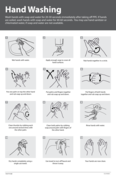
Handwashing for health care workers
recommended
Poster

The ICF Practical Manual provides information on how to use ICF. Anyone interested in learning more about use of the International Classification of Functioning, Disability and Health (ICF, WHO 2001
...
Suicide is largely preventable. Unlike for many other health issues, the tools to significantly reduce the most tragic loss of life by suicide are available. With collective action to acknowledge and address this serious problem, as well as commitme
...

The Health Equity Assessment Toolkit (HEAT) is a software application for use on desktop or laptop computers and mobile devices (minimum screen size of 7.9 inches recommended). It was developed to facilitate the assessment of within-country
...
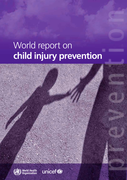
Every year, around 830 000 children die from unintentional or "accidental" injuries. The vast majority of these injuries occur in low-income and middle-income countries. However, dozens of prevention strategies and programmes exist. If they were integrated into other child survival programmes and im
...