
Filter
4246
Text search:
disease
therapy
Featured
468
1060
Language
3941
113
103
95
38
34
33
25
11
6
5
5
5
4
4
4
3
2
2
2
2
2
2
2
1
1
1
1
1
1
1
1
1
1
1
1
1
1
1
1
Document type
2304
737
648
232
106
96
69
16
10
10
8
5
1
1
1
Countries
279
180
123
116
97
87
85
78
74
69
67
64
59
59
56
52
49
47
44
40
39
36
36
35
35
31
31
26
25
23
23
23
21
21
21
20
19
18
18
15
14
13
13
12
11
11
10
9
9
9
9
8
8
7
7
7
7
7
7
7
7
7
6
6
6
6
5
5
5
5
5
5
4
4
4
4
4
4
4
4
4
3
3
3
3
3
3
3
3
3
3
2
2
2
2
2
2
2
2
2
2
2
1
1
1
1
1
1
1
1
1
1
1
1
1
1
1
1
1
1
1
1
1
1
1
1
1
1
1
1
1
1
Authors & Publishers
565
228
165
102
81
71
65
63
62
51
41
27
26
24
23
22
21
20
20
20
19
19
18
17
17
16
15
15
15
15
15
15
14
14
14
13
13
13
13
13
13
12
12
11
11
11
11
11
11
10
10
10
10
9
9
9
9
9
8
8
8
8
8
8
8
8
8
8
8
8
7
7
7
7
7
7
7
7
6
6
6
6
6
6
6
6
6
6
6
6
6
5
5
5
5
5
5
5
5
5
5
5
5
5
5
5
5
5
5
5
5
5
5
5
5
5
5
5
5
5
5
5
5
5
5
5
5
4
4
4
4
4
4
4
4
4
4
4
4
4
4
4
4
4
4
4
4
4
4
4
4
4
4
4
4
4
4
4
4
4
4
4
4
4
4
4
4
4
4
4
4
4
4
4
4
4
4
4
4
4
4
3
3
3
3
3
3
3
3
3
3
3
3
3
3
3
3
3
3
3
3
3
3
3
3
3
3
3
3
3
3
3
3
3
3
3
3
3
3
3
3
3
3
3
3
3
3
3
3
3
3
3
3
3
3
3
3
3
3
3
3
3
3
3
3
3
3
3
3
3
3
3
3
3
3
3
3
3
3
3
3
3
3
3
3
3
3
3
2
2
2
2
2
2
2
2
2
2
2
2
2
2
2
2
2
2
2
2
2
2
2
2
2
2
2
2
2
2
2
2
2
2
2
2
2
2
2
2
2
2
2
2
2
2
2
2
2
2
2
2
2
2
2
2
2
2
2
2
2
2
2
2
2
2
2
2
2
2
2
2
2
2
2
2
2
2
2
2
2
2
2
2
2
2
2
2
2
2
2
2
2
2
2
2
2
2
2
2
2
2
2
2
2
2
2
2
2
2
2
2
2
2
2
2
2
2
2
2
2
2
2
2
2
2
2
2
2
2
2
2
2
2
2
2
2
2
2
2
2
2
2
2
2
2
2
2
2
2
2
2
2
2
2
2
2
2
2
2
2
2
2
2
2
2
2
2
2
2
2
2
2
2
2
2
2
2
2
2
2
2
2
2
2
2
2
2
2
2
2
2
2
2
2
2
2
2
2
2
2
2
2
2
2
2
2
2
2
2
2
2
2
2
2
2
2
2
2
2
2
2
2
2
2
2
2
2
2
2
2
2
2
2
2
2
2
2
2
2
2
2
2
2
2
2
2
2
2
2
2
2
2
2
2
2
2
1
1
1
1
1
1
1
1
1
1
1
1
1
1
1
1
1
1
1
1
1
1
1
1
1
1
1
1
1
1
1
1
1
1
1
1
1
1
1
1
1
1
1
1
1
1
1
1
1
1
1
1
1
1
1
1
1
1
1
1
1
1
1
1
1
1
1
1
1
1
1
1
1
1
1
1
1
1
1
1
1
1
1
1
1
1
1
1
1
1
1
1
1
1
1
1
1
1
1
1
1
1
1
1
1
1
1
1
1
1
1
1
1
1
1
1
1
1
1
1
1
1
1
1
1
1
1
1
1
1
1
1
1
1
1
1
1
1
1
1
1
1
1
1
1
1
1
1
1
1
1
1
1
1
1
1
1
1
1
1
1
1
1
1
1
1
1
1
1
1
1
1
1
1
1
1
1
1
1
1
1
1
1
1
1
1
1
1
1
1
1
1
1
1
1
1
1
1
1
1
1
1
1
1
1
1
1
1
1
1
1
1
1
1
1
1
1
1
1
1
1
1
1
1
1
1
1
1
1
1
1
1
1
1
1
1
1
1
1
1
1
1
1
1
1
1
1
1
1
1
1
1
1
1
1
1
1
1
1
1
1
1
1
1
1
1
1
1
1
1
1
1
1
1
1
1
1
1
1
1
1
1
1
1
1
1
1
1
1
1
1
1
1
1
1
1
1
1
1
1
1
1
1
1
1
1
1
1
1
1
1
1
1
1
1
1
1
1
1
1
1
1
1
1
1
1
1
1
1
1
1
1
1
1
1
1
1
1
1
1
1
1
1
1
1
1
1
1
1
1
1
1
1
1
1
1
1
1
1
1
1
1
1
1
1
1
1
1
1
1
1
1
1
1
1
1
1
1
1
1
1
1
1
1
1
1
1
1
1
1
1
1
1
1
1
1
1
1
1
1
1
1
1
1
1
1
1
1
1
1
1
1
1
1
1
1
1
1
1
1
1
1
1
1
1
1
1
1
1
1
1
1
1
1
1
1
1
1
1
1
1
1
1
1
1
1
1
1
1
1
1
1
1
1
1
1
1
1
1
1
1
1
1
1
1
1
1
1
1
1
1
1
1
1
1
1
1
1
1
1
1
1
1
1
1
1
1
1
1
1
1
1
1
1
1
1
1
1
1
1
1
1
1
1
1
1
1
1
1
1
1
1
1
1
1
1
1
1
1
1
1
1
1
1
1
1
1
1
1
1
1
1
1
1
1
1
1
1
1
1
1
1
1
1
1
1
1
1
1
1
1
1
1
1
1
1
1
1
1
1
1
1
1
1
1
1
1
1
1
1
1
1
1
1
1
1
1
1
1
1
1
1
1
1
1
1
1
1
1
1
1
1
1
1
1
1
1
1
1
1
1
1
1
1
1
1
1
1
1
1
1
1
1
1
1
1
1
1
1
1
1
1
1
1
1
1
1
1
1
1
1
1
1
1
1
1
1
1
1
1
1
1
1
1
1
1
1
1
1
1
1
1
1
1
1
1
1
1
1
1
1
1
1
1
1
1
1
1
1
1
1
1
1
1
1
1
1
1
1
1
1
1
1
1
1
1
1
1
1
1
1
1
1
1
1
1
1
1
1
1
1
1
1
1
1
1
1
1
1
1
1
1
1
1
1
1
1
1
1
1
1
1
1
1
1
1
1
1
1
1
1
1
1
1
1
1
1
1
1
1
1
1
1
1
1
1
1
1
1
1
1
1
1
1
1
1
1
1
1
1
1
1
1
1
1
1
1
1
1
1
1
1
1
1
1
1
1
1
1
1
1
1
1
1
1
1
1
1
1
1
1
1
1
1
1
1
1
1
1
1
1
1
1
1
1
1
1
1
1
1
1
1
1
1
1
1
1
1
1
1
1
1
1
1
1
1
1
1
1
1
1
1
1
1
1
1
1
1
1
1
1
1
1
1
1
1
1
1
1
1
1
1
1
1
1
1
1
1
1
1
1
1
1
1
1
1
1
1
1
1
1
1
1
1
1
1
1
1
1
1
1
1
1
1
1
1
1
1
1
1
1
1
1
1
1
1
1
1
1
1
1
1
1
1
1
1
1
1
1
1
1
1
1
1
1
1
1
1
1
1
1
1
1
1
1
1
1
1
1
1
1
1
1
1
1
1
1
1
1
1
1
1
1
1
1
1
1
1
1
1
1
1
1
1
1
1
1
1
1
1
1
1
1
1
1
1
1
1
1
1
1
1
1
1
1
1
1
1
1
1
1
1
1
1
1
1
1
1
1
1
1
1
1
1
1
1
1
1
1
1
1
1
1
1
1
1
1
1
1
1
1
1
1
1
1
1
1
1
1
1
1
1
1
1
1
1
1
1
1
1
1
1
1
1
1
1
1
1
1
1
1
1
1
1
1
1
1
1
1
1
1
1
1
1
1
1
1
1
1
1
1
1
1
1
1
1
1
1
1
1
1
1
1
1
1
1
1
1
1
1
1
1
1
1
1
1
1
1
1
1
1
1
1
1
1
1
1
1
1
1
1
1
1
1
1
1
1
1
1
1
1
1
1
1
1
1
1
1
1
1
1
1
1
1
1
1
1
1
1
1
1
1
1
1
1
1
1
1
1
1
1
1
1
1
1
1
1
1
1
1
1
1
1
1
1
1
1
1
1
1
1
1
1
1
1
1
1
1
1
1
1
1
1
1
1
1
1
1
1
1
1
1
1
1
1
1
1
1
1
1
1
1
1
1
1
1
1
1
1
1
1
1
1
1
1
1
1
1
1
1
1
1
1
1
1
1
1
1
1
1
1
1
1
1
1
1
1
1
1
1
1
1
1
1
1
1
1
1
1
1
1
1
1
1
1
1
1
1
1
1
1
1
1
1
1
1
1
1
1
1
1
1
1
1
1
1
1
1
1
1
1
1
1
1
1
1
1
1
1
1
1
1
1
1
1
1
1
1
1
1
1
1
1
1
1
1
1
1
1
1
1
1
1
1
1
1
1
1
1
1
1
1
1
1
1
1
1
1
1
1
1
1
1
1
1
1
1
1
1
1
1
1
1
1
1
1
1
1
1
1
1
1
1
1
1
1
1
1
1
1
1
1
1
1
1
1
1
1
1
1
1
1
1
1
1
1
1
1
1
1
1
1
1
1
1
1
1
1
1
1
1
1
1
1
1
1
1
1
1
1
1
1
1
1
1
1
1
1
1
1
1
1
1
1
1
1
1
1
1
1
1
1
1
1
1
1
1
1
1
1
1
1
1
1
1
1
1
1
1
1
1
1
1
1
1
1
1
1
1
1
1
1
1
1
1
1
1
1
1
1
1
1
1
1
1
1
1
1
1
1
1
1
1
1
1
1
1
1
1
1
1
1
1
1
1
1
1
1
1
1
1
1
1
1
1
1
1
1
1
1
1
1
1
1
1
1
1
1
1
1
1
1
1
1
1
1
1
1
1
1
1
1
1
1
1
1
1
1
1
1
1
1
1
1
1
1
1
1
1
1
1
1
1
1
1
1
1
1
1
1
1
1
1
1
1
1
1
1
1
1
1
1
1
1
1
1
1
1
1
1
1
1
1
1
1
1
1
1
1
1
1
1
1
1
1
1
1
1
1
1
1
1
1
1
1
1
1
1
1
1
1
1
1
1
1
1
1
1
1
1
1
1
1
1
1
1
1
1
1
1
1
1
1
1
1
1
1
1
1
1
1
1
1
1
1
1
1
1
1
1
1
1
1
1
1
1
1
1
1
1
1
1
1
1
1
1
1
1
1
1
1
1
1
1
1
1
1
1
1
1
1
1
1
1
1
1
1
1
1
1
1
1
1
1
1
1
1
1
1
1
1
1
1
1
1
1
1
1
1
1
1
1
1
1
1
1
1
1
1
1
1
1
1
1
1
1
1
1
1
1
1
1
1
1
1
1
1
1
1
1
1
1
1
1
1
1
1
1
1
1
1
1
1
1
1
1
1
1
1
1
1
1
1
1
1
1
1
1
1
1
1
1
1
1
1
1
1
1
1
1
1
1
1
1
1
1
1
1
1
1
1
1
1
1
1
1
1
1
1
1
1
1
1
1
1
1
1
1
1
1
1
1
1
1
1
1
1
1
1
1
1
1
1
1
1
1
1
1
1
1
1
1
1
1
1
1
1
1
1
1
1
1
1
1
1
1
1
1
1
1
1
1
1
1
1
1
1
1
1
1
1
1
1
1
1
1
1
1
1
1
1
1
1
1
1
1
1
1
1
1
1
1
1
1
1
1
1
1
1
1
1
1
1
1
1
1
1
1
1
1
1
1
1
1
1
1
1
1
1
1
1
1
1
1
1
1
1
1
1
1
1
1
1
1
1
1
1
1
1
1
1
1
1
1
1
1
1
1
1
1
1
1
1
1
1
1
1
1
1
1
1
1
1
1
1
1
1
1
1
1
1
1
1
1
1
1
1
1
1
1
1
1
1
1
1
1
1
1
1
1
1
1
1
1
1
1
1
1
1
1
1
1
1
1
1
1
1
1
1
1
1
1
1
1
1
1
1
1
1
1
1
1
1
1
1
1
1
1
1
1
1
1
1
1
1
1
1
1
1
1
1
1
1
1
1
1
1
1
1
1
1
1
1
1
1
1
1
1
1
1
1
1
1
1
1
1
1
1
1
1
1
1
1
1
1
1
1
1
1
1
1
1
1
1
1
1
1
1
1
1
1
1
1
1
1
1
1
1
1
1
1
1
1
1
1
1
1
1
1
1
1
1
1
1
1
1
1
1
1
1
1
1
1
1
1
1
1
1
1
1
1
1
1
1
1
1
1
1
1
1
1
1
1
1
1
1
1
1
1
1
1
1
1
1
1
1
1
1
1
1
1
1
1
1
1
1
1
1
1
1
1
1
1
1
1
1
1
1
1
1
1
1
1
1
1
1
1
1
1
1
1
1
1
1
1
1
1
1
1
1
1
1
1
1
1
1
1
1
1
1
1
1
1
1
1
1
1
1
1
1
1
1
1
1
1
1
1
1
1
1
1
1
1
1
1
1
1
1
1
1
1
1
1
1
1
1
1
1
1
1
1
1
1
1
1
1
1
1
1
1
1
1
1
1
1
1
1
1
1
1
1
1
1
1
1
1
1
1
1
1
1
1
1
1
1
1
1
1
1
1
1
1
1
1
1
1
1
1
1
1
1
1
1
1
1
1
1
1
1
1
1
1
1
1
1
1
1
1
1
1
1
1
1
1
1
1
1
1
1
1
1
1
1
1
1
1
1
1
1
1
1
1
1
1
1
1
1
1
1
1
1
1
1
1
1
1
1
1
1
1
1
1
1
1
1
1
1
1
1
1
1
1
1
1
1
1
1
1
1
1
1
1
1
1
1
1
1
1
1
1
1
1
1
1
1
1
1
1
1
1
1
1
1
1
1
1
1
1
1
1
1
1
1
1
1
1
1
1
1
1
1
1
1
1
1
1
1
1
1
1
1
1
1
1
1
1
1
1
1
1
1
1
1
1
1
1
1
1
1
1
1
1
1
1
1
1
1
1
1
1
1
1
1
1
1
1
1
1
1
1
1
1
1
1
1
1
1
1
1
1
1
1
1
1
1
1
1
1
1
1
1
1
1
1
1
1
1
1
1
1
1
1
1
1
1
1
1
1
1
1
1
1
1
1
1
1
1
1
1
1
1
1
1
1
1
1
1
1
1
1
1
1
1
1
1
1
1
1
1
1
1
1
1
1
1
1
1
1
1
1
1
1
1
1
1
1
1
1
1
1
1
1
1
1
1
1
1
1
1
1
1
1
1
1
1
1
1
1
1
1
1
1
1
1
1
1
1
1
1
1
1
1
1
1
1
1
1
1
1
1
1
1
1
1
1
1
1
1
1
1
1
1
1
1
1
1
1
1
1
1
1
1
1
1
1
1
1
1
1
1
1
1
1
1
1
1
1
1
1
1
1
1
1
1
1
1
1
1
1
1
1
1
1
1
1
1
1
1
1
1
1
1
1
1
1
1
1
1
1
1
1
1
1
1
1
1
1
1
1
1
1
1
1
1
1
1
1
1
1
1
1
1
1
1
1
1
1
1
1
1
1
1
1
1
1
1
1
1
1
1
1
1
1
1
1
1
1
1
1
1
1
1
1
1
1
1
1
1
1
1
1
1
1
1
1
1
1
1
1
1
1
1
1
1
1
1
1
1
1
1
1
1
1
1
1
1
1
1
1
1
1
1
1
1
1
1
1
1
1
1
1
1
1
1
1
1
1
1
1
1
1
1
1
1
1
1
1
1
1
1
1
1
1
1
1
1
1
1
1
1
1
1
1
1
1
1
1
1
1
1
1
1
1
1
1
1
1
1
1
1
1
1
1
1
1
1
1
1
1
1
1
1
1
1
1
1
1
1
1
1
1
1
1
1
1
1
1
1
1
1
1
1
1
1
1
1
1
1
1
1
1
1
1
1
1
1
1
1
1
1
1
1
1
1
1
1
1
1
1
1
1
1
1
1
1
1
1
1
1
1
1
1
1
1
1
1
1
1
1
1
1
1
1
1
1
1
1
1
1
1
1
1
1
1
1
1
1
1
1
1
1
1
1
1
1
1
1
1
1
1
1
1
1
1
1
1
1
1
1
1
1
1
1
1
1
1
1
1
1
1
1
1
1
1
1
1
1
1
1
1
1
1
1
1
1
1
1
1
1
1
1
1
1
1
1
1
1
1
1
1
1
1
1
1
1
1
1
1
1
1
1
1
1
1
1
1
1
1
1
1
1
1
1
1
1
1
1
1
1
1
1
1
1
1
1
1
1
1
1
1
1
1
1
1
1
1
1
1
1
1
1
1
1
1
1
1
1
1
1
1
1
1
1
1
1
1
1
1
1
1
1
1
1
1
1
1
1
1
1
1
1
1
1
1
1
1
1
1
1
1
1
1
1
1
1
1
1
1
1
1
1
1
1
1
1
1
Publication Years
1155
2625
444
20
2
Category
1648
490
268
190
90
71
44
2
Toolboxes
452
412
253
241
194
167
166
123
107
97
82
61
48
46
42
38
29
29
28
21
19
18
17
16
11

Prevention of mother-to-child HIV transmission (PMTCT) has been a success in many respects
but there is still much to do to eliminate mother-to child transmission (MTCT), particularly in low
antiretroviral therapy (ART) coverage areas and in the p
...
ostnatal phase. The success of PMTCT is
highly dependent on the availability and accessibility of patient-centred care, which enables women
and their families to take informed decisions about their health and the health of their infant. For
this reason, it is recommended to have a patient-centred approach when implementing PMTCT.
PMTCT success is also linked to the partners’ involvement, as well as to community acceptance
of HIV.
more

The paper “Artificial Intelligence for Public Health Surveillance in Africa: Applications and Opportunities” examines how artificial intelligence (AI) can improve public health systems across Africa, particularly in low-resource settings. It explores how machine learning and other AI techniques
...
are being used for disease detection, outbreak prediction, real-time surveillance, and health resource management.
The authors focus on major public health challenges such as HIV, cholera, Ebola, measles, tuberculosis, malaria, COVID-19, and mental health. Through numerous case studies, the paper shows that AI can enhance the accuracy and speed of disease detection, predict outbreaks more effectively than traditional methods, support vaccination strategies, and optimize healthcare resource allocation. At the same time, it discusses important barriers to implementation, including limited data quality, infrastructure constraints, ethical concerns, and shortages of technical expertise.
Overall, the paper highlights AI’s strong potential to strengthen disease surveillance and health outcomes in Africa while emphasizing the need for careful integration, improved data systems, and supportive policy frameworks.
more
WHO published guidance for clinicians and health care decision-makers on the use of corticosteroids in patients with COVID-19.
We recommend systemic corticosteroids for the treatment of patients with severe and critical COVID-19. We suggest not to use corticosteroids in the treatment of patients
...
with non-severe COVID-19 as the treatment brought no benefits, and could even prove harmful. Treatment should be under supervision of a clinician.
Corticosteroids are listed in the WHO model list of essential medicines, readily available globally at a low cost. WHO encourages countries to maintain sufficient stocks of corticosteroids to treat COVID-19 and the other disease for which they are effective, while not maintaining excessive stocks which could deny other countries access.
more
Manual for the care and management of patients in Ebola Care Units/ Community Care Centres - Interim emergency guidance, January 2015
recommended
World Health Organization
(2015)
This manual provides guidance on best practices to be followed in Ebola Care Units (ECUs)/Community Care Centres (CCCs). It is intended for health aid workers (including junior nurses and community health-care workers) and others providing care for patients in ECUs/CCCs. While the focus is on the ca
...
re and management of patients with Ebola Virus Disease (EVD), the care of patients with other causes of fever is also described.
more
Global Technical Strategy for Malaria 2016–2030, 2021 Update
Pedro Alonso, Kevin Baird, David Brandling-Bennett et al.
World Health Organization (WHO)
(2022)
C_WHO
This updated version, endorsed by the World Health Assembly in May 2021 through resolution WHA74.9, reflects lessons learned in the global malaria response over the last 5 years. While the milestones and targets remain the same, the approaches to tackling the
...
disease, in some areas, have evolved to keep pace with the changing malaria landscape.
more
This version of Field Trials of Health Interventions includes seven new chapters on conducting systematic literature reviews, trial
governance, preliminary studies and pilot testing, budgeting and accounting, intervention costing and economic analysis, and Phase IV studies. Before new interventions
...
are released into disease control programmes, it is essential that they are carefully evaluated in ‘field trials’. These may be complex and expensive undertakings, requiring the follow-up of hundreds, or thousands, of individuals, often for long periods. This manual was designed to provide guidance on the practical issues in great detail
more
Technical Update
Areas of Africa endemic for Buruli ulcer (BU), caused by Mycobacterium ulcerans, also have a high prevalence of human immunodeficiency virus (HIV), with adult prevalence rates between 1% and 5% (Maps). However, there is limited information on the prevalence of BU–HIV coinfection.
...
Preliminary
evidence suggests that HIV infection may increase the risk of BU disease (1–3). In the Médecins Sans Frontières project in Akonolinga, Cameroon, HIV prevalence was approximately 3–6 times higher among BU patients than the regional estimated HIV prevalence (2). Similarly in Benin and Ghana, BU
patients were 8 times and 3 times respectively more likely to have HIV infection than those without BU (1, 3). Further study is needed to clarify this association and enhance knowledge about the prevalence ofBU–HIV coinfection in endemic areas.
more
Guidelines on hepatitis B and C testing
recommended
Testing and diagnosis of hepatitis B (HBV) and C (HCV) infection is the gateway for access to both prevention and treatment services, and is a crucial component of an effective response to the hepatitis epidemic. Early identification of persons with chronic HBV or HCV infection enables them to recei
...
ve the necessary care and treatment to prevent or delay progression of liver disease. Testing also provides an opportunity to link people to interventions to reduce transmission, through counselling on risk behaviours and provision of prevention commodities (such as sterile needles and syringes) and hepatitis B vaccination.
more

Notable progress has also been made on other key health indicators such as reducing maternal, infant and child deaths and malnutrition, increasing immunization coverage, eliminating infectious diseases such as polio and reducing the incidence of malaria, tuberculosis and diarrhoeal diseases.
But
...
despite such substantial progress, the country now faces new and emerging new challenges such as the rising burden of noncommunicable diseases, increased risks associated with disasters, environmental threats and health emergencies during disease outbreaks including the COVID-19 pandemic that is a serious public health threat to Bangladesh. To establish a resilience system for future potential pandemics, the national capacity for emergency preparedness and early response to health emergencies needs to be bolstered considerably.
more
The objective of this guidance document is to support the public health professionals
in implementing effective surveillance of cholera in at-risk, endemic and epidemic
areas. This document has been developed by the Surveillance Working Group of the
Global Task Force for Cholera Control (GTFCC) a
...
t the World Health Organization based
on the existing documents, guidelines, tools and articles related to surveillance of
cholera disease, as well as technical discussions with experts held during GTFCC
meetings.
more
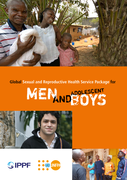
Global Sexual and Reproductive Health Service Package for Men and Adolescent Boys
IPPF, UNFPA
(2017)
The Global Sexual and Reproductive Health Service Package for Men and Adolescent Boys has been developed to support providers of sexual and reproductive health (SRH) services to increase the range and quality of services to meet the specific and diverse needs of men and adolescent boys. This package
...
focuses specifically on the provision of such services integrated
within clinical and non-clinical contexts and follows a gender-transformative approach. It covers men and adolescent boys in all their diversity and takes a positive approach to SRH, seeing this not just as the absence of disease, but the positive expression of one’s gender, sex and sexuality. In doing so, this service package contributes to efforts to ensure universal access to sexual and reproductive health and rights (SRHR) as prioritized in the Sustainable Development Goals. This package is in no way intended to detract from the sexual and reproductive health and rights of women and adolescent girls, nor to divert resources, funding or attention from much-needed SRH services and programmes for women and adolescent girls.
more

The mandate of the National Tuberculosis Control Programme is to provide leadership and stewardship to accelerate intense and coordinated efforts to reduce the adult TB burden of 290 per 100,000 population recently established in the 2013 National TB Prevalence Survey. Other key challenges are low T
...
B case notification, unacceptably high TB death rates, low antiretroviral therapy (ART) coverage among TB/HIV patients and low drug-resistant notification and treatment.
more
The Socio-Economic Impact of People Living with HIV at the Household Level in Myanmar
Cercone, James; Pinder, Étoile; Pothuis, Michal et al.
The Republic of the Union of Myanmar, Ministry of Health and Sports; UNDP
(2016)
C1
The study collected data on the impact of HIV-related diseases on income, revenues, economic dependency, consumption, education, health, food security, stigma, discrimination, quality of life, and migration. The study also assessed people living with chronic diseases in order to compare the impact o
...
f living with HIV/AIDS with the impact of living with a chronic disease.
Stigma, discrimination, and socio-economic exclusion continue to affect the rights and socio-economic opportunities of people living with HIV in Myanmar. Households with a family member who has HIV, have lower incomes, fewer assets and lower home-ownership, compared to households that are not affected by HIV. They also have more household debt, and their families pay a higher rate of interest compared to families not affected by HIV. more
Stigma, discrimination, and socio-economic exclusion continue to affect the rights and socio-economic opportunities of people living with HIV in Myanmar. Households with a family member who has HIV, have lower incomes, fewer assets and lower home-ownership, compared to households that are not affected by HIV. They also have more household debt, and their families pay a higher rate of interest compared to families not affected by HIV. more
This Review summarizes many of the persistent biological alterations associated with childhood maltreatment including changes in neuroendocrine and neurotransmitter systems and pro-inflammatory cytokines in addition to specific alterations in brain areas associated with mood regulation. Finally, I d
...
iscuss several candidate gene polymorphisms that interact with childhood maltreatment to modulate vulnerability to major depression and PTSD and epigenetic mechanisms thought to transduce environmental stressors into disease vulnerability.
Neuron Review, vol. 89, March 2, 2016 pp.892-909
more
Q3: Can febrile seizures (simple or complex) be managed at first or second level care by non-specialist health care providers in low and middle income country settings? What is the role of diagnostic tests in the management of febrile seizures by non-specialists in low and middle income settings? Fo
...
r prophylaxis to prevent recurrence of simple or complex febrile seizures, which of the pharmacological interventions when compared with placebo/comparator produce benefit/harm in specified outcomes?
- continuous anticonvulsant therapy - intermittent anticonvulsant therapy - intermittent antipyretic treatment
more

Self-care interventions are among the most promising and exciting new approaches to improve health and well-being, both from a health systems perspective and for people who use these interventions. The World Health Organization (WHO) uses the following working definition of self-care: Self-care is t
...
he ability of individuals, families and communities to promote health, prevent disease, maintain health, and cope with illness and disability with or without the support of a health- care provider
more
The WHO Model List of Essential Medicines and Model List of Essential Medicines for Children are updated and published every two years, intended as a guide for countries or regional authorities to adopt or adapt in accordance with local priorities and treatment guidelines for the development and upd
...
ating of national essential medicines lists. Selection of a limited number of essential medicines as essential, taking into consideration national disease burden and clinical need can lead to improved access through streamlined procurement and distribution of quality-assured medicines, support more rational or appropriate prescribing and use and lower costs for both health care systems and for patients.
more
Constituting the second part of the World Drug Report 2022, the present booklet contains an overview of the global demand for and supply of drugs.
The first chapter of the booklet begins with the latest estimates of the number of people who use drugs, the distribution of those users by type of drug
...
s, age and sex, and recent trends in the use of drugs. The chapter also reviews the impact of the coronavirus disease (COVID-19) pandemic on drug use patterns and service provision. Other issues examined in the chapter are the health consequences of drug use, including the number of people in treatment for drug use disorders and the extent of drug injecting and of HIV and hepatitis C among people who inject drugs. The chapter concludes with a review of the extent to which strategies, policies and interventions are in place to respond to the drug use problem.
more
Textes du Codex concernant la résistance aux antimicrobiens d’origine alimentaire
Textos del Codex sobre la resistencia a los antimicrobianos transmitida por los alimentos
Antimicrobial resistance (AMR) is a major global public health concern and a food safety issue. When pathogens become r
...
esistant to antimicrobial agents they can pose a greater human health risk as a result of potential treatment failure, loss of treatment options and increased likelihood and severity of disease
more
The product of all this work is the Standard Treatment Guideline and Essential Medicines List of Common Medical Conditions in the Kingdom of Swaziland. These systematically developed statements are designed to assist practitioners in making decisions about appropriate treatment for specific clinical
...
conditions. They are meant to reflect expert consensus based on a review of current and published scientific evidence of acceptable approaches to diagnosis, man-agement, or prevention of specific conditions.It is enlightening to note that section A of the document contains the STG, and effort has been made to have the conditions commonly encountered in Swaziland classified according to systems. Written in simple, clear language, each section consists of a short definition followed by common symptoms and signs of the disease or condition and then management (pharmacological and nonpharmacological)
more
