Filter
1753
Text search:
Institute
for
Security
Studies
Featured
126
485
Language
1709
32
30
26
18
10
6
4
2
2
2
1
1
1
1
1
1
1
1
1
1
1
1
1
1
1
1
Document type
943
429
162
90
72
23
17
13
3
1
Countries / Regions
82
71
63
48
45
42
41
36
36
35
34
32
32
31
31
30
25
21
21
19
19
17
16
15
15
14
14
13
13
13
13
13
12
12
12
11
11
11
11
10
10
10
9
8
8
7
7
7
7
7
6
6
6
6
6
6
6
6
6
5
5
5
5
5
5
4
4
4
4
4
4
3
3
3
3
3
3
3
3
2
2
2
2
2
2
2
2
2
2
2
2
2
2
2
2
2
1
1
1
1
1
1
1
1
1
1
1
1
1
1
1
1
1
1
1
1
1
1
1
1
1
1
1
1
1
1
Authors & Publishers
185
73
62
43
38
30
21
20
17
14
13
13
11
11
11
11
10
9
9
9
8
8
8
7
7
7
7
7
7
7
7
6
6
6
6
6
5
5
5
5
5
5
5
5
5
5
4
4
4
4
4
4
4
4
4
4
4
4
4
4
4
4
4
4
4
4
3
3
3
3
3
3
3
3
3
3
3
3
3
3
3
3
3
3
3
3
3
3
3
3
3
3
3
3
3
3
3
3
3
3
3
3
3
2
2
2
2
2
2
2
2
2
2
2
2
2
2
2
2
2
2
2
2
2
2
2
2
2
2
2
2
2
2
2
2
2
2
2
2
2
2
2
2
2
2
2
2
2
2
2
2
2
2
2
2
2
2
2
2
2
2
2
2
2
2
2
2
2
2
2
2
2
2
2
2
2
2
2
2
2
2
2
2
2
2
2
2
2
2
2
2
2
2
2
2
2
2
2
2
2
2
2
2
2
2
2
2
2
2
2
1
1
1
1
1
1
1
1
1
1
1
1
1
1
1
1
1
1
1
1
1
1
1
1
1
1
1
1
1
1
1
1
1
1
1
1
1
1
1
1
1
1
1
1
1
1
1
1
1
1
1
1
1
1
1
1
1
1
1
1
1
1
1
1
1
1
1
1
1
1
1
1
1
1
1
1
1
1
1
1
1
1
1
1
1
1
1
1
1
1
1
1
1
1
1
1
1
1
1
1
1
1
1
1
1
1
1
1
1
1
1
1
1
1
1
1
1
1
1
1
1
1
1
1
1
1
1
1
1
1
1
1
1
1
1
1
1
1
1
1
1
1
1
1
1
1
1
1
1
1
1
1
1
1
1
1
1
1
1
1
1
1
1
1
1
1
1
1
1
1
1
1
1
1
1
1
1
1
1
1
1
1
1
1
1
1
1
1
1
1
1
1
1
1
1
1
1
1
1
1
1
1
1
1
1
1
1
1
1
1
1
1
1
1
1
1
1
1
1
1
1
1
1
1
1
1
1
1
1
1
1
1
1
1
1
1
1
1
1
1
1
1
1
1
1
1
1
1
1
1
1
1
1
1
1
1
1
1
1
1
1
1
1
1
1
1
1
1
1
1
1
1
1
1
1
1
1
1
1
1
1
1
1
1
1
1
1
1
1
1
1
1
1
1
1
1
1
1
1
1
1
1
1
1
1
1
1
1
1
1
1
1
1
1
1
1
1
1
1
1
1
1
1
1
1
1
1
1
1
1
1
1
1
1
1
1
1
1
1
1
1
1
1
1
1
1
1
1
1
1
1
1
1
1
1
1
1
1
1
1
1
1
1
1
1
1
1
1
1
1
1
1
1
1
1
1
1
1
1
1
1
1
1
1
1
1
1
1
1
1
1
1
1
1
1
1
1
1
1
1
1
1
1
1
1
1
1
1
1
1
1
1
1
1
1
1
1
1
1
1
1
1
1
1
1
1
1
1
1
1
1
1
1
1
1
1
1
1
1
1
1
1
1
1
1
1
1
1
1
1
1
1
1
1
1
1
1
1
1
1
1
1
1
1
1
1
1
1
1
1
1
1
1
1
1
1
1
1
1
1
1
1
1
1
1
1
1
1
1
1
1
1
1
1
1
1
1
1
1
1
1
1
1
1
1
1
1
1
1
1
1
1
1
1
1
1
1
1
1
1
1
1
1
1
1
1
1
1
1
1
1
1
1
1
1
1
1
1
1
1
1
1
1
1
1
1
1
1
1
1
1
1
1
1
1
1
1
1
1
1
1
1
1
1
1
1
1
1
1
1
1
1
1
1
1
1
1
1
1
1
1
1
1
1
1
1
1
1
1
1
1
1
1
1
1
1
1
1
1
1
1
1
1
1
1
1
1
1
1
1
1
1
1
1
1
1
1
1
1
1
1
1
1
1
1
1
1
1
1
1
1
1
1
1
1
1
1
1
1
1
1
1
1
1
1
1
1
1
1
1
1
1
1
1
1
1
1
1
1
1
1
1
1
1
1
1
1
1
1
1
1
1
1
1
1
1
1
1
1
1
1
1
1
1
1
1
1
1
1
1
1
1
1
1
1
1
1
1
1
1
1
1
1
1
1
1
1
1
1
1
1
1
1
1
1
1
1
1
1
1
1
1
1
1
1
1
1
1
1
1
1
1
1
1
1
1
1
1
1
1
1
1
1
1
1
1
1
1
1
1
1
1
1
1
1
1
1
1
1
1
1
1
1
1
1
1
1
1
1
1
1
1
1
1
1
1
1
1
1
1
1
1
1
1
1
1
1
1
1
1
1
1
1
1
1
1
1
1
1
1
1
1
1
1
1
1
1
1
1
1
1
1
1
1
1
1
1
1
1
1
1
1
1
1
1
1
1
1
1
1
1
1
1
1
1
1
1
1
1
1
1
1
1
1
1
1
1
1
1
1
1
1
1
1
1
1
1
1
1
1
1
1
1
1
1
1
1
1
1
1
1
1
1
1
1
1
1
1
1
1
1
1
1
1
1
1
1
1
1
1
1
1
1
1
1
1
1
1
1
1
1
1
1
1
1
1
1
1
1
1
1
1
1
1
1
1
1
1
1
1
1
1
1
1
1
1
1
1
1
1
1
1
1
1
1
1
1
1
1
1
1
1
1
1
1
1
1
1
1
1
1
1
1
1
1
1
1
1
1
1
1
1
1
1
1
1
1
1
1
1
1
1
1
1
1
1
1
1
1
1
1
1
1
1
1
1
1
1
1
1
1
1
1
1
1
1
1
1
1
1
1
1
1
1
1
1
1
1
1
1
1
1
1
1
1
1
1
1
1
1
1
1
1
1
1
1
1
1
1
1
1
1
1
1
1
1
1
1
1
1
1
1
1
1
1
1
1
1
1
1
1
1
1
1
1
1
1
1
1
1
1
1
1
1
1
1
1
1
1
1
1
1
1
1
1
1
1
1
1
1
1
1
1
1
1
1
1
1
1
1
1
1
1
1
1
1
1
1
1
1
1
1
1
1
1
1
1
1
1
1
1
1
1
1
1
1
1
1
1
1
1
1
1
1
1
1
1
1
1
1
1
1
1
1
1
1
1
1
1
1
1
1
1
1
1
1
1
1
1
1
1
1
1
1
1
1
1
1
1
1
1
1
1
1
1
1
1
1
1
1
1
1
1
1
1
1
1
1
1
1
1
1
1
1
1
1
1
1
1
1
1
1
1
1
1
1
1
1
1
1
1
1
1
1
1
1
1
1
1
1
1
1
1
1
1
1
1
1
1
1
1
1
1
1
1
1
1
1
1
1
1
1
1
1
1
1
1
1
1
1
1
1
1
1
1
1
1
1
1
1
1
1
1
1
1
1
1
1
1
1
1
1
1
1
1
1
1
1
1
1
1
1
1
1
1
1
1
1
1
1
1
1
1
1
1
1
1
1
1
1
1
1
1
1
1
1
1
1
1
1
1
1
1
1
1
1
1
1
1
1
1
1
1
1
1
1
1
1
1
1
1
1
1
1
1
1
1
1
1
1
1
1
1
1
1
1
1
1
1
1
1
1
1
1
1
1
1
1
1
1
1
1
1
1
1
1
1
1
1
1
1
1
1
1
1
1
1
1
1
1
1
1
1
1
1
1
1
1
1
1
1
1
1
1
1
1
1
1
1
1
1
1
1
1
1
1
1
1
1
1
1
1
1
1
1
1
1
1
1
1
1
1
1
1
1
1
1
1
1
1
1
1
1
1
1
1
1
1
1
1
1
1
1
1
1
1
1
1
1
1
1
1
1
1
1
1
1
1
1
1
1
1
1
1
1
1
1
1
1
1
1
1
1
1
1
1
1
1
1
1
1
1
1
1
1
1
1
1
1
1
1
1
1
1
1
1
1
1
1
1
1
1
1
1
1
1
1
1
1
1
1
1
1
1
1
1
1
1
1
1
1
1
1
1
1
1
1
1
1
1
1
1
1
1
1
1
1
1
1
1
1
1
1
1
1
1
1
1
1
1
1
1
1
1
1
1
1
1
1
1
1
1
1
1
1
1
1
1
1
1
1
1
1
1
1
1
1
1
1
1
1
1
1
1
1
1
1
1
1
1
1
1
1
1
1
1
1
1
1
1
1
1
1
1
1
1
1
1
1
1
1
1
1
1
1
1
1
1
Publication Years
527
1087
131
6
2
Category
674
139
94
70
53
16
9
Toolboxes
163
158
129
83
70
69
61
54
52
49
47
35
34
34
33
26
24
20
19
19
14
9
8
5
3
2
1
The Philippine Government, International Non-government Organizations (INGOs) and local NGOs are all making attempts to address the impact of disasters and climate change at various levels. The Philippine Government has made significant strides in the implementation of disaster risk reduction (DRR)
...
planning and activities through the development of the National Disaster Risk Reduction and Management Council (NDRRMC) which acts as the lead agency for DRR in the Philippines. The disaster focal points are the NDRRMC and the Office of Civil Defence (OCD). The Department of Social Welfare and Development (DSWD) is responsible for leading immediate disaster relief efforts.
The Armed Forces of the Philippines (AFP) is a primary responder in disasters and have been deployed frequently to several disaster relief operations in the country in recent years. The Philippines has endured disasters that involve national and international assistance. more
The Armed Forces of the Philippines (AFP) is a primary responder in disasters and have been deployed frequently to several disaster relief operations in the country in recent years. The Philippines has endured disasters that involve national and international assistance. more
This report aims to estimate the economic cost of providing regular access to healthcare for migrants in an irregular situation, compared with the cost of providing treatment in emergency cases only. Two specific medical conditions – hypertension
...
and prenatal care – were selected as examples, and their associated costs were calculated using an economic model. This model was then applied to three EU Member States: Germany, Greece and Sweden. The testing suggests that providing access to regular preventive healthcare for migrants in an irregular situation
would be cost-saving for governments.
more
Social Science in Humanitarian Action Key considerations: Ebola preparedness and readiness in Goma, DRC
Peyton, D.; I. Gercama and J. Bedford
Social Science in Humanitarian Action: A Communication for Development Platform
(2019)
C1
This brief summarises key considerations about the social, political and economic context of Goma in relation to the outbreak of Ebola in the DRC as of March 2019. Goma is the administrative capital of North Kivu province and a major urban centre in the Great Lakes Region. The city is home to an est
...
imated 1.5 million people and serves as an important economic and transportation hub that links eastern Congo to the broader East African sub-region. The arrival of Ebola in Goma would substantially increase the at-risk population and heighten the potential for cross-border transmission to neighbouring countries, particularly Rwanda. This brief therefore focuses on local social and political structures that can be leveraged to promote preparedness and readiness actions.
more
One approach to development assistance for health, or health aid, emphasizes the ex ante selection of cost-effective health interventions, an approach that began with the World Development Report (1993) on Investing in Health and has since been adop
...
ted by the Effective Altruism community. But just how much of health aid is cost-effective? In this paper, we examine projects in the Organisation for Economic Co-operation and Development (OECD) Creditor Reporting System, the standard dataset that measures and characterizes development assistance for health, for the
years 2019 to 2021, and count the number of projects that refer to interventions from a list of highly cost-effective interventions as defined by the Disease Control Priorities Project, third edition. This exploratory quantitative analysis indicates that 61% of projects used a key word/phrase of a costeffective intervention. There were 11.9 interventions mapped per project on average. There is little evidence that donors tailor the set of interventions to country income levels by cost-effectiveness.
Policymakers may benefit from reviewing the full portfolio of interventions covered by domestic and external resources.
more
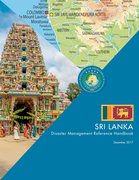
Recently, Sri Lanka has been impacted by multiple natural disasters. Sri Lanka experienced a landslide in October 2014, and flooding in December 2014.8 Sri Lanka withstood the worst drought conditions witnessed in four decades in 2016; the extreme drought conditions extended into 2017 and produced s
...
ubstantial economic and social effects. The drought was responsible for an increase in national poverty levels, due to reduced cultivation income, especially for rural farmers. ... In May 2017, Sri Lanka experienced continuous rains causing flash floods and extreme devastation. However, despite natural disasters and challenges posed by a complex political environment, Sri Lanka’s financial performance remained largely satisfactory in the first half of 2017.
more
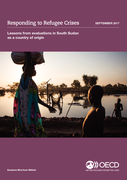
This working paper is a case study on South Sudan as an important refugee country of origin. The case study looks at issues of forced displacement in South Sudan and underscores the linkages between internally displaced persons and South Sudanese refugees. The case study highlights the importance of
...
understanding local contexts and root drivers of conflict and displacement. It reviews evaluations of programmes in South Sudan, including past efforts at state building and refugee resettlement to look at learning within the international community. The study was undertaken as part of a wider research project on learning from evaluations to improve responses to situations of forced displacement .
more
The checklist tool described in this handbook is intended for EU/EEA public health authorities who need to assess the capacity for communicable disease prevention and control at migrant reception/de
...
tention centres hosting migrants for weeks/months (medium-term) in order to identify gaps and set priorities for development.
Using this tool, the aim is to monitor and support capacity development to prevent the onset and improve the management of communicable disease outbreaks at medium-term migration reception/detention centres, both on a day-to-day basis and in the event of a sudden influx of migrants.
more

Ethiopia Antimicrobial Resistance Surveillance Plan

Pakistan Global Antibiotic Resistance Partnership (GARP) was formed in the wake of international and national efforts for AMR curtailment. A group of experts from microbiology, infectious diseases and veterinary medicine
...
formed a core group at the organizational meeting of GARP in Kathmandu, Nepal in July 2016. In the meeting, this core group was expanded to include other members from different sectors with the selection of the Chair and co-chairs. These were asked to serve on a voluntary basis, in their own individual capacities, with no personal gains, or gains to the institutions to which they are affiliated. The first phase of GARP took place from 2009 to 2011 and involved four countries: India, Kenya, South Africa and Vietnam. Phase one culminated in the 1st Global Forum on Bacterial Infections, held in October 2011 in New Delhi, India. In 2012, phase two of GARP was initiated with the addition of working groups in Mozambique, Tanzania, Nepal and Uganda. Phase three has added Bangladesh, Lao PDR, Nigeria, Pakistan and Zimbabwe to the network to date.
more

Mpox can spread in humans through close contact, usually skin-to-skin contact, including sexual contact, with an infected person or animal, as well as with materials contaminated with the virus such as clothing, beddings and towels, and respiratory droplets in prolonged face to face contact. People
...
remain infectious from the onset of symptoms until all the lesions have scabbed and healed. The virus may spread from infected animals through handling infected meat or through bites or scratches. Diagnosis is confirmed by polymerase chain reaction (PCR) testing of material from a lesion for the virus’s DNA.
more
Our goal at Voices for Georgia’s Children is to help decision-makers craft and implement policies that ensure Georgia’s children grow up to be healthy, educated and productive citizens. To that end, we have developed a comprehensive policy agend
...
a focused on early childhood, child health and disconnected youth, which, if followed, can effectively prevent and offset some of the damaging experiences faced by our children. Many of our recommendations are aligned with those included in this policy brief.
more
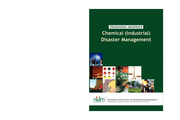
Key Features:
• Module Users: Disaster Management Trainers
• Training Targets: State Government and District
officials / Disaster Management Authorities / Disaster
Management Planners and Responders
• Training Duration: 5 working days (one week)
• Trainers Input: Multi-disciplinary
â€
...
¢ Training methods: Lecture, Discussion, Film Show,
Field Visits, Group Exercise.
more

The objective of the evaluation is to understand whether the CHW program has achieved its intended objectives, thus contributing to the overarching objectives defined in the HSSP III of improving the health status of the population by “Ensuring universal accessibility of quality health services
...
for all Rwandans”.
This evaluation has focused on CHWs, who are selected, trained and deployed by the MoH to deliver a defined set of tasks at community level. CHWs are the central element of the Community Health Policy and of the community health strategy plan (CHSP) of the MoH.
more

Preventing Suicide: A Technical Package of Policy, Programs, and Practices
Stone, D.; K. Holland, B. Bartholow, et al.
Centers for Disease Control and Prevention CDC
(2017)
C_CDC
This technical package represents a select group of strategies based on the best available evidence to help communities and states sharpen their focus on prevention activities with the greatest potential to prevent suicide

This report provides an update on the level of poverty based on 2013/14 Integrated Household Living Conditions Survey (EICV4) focusing on poverty as measured in consumption terms. The report also highlights other trend dimensions of living conditions captured in other surveys that complement and pro
...
vide a holistic understanding of poverty and living conditions.
Rwanda’s economy has been growing steadily at about 8% since 2001 with GDP per capita more than tripling from US$ 211 in 2001 to US$ 718 in 2014. Food crop production growth was more than twice that of population growth between 2007 and 2014.
more
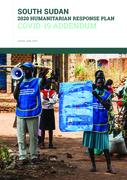
This document summarizes preparedness and response activities to address the coronavirus disease (COVID-19) outbreak in South Sudan through the end of 2020. The addendum includes the activities and financial requirements of the updated National COVID-19 Response Plan. Originally issued in March prio
...
r to identification of the first person confirmed with COVID-19 in South Sudan and with a focus on preparedness, the updated plan encompasses a significantly scaled-up national response.
more