Filter
2838
Text search:
global
health
financing
Featured
192
781
Language
2726
81
58
48
26
25
18
17
4
3
2
2
2
2
1
1
1
1
1
1
1
1
1
1
1
1
1
Document type
1395
762
222
218
123
53
26
20
11
2
1
1
1
Countries
286
99
65
63
63
59
59
57
54
53
50
50
44
44
40
40
37
37
35
33
30
30
24
24
22
22
22
22
20
20
19
19
18
17
17
17
16
15
14
12
12
12
11
10
9
9
8
8
8
8
8
7
7
7
6
6
6
6
6
6
6
5
5
5
5
4
4
4
4
4
4
4
3
3
3
3
3
2
2
2
2
2
2
2
2
2
2
2
2
2
2
2
2
1
1
1
1
1
1
1
1
1
1
1
1
1
1
1
1
1
1
1
1
1
1
1
1
1
1
Authors & Publishers
404
104
103
97
59
58
49
40
27
24
23
19
19
19
18
17
17
17
17
16
15
14
14
13
13
13
12
11
11
10
10
10
10
10
10
10
10
9
9
9
9
9
8
8
8
8
8
8
8
7
7
7
7
7
7
7
7
7
6
6
6
6
6
6
6
6
6
6
6
6
5
5
5
5
5
5
5
5
5
5
5
5
5
5
5
5
4
4
4
4
4
4
4
4
4
4
4
4
4
4
4
4
4
4
4
4
4
4
4
4
3
3
3
3
3
3
3
3
3
3
3
3
3
3
3
3
3
3
3
3
3
3
3
3
3
3
3
3
3
3
3
3
3
3
3
3
3
3
3
3
3
3
3
3
3
3
3
3
3
3
3
3
3
3
3
3
3
3
3
3
3
3
3
3
3
3
3
2
2
2
2
2
2
2
2
2
2
2
2
2
2
2
2
2
2
2
2
2
2
2
2
2
2
2
2
2
2
2
2
2
2
2
2
2
2
2
2
2
2
2
2
2
2
2
2
2
2
2
2
2
2
2
2
2
2
2
2
2
2
2
2
2
2
2
2
2
2
2
2
2
2
2
2
2
2
2
2
2
2
2
2
2
2
2
2
2
2
2
2
2
2
2
2
2
2
2
2
2
2
2
2
2
2
2
2
2
2
2
2
2
2
2
2
2
2
2
2
2
2
2
2
2
2
2
2
2
2
2
2
2
2
2
2
2
2
2
2
2
2
2
2
2
2
2
2
2
2
2
2
2
2
2
2
2
2
2
2
2
1
1
1
1
1
1
1
1
1
1
1
1
1
1
1
1
1
1
1
1
1
1
1
1
1
1
1
1
1
1
1
1
1
1
1
1
1
1
1
1
1
1
1
1
1
1
1
1
1
1
1
1
1
1
1
1
1
1
1
1
1
1
1
1
1
1
1
1
1
1
1
1
1
1
1
1
1
1
1
1
1
1
1
1
1
1
1
1
1
1
1
1
1
1
1
1
1
1
1
1
1
1
1
1
1
1
1
1
1
1
1
1
1
1
1
1
1
1
1
1
1
1
1
1
1
1
1
1
1
1
1
1
1
1
1
1
1
1
1
1
1
1
1
1
1
1
1
1
1
1
1
1
1
1
1
1
1
1
1
1
1
1
1
1
1
1
1
1
1
1
1
1
1
1
1
1
1
1
1
1
1
1
1
1
1
1
1
1
1
1
1
1
1
1
1
1
1
1
1
1
1
1
1
1
1
1
1
1
1
1
1
1
1
1
1
1
1
1
1
1
1
1
1
1
1
1
1
1
1
1
1
1
1
1
1
1
1
1
1
1
1
1
1
1
1
1
1
1
1
1
1
1
1
1
1
1
1
1
1
1
1
1
1
1
1
1
1
1
1
1
1
1
1
1
1
1
1
1
1
1
1
1
1
1
1
1
1
1
1
1
1
1
1
1
1
1
1
1
1
1
1
1
1
1
1
1
1
1
1
1
1
1
1
1
1
1
1
1
1
1
1
1
1
1
1
1
1
1
1
1
1
1
1
1
1
1
1
1
1
1
1
1
1
1
1
1
1
1
1
1
1
1
1
1
1
1
1
1
1
1
1
1
1
1
1
1
1
1
1
1
1
1
1
1
1
1
1
1
1
1
1
1
1
1
1
1
1
1
1
1
1
1
1
1
1
1
1
1
1
1
1
1
1
1
1
1
1
1
1
1
1
1
1
1
1
1
1
1
1
1
1
1
1
1
1
1
1
1
1
1
1
1
1
1
1
1
1
1
1
1
1
1
1
1
1
1
1
1
1
1
1
1
1
1
1
1
1
1
1
1
1
1
1
1
1
1
1
1
1
1
1
1
1
1
1
1
1
1
1
1
1
1
1
1
1
1
1
1
1
1
1
1
1
1
1
1
1
1
1
1
1
1
1
1
1
1
1
1
1
1
1
1
1
1
1
1
1
1
1
1
1
1
1
1
1
1
1
1
1
1
1
1
1
1
1
1
1
1
1
1
1
1
1
1
1
1
1
1
1
1
1
1
1
1
1
1
1
1
1
1
1
1
1
1
1
1
1
1
1
1
1
1
1
1
1
1
1
1
1
1
1
1
1
1
1
1
1
1
1
1
1
1
1
1
1
1
1
1
1
1
1
1
1
1
1
1
1
1
1
1
1
1
1
1
1
1
1
1
1
1
1
1
1
1
1
1
1
1
1
1
1
1
1
1
1
1
1
1
1
1
1
1
1
1
1
1
1
1
1
1
1
1
1
1
1
1
1
1
1
1
1
1
1
1
1
1
1
1
1
1
1
1
1
1
1
1
1
1
1
1
1
1
1
1
1
1
1
1
1
1
1
1
1
1
1
1
1
1
1
1
1
1
1
1
1
1
1
1
1
1
1
1
1
1
1
1
1
1
1
1
1
1
1
1
1
1
1
1
1
1
1
1
1
1
1
1
1
1
1
1
1
1
1
1
1
1
1
1
1
1
1
1
1
1
1
1
1
1
1
1
1
1
1
1
1
1
1
1
1
1
1
1
1
1
1
1
1
1
1
1
1
1
1
1
1
1
1
1
1
1
1
1
1
1
1
1
1
1
1
1
1
1
1
1
1
1
1
1
1
1
1
1
1
1
1
1
1
1
1
1
1
1
1
1
1
1
1
1
1
1
1
1
1
1
1
1
1
1
1
1
1
1
1
1
1
1
1
1
1
1
1
1
1
1
1
1
1
1
1
1
1
1
1
1
1
1
1
1
1
1
1
1
1
1
1
1
1
1
1
1
1
1
1
1
1
1
1
1
1
1
1
1
1
1
1
1
1
1
1
1
1
1
1
1
1
1
1
1
1
1
1
1
1
1
1
1
1
1
1
1
1
1
1
1
1
1
1
1
1
1
1
1
1
1
1
1
1
1
1
1
1
1
1
1
1
1
1
1
1
1
1
1
1
1
1
1
1
1
1
1
1
1
1
1
1
1
1
1
1
1
1
1
1
1
1
1
1
1
1
1
1
1
1
1
1
1
1
1
1
1
1
1
1
1
1
1
1
1
1
1
1
1
1
1
1
1
1
1
1
1
1
1
1
1
1
1
1
1
1
1
1
1
1
1
1
1
1
1
1
1
1
1
1
1
1
1
1
1
1
1
1
1
1
1
1
1
1
1
1
1
1
1
1
1
1
1
1
1
1
1
1
1
1
1
1
1
1
1
1
1
1
1
1
1
1
1
1
1
1
1
1
1
1
1
1
1
1
1
1
1
1
1
1
1
1
1
1
1
1
1
1
1
1
1
1
1
1
1
1
1
1
1
1
1
1
1
1
1
1
1
1
1
1
1
1
1
1
1
1
1
1
1
1
1
1
1
1
1
1
1
1
1
1
1
1
1
1
1
1
1
1
1
1
1
1
1
1
1
1
1
1
1
1
1
1
1
1
1
1
1
1
1
1
1
1
1
1
1
1
1
1
1
1
1
1
1
1
1
1
1
1
1
1
1
1
1
1
1
1
1
1
1
1
1
1
1
1
1
1
1
1
1
1
1
1
1
1
1
1
1
1
1
1
1
1
1
1
1
1
1
1
1
1
1
1
1
1
1
1
1
1
1
1
1
1
1
1
1
1
1
1
1
1
1
1
1
1
1
1
1
1
1
1
1
1
1
1
1
1
1
1
1
1
1
1
1
1
1
1
1
1
1
1
1
1
1
1
1
1
1
1
1
1
1
1
1
1
1
1
1
1
1
1
1
1
1
1
1
1
1
1
1
1
1
1
1
1
1
1
1
1
1
1
1
1
1
1
1
1
1
1
1
1
1
1
1
1
1
1
1
1
1
1
1
1
1
1
1
1
1
1
1
1
1
1
1
1
1
1
1
1
1
1
1
1
1
1
1
1
1
1
1
1
1
1
1
1
1
1
1
1
1
1
1
1
1
1
1
1
1
1
1
1
1
1
1
1
1
1
1
1
1
1
1
1
1
1
1
1
1
1
1
1
1
1
1
1
1
1
1
1
1
1
1
1
1
1
1
1
1
1
1
1
1
1
1
1
1
1
1
1
1
1
1
1
1
1
1
1
1
1
1
1
1
1
1
1
1
1
1
1
1
1
1
1
1
1
1
1
1
1
1
1
1
1
1
1
1
1
1
1
1
1
1
1
1
1
1
1
1
1
1
1
1
1
1
1
1
1
1
1
1
1
1
1
1
1
1
1
1
1
1
1
1
1
1
1
1
1
1
1
1
1
1
1
1
1
1
1
1
1
1
1
1
1
1
1
1
1
1
1
1
1
1
1
1
1
1
1
1
1
1
1
1
1
1
1
1
1
1
1
1
1
1
1
1
1
1
1
1
1
1
1
1
1
1
1
1
1
1
1
1
1
1
1
1
1
1
1
1
1
1
1
1
1
1
1
1
1
1
1
1
1
1
1
1
1
1
1
1
1
1
1
1
1
1
1
1
1
1
1
1
1
1
1
1
1
1
1
1
1
1
1
1
1
1
1
1
1
1
1
1
1
1
1
1
1
1
1
1
1
1
1
1
1
1
1
1
1
1
1
1
1
1
1
1
1
1
1
1
1
1
1
1
1
1
1
1
1
1
1
1
1
1
1
1
1
1
1
1
1
1
1
1
1
1
1
1
1
1
1
1
1
1
1
1
1
1
1
1
1
1
1
1
1
1
1
1
1
1
1
1
1
1
1
1
1
1
1
1
1
1
1
1
1
1
1
1
1
1
1
1
1
1
1
1
1
1
1
1
1
1
1
1
1
1
1
1
1
1
1
1
1
1
1
1
1
1
1
1
1
1
1
1
1
1
1
1
1
1
1
1
1
1
1
1
1
1
1
1
1
1
1
1
1
1
1
1
1
1
1
1
1
1
1
1
1
1
1
1
1
1
1
1
1
1
1
1
1
1
1
1
1
1
1
1
1
1
1
1
1
1
1
1
1
1
1
1
1
1
1
1
1
1
1
1
1
1
1
1
1
1
1
1
1
1
1
1
1
1
1
1
1
1
1
1
1
1
1
1
1
1
1
1
1
1
1
1
1
1
1
1
1
1
1
1
1
1
1
1
1
1
1
1
1
1
1
1
1
1
1
1
1
1
1
1
1
1
1
1
1
1
1
1
1
1
1
1
1
1
1
1
1
1
1
1
1
1
1
1
1
1
1
1
1
1
1
1
1
1
1
1
1
1
1
1
1
1
1
1
1
1
1
1
1
1
1
1
1
1
1
1
1
Publication Years
1059
1629
146
3
1
Category
1076
190
187
126
104
26
12
1
Toolboxes
259
200
169
157
124
113
102
99
71
67
67
53
50
47
44
42
40
39
37
29
19
11
6
5
3
2
This Toolkit for ensuring rights-based and ethical use of digital technologies in HIV and health programmes is derived from the comprehensive UNDP Guidance on the rights-based and ethical use of digital technologies in HIV and
...
health programmes document. The foundational UNDP Guidance document outlines key ethical, human rights and technical considerations for countries adopting digital technologies for health, detailing human rights risks, norms and standards, and provides a practical checklist for assessment.
The Toolkit serves as a quick reference guide for UNDP staff, governments, partners, technology developers, and civil society organizations, designed to provide practical guidance for implementing ethical digital health solutions by distilling and structuring the in-depth information from the broader UNDP Guidance into six easy-access modules. Each module addresses a specific key issue by outlining definitions, ethical principles, key considerations, and recommendations that align with the comprehensive framework established by the UNDP Guidance.
more
The world is facing an unprecedented range of emergencies. In reaction to these complex adversities, many people experience considerable distress and impairment, and a minority may even go on to develop mental health conditions. Meanwhile, those wit
...
h pre-existing mental health conditions may experience a worsening of their condition and are at risk of neglect, abandonment, abuse and lack of access to support. Unfortunately, evidence-based mental health care is often extremely limited in humanitarian settings. In response, the World Health Organization (WHO) and the United Nations High Commissioner for Refugees (UNHCR) published the Mental Health Gap Action Programme (mhGAP) Humanitarian Intervention Guide (mhGAP-HIG) in 2015. This practical tool supports health-care providers in assessing and offering first-line management of mental, neurological and substance use (MNS) conditions in humanitarian emergency settings.
2 December 2021. The current report, Stories of change from four countries: Building capacity for integrating mental health care within health services across humanitarian settings, describes efforts in four countries to build evidence-based mental health systems in humanitarian emergency settings using the mhGAP-HIG. This report includes three sections, the first describing the importance of scaling up mental health care in emergency contexts, the second outlining case studies (“stories of change”) to scale up the Mental Health Gap Action Programme (mhGAP) programme in four settings and the third describing lessons learned by stakeholders.
more

PHSM are vital in reducing the risk and scale of infectious disease transmission and lowering hospitalization and deaths. Examples include contact tracing, quarantine and isolation, mask use, ventilation, school or workplace measures, mobility restrictions and travel requirements.
While these mea
...
sures are essential, decision-making on PHSM becomes particularly complex during rapidly evolving health emergencies, with incomplete information and under significant public and political pressure, especially when the pathogen is novel or poorly understood. In such contexts, guidance needs to be agile and responsive, developed and adapted based on emerging evidence and shifting epidemiological patterns. Decision-makers are frequently confronted with difficult trade-offs, having to balance measures that are:
─ effective but socially disruptive;
─ cost-effective but logistically burdensome;
─ beneficial for public health but economically disruptive; or
─ practical but inequitable or unethical
more

As countries commit to achieving universal health coverage, it is imperative to ensure that the design and delivery of palliative care services place attention on quality of care, with action needed across all domains of quality
...
health services: effectiveness, safety, people-centredness, timeliness, equity, integration and efficiency. Providing compassionate, dignified and people-centred palliative care is an ethical responsibility of health systems.
This document provides a practical resource to support implementation of sustainable improvements in the quality of palliative care. It describes approaches to quality policy, strategy and planning for palliative care programmes and services, presents learning on quality of care arising from palliative care programmes, and offers considerations on measurement of quality palliative care services at all levels of the health system. The document also highlights relevant WHO resources available that further support the development of quality palliative care services.
The audience for this document is a general one that includes policy-makers, palliative care service planners, managers, practitioners and health care providers at all levels.
more

The 2021 Financing for Sustainable Development Report responds to the request made by Member States to review the impact of the COVID-19 pandemic on nancing for sustainable development, and to propose recommendations to rebuild better. The report u
...
nderlines the need for policy actions to ensure e ective support until the recovery is rmly underway. Its thematic chapter discusses the systemic and interlinked nature of risk in a tightly intertwined world, and the importance of providing nancing for risk reduction and resilience and nancing that is risk-informed and resilient. With the collaboration of more than 60 agencies of the United Nations system and partner international organizations, the report provides much needed guidance to Member States to take action towards a more resilient future.
more
The document is a policy brief by the NCD Alliance for the 2023 United Nations High-Level Meeting on Universal Health Coverage (UHC). It highlights the importance of integrating non-communicable diseases (NCDs) into UHC efforts, with the goal of ens
...
uring equitable health access worldwide.
more
This FY 2019 Malaria Operational Plan presents a detailed implementation plan for Burkina Faso, based on the strategies of PMI and the National Malaria Control Program (NMCP). It was developed in consultation with the NMCP and with the participation of national and international partners involved in
...
malaria prevention and control in the country. The activities that PMI is proposing to support fit in well with the national malaria control strategy and plan and build on investments made by PMI and other partners to improve and expand malaria-related services, including malaria grants from the Global Fund to Fight AIDS, Tuberculosis, and Malaria. This document briefly reviews the current status of malaria control policies and interventions in Burkina Faso, describes progress to date, identifies challenges and unmet needs to achieving the targets of the NMCP and PMI, and provides a description of activities that are planned with FY 2019 funding.
more

The article focuses on "The State of the World’s Children 2023" report published by UNICEF. It highlights the critical role of vaccines in saving lives and the challenges in global immunization efforts, especially for marginalized and underserved
...
children. The report emphasizes the impact of COVID-19 on routine immunization, leaving millions of children unprotected from preventable diseases. It calls for urgent measures to restore and improve vaccination coverage, ensure equity in vaccine access, strengthen primary healthcare systems, and build trust in vaccines. The report also advocates for innovations and sustainable funding to achieve immunization for every child.
more
2023 was another year of significant progress in the fight against HIV, tuberculosis (TB) and malaria. In countries where the Global
Fund invests, there has been a full recovery from the disruptive impact of the COVID-19 pandemic. The results we h
...
ave achieved in the last year build on our extraordinary track record of progress. Over the last two decades, our partnership has cut the combined death rate from AIDS, TB and malaria by 61%. As of the end of 2023, the Global Fund partnership has saved 65 million lives.
more

We can't stop at almost. 2025 Goalkeeper Report
recommended
2025 is the first year of this century where child deaths will increase.
But we can stop this reversal before it becomes a trend, even in a time of tight budgets.
With proven solutions and next-generation innovations that do more with less, we can save millions of children's lives, protect the pro
...
gress we've fought so hard for, and wipe out diseases that have plagued humanity for generations.
You can download different languages : English, German, French, Spanish, Russian, Chinese
more
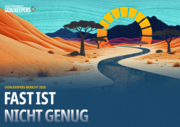
Fast ist nicht genug. 2025 Goalkeeper Report
recommended
2025 ist das erste Jahr dieses Jahrhunderts, in dem die Kindersterblichkeit steigen wird.
Aber wir können diese Umkehrung stoppen, bevor sie zu einem Trend wird, selbst in Zeiten knapper Budgets.
Mit bewährten Lösungen und Innovationen der nächsten Generation, die mit weniger mehr erreichen, k
...
önnen wir Millionen von Kinderleben retten, die Fortschritte schützen, für die wir so hart gekämpft haben, und Krankheiten ausmerzen, die die Menschheit seit Generationen plagen.
Sie können verschiedene Sprachen herunterladen: Englisch, Deutsch, Französisch, Spanisch, Russisch, Chinesisch
more
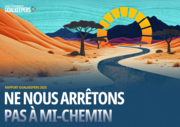
Ne nous arrêtons pas à mi-chemin. Rapports
recommended
2025 sera la première année de ce siècle où le nombre de décès d'enfants augmentera.
Mais nous pouvons mettre fin à ce renversement de tendance avant qu'il ne devienne une norme, même en période de restrictions budgétaires.
Grâce à des solutions éprouvées et à des innovations de nou
...
velle génération qui permettent de faire plus avec moins, nous pouvons sauver la vie de millions d'enfants, protéger les progrès pour lesquels nous nous sommes battus si durement et éradiquer les maladies qui affligent l'humanité depuis des générations.
Vous pouvez télécharger différentes langues : anglais, allemand, français, espagnol, russe, chinois
more

2025 es el primer año de este siglo en el que aumentará la mortalidad infantil.
Pero podemos detener este retroceso antes de que se convierta en una tendencia, incluso en una época de presupuestos ajustados.
Con soluciones probadas e innovaciones de última generación que permiten hacer más c
...
on menos, podemos salvar la vida de millones de niños, proteger los avances por los que tanto hemos luchado y erradicar enfermedades que han azotado a la humanidad durante generaciones.
Puede descargar diferentes idiomas: inglés, alemán, francés, español, ruso y chino.
more

According to the WHO, there were an estimated 251 million malaria cases (95% of global cases) and 579,414 malaria deaths (97% of global deaths) in African Union Member States in 2023. 76% of these d
...
eaths were children under the age of five.
more

According to most recent data, the world economy grew by 3.1 per cent in 2022. To many, the rebound
suggested that a soft landing was possible in 2023, and that the key problems of the year 2022 – rising
prices, supply-chain disruptions and recession risks – have been addressed. As a result, t
...
he very first
months of 2023 were viewed with optimism by decision-makers, as it appeared that the anti-inflationary
stance of the central banks had set a path to price stabilization without causing a major disruption to
growth.
more
Timely, reliable and complete information on financial resources in the health sector is critical for sound policy making and planning, particularly in developing countries where resources are both scarce and unpredictable.
...
Health resource tracking has a long history and has seen renewed interest more recently as pressure has mounted to improve accountability for the attainment of the health Millennium Development Goals. We review the methods used to track health resources and recent experiences of their application, with a view to identifying the major challenges that must be overcome if data availability and reliability are to improve.
more
Global growth is projected to slow significantly amid high inflation, tight monetary policy, and more restrictive credit conditions. The possibility of more widespread bank turmoil and tighter monetary policy could result in even weaker
...
global growth and lead to financial dislocations in the most vulnerable emerging market and developing economies (EMDEs). Comprehensive policy action is needed to foster macroeconomic and financial stability. Among many EMDEs, and especially in low-income countries, bolstering fiscal sustainability will require generating higher revenues, making spending more efficient, and improving debt management practices. Continued international cooperation is also necessary to tackle climate change, support populations affected by crises and hunger, and provide debt relief where needed.
more
Background: Primary health care (PHC) is a driving force for advancing towards universal health coverage (UHC). PHC-oriented health systems bring e
...
normous benefits but require substantial financial investments. Here, we aim to present measures for PHC investments and project the associated resource needs. Methods: This modelling study analysed data from 67 low-income and middle-income countries (LMICs). Recognising the variation in PHC services among countries, we propose three measures for PHC, with different scope for included interventions and system strengthening. Measure 1 is centred on public health interventions and outpatient care; measure 2 adds general inpatient care; and measure 3 further adds cross-sectoral activities. Cost components included in each measure were based on the Declaration of Astana, informed by work delineating PHC within health accounts, and finalised through an expert and country validation meeting. We extracted the subset of PHC costs for each measure from WHO’s Sustainable Development Goal (SDG) price tag for the 67 LMICs, and projected the associated health impact. Estimates of financial resource need, health workforce, and outpatient visits are presented as PHC investment guide posts for LMICs.
more
This study has two broad objectives. Thefirst objective was to assess the financialsustainability of CBHI schemes, focusing on schemes that have been operational for more than twoyears. The first componentprovidesquantitative descriptions of enrollment, utilization, and financial solvency of CBHI sc
...
hemes over time.The second objective ofthe assessment was to provide in-depth descriptions of institutional structures, human resource capacity, engagement and commitment of key stakeholders, and community and member engagement byCBHI schemesthat drive or constrain sustainability of CBHI schemes.
more