
Filter
1232
Text search:
adverse
drug
event
Featured
176
306
Language
Document type
638
260
151
95
40
18
16
6
2
1
1
1
1
1
Countries
83
44
35
30
29
23
22
20
19
18
17
16
15
12
12
12
11
11
11
11
9
9
7
7
6
6
6
6
6
5
5
5
5
4
4
4
3
3
3
3
3
2
2
2
2
2
2
2
2
2
2
2
1
1
1
1
1
1
1
1
1
1
1
1
1
1
1
1
1
1
1
1
1
Authors & Publishers
Publication Years
Category
387
196
85
69
44
26
21
Toolboxes
135
135
69
65
60
57
43
32
30
27
22
19
19
16
15
14
13
11
10
8
7
6
5
3
1

Clinical Infectious Diseases 2010; 50:291–322

4th edition. A manual for clinics, community health centers and district hospitals
This updated version, endorsed by the World Health Assembly in May 2021 through resolution WHA74.9, reflects lessons learned in the global malaria response over the last 5 years. While the milestones and targets remain the same, the approaches to tackling the disease, in some areas, have evolved to
...
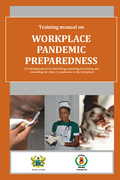
Workplace Pandemic Preparedness. Training Manual
recommended
A training manual for identifying, assessing, preventing and controlling the risks of pandemics in the workplace. This training manual has been developed for both medical and non-medical personnel who may be called upon to lead emergency response, (eg epidemic outbreak, etc), ensure effective conta
...
Reduce Risk, Protect Health Facilities, Save Lives

This guideline provides health policy-makers and decision-makers in health professional training institutions with advice on the rationale for health-care providers’ use of counselling skills to address sexual health concerns in a primary health care setting

Reach the Unreached - FIND, TREAT, CURE TB, SAVE LIVES
A Provisional Document. The purpose of this manual is to provide guidance to public health professionals tasked with managing a response to viral hepatitis. As every country’s needs are different with respect to its epidemiology and the current level of response, people would use this manual in di
...
Drugs, Diagnostics, Vaccines, Preventive Technologies, Research toward a cure, and immune-based and gene therapies in development
The guideline elaborates on the prevention and control strategy developed by the South-East Asia Regional Office of WHO, which consists of six key components.
