
Filter
4087
Text search:
supplies
management
Featured
458
1261
Language
3993
89
58
42
37
19
14
5
5
4
4
3
3
3
2
2
2
2
2
2
2
1
1
1
1
1
1
1
1
1
1
1
1
1
1
1
1
1
1
1
1
1
1
1
1
1
1
1
1
1
1
Document type
2088
622
612
279
241
80
73
69
8
7
5
2
1
Countries
164
151
150
142
131
122
112
92
90
84
77
72
71
71
70
64
55
54
48
48
47
47
47
46
42
42
42
38
32
31
27
27
27
23
22
21
20
20
19
19
18
18
18
17
15
15
14
13
13
12
11
10
10
10
9
9
9
8
8
8
8
7
7
7
6
6
6
5
5
5
5
5
5
5
4
4
4
4
4
3
3
3
3
3
3
3
3
3
3
3
3
2
2
2
2
2
2
2
2
2
2
2
2
2
2
2
2
2
2
2
2
2
1
1
1
1
1
1
1
1
1
1
1
1
1
1
1
1
1
1
1
1
1
1
1
1
1
1
1
1
Authors & Publishers
616
182
100
100
95
90
86
77
41
40
33
31
28
25
25
25
22
22
21
21
20
19
19
19
18
18
18
18
17
17
17
17
16
16
15
15
15
14
13
13
13
12
12
12
12
12
12
12
12
12
11
10
10
10
10
9
9
9
9
9
9
9
8
8
8
8
8
8
8
8
8
8
8
8
8
7
7
7
7
7
7
7
7
7
6
6
6
6
6
6
6
6
6
6
6
6
6
6
6
6
6
6
6
6
6
5
5
5
5
5
5
5
5
5
5
5
5
5
5
5
5
5
5
5
5
5
5
5
5
5
5
5
5
5
5
4
4
4
4
4
4
4
4
4
4
4
4
4
4
4
4
4
4
4
4
4
4
4
4
4
4
4
4
4
4
4
4
4
4
4
4
4
4
4
3
3
3
3
3
3
3
3
3
3
3
3
3
3
3
3
3
3
3
3
3
3
3
3
3
3
3
3
3
3
3
3
3
3
3
3
3
3
3
3
3
3
3
3
3
3
3
3
3
3
3
3
3
3
3
3
3
3
3
3
3
3
3
3
3
3
3
3
3
3
3
3
3
3
3
3
3
3
3
3
2
2
2
2
2
2
2
2
2
2
2
2
2
2
2
2
2
2
2
2
2
2
2
2
2
2
2
2
2
2
2
2
2
2
2
2
2
2
2
2
2
2
2
2
2
2
2
2
2
2
2
2
2
2
2
2
2
2
2
2
2
2
2
2
2
2
2
2
2
2
2
2
2
2
2
2
2
2
2
2
2
2
2
2
2
2
2
2
2
2
2
2
2
2
2
2
2
2
2
2
2
2
2
2
2
2
2
2
2
2
2
2
2
2
2
2
2
2
2
2
2
2
2
2
2
2
2
2
2
2
2
2
2
2
2
2
2
2
2
2
2
2
2
2
2
2
2
2
2
2
2
2
2
2
2
2
2
2
2
2
2
2
2
2
2
2
2
2
2
2
2
2
2
2
2
2
2
2
2
2
2
2
2
2
2
2
2
2
2
2
2
2
2
2
2
2
2
2
2
2
2
2
2
2
2
2
2
2
2
2
2
2
2
2
2
2
2
2
2
2
2
2
2
2
2
2
2
2
1
1
1
1
1
1
1
1
1
1
1
1
1
1
1
1
1
1
1
1
1
1
1
1
1
1
1
1
1
1
1
1
1
1
1
1
1
1
1
1
1
1
1
1
1
1
1
1
1
1
1
1
1
1
1
1
1
1
1
1
1
1
1
1
1
1
1
1
1
1
1
1
1
1
1
1
1
1
1
1
1
1
1
1
1
1
1
1
1
1
1
1
1
1
1
1
1
1
1
1
1
1
1
1
1
1
1
1
1
1
1
1
1
1
1
1
1
1
1
1
1
1
1
1
1
1
1
1
1
1
1
1
1
1
1
1
1
1
1
1
1
1
1
1
1
1
1
1
1
1
1
1
1
1
1
1
1
1
1
1
1
1
1
1
1
1
1
1
1
1
1
1
1
1
1
1
1
1
1
1
1
1
1
1
1
1
1
1
1
1
1
1
1
1
1
1
1
1
1
1
1
1
1
1
1
1
1
1
1
1
1
1
1
1
1
1
1
1
1
1
1
1
1
1
1
1
1
1
1
1
1
1
1
1
1
1
1
1
1
1
1
1
1
1
1
1
1
1
1
1
1
1
1
1
1
1
1
1
1
1
1
1
1
1
1
1
1
1
1
1
1
1
1
1
1
1
1
1
1
1
1
1
1
1
1
1
1
1
1
1
1
1
1
1
1
1
1
1
1
1
1
1
1
1
1
1
1
1
1
1
1
1
1
1
1
1
1
1
1
1
1
1
1
1
1
1
1
1
1
1
1
1
1
1
1
1
1
1
1
1
1
1
1
1
1
1
1
1
1
1
1
1
1
1
1
1
1
1
1
1
1
1
1
1
1
1
1
1
1
1
1
1
1
1
1
1
1
1
1
1
1
1
1
1
1
1
1
1
1
1
1
1
1
1
1
1
1
1
1
1
1
1
1
1
1
1
1
1
1
1
1
1
1
1
1
1
1
1
1
1
1
1
1
1
1
1
1
1
1
1
1
1
1
1
1
1
1
1
1
1
1
1
1
1
1
1
1
1
1
1
1
1
1
1
1
1
1
1
1
1
1
1
1
1
1
1
1
1
1
1
1
1
1
1
1
1
1
1
1
1
1
1
1
1
1
1
1
1
1
1
1
1
1
1
1
1
1
1
1
1
1
1
1
1
1
1
1
1
1
1
1
1
1
1
1
1
1
1
1
1
1
1
1
1
1
1
1
1
1
1
1
1
1
1
1
1
1
1
1
1
1
1
1
1
1
1
1
1
1
1
1
1
1
1
1
1
1
1
1
1
1
1
1
1
1
1
1
1
1
1
1
1
1
1
1
1
1
1
1
1
1
1
1
1
1
1
1
1
1
1
1
1
1
1
1
1
1
1
1
1
1
1
1
1
1
1
1
1
1
1
1
1
1
1
1
1
1
1
1
1
1
1
1
1
1
1
1
1
1
1
1
1
1
1
1
1
1
1
1
1
1
1
1
1
1
1
1
1
1
1
1
1
1
1
1
1
1
1
1
1
1
1
1
1
1
1
1
1
1
1
1
1
1
1
1
1
1
1
1
1
1
1
1
1
1
1
1
1
1
1
1
1
1
1
1
1
1
1
1
1
1
1
1
1
1
1
1
1
1
1
1
1
1
1
1
1
1
1
1
1
1
1
1
1
1
1
1
1
1
1
1
1
1
1
1
1
1
1
1
1
1
1
1
1
1
1
1
1
1
1
1
1
1
1
1
1
1
1
1
1
1
1
1
1
1
1
1
1
1
1
1
1
1
1
1
1
1
1
1
1
1
1
1
1
1
1
1
1
1
1
1
1
1
1
1
1
1
1
1
1
1
1
1
1
1
1
1
1
1
1
1
1
1
1
1
1
1
1
1
1
1
1
1
1
1
1
1
1
1
1
1
1
1
1
1
1
1
1
1
1
1
1
1
1
1
1
1
1
1
1
1
1
1
1
1
1
1
1
1
1
1
1
1
1
1
1
1
1
1
1
1
1
1
1
1
1
1
1
1
1
1
1
1
1
1
1
1
1
1
1
1
1
1
1
1
1
1
1
1
1
1
1
1
1
1
1
1
1
1
1
1
1
1
1
1
1
1
1
1
1
1
1
1
1
1
1
1
1
1
1
1
1
1
1
1
1
1
1
1
1
1
1
1
1
1
1
1
1
1
1
1
1
1
1
1
1
1
1
1
1
1
1
1
1
1
1
1
1
1
1
1
1
1
1
1
1
1
1
1
1
1
1
1
1
1
1
1
1
1
1
1
1
1
1
1
1
1
1
1
1
1
1
1
1
1
1
1
1
1
1
1
1
1
1
1
1
1
1
1
1
1
1
1
1
1
1
1
1
1
1
1
1
1
1
1
1
1
1
1
1
1
1
1
1
1
1
1
1
1
1
1
1
1
1
1
1
1
1
1
1
1
1
1
1
1
1
1
1
1
1
1
1
1
1
1
1
1
1
1
1
1
1
1
1
1
1
1
1
1
1
1
1
1
1
1
1
1
1
1
1
1
1
1
1
1
1
1
1
1
1
1
1
1
1
1
1
1
1
1
1
1
1
1
1
1
1
1
1
1
1
1
1
1
1
1
1
1
1
1
1
1
1
1
1
1
1
1
1
1
1
1
1
1
1
1
1
1
1
1
1
1
1
1
1
1
1
1
1
1
1
1
1
1
1
1
1
1
1
1
1
1
1
1
1
1
1
1
1
1
1
1
1
1
1
1
1
1
1
1
1
1
1
1
1
1
1
1
1
1
1
1
1
1
1
1
1
1
1
1
1
1
1
1
1
1
1
1
1
1
1
1
1
1
1
1
1
1
1
1
1
1
1
1
1
1
1
1
1
1
1
1
1
1
1
1
1
1
1
1
1
1
1
1
1
1
1
1
1
1
1
1
1
1
1
1
1
1
1
1
1
1
1
1
1
1
1
1
1
1
1
1
1
1
1
1
1
1
1
1
1
1
1
1
1
1
1
1
1
1
1
1
1
1
1
1
1
1
1
1
1
1
1
1
1
1
1
1
1
1
1
1
1
1
1
1
1
1
1
1
1
1
1
1
1
1
1
1
1
1
1
1
1
1
1
1
1
1
1
1
1
1
1
1
1
1
1
1
1
1
1
1
1
1
1
1
1
1
1
1
1
1
1
1
1
1
1
1
1
1
1
1
1
1
1
1
1
1
1
1
1
1
1
1
1
1
1
1
1
1
1
1
1
1
1
1
1
1
1
1
1
1
1
1
1
1
1
1
1
1
1
1
1
1
1
1
1
1
1
1
1
1
1
1
1
1
1
1
1
1
1
1
1
1
1
1
1
1
1
1
1
1
1
1
1
1
1
1
1
1
1
1
1
1
1
1
1
1
1
1
1
1
1
1
1
1
1
1
1
1
1
1
1
1
1
1
1
1
1
1
1
1
1
1
1
1
1
1
1
1
1
1
1
1
1
1
1
1
1
1
1
1
1
1
1
1
1
1
1
1
1
1
1
1
1
1
1
1
1
1
1
1
1
1
1
1
1
1
1
1
1
1
1
1
1
1
1
1
1
1
1
1
1
1
1
1
1
1
1
1
1
1
1
1
1
1
1
1
1
1
1
1
1
1
1
1
1
1
1
1
1
1
1
1
1
1
1
1
1
1
1
1
1
1
1
1
1
1
1
1
1
1
1
1
1
1
1
1
1
1
1
1
1
1
1
1
1
1
1
1
1
1
1
1
1
1
1
1
1
1
1
1
1
1
1
1
1
1
1
1
1
1
1
1
1
1
1
1
1
1
1
1
1
1
1
1
1
1
1
1
1
1
1
1
1
1
1
1
1
1
1
1
1
1
1
1
1
1
1
1
1
1
1
1
1
1
1
1
1
1
1
1
1
1
1
1
1
1
1
1
1
1
1
1
1
1
1
1
1
1
1
1
1
1
1
1
1
1
1
1
1
1
1
1
1
1
1
1
1
1
1
1
1
1
1
1
1
1
1
1
1
1
1
1
1
1
1
1
1
1
1
1
1
1
1
1
1
1
1
1
1
1
1
1
1
1
1
1
1
1
1
1
1
1
1
1
1
1
1
1
1
1
1
1
1
1
1
1
1
1
1
1
1
1
1
1
1
1
1
1
1
1
1
1
1
1
1
1
1
1
1
1
1
1
1
1
1
1
1
1
1
1
1
1
1
1
1
1
1
1
1
1
1
1
1
1
1
1
1
1
1
1
1
1
1
1
1
1
1
1
1
1
1
1
1
1
1
1
1
1
1
1
1
1
1
1
1
1
1
1
1
1
1
1
1
1
1
1
1
1
1
1
1
1
1
1
1
1
1
1
1
1
1
1
1
1
1
1
1
1
1
1
1
1
1
1
1
1
1
1
1
1
1
1
1
1
1
1
1
1
1
1
1
1
1
1
1
1
1
1
1
1
1
1
1
1
1
1
1
1
1
1
1
1
1
1
1
1
1
1
1
1
1
1
1
1
1
1
1
1
1
1
1
1
1
1
1
1
1
1
1
1
1
1
1
1
1
1
1
1
1
1
1
1
1
1
1
1
1
1
1
1
1
1
1
1
1
1
1
1
1
1
1
1
1
1
1
1
1
1
1
1
1
1
1
1
1
1
1
1
1
1
1
1
1
1
1
1
1
1
1
1
1
1
1
1
1
1
1
1
1
1
1
1
1
1
1
1
1
1
1
1
1
1
1
1
1
1
1
1
1
1
1
1
1
1
1
1
1
1
1
1
1
1
1
1
1
1
1
1
1
1
1
1
1
1
1
1
1
1
1
1
1
1
1
1
1
1
1
1
1
1
1
1
1
1
1
1
1
1
1
1
1
1
1
1
1
1
1
1
1
1
1
1
1
1
1
1
1
1
1
1
1
1
1
1
1
1
1
1
1
1
1
1
1
1
1
1
1
1
1
1
1
1
1
1
1
1
1
1
1
1
1
1
1
1
1
1
1
1
1
1
1
1
1
1
1
1
1
1
1
1
1
1
1
1
1
1
1
1
1
1
1
1
1
1
1
1
1
1
1
1
1
1
1
1
1
1
1
1
1
1
1
1
1
1
1
1
1
1
1
1
1
1
1
1
1
1
1
1
1
1
1
1
1
1
1
1
1
1
1
1
1
1
1
1
1
1
1
1
1
1
1
1
1
1
1
1
1
1
1
1
1
1
1
1
1
1
1
Publication Years
1294
2320
443
28
2
Category
1792
402
278
263
191
104
51
Toolboxes
455
211
184
143
136
125
123
116
99
91
90
86
83
76
72
62
61
57
51
42
39
31
27
15
11
2
2

What are the FP and CAC competencies?
Through the clear articulation of the family planning and comprehensive abortion care (FP and CAC) competencies for the primary health care workforce, the aim is to advance improvements in FP and CAC service delivery by aligning health worker education approach
...
es with population health needs and health system demands.
This document, which describes these competencies in detail, is intended to:
be a foundational tool to be adopted and adapted by educators and regulators for FP and CAC providers (students) with a pre-service training pathway of at least 12 months;
describe competencies that are relevant to current and future health practice;
enable widespread use of the competencies not only for curriculum development for pre-service education, but also for in-service education, regulation, qualifications, quality assurance, personal development, performance evaluation, recruitment, management and career progression;
focus on the core functions of FP and CAC providers within broader efforts towards achieving universal health coverage
more
The Practical manual on laboratory strengthening, 2022 update provides practical guidance on implementation of WHO recommendations and best practices for TB laboratory strengthening. It is an updated version of the GLI Practical Guide to Laboratory Strengthening published in 2017 and provides the la
...
test practical guidance on use of newly recommended diagnostics as well as guidance in key technical areas, including quality assurance and quality management systems, specimen collection and registration, procurement and supply-chain management, diagnostic connectivity, biosafety, data management, human resources, strategic planning, and model algorithms. The key changes are:
inclusion of recent or updated WHO recommendations for tests to diagnose TB and detect drug resistance;
alignment with the latest WHO critical concentrations for phenotypic drug-susceptibility testing (DST) and the new definitions of pre-XDR-TB and XDR-TB;
updated information on building quality-assured TB testing and management capacity using the Stepwise Laboratory Quality Improvement Process Towards Accreditation (SLIPTA) approach (Score-TB package1);
updated information on assessing, analysing and optimising TB diagnostic networks; and
updated information on the use of next-generation sequencing (NGS) to detect mutations associated with drug resistance for surveillance purposes.
The document also provides references to resources and tools relevant for work on laboratory strengthening.
more

Climate change presents the single biggest threat to human development, and its widespread impacts disproportionately burden the poorest and most vulnerable households in fragile and rural developing contexts – particularly women and children.
According to the Intergovernmental Panel on Climate C
...
hange’s (IPCC) latest report, ‘between 2010 and 2020, droughts, floods and storms killed 15 times as many people in highly vulnerable countries, particularly in Africa — which is responsible for less than 3 percent of global emissions – than in the wealthiest countries’.
Recognising environmental degradation and climate change are key accelerators of extreme child vulnerability, World Vision (WV) approved the Environmental Stewardship Management Policy (‘the Policy’) and Guidelines (‘the Guidelines’) in 2021.
To support the implementation of the Policy and Guidelines, WV has developed this Environmental Stewardship and Climate Action Handbook (‘the Handbook’) to help offices across the WV Partnership implement best practice environmental management strategies both in the field and in our operations and facilities.
Integrating environmental stewardship and climate action into all our work – whether that be in our Area Programmes, grant projects, responses to disasters or advocacy – is critical to achieving WV’s strategy.
As a Christian organisation we are compelled to follow the ways of Jesus Christ, calling us to care for the ‘least of these’ (Matthew 25:40) – the vulnerable children who are disproportionately impacted by climate change. Our response to the degradation of the environment is not motivated by political expediency or funding – but because we are called to steward God’s creation (Genesis 1:28).
more

Rabies has an enormous impact on both agriculture and conservation biology, but its greatest burden is undeniably on public health. As such, routine methods for rapid risk assessment after human exposures to rabies as well as applications for laboratory-based surveillance, production of biologicals
...
and management of this infectious disease are critical. Given its mandate to improve human health and control disease among its Member States, WHO has led the production of this fifth edition of Laboratory techniques in rabies.
more

During the 17 years since Surgical approaches to the urogenital manifestations of lymphatic filariasis was first published, there has been heightened awareness of the physical, economic and emotional burden of the genitourinary manifestations of filariasis. With the impetus to provide better guidanc
...
e for care of those suffering from LF, this update was both warranted and timely.
At the outset, the Committee noted that barriers continue to exist in care of patients affected by LF-associated morbidity. These barriers include lack of information for patients as well as for many healthcare providers, including general surgeons and others within health systems
This update offers a new consensus of the Committee regarding the staging of hydroceles caused by LF, also known as “filariceles”. It recommends integrating LF surgery with other efforts to strengthen surgical care by assessing health facilities for their surgical readiness using the WHO surgical assessment tool or “SAT”. It also recommends integratinghernia surgery with hydrocele surgery and integrating standards for prevention of surgical site infection (SSI).
The update revises recommendations for standard procedures and processes, offers an algorithm for diagnosis (including the use of ultrasound) and discusses postoperative care. It recommends collecting data using the staging and grading system described by Capuano and Capuano along with other metrics for public health management of LF.
A multifaceted approach has therefore been recommended to coordinate public health outreach with national surgical planning and local health systems to include supporting partners such as nongovernmental organizations. Surgical camps with mobile teams, as well as training of personnel at DCP3 “first level” or WHO Level II hospitals (depending on region and resources), have important roles for reducing LF morbidity.
more
COVID-19 has altered health sector capacity in low-income and middle-income countries (LMICs). Cost data to inform evidence-based priority setting are urgently needed. Consequently, in this paper, we calculate the full economic health sector costs of COVID-19 clinical
...
management in 79 LMICs under different epidemiological scenarios.
more

Ebola disease and Marburg disease outbreaks continue to occur in Africa, with increased frequency. In addition to resulting in high mortality and morbidity, the outbreaks generate fear and mistrust about the response activities within the communities affected.
Infection prevention and control (IP
...
C) is a key pillar in the outbreak response; adherence to IPC practices can prevent and control transmission of infections to health and care workers, patients and their family members.
During the 2014-2016 West African Ebola disease outbreak, there was an urgent need for rapid IPC guidance to help support ministries of health, health-care providers and non-governmental organizations (NGOs). In response, WHO produced several documents related to the outbreak based on expert opinion, including IPC-specific documents and documents on clinical management that also referenced key IPC principles and practices. Since that time, many practices in the field have become institutionalized.
more

The Infection prevention and control in the context of coronavirus disease 2019 (COVID-19): a living guideline consolidates technical guidance developed and published during the COVID-19 pandemic into evidence-informed recommendations for infection prevention and control (IPC). This living guideline
...
is available both online and PDF.
**This version of the living guideline (version 5.0) **includes the following seven revised statements for the prevention, identification and management of SARS-CoV-2 infections among health and care workers:
a good practice statement on national and subnational testing strategies;
a good practice statement on passive syndromic surveillance of health and care workers;
a good practice statement on prioritizing health and care workers for SARS-CoV-2 testing;
a good practice statement on protocols for reporting and managing health and care worker exposures;
a good practice statement to limit in-person work of health and care workers with active SARS-CoV-2 infections;
a statement on high-risk exposures and quarantine; and,
a conditional recommendation on the duration of isolation for health and care workers.
Understanding the updated section
Prevention of infections in the health care setting includes a multi-pronged and multi-factorial approach that includes IPC and occupational health and safety measures and adherence to Public Health and Social Measures in the community by the health workforce. The underlying infection prevention and control strategy of this section is the notion that early identification of symptomatic cases, testing and quarantining/isolating health and care workers decreases the risk of nosocomial infection to patients and to other health and care workers.
more
In line with the Climate and Environment Charter for Humanitarian Organisations which IFRC, ICRC and various Red Cross Red Crescent National Societies have endorsed, this short Guide aims to help practitioners integrate environmental and climate change considerations into their work. It has been dev
...
eloped primarily for logistics staff, administrative staff, and management. It is not necessary to be an environmental expert to use this Guide.
more
This toolkit was developed to provide detailed information and resources to support implementation of the WHO intrapartum and immediate postnatal care recommendations at the health-care facility level. The careful design of this toolkit is based on a rigorous evidence-based approach that includes im
...
plementation strategies of proven effectiveness to help close the gap between WHO’s care recommendations and current policies and practices.
The primary target audience for the toolkit includes policy-makers, health-care facility managers, implementers and managers of maternal and child health programmes, nongovernmental organizations (NGOs) and professional societies involved in the planning and management of maternal and child health services.
more

The Disaster Recovery Framework (DRF) Guide for the Health Sector provides guidance on how to implement a comprehensive, integrated, and structured approach to disaster recovery. Its overarching goal is to minimize the impact of the disaster on communities and help countries to recover quickly and e
...
ffectively from disasters, in coordination with key stakeholders.
The DRF Guide for the Health Sector is adapted from the generic DRF Guide, and draws on the Implementation Guide For Health Systems Recovery in Emergencies, the Health Emergency and Disaster Risk Management Framework as well as the Disaster Recovery Guidance Series. The guide also makes links with multi-sectoral, government-led recovery planning processes such as the Post-Disaster Needs Assessment (PDNA), and it supports the implementation of the HDPN.
more
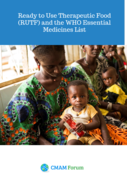
Severe Acute Malnutrition (SAM) is one of the greatest child survival challenges in the world today and
reportedly affects more than 16.2 million children each year1. High impact, proven treatment interventions exist
yet sadly approximately only 3.2 million children with SAM have access to treatme
...
nt each year2. Thus, there
is a need to scale up interventions to improve coverage and access across high burden countries. While efforts
are currently underway to expand services in many countries, obstacles remain.
One critical barrier to expanding SAM treatment services is the acceptance, accessibility and utilisation of
ready-to-use therapeutic food (RUTF). In some countries and contexts, RUTF is still not fully accepted by
community members; while other countries face problems with procurement, storage and supply chain
management which impact on availability and use3. Reports from Ghana and Zambia highlighted that stock-
outs and logistical challenges are often noted as key contributors to high default rates in outpatient treatment
centres4.
more

Health system resilience is not an inevitable byproduct of any investment in health but must be intentionally programmed and developed with necessary input, investment and contextualization. This technical product aims to guide national, subnational, and global health actors to operationalize the co
...
ncept of health system resilience for advancement of universal health coverage, health security and ultimately better health for all. It supports the translation of relevant conceptual guidance and high-level recommendations into practical actions.
The specific objectives are to:
present a concise overview of the concept of health system resilience;
provide a roadmap outlining practical and foundational steps for building health system resilience to be adapted to different contexts;
share examples of actions and tools, including stakeholder roles, to support country application of the roadmap.
The target audience for this work is the various stakeholders involved in strengthening health systems and public health including management of emergencies (from prevention and preparedness to response and recovery) and other public health challenges in countries. This ranges from the donors, policy-makers and decision-makers at global, national and subnational levels to the implementing institutions and line managers of health system functions and services across the health system building blocks.
more

Medical devices are used for the prevention, diagnosis and treatment of illness and diseases and for rehabilitation. WHO developed guidance on medical device donation in 2011, which has been now reviewed, with new evidence, new references on considerations for medical device solicitation and provisi
...
on, risks associated with inappropriate donations, the responsibilities of donors and recipient, and the steps they should follow before, during and after a donation. It includes three sections: description of major problems that may be faced during the donation process, listing of best practices for donors and recipients and addressing situations requiring special attention. It also has three annexes for further reading: the criteria for the acceptability of a donation, literature review on donations of medical devices between 2010 and 2023 and a flyer. This document is intended to improve the quality of medical devices donations, including medical equipment, single-use medical devices and in-vitro diagnostics, to provide maximum benefit to all stakeholders. The considerations can be used to develop institutional or national policies and regulations for medical devices donations. This document is intended for use by any organization, expert or practitioner involved in the donation, procurement, management of medical devices, including health workers, biomedical engineers, health managers, policymakers, donors, nongovernmental organizations and academic institutions.
more

The protracted humanitarian situation in northeastern Nigeria, particularly in Borno, Adamawa, and Yobe (BAY) States, remains a concern due to ongoing insecurity, displacement, food insecurity, disease outbreaks, and climate-related shocks. To address these complex challenges, the health sector has
...
developed a comprehensive humanitarian response strategy aligned with the three States Development plans, Durable Solutions for the Population Displacement Plan, and the Humanitarian Need Response Plan for 2025. This strategy aims to reduce morbidity and mortality among crisisaffected populations by ensuring timely, equitable, and effective delivery of lifesaving health services, while strengthen the resilience of health system and enhancing local and national capacities for sustainable health response in protracted emergency.
Supported by an in-depth analysis of the ongoing health humanitarian response using the Strengths, Weaknesses, Opportunities, and Threats (SWOT) methodology, the strategy is guided by three key objectives:
1. Provide access to lifesaving interventions and sustain an effective response to the prolonged health emergency.
2. Prevent, mitigate, and prepare for health risks from all hazards and respond to all health emergencies.
3. Advance the primary health care approach and essential health system capacities for universal health coverage.
To achieve these objectives, the strategy employs the “Five C” framework which refers to:
• Collaborative Surveillance: Enhancing collaborative efforts for effective monitoring.
• Community Protection: Implementing community-based protection measures.
• Safe and Scalable Care: Ensuring care that is both secure and scalable.
• Access to Countermeasures: Facilitating access to necessary countermeasures.
• Emergency Coordination: Coordinating emergency responses efficiently.
These proactive approaches are designed to be more anticipatory and preemptive rather than reactive, aiming to meet the needs of the crisis-affected population by providing lifesaving interventions, enhancing preventive and anticipatory actions, and ensuring the resilience of the health system. All actions are guided by International Humanitarian Standards and the Humanitarian Principles.
The implementation of the health humanitarian response strategy will involve collaboration with local authorities, non-governmental organizations (NGOs), and international organizations. The strategy emphasizes localization and resource mobilization, efficient logistics and supply chain management, mainstreaming protection, and the deployment and training of healthcare workers. Continuous monitoring and periodic evaluation will ensure the effectiveness of the response. Cross-sector collaboration with sectors such as WASH, Nutrition, Education, and Protection will be crucial to enhance the quality and reach of health interventions. Additionally, sustainability and transition approaches will ensure long-term health outcomes and benefits, bridging the gap from humanitarian to development efforts.
By adopting this comprehensive approach, the humanitarian response in northeastern Nigeria, particularly in BAY States, can be effectively guided, ultimately reducing the suffering of affected populations.
more

This guide provides strategic direction for host countries, event organizers, health authorities, and key stakeholders to effectively plan and conduct Simulation Exercises (SimEx) and After Action Reviews (AARs) for mass gathering events. Packed with practical tools, it empowers users to seamlessly
...
integrate these activities into ongoing learning and emergency risk management processes. Aligned with the International Health Regulations (IHR, 2005), the guide serves as a critical resource for strengthening global and national health resilience, ensuring safer and more prepared mass gatherings.
more

WHO guideline on balanced national controlled medicines policies to ensure medical access and safety
Access to medicines is essential for attainment of universal health coverage, which is central to achievement of the health-related Sustainable Development Goals. Controlled medicines include those such as opioids, benzodiazepines, barbiturates, amphetamines and others with identified or emergent cl
...
inical indications. WHO recognizes that these medicines are necessary for pre- and post-operative care, for sedation, for the management of both acute and chronic pain, for palliative care, as anticonvulsants (anti-epileptics), for the management of anxiety disorders and for the management of substance use disorders, including as opioid agonist therapy (OAT).
more
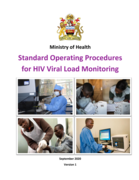
The goal of producing these Standard Operating Procedures (SOPs) was therefore targeted at fostering standardization across all levels of care to ensure HIV viral load monitoring remains a basic right offered to all people living with HIV (PLHIV) on lifelong antiretroviral therapy (ART) regardless o
...
f their location and place where they are accessing care.
These SOPs are designed to provide practical information to healthcare providers. They must be considered as supplementary and secondary to all guidelines issued by the MOH, including the Malawi Clinical Management of HIV in Children and Adults Guidelines and the Malawi HIV Testing Services (HTS) Guidelines.
more

The document Integrated Disease Surveillance and Response Technical Guidelines, Booklet Four: Sections 8 and 9 (Third Edition, 2019) provides guidance for strengthening public health surveillance and response systems in the WHO African Region. It focuses on monitoring, supervision, evaluation, and f
...
eedback mechanisms to improve the performance and quality of Integrated Disease Surveillance and Response (IDSR) systems. The text outlines key surveillance core functions—such as case detection, reporting, data analysis, outbreak investigation, preparedness, response, and feedback—and introduces indicators to measure system effectiveness, including timeliness, completeness, and data quality. Additionally, it discusses the implementation of electronic IDSR (eIDSR) to enhance real-time reporting and outbreak management. Overall, the booklet aims to strengthen early detection, rapid response, and health security capacity across all levels of the health system.
more

This report examines how clinical trials contribute to environmental impacts and outlines key considerations for integrating environmental sustainability into trial design, conduct and oversight. It explores the carbon footprint and resource use associated with clinical research activities – inclu
...
ding site operations, participant travel, supply chains, data management and waste – and highlights how these impacts intersect with climate change risks to health systems and research infrastructure.
more
