
Filter
3577
Text search:
Child
Protection
Working
Group
Featured
353
1103
Language
3482
93
69
54
38
22
22
13
8
7
6
6
6
5
4
4
4
4
4
4
4
4
4
3
3
3
3
3
3
3
3
3
3
3
3
2
2
2
2
2
2
2
2
2
2
2
2
2
1
1
1
1
1
1
1
1
1
1
1
1
Document type
2128
549
366
207
160
71
42
32
8
7
4
1
Countries / Regions
155
136
119
89
87
86
79
78
77
77
73
72
67
66
61
57
52
52
51
47
43
39
38
34
31
30
30
30
29
28
28
20
20
20
19
19
19
19
18
17
16
16
15
15
15
13
12
12
12
11
11
11
10
9
9
9
8
8
8
8
7
7
7
6
6
6
5
5
4
4
4
4
4
4
4
4
4
4
4
3
3
3
3
3
3
3
3
3
3
3
2
2
2
2
2
2
2
2
2
2
2
2
2
2
2
2
2
2
1
1
1
1
1
1
1
1
1
1
1
1
1
1
1
1
1
1
1
1
1
1
1
Authors & Publishers
378
130
124
116
70
69
68
64
53
41
30
28
27
26
24
24
23
23
22
17
16
16
16
16
14
14
14
14
14
13
13
13
13
12
12
11
11
11
11
11
10
10
10
10
10
10
10
10
10
10
9
9
9
9
9
9
9
9
9
9
9
9
8
8
8
8
8
8
8
8
7
7
7
7
7
7
7
7
7
7
7
6
6
6
6
6
6
6
6
6
6
6
5
5
5
5
5
5
5
5
5
5
5
5
5
5
5
5
5
5
5
5
5
5
4
4
4
4
4
4
4
4
4
4
4
4
4
4
4
4
4
4
4
4
4
4
4
4
4
4
4
4
4
4
4
4
4
4
4
4
4
4
3
3
3
3
3
3
3
3
3
3
3
3
3
3
3
3
3
3
3
3
3
3
3
3
3
3
3
3
3
3
3
3
3
3
3
3
3
3
3
3
3
3
3
3
3
3
3
3
3
3
3
3
3
3
3
3
3
3
3
3
3
3
3
3
3
3
3
3
3
3
3
3
3
3
3
3
3
3
3
2
2
2
2
2
2
2
2
2
2
2
2
2
2
2
2
2
2
2
2
2
2
2
2
2
2
2
2
2
2
2
2
2
2
2
2
2
2
2
2
2
2
2
2
2
2
2
2
2
2
2
2
2
2
2
2
2
2
2
2
2
2
2
2
2
2
2
2
2
2
2
2
2
2
2
2
2
2
2
2
2
2
2
2
2
2
2
2
2
2
2
2
2
2
2
2
2
2
2
2
2
2
2
2
2
2
2
2
2
2
2
2
2
2
2
2
2
2
2
2
2
2
2
2
2
2
2
2
2
2
2
2
2
2
2
2
2
2
2
2
2
2
2
2
2
2
2
2
2
2
2
2
2
2
2
2
2
2
2
2
2
2
2
2
2
2
2
2
2
2
2
2
2
2
2
2
2
2
2
2
2
2
2
2
2
2
2
2
2
2
2
2
2
2
2
2
2
2
2
2
2
2
2
2
2
2
2
2
2
2
2
2
2
2
2
2
1
1
1
1
1
1
1
1
1
1
1
1
1
1
1
1
1
1
1
1
1
1
1
1
1
1
1
1
1
1
1
1
1
1
1
1
1
1
1
1
1
1
1
1
1
1
1
1
1
1
1
1
1
1
1
1
1
1
1
1
1
1
1
1
1
1
1
1
1
1
1
1
1
1
1
1
1
1
1
1
1
1
1
1
1
1
1
1
1
1
1
1
1
1
1
1
1
1
1
1
1
1
1
1
1
1
1
1
1
1
1
1
1
1
1
1
1
1
1
1
1
1
1
1
1
1
1
1
1
1
1
1
1
1
1
1
1
1
1
1
1
1
1
1
1
1
1
1
1
1
1
1
1
1
1
1
1
1
1
1
1
1
1
1
1
1
1
1
1
1
1
1
1
1
1
1
1
1
1
1
1
1
1
1
1
1
1
1
1
1
1
1
1
1
1
1
1
1
1
1
1
1
1
1
1
1
1
1
1
1
1
1
1
1
1
1
1
1
1
1
1
1
1
1
1
1
1
1
1
1
1
1
1
1
1
1
1
1
1
1
1
1
1
1
1
1
1
1
1
1
1
1
1
1
1
1
1
1
1
1
1
1
1
1
1
1
1
1
1
1
1
1
1
1
1
1
1
1
1
1
1
1
1
1
1
1
1
1
1
1
1
1
1
1
1
1
1
1
1
1
1
1
1
1
1
1
1
1
1
1
1
1
1
1
1
1
1
1
1
1
1
1
1
1
1
1
1
1
1
1
1
1
1
1
1
1
1
1
1
1
1
1
1
1
1
1
1
1
1
1
1
1
1
1
1
1
1
1
1
1
1
1
1
1
1
1
1
1
1
1
1
1
1
1
1
1
1
1
1
1
1
1
1
1
1
1
1
1
1
1
1
1
1
1
1
1
1
1
1
1
1
1
1
1
1
1
1
1
1
1
1
1
1
1
1
1
1
1
1
1
1
1
1
1
1
1
1
1
1
1
1
1
1
1
1
1
1
1
1
1
1
1
1
1
1
1
1
1
1
1
1
1
1
1
1
1
1
1
1
1
1
1
1
1
1
1
1
1
1
1
1
1
1
1
1
1
1
1
1
1
1
1
1
1
1
1
1
1
1
1
1
1
1
1
1
1
1
1
1
1
1
1
1
1
1
1
1
1
1
1
1
1
1
1
1
1
1
1
1
1
1
1
1
1
1
1
1
1
1
1
1
1
1
1
1
1
1
1
1
1
1
1
1
1
1
1
1
1
1
1
1
1
1
1
1
1
1
1
1
1
1
1
1
1
1
1
1
1
1
1
1
1
1
1
1
1
1
1
1
1
1
1
1
1
1
1
1
1
1
1
1
1
1
1
1
1
1
1
1
1
1
1
1
1
1
1
1
1
1
1
1
1
1
1
1
1
1
1
1
1
1
1
1
1
1
1
1
1
1
1
1
1
1
1
1
1
1
1
1
1
1
1
1
1
1
1
1
1
1
1
1
1
1
1
1
1
1
1
1
1
1
1
1
1
1
1
1
1
1
1
1
1
1
1
1
1
1
1
1
1
1
1
1
1
1
1
1
1
1
1
1
1
1
1
1
1
1
1
1
1
1
1
1
1
1
1
1
1
1
1
1
1
1
1
1
1
1
1
1
1
1
1
1
1
1
1
1
1
1
1
1
1
1
1
1
1
1
1
1
1
1
1
1
1
1
1
1
1
1
1
1
1
1
1
1
1
1
1
1
1
1
1
1
1
1
1
1
1
1
1
1
1
1
1
1
1
1
1
1
1
1
1
1
1
1
1
1
1
1
1
1
1
1
1
1
1
1
1
1
1
1
1
1
1
1
1
1
1
1
1
1
1
1
1
1
1
1
1
1
1
1
1
1
1
1
1
1
1
1
1
1
1
1
1
1
1
1
1
1
1
1
1
1
1
1
1
1
1
1
1
1
1
1
1
1
1
1
1
1
1
1
1
1
1
1
1
1
1
1
1
1
1
1
1
1
1
1
1
1
1
1
1
1
1
1
1
1
1
1
1
1
1
1
1
1
1
1
1
1
1
1
1
1
1
1
1
1
1
1
1
1
1
1
1
1
1
1
1
1
1
1
1
1
1
1
1
1
1
1
1
1
1
1
1
1
1
1
1
1
1
1
1
1
1
1
1
1
1
1
1
1
1
1
1
1
1
1
1
1
1
1
1
1
1
1
1
1
1
1
1
1
1
1
1
1
1
1
1
1
1
1
1
1
1
1
1
1
1
1
1
1
1
1
1
1
1
1
1
1
1
1
1
1
1
1
1
1
1
1
1
1
1
1
1
1
1
1
1
1
1
1
1
1
1
1
1
1
1
1
1
1
1
1
1
1
1
1
1
1
1
1
1
1
1
1
1
1
1
1
1
1
1
1
1
1
1
1
1
1
1
1
1
1
1
1
1
1
1
1
1
1
1
1
1
1
1
1
1
1
1
1
1
1
1
1
1
1
1
1
1
1
1
1
1
1
1
1
1
1
1
1
1
1
1
1
1
1
1
1
1
1
1
1
1
1
1
1
1
1
1
1
1
1
1
1
1
1
1
1
1
1
1
1
1
1
1
1
1
1
1
1
1
1
1
1
1
1
1
1
1
1
1
1
1
1
1
1
1
1
1
1
1
1
1
1
1
1
1
1
1
1
1
1
1
1
1
1
1
1
1
1
1
1
1
1
1
1
1
1
1
1
1
1
1
1
1
1
1
1
1
1
1
1
1
1
1
1
1
1
1
1
1
1
1
1
1
1
1
1
1
1
1
1
1
1
1
1
1
1
1
1
1
1
1
1
1
1
1
1
1
1
1
1
1
1
1
1
1
1
1
1
1
1
1
1
1
1
1
1
1
1
1
1
1
1
1
1
1
1
1
1
1
1
1
1
1
1
1
1
1
1
1
1
1
1
1
1
1
1
1
1
1
1
1
1
1
1
1
1
1
1
1
1
1
1
1
1
1
1
1
1
1
1
1
1
1
1
1
1
1
1
1
1
1
1
1
1
1
1
1
1
1
1
1
1
1
1
1
1
1
1
1
1
1
1
1
1
1
1
1
1
1
1
1
1
1
1
1
1
1
1
1
1
1
1
1
1
1
1
1
1
1
1
1
1
1
1
1
1
1
1
1
1
1
1
1
1
1
1
1
1
1
1
1
1
1
1
1
1
1
1
1
1
1
1
1
1
1
1
1
1
1
1
1
1
1
1
1
1
1
1
1
1
1
1
1
1
1
1
1
1
1
1
1
1
1
1
1
1
1
1
1
1
1
1
1
1
1
1
1
1
1
1
1
1
1
1
1
1
1
1
1
1
1
1
1
1
1
1
1
1
1
1
1
1
1
1
1
1
1
1
1
1
1
1
1
1
1
1
1
1
1
1
1
1
1
1
1
1
1
1
1
1
1
1
1
1
1
1
1
1
1
1
1
1
1
1
1
1
1
1
1
1
1
1
1
1
1
1
1
1
1
1
1
1
1
1
1
1
1
1
1
1
1
1
1
1
1
1
1
1
1
1
1
1
1
1
1
1
1
1
1
1
1
1
1
1
1
1
1
1
1
1
1
1
1
1
1
1
1
1
1
1
1
1
1
1
1
1
1
1
1
1
1
1
1
1
1
1
1
1
1
1
1
1
1
1
1
1
1
1
1
1
1
1
1
1
1
1
1
1
1
1
1
1
1
1
1
1
1
1
1
1
1
1
1
1
1
1
1
1
1
1
1
1
1
1
1
1
1
1
1
1
1
1
1
1
1
1
1
1
1
1
1
1
1
1
1
1
1
1
1
1
1
1
1
1
1
1
1
1
1
1
1
1
1
1
1
1
1
1
1
1
1
1
1
1
1
1
1
1
1
1
1
1
1
1
1
1
1
1
1
1
1
1
1
1
1
1
1
1
1
1
1
1
1
1
1
1
1
1
1
1
1
1
1
1
1
1
1
1
1
1
1
1
1
1
1
1
1
1
1
1
1
1
1
1
1
1
1
1
1
1
1
1
1
1
1
1
1
1
1
1
1
1
1
1
1
1
1
1
1
1
1
1
1
1
1
1
1
1
1
1
1
1
1
1
1
1
1
1
1
1
1
1
1
1
1
1
1
1
1
1
1
1
1
1
1
1
1
1
1
1
1
1
1
1
1
1
1
1
1
1
1
1
1
1
1
1
1
1
1
1
1
1
1
1
1
1
1
1
1
1
1
1
1
1
1
1
1
1
1
1
1
1
1
1
1
1
1
1
1
1
1
1
1
1
1
1
1
1
1
1
1
1
1
1
1
1
1
1
1
1
1
1
1
1
1
1
1
1
1
1
1
1
1
1
1
1
1
1
1
1
1
1
1
1
1
1
1
1
1
1
1
1
1
1
1
1
1
1
1
1
1
1
1
1
1
1
1
1
1
1
1
1
1
1
1
1
1
1
1
1
1
1
1
1
1
1
1
1
1
1
1
1
1
1
1
1
1
1
1
1
1
1
1
1
1
1
1
1
1
1
1
1
1
1
1
1
1
1
1
1
1
1
1
1
1
1
1
1
1
1
1
1
1
1
1
1
1
1
1
1
1
1
1
1
1
1
1
1
1
1
1
1
1
1
1
1
1
1
1
1
1
1
1
1
1
1
1
1
1
1
1
1
1
1
1
1
1
1
1
1
1
1
1
1
1
1
1
1
1
1
1
1
1
1
1
1
1
1
1
1
1
1
1
1
1
1
1
1
1
1
1
1
1
1
1
1
1
1
1
1
1
1
1
1
1
1
1
1
1
1
1
1
1
1
1
1
1
1
1
1
1
1
1
1
1
1
1
1
1
1
1
1
1
1
1
1
1
1
1
1
1
1
1
1
1
1
1
1
1
1
1
1
1
1
1
1
1
1
1
1
1
1
1
1
1
1
1
1
1
1
1
1
1
1
1
1
1
1
1
1
1
1
1
1
1
1
1
1
1
1
1
1
1
1
1
1
1
1
1
1
1
1
1
1
1
1
1
1
1
1
1
1
1
1
1
1
1
1
1
1
1
1
1
1
1
1
1
1
1
1
1
1
1
1
1
1
1
1
1
1
1
1
1
1
1
1
1
1
1
1
1
1
1
1
1
1
1
1
1
1
1
1
1
1
1
1
1
1
1
1
1
1
1
1
1
1
1
1
1
1
1
1
1
1
1
1
1
1
1
1
1
1
1
1
1
1
1
1
1
1
1
1
1
1
1
1
1
1
1
1
1
1
1
1
1
1
1
1
1
1
1
1
1
1
1
1
1
1
1
1
1
1
1
1
1
1
1
1
1
1
1
1
1
1
1
1
1
1
1
1
1
1
1
1
1
1
1
1
1
1
1
1
1
1
1
1
1
1
1
1
1
1
1
1
1
1
1
1
1
1
1
1
1
1
1
1
1
1
1
1
1
1
1
1
1
1
1
1
1
1
1
1
1
1
1
1
1
1
1
1
1
1
1
1
1
1
1
1
Publication Years
965
2253
340
18
1
Category
1460
285
270
171
169
89
12
2
Toolboxes
301
276
250
213
208
135
113
109
82
81
73
63
43
35
32
30
29
24
20
20
20
20
19
11
10
4
2

2nd edition. The 2018 Roadmap incorporates an additional critical population: adolescents. Despite making up 1 in 6 of the world’s people, adolescents have been largely overlooked as global momentum to address TB has grown. Spanning the ages of 10–19 years, adolescents are both at risk of TB and
...
represent an important population for TB control. They often present with infectious TB and frequently have multiple contacts in congregate settings, such as schools and other educational institutions. Nevertheless, few countries capture TB data in suitably age-disaggregated ways to allow full understanding of its impact in this group and even fewer provide the adolescent-friendly services our young people need to access diagnosis and care.
more
How the Greek reception system is failing to protect the most vulnerable people seeking asylum.
Greece and its EU partners are failing pregnant women, unaccompanied children, victims of torture or sexual violence and other vulnerable people who seek prote
...
ction in Europe. These people are being put at risk by flawed processes and chronic understaffing in EU ‘hotspot’ camps on the Greek islands. They do not receive adequate support from the authorities that are legally responsible for protecting them and are being abandoned in overcrowded camps in squalid conditions. Many people live in unheated tents and do not have sufficient access to washing facilities and toilets, and winter is only making their situation worse
more
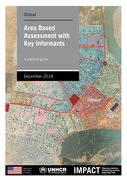
Much remains unknown about displaced communities in out-of-camp areas as identification constraints hinder knowledge on the overall situation and preeminent needs of an area. When compared to regularly monitored in-camp populations, less is known about the health, sanitation, livelihoods, food secur
...
ity, nutritional status, protection situation, and school attainment of out-of-camp populations.
more

mhGAP is based on evidence-based technical guidelines (4) and provides a set of tools and
training packages to extend service provision. The mhGAP Intervention Guide (mhGAP-IG)
for MNS disorders in non-specialized health settings (8) is a clinical decision-making tool
for assessing and managing p
...
riority MNS conditions (depression, psychoses, epilepsy, child
and adolescent mental and behavioural disorders, dementia, disorders due to substance
use, self-harm and suicide).
more
This paper is an initial compilation of the promising practices on risk communication and community engagement that have developed in Europe during the COVID pandemic, in complementarity to the UNHCR’s Practical Recommendations and Good Practice to Address
...
Protection Concerns in the Context of the COVID-19 Pandemic.It seeks to document and share such practices, but also to inspire new initiatives, foster exchange, and further develop a community of practice within the region.
more
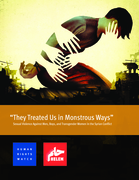
“They Treated Us in Monstrous Ways”.
Since the Syrian conflict began in March 2011, men and boys and transgender women have been subjected to rape and other forms of sexual violence by the Syrian government and non-state armed groups, including the extremist armed
...
group Islamic State (also known as ISIS). Heterosexual men and boys are vulnerable to sexual violence in Syria, but men who are gay or bisexual—or perceived to be—and transgender women are particularly at risk.
more

Updated version – September 2020
The COVID-19 pandemic is affecting everyone. Globally, millions of people have been infected with the virus, while hundreds of thousands have lost their lives. In Moldova, the pandemic is placing an ever-increasing pressure on the health care and social
...
protection systems, causing major disruptions to economic processes and limitations to social life, deepening inequalities and proving how vulnerable we are.
more
3 February 2021
Vaccine- and vaccination-related crises require a communication response that is different from the communication strategies used to promote the benefits and importance of vaccines in general. This document presents the technical guidance needed to develop a communication plan that
...
is appropriate for managing crises related to vaccine safety. This guidance will be useful for managers in the areas of immunization and vaccine and vaccination safety. They will also help preparedness and response teams working in safety crises to optimize their communication plans in order to regain, maintain, or strengthen trust in vaccines, vaccination, and immunization programs in general.
more
2 March 2021
Protracted displacement, socio-economic crises aggravated by the COVID-19 pandemic, dire humanitarian needs and protection threats continue to affect the Palestine refugees in Syria, Lebanon and Jordan.
In Syria, the protracted confli
...
ct has left 91 per cent of the 438,000 Palestine refugees1 estimated to remain in the country in absolute poverty2 and 40 per cent displaced.
more

The humanitarian situation in the Central African Republic (CAR) has further worsened over the past six months. Election-related violence that broke out in mid-December 2020 has had a devastating effect on civilians. Thousands of people have been forced to flee, human rights violations have surged,
...
hundreds of schools and dozens of hospitals have been forcibly closed and food prices have skyrocketed. This deterioration occurred in an already alarming context, with more than half of the population (2.8 million people) in need of humanitarian assistance and protection and 1.9 million people in acute need. In the past five years, there have never been as many people in humanitarian distress in CAR as today.
more

- Module 1: Understanding modelling approaches for sexual, reproductive, maternal, newborn, child and adolescent health, and nutrition
Coronavirus disease 2019 (COVID-19) has a wide range of documented effects. It directly causes death and disabili
...
ty for some people infected. However, disruption to essential health services, resources allocated to mitigation and therefore away from essential health service delivery, and the overall impact on the economy and society must also be considered within the response to COVID-19. Understanding the magnitude of all of these effects is an essential part of developing mitigation polices.
Several epidemiological models have been created to assess the potential impact of disruptions to essential health services caused by COVID-19 on morbidity and mortality from conditions other than COVID-19 illness. This guide presents models that have been used to assess these indirect impacts. The effects have been studied in various settings, using a variety of models.
The guide is intended for people who need to understand what the models say, their construction and their underlying assumptions, or need to use models and their outcomes for planning and programme development and to support policy decisions for a country or region.
more
The early prevention project “Strong together!” supports refugee parents and their young children (0–4 years) in Berlin, Germany. It aims to mitigate the transmission of trauma to the generation born in exile. For refugee families who have only recently arrived in Germany, the COVID‐19 pande
...
mic poses a particularly great challenge. Not only are they confronted with numerous challenges in respect to rebuilding their lives in Germany after fleeing war and persecution, but are also vulnerable to conscious and unconscious anxieties, fantasies, and conflicts evoked by the pandemic and the threat it poses to their lives. This was observed in the context of the mother–child groups of “Strong together!”
more

This recommendation is an update of one of the 49 recommendations that were published in the WHO recommendations on antenatal care for a positive pregnancy experience. The recommendation was developed initially using the standardized operating procedures described in the WHO handbook for guideline d
...
evelopment.
In summary, the process included: (i) identification of priority question and outcomes; (ii) retrieval of evidence; (iii) assessment and synthesis of the evidence; (iv) formulation of recommendation; and (v) planning for the implementation, dissemination, impact evaluation and updating of the recommendation. This recommendation was identified by the Executive Guideline Steering Group (GSG) as a high priority for updating in response to new evidence on this question.
more

Peru − Progress in health and sciences in 200 years of independence
Carrillo-Larco; R.M.; Guzman-Vilca, W. C.; Leon-Velarde, F.; et al.
The Lancet Regional Health - Americas
(2021)
CC
Peru celebrates 200 years of independence in 2021. Over this period of independent life, and despite the turbulent socio-political scenarios, from internal armed conflict to economic crisis to political instability over the last 40 years, Peru has experienced major changes on its epidemiological and
...
population health profile. Major advancements in maternal and child health as well as in communicable diseases have been achieved in recent decades, and today
Peru faces an increasing burden of non-communicable diseases including mental health conditions. In terms of the configuration of the public health system, Peru has also strived to secure country-wide optimal health care, struggling in particular to improve primary health care and intercultural services.
more

These guidelines have been compiled for education ministries or other educational leaders (including development partners, non-governmental or private organizations working with schools or directly with caregivers) who want to adapt and adopt resour
...
ces to support the marginalized caregivers of children with disabilities.
The guidance presented in this document was developed by a team of international and national experts following a proof-of-concept pilot4 of the resources in two countries. The work was carried out between February 2021 and January 2022. The pilots demonstrated that principles and activities described in the resources could be carried out, in practical terms, in line with existing government programmes supporting the implementation of disability-inclusive education.
more

Health financing for the COVID-19 response: Process guide for national budgetary dialogue. ACT-A Health Systems Connector
World Health Organization (WHO), World Bank, Global Financing Facility (GFF) et al.
World Health Organization (WHO)
(2021)
CC
Annual and medium-term budget preparation processes are the platforms through which specific plans are transformed into actual resource allocation decisions. The aim of this Process Guide is to support key stakeholders involved in these processes (such as the Cabinet, Ministries of Finance and Healt
...
h, the Parliament, citizens, media, and civil society organizations) to reorient budgetary arrangements in order to facilitate the ability of national governments to respond to the COVID-19 pandemic by delivering, therapeutics, diagnostics, and vaccine services to their populations. Reorienting budgetary arrangements positions governments to sustain the capacity to mitigate and respond to COVID-19 while concurrently delivering other essential health services and working towards Universal Health Coverage (UHC). The reorientation process is an opportunity to better align budgetary arrangements to sustain systemic capacity to prevent emerging health threats over the short, medium, and long terms.
more
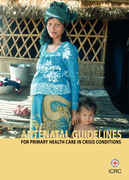
These guidelines are designed for ICRC and other health professionals – nurses, midwifes, doctors – who either lack experience in antenatal care or are not used to working in countries where medical infrastructure is underdeveloped or non-existe
...
nt
more
Combination file of all the documents related to the national guidelines for accreditation, supervision and regulation of ART clinics in India. Documents included:
National Guidelines for Accreditation, Supervision & Regulation of ART Clinics in India | Preliminary Pages | Corrigendum | Chapter 1
...
- Introduction, Brief history of ART and Requirement of ART Clinics | Chapter 2 - Screening of Patients for ART - Selection Criteria and Possible Complications | Chapter 3 - Code of Practice, Ethical Considerations and Legal Issues | Chapter 4 - Sample Consent Forms | Chapter 5 - Training | Chapter 6 - Future Research Prospects | Chapter 7 - Providing ART Services to the Economically Weaker Sections of the Society | Chapter 8 - Establishing a National Database for Human Infertility | Chapter 9 - Composition of the National Accreditation Committee | Bibliography
| Members of the Expert Group for Formulating the National Guidelines for Accredation, Supervision and Regulation of ART Clinics
more
Experience from Save the Children and partners globally
demonstrates that improvements in education quality go hand-in-hand
with inclusion and access, Flexible, quality, responsive learning
environments will benefit all children and are fundamental to including
marginalised groups like disabled
...
children in education.
These guidelines are primarily aimed at education staff trying to
develop inclusive education practices, focussing on including disabled
children in schools.While this book focuses on disabled children, we
hope it will be useful for developing general inclusive education
practices. Community groups and non-governmental organisations, as
well as people working in community-based rehabilitation(CBR) and
the wider disability context, could also use these guidelines to provide
input into inclusive education work.
While the guidelines focus primarily on schools, much of the
information is still relevant to readers working in out-of-school
situations.
more
Latent Tuberculosis Infection : Updated and consolidated guidelines for programmatic management
recommended
The consolidated guidelines are expected to provide the basis and rationale for the development of national guidelines for LTBI management, adapted to the national and local epidemiology of TB, the availability of resources, the health infrastructure and other national and local determinants. The gu
...
idelines are to be used primarily in national TB and HIV control programmes, or their equivalents in ministries of health, and for other policy-makers working on TB and HIV and infectious diseases. They are also appropriate for officials in other line ministries with work in the areas of health.
more
