
Filter
5320
Text search:
testing
services
Featured
559
1422
Language
5102
150
89
81
39
28
21
13
8
6
6
4
4
4
4
4
3
3
3
3
3
3
2
2
2
2
2
2
2
2
2
2
1
1
1
1
1
1
1
1
1
1
1
1
1
1
1
1
1
1
1
1
1
1
Document type
2673
871
834
351
253
124
117
54
12
10
6
5
1
1
Countries
287
205
183
142
117
116
112
110
109
106
99
98
97
95
81
73
71
64
61
60
54
51
49
49
48
44
41
37
37
36
35
33
32
29
29
26
25
24
23
23
23
22
21
19
18
18
16
16
15
13
13
12
12
12
11
10
10
9
9
9
9
8
8
8
7
7
7
7
6
6
6
5
5
5
4
4
4
4
4
4
4
4
4
3
3
3
3
3
3
3
3
3
3
3
3
3
3
3
3
3
3
2
2
2
2
2
2
2
2
2
2
2
2
2
2
2
2
2
2
2
2
1
1
1
1
1
1
1
1
1
1
1
1
1
1
1
1
1
1
1
1
1
1
1
1
Authors & Publishers
842
234
164
130
120
100
91
83
81
50
46
39
37
31
30
29
29
28
28
26
25
24
24
23
23
22
21
21
21
21
20
20
20
19
18
18
17
17
17
16
16
16
16
15
15
15
15
15
14
14
13
13
13
13
13
13
13
13
13
13
12
12
12
11
11
11
11
11
11
10
10
10
10
10
10
10
10
10
10
10
10
9
9
9
9
9
9
8
8
8
8
8
8
8
8
8
8
8
8
8
8
7
7
7
7
7
7
7
7
7
7
7
7
7
7
7
7
7
6
6
6
6
6
6
6
6
6
6
6
6
6
6
6
6
6
6
6
6
6
6
6
6
6
6
6
6
5
5
5
5
5
5
5
5
5
5
5
5
5
5
5
5
5
5
5
5
5
5
5
5
5
5
5
5
5
5
4
4
4
4
4
4
4
4
4
4
4
4
4
4
4
4
4
4
4
4
4
4
4
4
4
4
4
4
4
4
4
4
4
4
4
4
4
4
4
4
4
4
4
4
4
4
4
4
4
4
4
3
3
3
3
3
3
3
3
3
3
3
3
3
3
3
3
3
3
3
3
3
3
3
3
3
3
3
3
3
3
3
3
3
3
3
3
3
3
3
3
3
3
3
3
3
3
3
3
3
3
3
3
3
3
3
3
3
3
3
3
3
3
3
3
3
3
3
3
3
3
3
3
3
3
3
3
3
3
3
3
3
3
3
3
3
3
3
3
3
3
3
3
3
3
3
3
3
3
3
3
3
3
3
3
3
2
2
2
2
2
2
2
2
2
2
2
2
2
2
2
2
2
2
2
2
2
2
2
2
2
2
2
2
2
2
2
2
2
2
2
2
2
2
2
2
2
2
2
2
2
2
2
2
2
2
2
2
2
2
2
2
2
2
2
2
2
2
2
2
2
2
2
2
2
2
2
2
2
2
2
2
2
2
2
2
2
2
2
2
2
2
2
2
2
2
2
2
2
2
2
2
2
2
2
2
2
2
2
2
2
2
2
2
2
2
2
2
2
2
2
2
2
2
2
2
2
2
2
2
2
2
2
2
2
2
2
2
2
2
2
2
2
2
2
2
2
2
2
2
2
2
2
2
2
2
2
2
2
2
2
2
2
2
2
2
2
2
2
2
2
2
2
2
2
2
2
2
2
2
2
2
2
2
2
2
2
2
2
2
2
2
2
2
2
2
2
2
2
2
2
2
2
2
2
2
2
2
2
2
2
2
2
2
2
2
2
2
2
2
2
2
2
2
2
2
2
2
2
2
2
2
2
2
2
2
2
2
2
2
2
2
2
2
2
2
2
2
2
2
2
2
2
2
2
2
2
2
2
2
2
2
2
2
2
2
2
2
2
2
2
2
2
2
2
1
1
1
1
1
1
1
1
1
1
1
1
1
1
1
1
1
1
1
1
1
1
1
1
1
1
1
1
1
1
1
1
1
1
1
1
1
1
1
1
1
1
1
1
1
1
1
1
1
1
1
1
1
1
1
1
1
1
1
1
1
1
1
1
1
1
1
1
1
1
1
1
1
1
1
1
1
1
1
1
1
1
1
1
1
1
1
1
1
1
1
1
1
1
1
1
1
1
1
1
1
1
1
1
1
1
1
1
1
1
1
1
1
1
1
1
1
1
1
1
1
1
1
1
1
1
1
1
1
1
1
1
1
1
1
1
1
1
1
1
1
1
1
1
1
1
1
1
1
1
1
1
1
1
1
1
1
1
1
1
1
1
1
1
1
1
1
1
1
1
1
1
1
1
1
1
1
1
1
1
1
1
1
1
1
1
1
1
1
1
1
1
1
1
1
1
1
1
1
1
1
1
1
1
1
1
1
1
1
1
1
1
1
1
1
1
1
1
1
1
1
1
1
1
1
1
1
1
1
1
1
1
1
1
1
1
1
1
1
1
1
1
1
1
1
1
1
1
1
1
1
1
1
1
1
1
1
1
1
1
1
1
1
1
1
1
1
1
1
1
1
1
1
1
1
1
1
1
1
1
1
1
1
1
1
1
1
1
1
1
1
1
1
1
1
1
1
1
1
1
1
1
1
1
1
1
1
1
1
1
1
1
1
1
1
1
1
1
1
1
1
1
1
1
1
1
1
1
1
1
1
1
1
1
1
1
1
1
1
1
1
1
1
1
1
1
1
1
1
1
1
1
1
1
1
1
1
1
1
1
1
1
1
1
1
1
1
1
1
1
1
1
1
1
1
1
1
1
1
1
1
1
1
1
1
1
1
1
1
1
1
1
1
1
1
1
1
1
1
1
1
1
1
1
1
1
1
1
1
1
1
1
1
1
1
1
1
1
1
1
1
1
1
1
1
1
1
1
1
1
1
1
1
1
1
1
1
1
1
1
1
1
1
1
1
1
1
1
1
1
1
1
1
1
1
1
1
1
1
1
1
1
1
1
1
1
1
1
1
1
1
1
1
1
1
1
1
1
1
1
1
1
1
1
1
1
1
1
1
1
1
1
1
1
1
1
1
1
1
1
1
1
1
1
1
1
1
1
1
1
1
1
1
1
1
1
1
1
1
1
1
1
1
1
1
1
1
1
1
1
1
1
1
1
1
1
1
1
1
1
1
1
1
1
1
1
1
1
1
1
1
1
1
1
1
1
1
1
1
1
1
1
1
1
1
1
1
1
1
1
1
1
1
1
1
1
1
1
1
1
1
1
1
1
1
1
1
1
1
1
1
1
1
1
1
1
1
1
1
1
1
1
1
1
1
1
1
1
1
1
1
1
1
1
1
1
1
1
1
1
1
1
1
1
1
1
1
1
1
1
1
1
1
1
1
1
1
1
1
1
1
1
1
1
1
1
1
1
1
1
1
1
1
1
1
1
1
1
1
1
1
1
1
1
1
1
1
1
1
1
1
1
1
1
1
1
1
1
1
1
1
1
1
1
1
1
1
1
1
1
1
1
1
1
1
1
1
1
1
1
1
1
1
1
1
1
1
1
1
1
1
1
1
1
1
1
1
1
1
1
1
1
1
1
1
1
1
1
1
1
1
1
1
1
1
1
1
1
1
1
1
1
1
1
1
1
1
1
1
1
1
1
1
1
1
1
1
1
1
1
1
1
1
1
1
1
1
1
1
1
1
1
1
1
1
1
1
1
1
1
1
1
1
1
1
1
1
1
1
1
1
1
1
1
1
1
1
1
1
1
1
1
1
1
1
1
1
1
1
1
1
1
1
1
1
1
1
1
1
1
1
1
1
1
1
1
1
1
1
1
1
1
1
1
1
1
1
1
1
1
1
1
1
1
1
1
1
1
1
1
1
1
1
1
1
1
1
1
1
1
1
1
1
1
1
1
1
1
1
1
1
1
1
1
1
1
1
1
1
1
1
1
1
1
1
1
1
1
1
1
1
1
1
1
1
1
1
1
1
1
1
1
1
1
1
1
1
1
1
1
1
1
1
1
1
1
1
1
1
1
1
1
1
1
1
1
1
1
1
1
1
1
1
1
1
1
1
1
1
1
1
1
1
1
1
1
1
1
1
1
1
1
1
1
1
1
1
1
1
1
1
1
1
1
1
1
1
1
1
1
1
1
1
1
1
1
1
1
1
1
1
1
1
1
1
1
1
1
1
1
1
1
1
1
1
1
1
1
1
1
1
1
1
1
1
1
1
1
1
1
1
1
1
1
1
1
1
1
1
1
1
1
1
1
1
1
1
1
1
1
1
1
1
1
1
1
1
1
1
1
1
1
1
1
1
1
1
1
1
1
1
1
1
1
1
1
1
1
1
1
1
1
1
1
1
1
1
1
1
1
1
1
1
1
1
1
1
1
1
1
1
1
1
1
1
1
1
1
1
1
1
1
1
1
1
1
1
1
1
1
1
1
1
1
1
1
1
1
1
1
1
1
1
1
1
1
1
1
1
1
1
1
1
1
1
1
1
1
1
1
1
1
1
1
1
1
1
1
1
1
1
1
1
1
1
1
1
1
1
1
1
1
1
1
1
1
1
1
1
1
1
1
1
1
1
1
1
1
1
1
1
1
1
1
1
1
1
1
1
1
1
1
1
1
1
1
1
1
1
1
1
1
1
1
1
1
1
1
1
1
1
1
1
1
1
1
1
1
1
1
1
1
1
1
1
1
1
1
1
1
1
1
1
1
1
1
1
1
1
1
1
1
1
1
1
1
1
1
1
1
1
1
1
1
1
1
1
1
1
1
1
1
1
1
1
1
1
1
1
1
1
1
1
1
1
1
1
1
1
1
1
1
1
1
1
1
1
1
1
1
1
1
1
1
1
1
1
1
1
1
1
1
1
1
1
1
1
1
1
1
1
1
1
1
1
1
1
1
1
1
1
1
1
1
1
1
1
1
1
1
1
1
1
1
1
1
1
1
1
1
1
1
1
1
1
1
1
1
1
1
1
1
1
1
1
1
1
1
1
1
1
1
1
1
1
1
1
1
1
1
1
1
1
1
1
1
1
1
1
1
1
1
1
1
1
1
1
1
1
1
1
1
1
1
1
1
1
1
1
1
1
1
1
1
1
1
1
1
1
1
1
1
1
1
1
1
1
1
1
1
1
1
1
1
1
1
1
1
1
1
1
1
1
1
1
1
1
1
1
1
1
1
1
1
1
1
1
1
1
1
1
1
1
1
1
1
1
1
1
1
1
1
1
1
1
1
1
1
1
1
1
1
1
1
1
1
1
1
1
1
1
1
1
1
1
1
1
1
1
1
1
1
1
1
1
1
1
1
1
1
1
1
1
1
1
1
1
1
1
1
1
1
1
1
1
1
1
1
1
1
1
1
1
1
1
1
1
1
1
1
1
1
1
1
1
1
1
1
1
1
1
1
1
1
1
1
1
1
1
1
1
1
1
1
1
1
1
1
1
1
1
1
1
1
1
1
1
1
1
1
1
1
1
1
1
1
1
1
1
1
1
1
1
1
1
1
1
1
1
1
1
1
1
1
1
1
1
1
1
1
1
1
1
1
1
1
1
1
1
1
1
1
1
1
1
1
1
1
1
1
1
1
1
1
1
1
1
1
1
1
1
1
1
1
1
1
1
1
1
1
1
1
1
1
1
1
1
1
1
1
1
1
1
1
1
1
1
1
1
1
1
1
1
1
1
1
1
1
1
1
1
1
1
1
1
1
1
1
1
1
1
1
1
1
1
1
1
1
1
1
1
1
1
1
1
1
1
1
1
1
1
1
1
1
1
1
1
1
1
1
1
1
1
1
1
1
1
1
1
1
1
1
1
1
1
1
1
1
1
1
1
1
1
1
1
1
1
1
1
1
1
1
1
1
1
1
1
1
1
1
1
1
1
1
1
1
1
1
1
1
1
1
1
1
1
1
1
1
1
1
1
1
1
1
1
1
1
1
1
1
1
1
1
1
1
1
1
1
1
1
1
1
1
1
1
1
1
1
1
1
1
1
1
1
1
1
1
1
1
1
1
1
1
1
1
1
1
1
1
1
1
1
1
1
1
1
1
1
1
1
1
1
1
1
1
1
1
1
1
1
1
1
1
1
1
1
1
1
1
1
1
1
1
1
1
1
1
1
1
1
1
1
1
1
1
1
1
1
1
1
1
1
1
1
1
1
1
1
1
1
1
1
1
1
1
1
1
1
1
1
1
1
1
1
1
1
1
1
1
1
1
1
1
1
1
1
1
1
1
1
1
1
1
1
1
1
1
1
1
1
1
1
1
1
1
1
1
1
1
1
1
1
1
1
1
1
1
1
1
1
1
1
1
1
1
1
1
1
1
1
1
1
1
1
1
1
1
1
1
1
1
1
1
1
1
1
1
1
1
1
1
1
1
1
1
1
1
1
1
1
1
1
1
1
1
1
1
1
1
1
1
1
1
1
1
1
1
1
1
1
1
1
1
1
1
1
1
1
1
1
1
1
1
1
1
1
1
1
1
1
1
1
1
1
1
1
1
1
1
1
1
1
1
1
1
1
1
1
1
1
1
1
1
1
1
1
1
1
1
1
1
1
1
1
1
1
1
1
1
1
1
1
1
1
1
1
1
1
1
1
1
1
1
1
1
1
1
1
1
1
1
1
1
1
1
1
1
1
1
1
1
1
1
1
1
1
1
1
1
1
1
1
1
1
1
1
1
1
1
1
1
1
1
1
1
1
1
1
1
1
1
1
1
1
1
1
1
1
1
1
1
1
1
1
1
1
1
1
1
1
1
1
1
1
1
1
1
1
1
1
1
1
1
1
1
1
1
1
1
1
1
1
1
1
1
1
1
1
1
1
1
1
1
1
1
1
1
1
1
1
1
1
1
1
1
1
1
1
1
1
1
1
1
1
1
1
1
1
1
1
1
1
1
1
1
1
1
1
1
1
1
1
1
1
1
1
1
1
1
1
1
1
1
1
1
1
1
1
1
1
1
1
1
1
1
1
1
1
1
1
1
1
1
1
1
1
1
1
1
1
1
1
1
1
1
1
1
1
1
1
1
1
1
1
1
1
1
1
1
1
1
1
1
1
1
1
1
1
1
1
1
1
1
1
1
1
1
1
1
1
1
1
1
1
1
1
1
1
1
1
1
1
1
1
1
1
1
1
1
1
1
1
1
1
1
1
1
1
1
1
1
1
1
1
1
1
1
1
1
1
1
1
1
1
1
1
1
1
1
1
1
1
1
1
1
1
1
1
1
1
1
1
1
1
1
1
1
1
1
1
1
1
1
1
1
1
1
1
1
1
1
1
1
1
1
1
1
1
1
1
1
1
1
1
1
1
1
1
1
1
1
1
1
1
1
1
1
1
1
1
1
1
1
1
1
1
1
1
1
1
1
1
1
1
1
1
1
1
1
1
1
1
1
1
1
1
1
1
1
1
1
1
1
1
1
1
1
1
1
1
1
1
1
1
1
1
1
1
1
1
1
1
1
1
1
1
1
1
1
1
1
1
1
1
1
1
1
1
1
1
1
1
1
1
1
1
1
1
1
1
1
1
1
1
1
1
1
1
1
1
1
1
1
1
1
1
1
1
1
1
1
1
1
1
1
1
1
1
1
1
1
1
1
1
1
1
1
1
1
1
1
1
1
1
1
1
1
1
1
1
1
1
1
1
1
1
1
1
1
1
1
1
1
1
1
1
1
1
1
1
1
1
1
1
1
1
1
1
1
1
1
1
1
1
1
1
1
1
1
1
1
1
1
1
1
1
1
1
1
1
1
1
1
1
1
1
1
1
1
1
1
1
1
1
1
1
1
1
1
1
1
1
1
1
1
1
1
1
1
1
1
1
1
1
1
1
1
1
1
1
1
1
1
1
1
1
1
1
1
1
1
1
1
1
1
1
1
1
1
1
1
1
1
1
1
1
1
1
1
1
1
1
1
1
1
1
1
1
1
1
1
1
1
1
1
1
1
1
1
1
1
1
1
1
1
1
1
1
1
1
1
1
1
1
1
1
1
1
1
1
1
1
1
1
1
1
1
1
1
1
1
1
1
1
1
1
1
1
1
1
1
1
1
1
1
1
1
1
1
1
1
1
1
1
1
1
1
1
1
1
1
1
1
1
1
1
1
1
1
1
1
1
1
1
1
1
1
1
1
1
1
1
1
1
1
1
1
1
1
1
1
1
1
1
1
1
1
1
1
1
1
1
1
1
1
1
1
1
1
1
1
1
1
1
1
1
1
1
1
1
1
1
1
1
1
1
1
1
1
1
1
1
1
1
1
1
1
1
1
1
1
1
1
1
1
1
1
1
1
1
1
1
1
1
1
1
1
1
1
1
1
1
1
1
1
1
1
1
1
1
1
1
1
1
1
1
1
1
1
1
1
1
1
1
1
1
1
1
1
1
1
1
1
1
1
1
1
1
1
1
1
1
1
1
1
1
1
1
1
1
1
1
1
1
1
1
1
1
1
1
1
1
1
1
1
1
1
1
1
1
1
1
1
1
1
1
1
1
1
1
1
1
1
1
1
1
1
1
1
1
1
1
1
1
1
1
1
1
1
1
1
1
1
1
1
1
1
1
1
1
1
1
1
1
1
1
1
1
1
1
1
1
1
1
1
1
1
1
1
1
1
1
1
1
1
1
1
1
1
1
1
1
1
1
1
1
1
1
1
1
1
1
1
1
1
1
1
1
1
1
1
1
1
1
1
1
1
1
1
1
1
1
1
1
1
1
1
1
1
1
1
1
1
1
1
1
1
1
1
1
1
1
1
1
1
1
1
1
1
1
1
1
1
1
1
1
1
1
1
1
1
1
1
1
1
1
1
1
1
1
1
1
1
1
1
1
1
1
1
1
1
1
1
1
1
1
1
1
1
1
1
1
1
1
1
1
1
1
1
1
1
1
1
1
1
1
1
1
1
1
1
1
1
1
1
1
1
1
1
1
1
1
1
1
1
1
1
1
1
1
1
Publication Years
1808
3056
433
23
Category
2216
412
271
262
256
146
86
1
Toolboxes
569
426
337
255
179
147
145
143
143
111
107
103
99
94
87
86
83
52
48
45
42
38
27
27
9
1
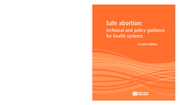
2nd edition. This new edition provides policy-makers, programme managers and health-service providers with the latest evidence-based guidance on clinical care. It includes information on how to establish and strengthen services, and outlines a human
...
-rights-based approach to laws and policies on safe, comprehensive abortion care. This guidelines is available in English; French, Spanish; Japanese; Russian; Portuguese; Romanian and Ukrainian
more

Facilitator's Guide. This guide is designed to assist facilitators in training community health workers (CHWs) and community volunteers (CVs) in integrating community-based TB services into their work. The training will help community workers who al
...
ready provide numerous services to understand TB and contribute to prevention, care and support services in their communities
more
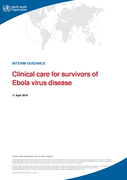
Interim Guidance.
A number of medical problems have been reported in survivors, including mental health issues. Ebola virus may persist in some body fluids, including semen. Ebola survivors need comprehensive support for the medical and psychosocial challenges they face and also to minimize the ... risk of continued Ebola virus transmission. WHO has developed this document to guide health services on how to provide quality care to survivors of Ebola virus disease more
A number of medical problems have been reported in survivors, including mental health issues. Ebola virus may persist in some body fluids, including semen. Ebola survivors need comprehensive support for the medical and psychosocial challenges they face and also to minimize the ... risk of continued Ebola virus transmission. WHO has developed this document to guide health services on how to provide quality care to survivors of Ebola virus disease more
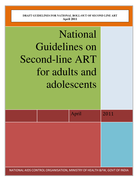
This resource consists of technical guidelines for District Medical Officers, counselors and laboratory technicians for second-line antiretroviral therapy drugs, operational guidelines for pilot roll-out in two centres and laboratory guidelines for viral-load
...
testing and standard operating procedures.
more
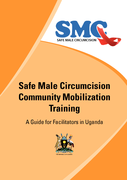
The "Safe Male Circumcision Community Mobilization Training: A Guide for Facilitators in Uganda" is
a training manual designed to equip community mobilizers with the skills to promote safe male circumcision (SMC). The guide helps them educate communities on the benefits of SMC, the procedure, and p
...
ost-circumcision care. It provides facilitators with the necessary information and tools to plan and conduct mobilization activities effectively to increase uptake of SMC services
more
The Government of Botswana’s SRH Policy Guidelines and Service Standards document provides the framework for developing a responsive strategy and an implementation plan for SRHR and HIV&AIDS Linkages and Integration. The global call on governments to demonstrate commitments to intensify linkages b
...
etween sexual and reproductive health and HIV&AIDS at the policy and programme level is therefore an added opportunity for the government to review the current service provision model and optimize current resources to provide more integrated, comprehensive coordinated SRHR and HIV&AIDS services.
more
The Interim Guidance on Cholera Rapid Diagnostic Tests (RDTs) by the Global Task Force on Cholera Control (GTFCC) provides recommendations for using RDTs to detect cholera in areas with limited laboratory capacity. It highlights the advantages of RDTs, such as rapid detection (within 30 minutes), ea
...
se of use by non-laboratory personnel, and their role in early outbreak identification and surveillance. However, it emphasizes that RDTs should not replace culture or PCR testing, as they vary in sensitivity (58-100%) and specificity (60-100%). The document advises on proper test selection, storage, training, and integration into national surveillance systems to enhance cholera response efforts.
more
This summary highlights the experiences, results and actions from the implementation of the Rapid Assessment Tool for Sexual and Reproductive Health and HIV Linkages in Botswana. The tool – developed by IPPF, UNFPA, WHO, UNAIDS, GNP+, ICW and Young Positives in 2009 – supports national assessmen
...
ts of the bi-directional linkages between sexual and reproductive health (SRH) and HIV at the policy, systems and services levels. Each country that has rolled out the tool has gathered and generated information that will help to determine priorities and shape national plans and frameworks for scaling up and intensifying linkages. Country experiences and best practices will also inform regional and global agendas.
more
The guidelines presented in this document are designed to provide a useful resource for healthcare professionals involved in clinical case management. They were developed taking into consideration services provided at different levels within the hea
...
lth system and resources available. These guidelines are intended to standardize care at both tertiary and secondary levels of service delivery across different socio economic stratifications of our society.
more
In 2014, the Ministry of Health (MOH) in Malawi conducted a nationwide assessment of emergency obstetric and newborn care (EmONC) services. This cross-sectional facility-based survey used 10 data collection modules. Data collection began on 23rd Sep
...
tember 2014 and concluded on 17th October 2014, in all 28 districts. Facilities in both the public and private sector (for-profit and not-for-profit) were included. Since the focus of the assessment was obstetric and newborn care, health facilities that did not offer maternal and newborn health (MNH) services were not selected. In all districts, a census of all hospitals and a 60 percent random sample of health centres that ought to have performed deliveries in the previous year yielded a total of 365 facilities: 87 hospitals and 278 health centres. All these facilities were visited during the assessment. During analysis, weighting procedures were applied to extrapolate results to the district and national level, representing all 87 hospitals and 464 health centres. Such weighting was necessary as a stratified random sample of health centres was taken and weighting applied to all indicators and presentations that have health facility as a unit of measurement. Case reviews and provider’s interviews, on the other hand, are not weighted as their sampling strategy is based on convenience.
more
The Monitoring Report, which covers the first two months of the response from 25 August to 31 October, highlights the work of the Government of Bangladesh, in cooperation with humanitarian partners who are working to provide relief services for the
...
refugee population and Bangladeshi host communities. Of the 1.2 million people in need, around half have been reached with assistance. The Report also explains the challenges and gaps that remain. The risk of disease outbreak is high, and the impact of a cyclone or heavy rain would be massive. There is not enough land to provide adequate living conditions for the more than 830,000 refugees that now crowd Cox’s Bazar.
more

Review of International, Regional and National Policies and Legal Frameworks that Promote Migrants and Mobile Populations' Access to Health and Malaria Services in the Greater Mekong Subregion (Cambodia, Lao People's Democratic Republic, Myanmar, Th
...
ailand and Viet Nam)
Migrants and mobile populations face many obstacles in accessing equitable essential health care services due to factors such as living and working conditions, education level, gender, irregular migration status, language and cultural barriers, anti-migrant sentiments, and lack of migrant-inclusive health policies among others. Despite significant progress having been made in the context of malaria control in the Greater Mekong Subregion (GMS), human movements can impact malaria transmission patterns and potentially introduce drug-resistant parasites. This legal framework review therefore serves as a guidance document on approaches to address malaria and malaria elimination for migrant and mobile populations (MMPs) in five countries of the GMS. more
Migrants and mobile populations face many obstacles in accessing equitable essential health care services due to factors such as living and working conditions, education level, gender, irregular migration status, language and cultural barriers, anti-migrant sentiments, and lack of migrant-inclusive health policies among others. Despite significant progress having been made in the context of malaria control in the Greater Mekong Subregion (GMS), human movements can impact malaria transmission patterns and potentially introduce drug-resistant parasites. This legal framework review therefore serves as a guidance document on approaches to address malaria and malaria elimination for migrant and mobile populations (MMPs) in five countries of the GMS. more

Advances have been made through expanded interventions delivered through five public health approaches: innovative and intensified disease management; preventive chemotherapy; vector ecology and management; veterinary public health services; and the
...
provision of safe water, sanitation and hygiene. In 2015 alone nearly one billion people were treated for at least one disease and significant gains were achieved in relieving the symptoms and consequences of diseases for which effective tools are scarce; important reductions were achieved in the number of new cases of sleeping sickness, of visceral leishmaniasis in South-East Asia and also of Buruli ulcer.
The report also considers vector control strategies and discusses the importance of the draft WHO Global Vector Control Response 2017–2030. more
The report also considers vector control strategies and discusses the importance of the draft WHO Global Vector Control Response 2017–2030. more

Through public-private partnerships, the government of Rwanda can make more efficient use of public resources by targeting and meeting the needs of specific populations and thus help ensure family planning services and products will be available to
...
all Rwandans in the long term. This report aims to inform stakeholders working to strengthen family planning through multisectoral partnerships about Rwanda’s family market.
more

The objective of the evaluation is to understand whether the CHW program has achieved its intended objectives, thus contributing to the overarching objectives defined in the HSSP III of improving the health status of the population by “Ensuring universal accessibility of quality health
...
services for all Rwandans”.
This evaluation has focused on CHWs, who are selected, trained and deployed by the MoH to deliver a defined set of tasks at community level. CHWs are the central element of the Community Health Policy and of the community health strategy plan (CHSP) of the MoH.
more
This volume contains monographs prepared at the ninety-first meeting of the Joint FAO/WHO Expert Committee on Food Additives (JECFA), which met virtually online from 1 to 12 February 2021.
The detailed monographs in this volume summarize data on specific contaminants in food. Individual monographs
...
present the assessment of exposure to cadmium from all food sources, the technical, analytical, dietary exposure and toxicological data on ergot alkaloids, an assessment of five substances that may occur as previous cargoes, and a revision of the specifications for steviol glycosides. This volume and others in the WHO Food Additives series contain information that is useful to those who produce and use food additives and veterinary drugs and those involved with controlling contaminants in food, government and food regulatory officers, industrial testing laboratories, toxicological laboratories and universities.
more
Version 1.1 July 2016
The purpose of this document is to describe standard operating procedures for viral load monitoring, including the schedule for viral load testing when used for routine monitoring of children, adolescents and adults on ART ... ; interpretation of results; patient management; and specimen collection, preparation and transport. This template document to be adapted for use in various contexts and is one component of a viral load monitoring toolkit, to be used in conjunction with ICAP’s Viral Load Monitoring Flipchart and Enhanced Adherence Treatment Plan. more
The purpose of this document is to describe standard operating procedures for viral load monitoring, including the schedule for viral load testing when used for routine monitoring of children, adolescents and adults on ART ... ; interpretation of results; patient management; and specimen collection, preparation and transport. This template document to be adapted for use in various contexts and is one component of a viral load monitoring toolkit, to be used in conjunction with ICAP’s Viral Load Monitoring Flipchart and Enhanced Adherence Treatment Plan. more
The purpose of this Strategy is to set out the way to meet the needs of the rural populations for improved domestic water supply services, access to and use of improved sanitation with elimination of open defecation, and improved hygiene behaviour b
...
y the Year 2030. It also addresses water, sanitation and hygiene in schools up to high school level and health facilities up to township hospital level. The Strategy is supported by Investment Plans covering a financing period 2015 to 2030 in order to ensure sufficient funding for development and operation of services in accordance with the Strategy.
more
more

The National Strategic Plan is based on the following guiding principles:
1) Life-course approach: adolescence is a key decade in the course of life that influences the health outcomes later in life.
2) Comprehensive approach: It recognizes the cross cutting health and development needs o ... f young people such as intentional and unintentional injuries and violence, SRH, HIV/AIDS, mental health, substance use, violence, substance use and substance use disorders, infectious diseases and common conditions.
3) Equity and rights-based approach: focusing on equitable access to services to all adolescents including vulnerable groups and the recognizing the need to move from aspirations to obligations in fulflling young people rights for the highest attainable standard of health.
4) Multisectoral approach: recognizing cognizant of the fact that holistic development of young people requires multisectoral approach involving education, social welfare. more
1) Life-course approach: adolescence is a key decade in the course of life that influences the health outcomes later in life.
2) Comprehensive approach: It recognizes the cross cutting health and development needs o ... f young people such as intentional and unintentional injuries and violence, SRH, HIV/AIDS, mental health, substance use, violence, substance use and substance use disorders, infectious diseases and common conditions.
3) Equity and rights-based approach: focusing on equitable access to services to all adolescents including vulnerable groups and the recognizing the need to move from aspirations to obligations in fulflling young people rights for the highest attainable standard of health.
4) Multisectoral approach: recognizing cognizant of the fact that holistic development of young people requires multisectoral approach involving education, social welfare. more

A National Service Programme for All Children with Special Needs and their Families
In Myanmar, we estimate that at least 40% of children require ECI services for short to longer periods of time. At present, 35.1% of Myanmar children are moderate ... ly to severely stunted; all of these children are likely to have one or more developmental delays. In addition, at least 5% to 12% of the nation’s children will be identified to have disabilities, chronic diseases or atypical behaviours.
Over time, approximately 70% of the children who will be served will improve in their development, attain expected levels of development for their age, and will consolidate their gains within one to two years. Other children, approximately 30%, will have lifelong disabilities or other conditions, and ECI services usually greatly improve their development and help them to achieve their full potential. more
In Myanmar, we estimate that at least 40% of children require ECI services for short to longer periods of time. At present, 35.1% of Myanmar children are moderate ... ly to severely stunted; all of these children are likely to have one or more developmental delays. In addition, at least 5% to 12% of the nation’s children will be identified to have disabilities, chronic diseases or atypical behaviours.
Over time, approximately 70% of the children who will be served will improve in their development, attain expected levels of development for their age, and will consolidate their gains within one to two years. Other children, approximately 30%, will have lifelong disabilities or other conditions, and ECI services usually greatly improve their development and help them to achieve their full potential. more
