
Filter
1224
Text search:
maladies
transmissibles
Featured
83
161
Language
Document type
339
317
182
99
96
44
38
26
21
18
16
11
10
5
1
Countries
377
82
51
42
42
36
24
20
19
17
16
14
11
11
11
9
9
8
8
8
7
7
6
6
4
4
4
3
3
3
3
3
3
3
3
2
2
2
2
2
2
2
2
2
1
1
1
1
1
1
1
1
1
1
1
1
1
1
1
1
1
1
1
1
1
1
1
1
1
1
1
1
1
1
1
1
Authors & Publishers
Publication Years
Category
636
283
130
43
40
25
8
Toolboxes
546
58
41
32
26
24
22
19
17
16
16
11
11
10
9
9
8
7
6
5
4
4
3

The article provides a comprehensive overview of chronic obstructive pulmonary disease (COPD), covering its causes, symptoms, diagnostic methods, classification of severity, treatment options, and management strategies, with a focus on risk factors, clinical features, and therapeutic approaches such
...

PATS and ERS
Paediatric Webinar Series
Paediatric Respiratory Reserch: meet the experts

The Indian Chest Society is a professional organization dedicated to promoting knowledge, research, and education in the field of pulmonology and respiratory diseases to enhance the diagnosis, treatment, and prevention of such conditions.

These podcasts are produced for educational discussions only. Reference to any specific product, treatment, or entity does not constitute an endorsement. The views expressed by speakers are their own and do not necessarily reflect the view of GOLD in entirety.

Severe and difficult asthma in a low- and middle-income country (LMIC) can relate to lack of availability of basic medications; potentially reversible factors such as poor adherence or comorbidities such as obesity inhibiting a good response to treatment; and (rarely) true severe, therapy-resistant
...

In the European Union, over 20 million people suffer from asthma. During the 1990s there was a rapid decrease in asthma mortality, probably related to the increased use of inhaled corticosteroids (ICS). However, during the last decade, asthma mortality rates have plateaued, and a consistently high p
...
The2020 Focused Updates to the Asthma Management Guidelines: A Report from the National Asthma Education and Prevention Program Coordinating Committee Expert Panel Working Group was coordinated and supported by the National Heart, Lung, and Blood Institute (NHLBI) of the National Institutes of Healt
...

Asthma is the commonest chronic respiratory tract disease in children. In low-income countries, challenges exist in asthma diagnosis. In surveys done in children, the prevalence of ‘asthma’ defined by symptoms is high compared to ‘doctor diagnosed asthma’. The questions answered by this revi
...

Asthma has a significant impact on people of all ages, particularly children. A lack of universally accepted case definition and confirmatory tests and a poor understanding of major risks interfere with a global response. We aimed to provide global estimates of asthma prevalence and cases in 2019 ac
...

Asthma, hay fever and eczema are three common chronic conditions. There have been no recent multi-country data on the burden of these three conditions in adults; the aims of this study are to fill this evidence gap.
The Global Asthma Network Phase I is a multi-country cross-sectional population-bas
...

Kerala state is moving towards achieving the Sustainable Development Goals
(SDG), adopted by the United Nations General Assembly on 25th September 2015.
Goal 3 of the SDG addresses “Ensuring healthy lives and promoting well-being for
all at all ages”. The sub-goal 3.4 of the SDG has the targe
...

The Pan African Thoracic Society is a major professional organization representing Lung Health in Africa. Africa carries a disproportionally high burden of respiratory morbidity and mortality relative to the population size.
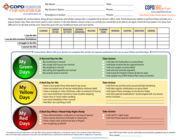
Please complete the section below. Bring all your medicines and inhalers along with a complete list to doctor’s office visits. Think about your ability to perform these activities on a typical “green” day. Place one check mark in each column. In the last (blank) column write in an activity you
...

Asthma is one of the most common non-communicable diseases globally. This study aimed to assess asthma medicine use, management plan availability, and disease control in childhood, adolescence, and adulthood across different country settings.

Asthma is one of the most common chronic respiratory conditions in the world and is increasing in prevalence, particularly in Africa and other low-income countries. The disproportionately high numbers of premature deaths and severe or uncontrolled cases in many African countries are indicative of th
...

asthma is a chronic inflammatory and a heterogeneous condition of respiratory system whose pathogenesis is linked with variable structural changes. The clinical manifestation of asthma includes attacks of breathlessness, cough, chest tightness and wheezing. Provision of basic equipment and test for
...

Research globally has shown that metered dose inhaler (MDI) technique is poor, with patient education and regular demonstration critical in maintaining correct use of inhalers. Patient information containing pictorial aids improves understanding of medicine usage; however, manufacturer leaflets illu
...

In 2014, the International Study of Asthma and Allergies in Childhood (ISAAC) reported that the highest prevalence of symptoms of severe asthma was found in the low- and middle-income countries (LMICs), including Nigeria. While exposure to biomass fuel use may be an important risk factor in the deve
...

Air pollution from road traffic is a serious health hazard, and people with preexisting respiratory disease may be at increased risk. We investigated the effects of short-term exposure to diesel traffic in people with asthma in an urban, roadside environment.

Asthma is a chronic inflammatory condition characterized by airway hyper-responsiveness to a variety of stimuli largely of allergic origin with reversible airflow limitation. The major clinical features of asthma are wheezing, shortness of breath, and cough. It is a major cause of impaired quality o
...
