
Filter
4804
Text search:
malaria
Featured
406
1498
Language
4122
350
278
78
62
53
49
30
19
11
6
5
5
5
4
4
3
3
3
3
3
2
2
2
2
2
2
2
2
2
2
2
2
2
1
1
1
1
1
1
1
1
1
1
Document type
2540
850
521
225
207
128
112
60
44
40
20
19
18
9
7
Countries
302
195
159
142
132
126
115
114
112
91
87
87
86
85
83
76
72
72
68
68
63
61
59
51
44
44
39
39
37
35
34
34
32
29
27
27
26
26
25
25
24
23
22
21
19
17
16
16
15
15
13
13
11
10
10
9
9
9
9
9
8
8
8
8
8
8
8
7
7
7
7
7
6
6
6
6
6
5
4
4
4
4
4
4
3
3
3
3
3
3
2
2
2
2
2
2
2
2
2
2
2
2
1
1
1
1
1
1
1
1
1
1
1
1
1
1
1
1
1
1
1
1
1
1
1
1
1
1
1
Authors & Publishers
522
199
125
113
108
96
88
71
64
38
37
36
30
28
27
24
22
22
21
20
20
19
19
18
18
17
17
17
16
15
15
15
15
15
15
15
14
14
13
13
13
13
12
12
12
12
12
12
11
11
11
11
11
11
10
10
10
10
10
9
9
9
9
9
9
9
9
8
8
8
8
8
8
8
8
8
8
8
8
8
8
8
7
7
7
7
7
7
7
7
7
7
7
7
7
7
7
7
7
7
6
6
6
6
6
6
6
6
6
6
6
6
6
6
6
6
6
6
6
6
6
6
6
5
5
5
5
5
5
5
5
5
5
5
5
5
5
5
5
5
5
5
5
5
5
5
5
5
5
5
5
5
5
5
5
5
4
4
4
4
4
4
4
4
4
4
4
4
4
4
4
4
4
4
4
4
4
4
4
4
4
4
4
4
4
4
4
4
4
4
4
4
4
4
4
4
4
4
4
4
4
4
4
4
4
4
4
4
4
4
4
4
4
4
4
4
4
4
4
4
4
4
4
4
4
3
3
3
3
3
3
3
3
3
3
3
3
3
3
3
3
3
3
3
3
3
3
3
3
3
3
3
3
3
3
3
3
3
3
3
3
3
3
3
3
3
3
3
3
3
3
3
3
3
3
3
3
3
3
3
3
3
3
3
3
3
3
3
3
3
3
3
3
3
3
3
3
3
3
3
3
3
3
3
3
3
3
3
3
3
3
3
3
3
3
3
3
3
3
3
3
3
3
3
3
3
2
2
2
2
2
2
2
2
2
2
2
2
2
2
2
2
2
2
2
2
2
2
2
2
2
2
2
2
2
2
2
2
2
2
2
2
2
2
2
2
2
2
2
2
2
2
2
2
2
2
2
2
2
2
2
2
2
2
2
2
2
2
2
2
2
2
2
2
2
2
2
2
2
2
2
2
2
2
2
2
2
2
2
2
2
2
2
2
2
2
2
2
2
2
2
2
2
2
2
2
2
2
2
2
2
2
2
2
2
2
2
2
2
2
2
2
2
2
2
2
2
2
2
2
2
2
2
2
2
2
2
2
2
2
2
2
2
2
2
2
2
2
2
2
2
2
2
2
2
2
2
2
2
2
2
2
2
2
2
2
2
2
2
2
2
2
2
2
2
2
2
2
2
2
2
2
2
2
2
2
2
2
2
2
2
2
2
2
2
2
2
2
2
2
2
2
2
2
2
2
2
2
2
2
2
2
2
2
2
2
2
2
2
2
2
2
2
2
2
2
2
2
2
2
2
2
2
2
2
2
2
2
2
2
2
2
2
2
2
2
2
2
2
2
2
2
2
2
2
2
2
2
2
2
2
2
2
2
2
2
2
2
2
2
2
2
2
2
2
2
2
2
2
2
2
2
2
2
2
2
2
2
2
2
2
2
2
2
1
1
1
1
1
1
1
1
1
1
1
1
1
1
1
1
1
1
1
1
1
1
1
1
1
1
1
1
1
1
1
1
1
1
1
1
1
1
1
1
1
1
1
1
1
1
1
1
1
1
1
1
1
1
1
1
1
1
1
1
1
1
1
1
1
1
1
1
1
1
1
1
1
1
1
1
1
1
1
1
1
1
1
1
1
1
1
1
1
1
1
1
1
1
1
1
1
1
1
1
1
1
1
1
1
1
1
1
1
1
1
1
1
1
1
1
1
1
1
1
1
1
1
1
1
1
1
1
1
1
1
1
1
1
1
1
1
1
1
1
1
1
1
1
1
1
1
1
1
1
1
1
1
1
1
1
1
1
1
1
1
1
1
1
1
1
1
1
1
1
1
1
1
1
1
1
1
1
1
1
1
1
1
1
1
1
1
1
1
1
1
1
1
1
1
1
1
1
1
1
1
1
1
1
1
1
1
1
1
1
1
1
1
1
1
1
1
1
1
1
1
1
1
1
1
1
1
1
1
1
1
1
1
1
1
1
1
1
1
1
1
1
1
1
1
1
1
1
1
1
1
1
1
1
1
1
1
1
1
1
1
1
1
1
1
1
1
1
1
1
1
1
1
1
1
1
1
1
1
1
1
1
1
1
1
1
1
1
1
1
1
1
1
1
1
1
1
1
1
1
1
1
1
1
1
1
1
1
1
1
1
1
1
1
1
1
1
1
1
1
1
1
1
1
1
1
1
1
1
1
1
1
1
1
1
1
1
1
1
1
1
1
1
1
1
1
1
1
1
1
1
1
1
1
1
1
1
1
1
1
1
1
1
1
1
1
1
1
1
1
1
1
1
1
1
1
1
1
1
1
1
1
1
1
1
1
1
1
1
1
1
1
1
1
1
1
1
1
1
1
1
1
1
1
1
1
1
1
1
1
1
1
1
1
1
1
1
1
1
1
1
1
1
1
1
1
1
1
1
1
1
1
1
1
1
1
1
1
1
1
1
1
1
1
1
1
1
1
1
1
1
1
1
1
1
1
1
1
1
1
1
1
1
1
1
1
1
1
1
1
1
1
1
1
1
1
1
1
1
1
1
1
1
1
1
1
1
1
1
1
1
1
1
1
1
1
1
1
1
1
1
1
1
1
1
1
1
1
1
1
1
1
1
1
1
1
1
1
1
1
1
1
1
1
1
1
1
1
1
1
1
1
1
1
1
1
1
1
1
1
1
1
1
1
1
1
1
1
1
1
1
1
1
1
1
1
1
1
1
1
1
1
1
1
1
1
1
1
1
1
1
1
1
1
1
1
1
1
1
1
1
1
1
1
1
1
1
1
1
1
1
1
1
1
1
1
1
1
1
1
1
1
1
1
1
1
1
1
1
1
1
1
1
1
1
1
1
1
1
1
1
1
1
1
1
1
1
1
1
1
1
1
1
1
1
1
1
1
1
1
1
1
1
1
1
1
1
1
1
1
1
1
1
1
1
1
1
1
1
1
1
1
1
1
1
1
1
1
1
1
1
1
1
1
1
1
1
1
1
1
1
1
1
1
1
1
1
1
1
1
1
1
1
1
1
1
1
1
1
1
1
1
1
1
1
1
1
1
1
1
1
1
1
1
1
1
1
1
1
1
1
1
1
1
1
1
1
1
1
1
1
1
1
1
1
1
1
1
1
1
1
1
1
1
1
1
1
1
1
1
1
1
1
1
1
1
1
1
1
1
1
1
1
1
1
1
1
1
1
1
1
1
1
1
1
1
1
1
1
1
1
1
1
1
1
1
1
1
1
1
1
1
1
1
1
1
1
1
1
1
1
1
1
1
1
1
1
1
1
1
1
1
1
1
1
1
1
1
1
1
1
1
1
1
1
1
1
1
1
1
1
1
1
1
1
1
1
1
1
1
1
1
1
1
1
1
1
1
1
1
1
1
1
1
1
1
1
1
1
1
1
1
1
1
1
1
1
1
1
1
1
1
1
1
1
1
1
1
1
1
1
1
1
1
1
1
1
1
1
1
1
1
1
1
1
1
1
1
1
1
1
1
1
1
1
1
1
1
1
1
1
1
1
1
1
1
1
1
1
1
1
1
1
1
1
1
1
1
1
1
1
1
1
1
1
1
1
1
1
1
1
1
1
1
1
1
1
1
1
1
1
1
1
1
1
1
1
1
1
1
1
1
1
1
1
1
1
1
1
1
1
1
1
1
1
1
1
1
1
1
1
1
1
1
1
1
1
1
1
1
1
1
1
1
1
1
1
1
1
1
1
1
1
1
1
1
1
1
1
1
1
1
1
1
1
1
1
1
1
1
1
1
1
1
1
1
1
1
1
1
1
1
1
1
1
1
1
1
1
1
1
1
1
1
1
1
1
1
1
1
1
1
1
1
1
1
1
1
1
1
1
1
1
1
1
1
1
1
1
1
1
1
1
1
1
1
1
1
1
1
1
1
1
1
1
1
1
1
1
1
1
1
1
1
1
1
1
1
1
1
1
1
1
1
1
1
1
1
1
1
1
1
1
1
1
1
1
1
1
1
1
1
1
1
1
1
1
1
1
1
1
1
1
1
1
1
1
1
1
1
1
1
1
1
1
1
1
1
1
1
1
1
1
1
1
1
1
1
1
1
1
1
1
1
1
1
1
1
1
1
1
1
1
1
1
1
1
1
1
1
1
1
1
1
1
1
1
1
1
1
1
1
1
1
1
1
1
1
1
1
1
1
1
1
1
1
1
1
1
1
1
1
1
1
1
1
1
1
1
1
1
1
1
1
1
1
1
1
1
1
1
1
1
1
1
1
1
1
1
1
1
1
1
1
1
1
1
1
1
1
1
1
1
1
1
1
1
1
1
1
1
1
1
1
1
1
1
1
1
1
1
1
1
1
1
1
1
1
1
1
1
1
1
1
1
1
1
1
1
1
1
1
1
1
1
1
1
1
1
1
1
1
1
1
1
1
1
1
1
1
1
1
1
1
1
1
1
1
1
1
1
1
1
1
1
1
1
1
1
1
1
1
1
1
1
1
1
1
1
1
1
1
1
1
1
1
1
1
1
1
1
1
1
1
1
1
1
1
1
1
1
1
1
1
1
1
1
1
1
1
1
1
1
1
1
1
1
1
1
1
1
1
1
1
1
1
1
1
1
1
1
1
1
1
1
1
1
1
1
1
1
1
1
1
1
1
1
1
1
1
1
1
1
1
1
1
1
1
1
1
1
1
1
1
1
1
1
1
1
1
1
1
1
1
1
1
1
1
1
1
1
1
1
1
1
1
1
1
1
1
1
1
1
1
1
1
1
1
1
1
1
1
1
1
1
1
1
1
1
1
1
1
1
1
1
1
1
1
1
1
1
1
1
1
1
1
1
1
1
1
1
1
1
1
1
1
1
1
1
1
1
1
1
1
1
1
1
1
1
1
1
1
1
1
1
1
1
1
1
1
1
1
1
1
1
1
1
1
1
1
1
1
1
1
1
1
1
1
1
1
1
1
1
1
1
1
1
1
1
1
1
1
1
1
1
1
1
1
1
1
1
1
1
1
1
1
1
1
1
1
1
1
1
1
1
1
1
1
1
1
1
1
1
1
1
1
1
1
1
1
1
1
1
1
1
1
1
1
1
1
1
1
1
1
1
1
1
1
1
1
1
1
1
1
1
1
1
1
1
1
1
1
1
1
1
1
1
1
1
1
1
1
1
1
1
1
1
1
1
1
1
1
1
1
1
1
1
1
1
1
1
1
1
1
1
1
1
1
1
1
1
1
1
1
1
1
1
1
1
1
1
1
1
1
1
1
1
1
1
1
1
1
1
1
1
1
1
1
1
1
1
1
1
1
1
1
1
1
1
1
1
1
1
1
1
1
1
1
1
1
1
1
1
1
1
1
1
1
1
1
1
1
1
1
1
1
1
1
1
1
1
1
1
1
1
1
1
1
1
1
1
1
1
1
1
1
1
1
1
1
1
1
1
1
1
1
1
1
1
1
1
1
1
1
1
1
1
1
1
1
1
1
1
1
1
1
1
1
1
1
1
1
1
1
1
1
1
1
1
1
1
1
1
1
1
1
1
1
1
1
1
1
1
1
1
1
1
1
1
1
1
1
1
1
1
1
1
1
1
1
1
1
1
1
1
1
1
1
1
1
1
1
1
1
1
1
1
1
1
1
1
1
1
1
1
1
1
1
1
1
1
1
1
1
1
1
1
1
1
1
1
1
1
1
1
1
1
1
1
1
1
1
1
1
1
1
1
1
1
1
1
1
1
1
1
1
1
1
1
1
1
1
1
1
1
1
1
1
1
1
1
1
1
1
1
1
1
1
1
1
1
1
1
1
1
1
1
1
1
1
1
1
1
1
1
1
1
1
1
1
1
1
1
1
1
1
1
1
1
1
1
1
1
1
1
1
1
1
1
1
1
1
1
1
1
1
1
1
1
1
1
1
1
1
1
1
1
1
1
1
1
1
1
1
1
1
1
1
1
1
1
1
1
1
1
1
1
1
1
1
1
1
1
1
1
1
1
1
1
1
1
1
1
1
1
1
1
1
1
1
1
1
1
1
1
1
1
1
1
1
1
1
1
1
1
1
1
1
1
1
1
1
1
1
1
1
1
1
1
1
1
1
1
1
1
1
1
1
1
1
1
1
1
1
1
1
1
1
1
1
1
1
1
1
1
1
1
1
1
1
1
1
1
1
1
1
1
1
1
1
1
1
1
1
1
1
1
1
1
1
1
1
1
1
1
1
1
1
1
1
1
1
1
1
1
1
1
1
1
1
1
1
1
1
1
1
1
1
1
1
1
1
1
1
1
1
1
1
1
1
1
1
1
1
1
1
1
1
1
1
1
1
1
1
1
1
1
1
1
1
1
1
1
1
1
1
1
1
1
1
1
1
1
1
1
1
1
1
1
1
1
1
1
1
1
1
1
1
1
1
1
1
1
1
1
1
1
1
1
1
1
1
1
1
1
1
1
1
1
1
1
1
1
1
1
1
1
1
1
1
1
1
1
1
1
1
1
1
1
1
1
1
1
1
1
1
1
1
1
1
1
1
1
1
1
1
1
1
1
1
1
1
1
1
1
1
1
1
1
1
1
1
1
1
1
1
1
1
1
1
1
1
1
1
1
1
1
1
1
1
1
1
1
1
1
1
1
1
1
1
1
1
1
1
1
1
1
1
1
1
1
1
1
1
1
1
1
1
1
1
1
1
1
1
1
1
1
1
1
1
1
1
1
1
1
1
1
1
1
1
1
1
1
1
1
1
1
1
1
1
1
1
1
1
1
1
1
1
1
1
1
1
1
1
1
1
1
1
1
1
1
1
1
1
1
1
1
1
1
1
1
1
1
1
1
1
1
1
1
1
1
1
1
1
1
1
1
1
1
1
1
1
1
1
1
1
1
1
1
1
1
1
1
1
1
1
1
1
1
1
1
1
1
1
1
1
1
1
1
1
1
1
1
1
1
1
1
1
1
1
1
1
1
1
1
1
1
1
1
1
1
1
1
1
1
1
1
1
1
1
1
1
1
1
1
1
1
1
1
1
1
1
1
1
1
1
1
1
1
1
1
1
1
1
1
1
1
1
1
1
1
1
1
1
1
1
1
1
1
1
1
1
1
1
1
1
1
1
1
1
1
1
1
1
1
1
1
1
1
1
1
1
1
1
1
1
1
1
1
1
1
1
1
1
1
1
1
1
1
1
1
1
1
1
1
1
1
1
1
1
1
1
1
1
1
1
1
1
1
1
1
1
1
1
1
1
1
1
1
1
1
1
1
1
1
1
1
1
1
1
1
1
1
1
1
1
1
1
1
1
1
1
1
1
1
1
1
1
1
1
1
1
1
1
1
1
1
1
1
1
1
1
1
1
1
1
1
1
1
1
1
1
1
1
1
1
1
1
1
1
1
1
1
1
1
1
1
1
1
1
1
1
1
1
1
1
1
1
1
1
1
1
1
1
1
1
1
1
1
1
1
1
1
1
1
1
1
1
1
1
1
1
1
1
1
1
1
1
1
1
1
1
1
1
1
1
1
1
1
1
1
1
1
1
1
1
1
1
1
1
1
1
1
1
1
1
1
1
1
1
1
1
1
1
1
1
1
1
1
1
1
1
1
1
1
1
1
1
1
1
1
1
1
1
1
1
1
1
1
1
1
1
1
1
1
1
1
1
1
1
1
1
1
1
1
1
1
1
1
1
1
1
1
1
1
1
1
1
1
1
1
1
1
1
1
1
1
1
1
1
1
1
1
1
1
1
1
1
1
1
1
1
1
1
1
1
1
1
1
1
1
1
1
1
1
1
1
1
1
1
1
1
1
1
1
1
1
1
1
1
1
1
1
1
1
1
1
1
1
1
1
1
1
1
1
1
1
1
1
1
1
1
1
1
1
1
1
1
1
1
1
1
1
1
1
1
1
1
1
1
1
1
1
1
1
1
1
1
1
1
1
1
1
1
1
1
1
1
1
1
1
1
1
1
1
1
1
1
1
1
1
1
1
1
1
1
1
1
1
1
1
1
1
1
1
1
1
1
1
1
1
1
1
1
1
1
1
1
1
1
1
1
1
1
1
1
1
1
1
1
1
1
1
1
1
1
1
1
1
1
1
1
1
1
1
1
1
1
1
1
1
1
1
1
1
1
1
1
1
1
1
1
1
1
1
1
1
1
1
1
1
1
1
1
1
1
1
1
1
1
1
1
1
1
1
1
1
1
1
1
1
1
1
1
1
1
1
1
1
1
1
1
1
1
1
1
1
1
1
1
1
1
1
1
1
Publication Years
1372
2977
432
23
Category
2264
279
271
249
203
119
80
Toolboxes
481
235
214
197
173
153
137
137
135
112
102
93
89
75
61
55
50
44
34
31
25
21
19
9
4
2
1

Long-lasting insecticidal nets (LNs) constitute a core vector control intervention against malaria. A number of new LN products are under development and will require assessment of risks to humans. This document provides an updated generic model tha
...
t can be used for the risk assessment of exposure to insecticides of individuals sleeping under LNs and during the washing of nets.
In an Annex, exposures and health risks are described for the conventional treatment or retreatment of nets (ITNs) with an insecticide considering that such practices may still be used in evaluation of ITNs and their use. The generic model does not include the risks associated with the manufacturing of LNs in a factory environment. more
In an Annex, exposures and health risks are described for the conventional treatment or retreatment of nets (ITNs) with an insecticide considering that such practices may still be used in evaluation of ITNs and their use. The generic model does not include the risks associated with the manufacturing of LNs in a factory environment. more
Financing Global Health 2018: Countries and Programs in Transition
Institute for Health Metrics and Evaluation (IHME)
Institute for Health Metrics and Evaluation (IHME)
(2019)
C2
This 10th edition of the Institute for Health Metrics and Evaluation’s annual Financing Global Health report provides the most up-to-date estimates of development assistance for health, domestic spending on health, health spending on two key infectious diseases –
...
malaria and HIV/AIDS – and future scenarios of health spending. Several transitions in global health financing inform this report: the influence of economic development on the composition of health spending; the emergence of other sources of development assistance funds and initiatives; and the increased availability of disease-specific funding data for the global health community. For funders and policymakers with sights on achieving 2030 global health goals, these estimates are of critical importance. They can be used for identifying funding gaps, evaluating the allocation of scarce resources, and comparing funding across time and countries.
more
Gestion de la Pharmacie dans les Centres de Santé au niveau périphérique
Dr Habib Ganfon; Dr Giraud Ekanmian
Centre d’Information Pharmacothérapeutique du Bénin (CIP-BENIN)
(2017)
C2
Le paludisme, appelé également malaria, ou « Mal‘aria », ce qui signifie « mauvais air
», est une maladie qui menace 3 milliards de personnes dans 99 pays dans le monde.1
Les personnes les plus vulnérables sont les jeunes enfants et les f
...
emmes enceintes,
car c’est parmi cette population que le risque de décès est le plus élevé.2
Au Bénin, le paludisme représente environ 41% des motifs de recours aux soins et
première cause de consultation, d’hospitalisation et de décès parmi la population en 2012
more
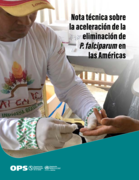
Esta nota técnica busca guiar a los programas nacionales de malaria y a las organizaciones implicadas en el apoyo de los esfuerzos para la eliminación de la malaria en la Región de las Américas,
...
a fin de que intensifiquen las acciones políticas/estratégicas e implementen los cambios operativos necesarios para acelerar la eliminación de P. falciparum como parte de las estrategias nacionales para la eliminación de la malaria.
more
WHO recommends artemisinin-based combination therapies for treating uncomplicated malaria, alongside studies to monitor treatment effectiveness. Given the threat of antimalarial resistance, including partial resistance in several African countries,
...
molecular tools are vital for tracking resistance. In 2015, WHO launched the External Quality Assessment scheme for nucleic acid amplification testing to ensure reliable lab results. Coordinated by WHO and operated by the United Kingdom National External Quality Assessment Service for Parasitology, the scheme provides quality-controlled specimens and reports to help improve testing accuracy. Experts recently discussed expanding the scheme to include antimalarial resistance markers.
more
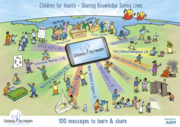
This document outlines key health messages for children and their caregivers, with a focus on the prevention and early treatment of common illnesses. Topics covered include malaria, diarrhoea, malnutrition, respiratory infections, intestinal worms,
...
HIV/AIDS and accident prevention. The importance of insecticide-treated nets, oral rehydration salts (ORS), breastfeeding, immunisation, hygiene, access to clean water, deworming and emotional care for child development is also emphasised. The practical advice provided helps families to create safer and healthier environments, and to recognise when medical help is needed.
Accessed on 15/07/2025.
more
For communities already burdened by poverty and ravaged by scourges such as malaria and tuberculosis, the parasitic disease schistosomiasis is especially devastating. The disease weakens the body's resistance to other infections and leads to poor gr
...
owth and impaired learning in children. The Carter Center works to control the disease and provide hope for future generations in Nigeria, the most schistosomiasis-endemic country in Africa.
more
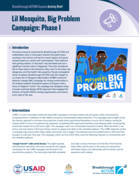
Activity Brief.Formative research revealed that gold miners in remote regions of Guyana viewed malaria as an unavoidable and minor risk compared to other dangers. Building on these insights, Breakthrough ACTION co-created the 'Lil Mosquito, Big Prob
...
lem' (LMBP) social and behavioural change campaign, which targeted miners in malaria-endemic areas (Regions 7 and 8). Adopting a human-centred design approach, the campaign collaborated with the Ministry of Health, mining organisations, and miners throughout its development. LMBP used visual, low-literacy materials featuring animated and live-action characters to raise awareness of the risks of malaria and encourage key behaviours such as timely testing, adhering to treatment and consistently using insecticide-treated nets. Launched in 2019 and scaled up until 2024, this multi-channel campaign aimed to change attitudes and improve malaria prevention in these hard-to-reach communities.
Accessed on 20/06/2025.
more
The WorldWide Antimalarial Resistance Network (WWARN) is a global collaborative platform that provides the malaria community with innovative tools and reliable evidence to help them understand and address antimalarial drug resistance. Using molecula
...
r surveyors and mapping tools, WWARN visualises the evolution and geographical spread of resistance to key antimalarial drugs.
Accessed June 2025
more
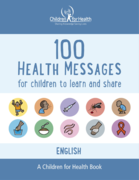
The '100 Health Messages for Children to Learn & Share' is an educational resource developed by Children for Health. It is aimed at children aged 8–14, particularly young adolescents (aged 10–14), who often care for younger siblings. The set contains 100 simple, accurate and adaptable health mes
...
sages, with 10 messages on each of the following topics: Malaria, diarrhoea, nutrition, coughs and colds, intestinal worms, water and sanitation, immunisation, HIV and AIDS, accidents and injuries, and early childhood development. The messages have been reviewed by medical and education experts and are designed for use by parents, teachers and health workers in schools, homes, clinics and clubs. The resource encourages active learning through memorisation, discussion, and creative activities, empowering children to become health educators in their communities.
more
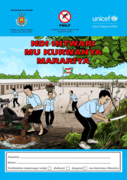
This comic book is an educational resource designed to raise awareness of malaria prevention among young people in Burundi. Employing a narrative approach, it features characters who demonstrate key preventive behaviours, such as using insecticide-t
...
reated nets, eliminating mosquito breeding sites and seeking timely medical treatment. Serving as a tool for community health education, the comic book aims to foster behavioural change and empower children to act as agents of malaria prevention within their families and communities.
more
This website provides comprehensive guidance on vaccinations, malaria prevention and general health measures for travellers to tropical and developing regions. It emphasises two main vaccination criteria: the administrative requirements of the desti
...
nation country and the actual health risks to the traveller. Malaria prevention measures include chemoprophylaxis (e.g. atovaquone-proguanil, doxycycline or mefloquine) and vector control methods such as insecticide-treated nets, insect repellents and environmental protection measures. Additional travel health risks covered include bites from other arthropods, envenomations, dog and mammal bites, food and water hygiene, traveller's diarrhoea, and considerations for pregnant women, infants, the elderly, and people with chronic conditions. It strongly recommends carrying a travel medical kit and having a pre-travel consultation. Overall, the document aims to minimise illness and ensure safe travel.
Accessed on 27/08/2025.
more
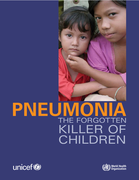
Pneumonia kills more children than any other illness – more than AIDS, malaria and measles combined. Over 2 million children die from pneumonia each year, accounting for almost 1 in 5 under five deaths worldwide. Yet, little attention is paid to t
...
his disease. This joint UNICEF/WHO report examines the epidemiological evidence on the burden and distribution of pneumonia and assesses current levels of treatment and prevention. It is a call to action to reduce pneumonia mortality, a key step towards the achievement of the millennium development goal on child mortality.
more
This film is the Luganda version of 'Is your child sick? Identifying signs of pneumonia, malaria and diarrhoea.' This was locally dubbed in Uganda, thanks to Royal College of Paediatrics and Child Health.
Update, 2023. En 2021, les résultats préliminaires des études d’observation du projet CARAMAL (Community Access to Rectal Artesunate for Malaria) n’ont pas confirmé l’impact sur la mortalité observé dans l’essai contrôlé de 2009. Par
...
conséquent, en janvier 2022, l’OMS a publié une note d’information sur l’artésunate rectal, dans laquelle elle suggérait des mesures immédiates d’atténuation des risques.
more
Dies ist ein entscheidender Moment bei der Bekämpfung von HIV, Tuberkulose (TB) und Malaria. Für unsere achte Wiederauffüllung benötigt der Globale Fonds 18 Milliarden US-Dollar, um 23 Millionen Menschenleben zu retten, die Sterberate der drei K
...
rankheiten um 64 % zu senken und am Aufbau einer Welt mitzuwirken, die gesünder, sicherer und gerechter ist.
more
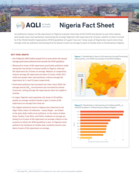
Air pollution’s impact on life expectancy in Nigeria is greater than that of HIV/AIDS and almost on par with malaria and unsafe water and sanitation, shortening the average Nigerian’s life expectancy by 1.8 years, relative to what it would be if
...
the World Health Organization (WHO) guideline of 5 μg/m3 was met.1 Some areas of Nigeria fare much worse than average, with air pollution shortening lives by almost 4 years on average in parts of Taraba state in Northeastern Nigeria.
more
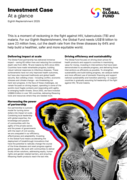
This is a moment of reckoning in the fight against HIV, tuberculosis (TB) and malaria. For our Eighth Replenishment, the Global Fund needs US$18 billion to save 23 million lives, cut the death rate from the three diseases by 64% and help build a hea
...
lthier, safer and more equitable world.
more
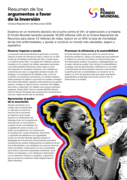
Estamos en un momento decisivo de la lucha contra el VIH, la tuberculosis y la malaria. El Fondo Mundial necesita recaudar 18.000 millones USD en la Octava Reposición de Recursos para salvar 23 millones de vidas, reducir en un 64% la tasa de mortal
...
idad de las tres enfermedades, y ayudar a construir un mundo más saludable, seguro y equitativo.
more
En su condición de departamento técnico de la OMS para el paludismo, al Programa Mundial sobre Malaria le corresponde una importante función de liderazgo de la respuesta mundial. Por medio de sus acciones directas y su red, tiene la capacidad de
...
conformar el ecosistema de la respuesta al paludismo y lograr un impacto a nivel de los países. Teniendo esto en cuenta, el Programa Mundial sobre Malaria ha elaborado una estrategia operativa en la que se exponen sus prioridades para el periodo 2024-2030 y las cuatro palancas estratégicas para controlar y eliminar el paludismo que son parte esencial del mandato del Programa: normas y criterios, nuevos instrumentos e innovación, información estratégica para generar impacto, y liderazgo. La estrategia describe el modo en que el Programa Mundial sobre Malaria se transformará también por medio de una colaboración más eficaz con otros programas, con las oficinas regionales y en los países, y con los asociados, tomando como guía las enseñanzas extraídas del Decimotercer Programa General de Trabajo (13.º PGT) de la OMS y las prioridades del 14.º PGT.
more
