Filter
1000
Text search:
M.
Martin
Featured
83
163
Language
Document type
468
219
170
74
28
21
14
1
1
1
1
Countries
45
28
25
23
19
19
16
16
16
14
12
11
9
8
8
8
7
7
6
6
5
5
4
4
4
4
4
4
4
4
4
3
3
3
3
3
3
3
3
3
3
3
3
3
3
2
2
2
2
2
2
2
2
2
2
2
2
2
2
2
2
1
1
1
1
1
1
1
1
1
1
1
1
1
1
1
1
1
1
1
1
1
1
1
1
1
Authors & Publishers
Publication Years
Category
211
88
63
59
45
9
7
Toolboxes
179
97
88
54
37
34
33
30
30
27
26
22
21
20
20
17
15
12
10
9
7
7
6
6
4
1
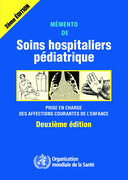
Mémento de Soins hospitaliers pédiatriques
recommended
Prise en charge des affections courantes de l'enfance. 2ième edition
Ce mémento est destiné aux médecins, au personnel infirmier et autres professionnels de santé responsables des soins administrés aux jeunes enfants au premier niveau de recours.
Il est conçu pour être utilisé pour les s
...
Diarrhea is one of the world’s leading causes of child illness and death, and rotavirus is the most common cause of severe diarrhea. Yet it can be prevented and treated. There is a vaccine. And while hundreds of thousands of children in India will gain access to rotavirus vaccines -part of a natio
...
This document updates the 2009 ECDC guidance on chlamydia control in Europe. It was developed by a technical expert group which conducted a critical review of the scientific evidence on the epidemiology of chlamydia and the effectiveness of screening programmes.
The aim of this guidance is to suppo
...
Updated Guideline.
The Emergency Triage Assessment and Treatment (ETAT) guidelines provide guidance on the most common emergency conditions in children presenting at the health facility. These include but are not limited to airway obstruction and other breathing problems; circulatory impairment or
...
Skin and mucosal conditions are extremely common in all children and adults in particular in HIV-infected adults and children and are one of the commonest daily management problems faced by health care workers caring for patients with HIV infection


BMC Medicine201614:112 DOI: 10.1186/s12916-016-0660-0

Globalization and Health201612:63; DOI: 10.1186/s12992-016-0195-3

Lessons from the IRC’s Early Emergency Response in the Urban Areas of Lesbos between September 2015 and March 2016
These WHO guidelines which were updated in 2018, are valid for any country and suitable to local adaptations, and take account of the strength of available scientific evidence, the cost and resource implications, and patient values and preferences.
The 2018 edition of the guidelines includes the re
...