
Filter
3876
Text search:
environmental
factors
Featured
386
925
Language
3759
99
87
60
43
34
23
11
7
5
4
3
3
3
3
3
3
3
3
3
3
2
2
2
2
2
2
2
2
2
2
2
2
1
1
1
1
1
1
1
1
1
1
1
1
1
1
1
1
1
1
Document type
1856
862
538
260
193
62
59
18
10
6
4
4
3
1
Countries
234
150
103
81
79
77
72
72
65
65
59
58
55
53
51
51
47
47
43
42
38
31
28
27
26
25
24
21
21
21
21
20
20
18
18
18
17
17
17
17
15
15
15
14
13
12
12
12
11
10
10
10
10
10
10
9
9
9
9
8
7
7
6
6
6
6
5
5
4
4
4
4
3
3
3
3
3
3
3
3
3
3
2
2
2
2
2
2
2
2
2
2
2
2
2
2
1
1
1
1
1
1
1
1
1
1
1
1
1
1
1
1
1
1
1
1
1
1
1
1
1
1
1
1
1
1
1
1
Authors & Publishers
545
144
123
118
107
60
58
50
47
42
32
28
27
20
18
16
15
15
14
14
14
14
13
13
13
13
13
13
12
12
12
12
11
11
11
11
11
10
10
10
10
9
9
9
9
9
9
9
9
9
9
8
8
8
8
8
8
8
8
8
8
7
7
7
7
7
7
7
7
7
7
7
6
6
6
6
6
6
6
6
6
6
6
6
6
6
6
6
6
5
5
5
5
5
5
5
5
5
5
5
5
5
5
5
5
5
5
5
5
5
5
5
5
4
4
4
4
4
4
4
4
4
4
4
4
4
4
4
4
4
4
4
4
4
4
4
4
4
4
4
4
4
4
4
4
4
4
3
3
3
3
3
3
3
3
3
3
3
3
3
3
3
3
3
3
3
3
3
3
3
3
3
3
3
3
3
3
3
3
3
3
3
3
3
3
3
3
3
3
3
3
3
3
3
3
3
3
3
3
3
3
3
3
3
3
3
3
3
3
3
3
3
3
3
3
3
3
3
3
3
3
3
3
3
3
3
3
3
3
2
2
2
2
2
2
2
2
2
2
2
2
2
2
2
2
2
2
2
2
2
2
2
2
2
2
2
2
2
2
2
2
2
2
2
2
2
2
2
2
2
2
2
2
2
2
2
2
2
2
2
2
2
2
2
2
2
2
2
2
2
2
2
2
2
2
2
2
2
2
2
2
2
2
2
2
2
2
2
2
2
2
2
2
2
2
2
2
2
2
2
2
2
2
2
2
2
2
2
2
2
2
2
2
2
2
2
2
2
2
2
2
2
2
2
2
2
2
2
2
2
2
2
2
2
2
2
2
2
2
2
2
2
2
2
2
2
2
2
2
2
2
2
2
2
2
2
2
2
2
2
2
2
2
2
2
2
2
2
2
2
2
2
2
2
2
2
2
2
2
2
2
2
2
2
2
2
2
2
2
2
2
2
2
2
2
2
2
2
2
2
2
2
2
2
2
2
2
2
2
2
2
2
2
2
2
2
2
2
2
2
2
2
2
2
1
1
1
1
1
1
1
1
1
1
1
1
1
1
1
1
1
1
1
1
1
1
1
1
1
1
1
1
1
1
1
1
1
1
1
1
1
1
1
1
1
1
1
1
1
1
1
1
1
1
1
1
1
1
1
1
1
1
1
1
1
1
1
1
1
1
1
1
1
1
1
1
1
1
1
1
1
1
1
1
1
1
1
1
1
1
1
1
1
1
1
1
1
1
1
1
1
1
1
1
1
1
1
1
1
1
1
1
1
1
1
1
1
1
1
1
1
1
1
1
1
1
1
1
1
1
1
1
1
1
1
1
1
1
1
1
1
1
1
1
1
1
1
1
1
1
1
1
1
1
1
1
1
1
1
1
1
1
1
1
1
1
1
1
1
1
1
1
1
1
1
1
1
1
1
1
1
1
1
1
1
1
1
1
1
1
1
1
1
1
1
1
1
1
1
1
1
1
1
1
1
1
1
1
1
1
1
1
1
1
1
1
1
1
1
1
1
1
1
1
1
1
1
1
1
1
1
1
1
1
1
1
1
1
1
1
1
1
1
1
1
1
1
1
1
1
1
1
1
1
1
1
1
1
1
1
1
1
1
1
1
1
1
1
1
1
1
1
1
1
1
1
1
1
1
1
1
1
1
1
1
1
1
1
1
1
1
1
1
1
1
1
1
1
1
1
1
1
1
1
1
1
1
1
1
1
1
1
1
1
1
1
1
1
1
1
1
1
1
1
1
1
1
1
1
1
1
1
1
1
1
1
1
1
1
1
1
1
1
1
1
1
1
1
1
1
1
1
1
1
1
1
1
1
1
1
1
1
1
1
1
1
1
1
1
1
1
1
1
1
1
1
1
1
1
1
1
1
1
1
1
1
1
1
1
1
1
1
1
1
1
1
1
1
1
1
1
1
1
1
1
1
1
1
1
1
1
1
1
1
1
1
1
1
1
1
1
1
1
1
1
1
1
1
1
1
1
1
1
1
1
1
1
1
1
1
1
1
1
1
1
1
1
1
1
1
1
1
1
1
1
1
1
1
1
1
1
1
1
1
1
1
1
1
1
1
1
1
1
1
1
1
1
1
1
1
1
1
1
1
1
1
1
1
1
1
1
1
1
1
1
1
1
1
1
1
1
1
1
1
1
1
1
1
1
1
1
1
1
1
1
1
1
1
1
1
1
1
1
1
1
1
1
1
1
1
1
1
1
1
1
1
1
1
1
1
1
1
1
1
1
1
1
1
1
1
1
1
1
1
1
1
1
1
1
1
1
1
1
1
1
1
1
1
1
1
1
1
1
1
1
1
1
1
1
1
1
1
1
1
1
1
1
1
1
1
1
1
1
1
1
1
1
1
1
1
1
1
1
1
1
1
1
1
1
1
1
1
1
1
1
1
1
1
1
1
1
1
1
1
1
1
1
1
1
1
1
1
1
1
1
1
1
1
1
1
1
1
1
1
1
1
1
1
1
1
1
1
1
1
1
1
1
1
1
1
1
1
1
1
1
1
1
1
1
1
1
1
1
1
1
1
1
1
1
1
1
1
1
1
1
1
1
1
1
1
1
1
1
1
1
1
1
1
1
1
1
1
1
1
1
1
1
1
1
1
1
1
1
1
1
1
1
1
1
1
1
1
1
1
1
1
1
1
1
1
1
1
1
1
1
1
1
1
1
1
1
1
1
1
1
1
1
1
1
1
1
1
1
1
1
1
1
1
1
1
1
1
1
1
1
1
1
1
1
1
1
1
1
1
1
1
1
1
1
1
1
1
1
1
1
1
1
1
1
1
1
1
1
1
1
1
1
1
1
1
1
1
1
1
1
1
1
1
1
1
1
1
1
1
1
1
1
1
1
1
1
1
1
1
1
1
1
1
1
1
1
1
1
1
1
1
1
1
1
1
1
1
1
1
1
1
1
1
1
1
1
1
1
1
1
1
1
1
1
1
1
1
1
1
1
1
1
1
1
1
1
1
1
1
1
1
1
1
1
1
1
1
1
1
1
1
1
1
1
1
1
1
1
1
1
1
1
1
1
1
1
1
1
1
1
1
1
1
1
1
1
1
1
1
1
1
1
1
1
1
1
1
1
1
1
1
1
1
1
1
1
1
1
1
1
1
1
1
1
1
1
1
1
1
1
1
1
1
1
1
1
1
1
1
1
1
1
1
1
1
1
1
1
1
1
1
1
1
1
1
1
1
1
1
1
1
1
1
1
1
1
1
1
1
1
1
1
1
1
1
1
1
1
1
1
1
1
1
1
1
1
1
1
1
1
1
1
1
1
1
1
1
1
1
1
1
1
1
1
1
1
1
1
1
1
1
1
1
1
1
1
1
1
1
1
1
1
1
1
1
1
1
1
1
1
1
1
1
1
1
1
1
1
1
1
1
1
1
1
1
1
1
1
1
1
1
1
1
1
1
1
1
1
1
1
1
1
1
1
1
1
1
1
1
1
1
1
1
1
1
1
1
1
1
1
1
1
1
1
1
1
1
1
1
1
1
1
1
1
1
1
1
1
1
1
1
1
1
1
1
1
1
1
1
1
1
1
1
1
1
1
1
1
1
1
1
1
1
1
1
1
1
1
1
1
1
1
1
1
1
1
1
1
1
1
1
1
1
1
1
1
1
1
1
1
1
1
1
1
1
1
1
1
1
1
1
1
1
1
1
1
1
1
1
1
1
1
1
1
1
1
1
1
1
1
1
1
1
1
1
1
1
1
1
1
1
1
1
1
1
1
1
1
1
1
1
1
1
1
1
1
1
1
1
1
1
1
1
1
1
1
1
1
1
1
1
1
1
1
1
1
1
1
1
1
1
1
1
1
1
1
1
1
1
1
1
1
1
1
1
1
1
1
1
1
1
1
1
1
1
1
1
1
1
1
1
1
1
1
1
1
1
1
1
1
1
1
1
1
1
1
1
1
1
1
1
1
1
1
1
1
1
1
1
1
1
1
1
1
1
1
1
1
1
1
1
1
1
1
1
1
1
1
1
1
1
1
1
1
1
1
1
1
1
1
1
1
1
1
1
1
1
1
1
1
1
1
1
1
1
1
1
1
1
1
1
1
1
1
1
1
1
1
1
1
1
1
1
1
1
1
1
1
1
1
1
1
1
1
1
1
1
1
1
1
1
1
1
1
1
1
1
1
1
1
1
1
1
1
1
1
1
1
1
1
1
1
1
1
1
1
1
1
1
1
1
1
1
1
1
1
1
1
1
1
1
1
1
1
1
1
1
1
1
1
1
1
1
1
1
1
1
1
1
1
1
1
1
1
1
1
1
1
1
1
1
1
1
1
1
1
1
1
1
1
1
1
1
1
1
1
1
1
1
1
1
1
1
1
1
1
1
1
1
1
1
1
1
1
1
1
1
1
1
1
1
1
1
1
1
1
1
1
1
1
1
1
1
1
1
1
1
1
1
1
1
1
1
1
1
1
1
1
1
1
1
1
1
1
1
1
1
1
1
1
1
1
1
1
1
1
1
1
1
1
1
1
1
1
1
1
1
1
1
1
1
1
1
1
1
1
1
1
1
1
1
1
1
1
1
1
1
1
1
1
1
1
1
1
1
1
1
1
1
1
1
1
1
1
1
1
1
1
1
1
1
1
1
1
1
1
1
1
1
1
1
1
1
1
1
1
1
1
1
1
1
1
1
1
1
1
1
1
1
1
1
1
1
1
1
1
1
1
1
1
1
1
1
1
1
1
1
1
1
1
1
1
1
1
1
1
1
1
1
1
1
1
1
1
1
1
1
1
1
1
1
1
1
1
1
1
1
1
1
1
1
1
1
1
1
1
1
1
1
1
1
1
1
1
1
1
1
1
1
1
1
1
1
1
1
1
1
1
1
1
1
1
1
1
1
1
1
1
1
1
1
1
1
1
1
1
1
1
1
1
1
1
1
1
1
1
1
1
1
1
1
1
1
1
1
1
1
1
1
1
1
1
1
1
1
1
1
1
1
1
1
1
1
1
1
1
1
1
1
1
1
1
1
1
1
1
1
1
1
1
1
1
1
1
1
1
1
1
1
1
1
1
1
1
1
1
1
1
1
1
1
1
1
1
1
1
1
1
1
1
1
1
1
1
1
1
1
1
1
1
1
1
1
1
1
1
1
1
1
1
1
1
1
1
1
1
1
1
1
1
1
1
1
1
1
1
1
1
1
1
1
1
1
1
1
1
1
1
1
1
1
1
1
1
1
1
1
1
1
1
1
1
1
1
1
1
1
1
1
1
1
1
1
1
1
1
1
1
1
1
1
1
1
1
1
1
1
1
1
1
1
1
1
1
1
1
1
1
1
1
1
1
1
1
1
1
1
1
1
1
1
1
1
1
1
1
1
1
1
1
1
1
1
1
1
1
1
1
1
1
1
1
1
1
1
1
1
1
1
1
1
1
1
1
1
1
1
1
1
1
1
1
1
1
1
1
1
1
1
1
1
1
1
1
1
1
1
1
1
1
1
1
1
1
1
1
1
1
1
1
1
1
1
1
1
1
1
1
1
1
1
1
1
1
1
1
1
1
1
1
1
1
1
1
1
1
1
1
1
1
1
1
1
1
1
1
1
1
1
1
1
1
1
1
1
1
1
1
1
1
1
1
1
1
1
1
1
1
1
1
1
1
1
1
1
1
1
1
1
1
1
1
1
1
1
1
1
1
1
1
1
1
1
1
1
1
1
1
1
1
1
1
1
1
1
1
1
1
1
1
1
1
1
1
1
1
1
1
1
1
1
1
1
1
1
1
1
1
1
1
1
1
1
1
1
1
1
1
1
1
1
1
1
1
1
1
1
1
1
1
1
1
1
1
1
1
1
1
1
1
1
1
1
1
1
1
1
1
1
1
1
1
1
1
1
1
1
1
1
1
1
1
1
1
1
1
1
1
1
1
1
1
1
1
1
1
1
1
1
1
1
1
1
1
1
1
1
1
1
1
1
1
1
1
1
1
1
1
1
1
1
1
1
1
1
1
1
1
1
1
1
1
1
1
1
1
1
1
1
1
1
1
1
1
1
1
1
1
1
1
1
1
1
1
1
1
1
1
1
1
1
1
1
1
1
1
1
1
1
1
1
1
1
1
1
1
1
1
1
1
1
1
1
1
1
1
1
1
1
1
1
1
1
1
1
1
1
1
1
1
1
1
1
1
1
1
1
1
1
1
1
1
1
1
1
1
1
1
1
1
1
1
1
1
1
1
1
1
1
1
1
1
1
1
1
1
1
1
1
1
1
1
1
1
1
1
1
1
1
1
1
1
1
1
1
1
1
1
1
1
1
1
1
1
1
1
1
1
1
1
1
1
1
1
1
1
1
1
1
1
1
1
1
1
1
1
1
1
1
1
1
1
1
1
1
1
1
1
1
1
1
1
1
1
1
1
1
1
1
1
1
1
1
1
1
1
1
1
1
1
1
1
1
1
1
1
1
1
1
1
1
1
1
1
1
1
1
1
1
1
1
1
1
1
1
1
1
1
1
1
1
1
1
1
1
1
1
1
1
1
1
1
1
1
1
1
1
1
1
1
1
1
1
1
1
1
1
1
1
1
1
1
1
1
1
1
1
1
1
1
1
1
1
1
1
1
1
1
1
1
1
1
1
1
1
1
1
1
1
1
1
1
1
1
1
1
1
1
1
1
1
1
1
1
1
1
1
1
1
1
1
1
1
1
1
1
1
1
1
1
1
1
1
1
1
1
1
1
1
1
1
1
1
1
1
1
1
1
1
1
1
1
1
1
1
1
1
1
1
1
1
1
1
1
1
1
1
1
1
1
1
1
1
1
1
1
1
1
1
1
1
1
1
1
1
1
1
1
1
1
1
1
1
1
1
1
1
1
1
1
1
1
1
1
1
1
1
1
1
1
1
1
1
1
1
1
1
1
1
1
1
1
1
1
1
1
1
1
1
1
1
1
1
1
1
1
1
1
1
1
1
1
1
1
1
1
1
1
1
1
1
1
1
1
1
1
1
1
1
1
1
1
1
1
1
1
1
1
1
1
1
1
1
1
1
1
1
1
1
1
1
1
1
1
1
1
1
1
1
1
1
1
1
1
1
1
1
1
1
1
1
1
1
1
1
1
1
1
1
1
1
1
1
1
1
1
1
1
1
1
1
1
1
1
1
1
1
1
1
1
1
1
1
1
1
1
1
1
1
1
1
1
1
1
1
1
1
1
1
1
1
1
1
1
1
1
1
1
1
1
1
1
1
1
1
1
1
1
1
1
1
1
1
1
1
1
1
1
1
1
1
1
1
1
1
1
1
1
1
1
1
1
1
1
1
1
1
1
1
1
1
1
1
1
1
1
1
1
1
1
1
1
1
1
1
1
1
1
1
1
1
1
1
1
1
1
1
1
1
1
1
1
1
1
1
1
1
1
1
1
1
1
1
1
1
1
1
1
1
1
1
1
1
1
1
1
1
1
1
1
1
1
1
1
1
1
1
1
1
1
1
1
1
1
1
1
1
1
1
1
1
1
1
1
1
1
1
1
1
1
1
1
1
1
1
1
1
1
1
1
1
1
1
1
1
1
1
1
1
1
1
1
1
1
1
1
1
1
1
1
1
1
1
1
1
1
1
1
1
1
1
1
1
1
1
1
1
1
1
1
1
1
1
1
1
1
1
1
1
1
1
1
1
1
1
1
1
1
1
1
1
1
1
1
1
1
1
1
1
1
1
1
1
1
Publication Years
1
1243
2241
363
25
3
Category
1333
347
319
213
146
63
36
1
Toolboxes
363
313
265
234
158
139
131
121
119
116
111
92
72
72
65
55
54
53
46
45
45
33
33
26
14
2
2
Asthma is the most common chronic disease in children, imposing a consistent burden on health system. In recent years, prevalence of asthma symptoms became globally increased in children and adolescents, particularly in Low-Middle Income Countries (LMICs). Host (genetics, atopy) and
...
environmental factors (microbial exposure, exposure to passive smoking and air pollution), seemed to contribute to this trend. The increased prevalence observed in metropolitan areas with respect to rural ones and, overall, in industrialized countries, highlighted the role of air pollution in asthma inception. Asthma accounts for 1.1% of the overall global estimate of “Disability-adjusted life years” (DALYs)/100,000 for all causes. Mortality in children is low and it decreased across Europe over recent years. Children from LMICs particularly suffer a disproportionately higher burden in terms of morbidity and mortality. Global asthma-related costs are high and are usually are classified into direct, indirect and intangible costs. Direct costs account for 50–80% of the total costs. Asthma is one of the main causes of hospitalization which are particularly common in children aged < 5 years with a prevalence that has been increased during the last two decades, mostly in LMICs. Indirect costs are usually higher than in older patients, including both school and work-related losses. Intangible costs are unquantifiable, since they are related to impairment of quality of life, limitation of physical activities and study performance. The implementation of strategies aimed at early detect asthma thus providing access to the proper treatment has been shown to effectively reduce the burden of the disease.
more
he aetiology of asthma and allergic disease remains poorly understood, despite considerable research. The International Study of Asthma and Allergies in Childhood (ISAAC), was founded to maximize the value of epidemiological research into asthma and allergic disease, by establishing a standardized m
...
ethodology and facilitating international collaboration. Its specific aims are: 1) to describe the prevalence and severity of asthma, rhinitis and eczema in children living in different centres, and to make comparisons within and between countries; 2) to obtain baseline measures for assessment of future trends in the prevalence and severity of these diseases; and 3) to provide a framework for further aetiological research into genetic, lifestyle, environmental, and medical care factors affecting these diseases. The ISAAC design comprises three phases. Phase 1 uses core questionnaires designed to assess the prevalence and severity of asthma and allergic disease in defined populations. Phase 2 will investigate possible aetiological factors, particularly those suggested by the findings of Phase 1. Phase 3 will be a repetition of Phase 1 to assess trends in prevalence.
more

In 2014, the International Study of Asthma and Allergies in Childhood (ISAAC) reported that the highest prevalence of symptoms of severe asthma was found in the low- and middle-income countries (LMICs), including Nigeria. While exposure to biomass fuel use may be an important risk factor in the deve
...
lopment of asthma, its association with asthma symptoms severity has not been well-established. The aim of this study is to extend the spectrum of environmental risk factors that may be contributing towards increasing asthma morbidity, especially asthma symptoms severity in rural schoolchildren in Nigeria and to examine possible asthma underdiagnosis among this population.
more
The webpage from the Institute for Health Metrics and Evaluation (IHME) features a podcast discussing chronic respiratory diseases and their global impact. It highlights the growing burden of diseases such as chronic obstructive pulmonary disease (COPD) and asthma worldwide. The podcast provides ins
...
ights into the challenges faced in managing and preventing these diseases, emphasizing the importance of early diagnosis, public health strategies, and global data to inform healthcare policies. Experts discuss the role of environmental and lifestyle factors in disease prevalence and outline ways to mitigate these risks through improved healthcare and awareness.
more
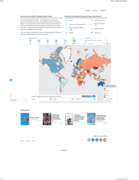
Noncommunicable Diseases Data Portal
recommended
Noncommunicable diseases (NCDs) – chief among them, cardiovascular diseases (heart disease and stroke), cancer, diabetes and chronic respiratory diseases – cause nearly three-quarters of deaths in the world. Their drivers are social, environmental
...
, commercial and genetic, and their presence is global. Every year 17 million people under the age of 70 die of NCDs, and 86% of them live in low- and middle-income countries.
Users can explore the data below by country, accessing detailed information on noncommunicable diseases and their key risk factors
more

Leishmaniasis is a vector-borne disease with a wide variety of parasite species, reservoirs, and vectors involved in transmission. It is caused by different species of the protozoa Leishmania and is transmitted to animals and humans through a bite of insects in the Psychodidae family. Its presence i
...
s directly linked to poverty, but social, environmental, and climatalogic factors directly influence the disease's epidemiology.
more
The article discusses the significant impact of chronic obstructive pulmonary disease (COPD) as a global health issue, with cigarette smoking as the main risk factor. However, in developing countries, the causes of COPD are often multifactorial, involving
...
environmental tobacco smoke, biomass fuel smoke, dust, fumes, childhood illnesses, and tuberculosis (TB). Up to half of COPD patients in these regions are non-smokers. The article emphasizes that while smoking is crucial, other risk factors contribute significantly to COPD, particularly in low- and middle-income countries. It highlights the need for targeted research and public health strategies to address these diverse contributors to COPD, especially in Africa.
more

In Latin America and the Caribbean (LAC), one maternal death was registered every hour in 2020. That same year, the trend in the maternal mortality ratio (MMR) for the Region of the Americas regressed alarmingly and unprecedentedly to the levels seen two decades ago. In addition to indicating a wors
...
ening of health outcomes, these figures also signal a deepening of inequalities, representing thousands of individual, unacceptable tragedies that in most cases could have been preventable. Maternal death is the result of a multifactorial process in which structural elements such as the economic system, environmental conditions, and culture interact. Other factors related to social inequality are also present, such as racism, poverty, gender inequality, and lack of access to the education system. The current situation calls for urgent mobilization of the health systems of LAC countries in order to strengthen efforts to combat maternal mortality, especially in countries that are still far from achieving the SHAA2030 regional target. For this reason, a preventive, health-promoting, life-course-based approach is needed, with models of care centered on women, families, and the community Scientific evidence shows that health systems with a solid foundation in primary health care (PHC) achieve better outcomes, greater equity, and reduced health expenditures. To address this, PAHO proposes a strategy, aimed primarily at women who are in the most vulnerable situation, who are the ones who represent the greatest burden of maternal mortality, to accelerate the reduction of maternal mortality in the Region of the Americas, based on the expansion and strengthening of PHC.
more

Noncommunicable diseases (NCDs) are chronic medical conditions that are not spread from person to person. Unlike infectious diseases, which are caused by bacteria, viruses, or other pathogens, NCDs are typically long-lasting and result from a combination of genetic, physiological,
...
environmental, and behavioral factors. NCDs are the leading cause of death worldwide and responsible for over 70% of global deaths each year. Over 80% of these deaths occur in low- and middle-income countries (WHO). Noncommunicable diseases pose a serious threat to global health because they are widespread, costly, largely preventable, and responsible for the majority of deaths worldwide. Reducing their impact requires coordinated efforts in prevention, early detection, and healthcare system strengthening, particularly in lower-income countries. The Toolbox on Noncommunicable Diseases (NCDs) can play a vital role in strengthening Global Healthcare systems by providing centralized, reliable, and up-to-date health information and resources like clinical guidlelines, education material as well as tools for prevention and health promotion.
more

Little is known about asthma control in the rising number of African children who suffer from this condition. The Achieving Control of Asthma in Children in Africa (ACACIA) study is an observational study collecting evidence about paediatric asthma in urban areas of Ghana, Malawi, Nigeria, South Afr
...
ica, Uganda and Zimbabwe. The primary objectives are: (1) to identify 3000 children aged between 12 years and 14 years with asthma symptoms; and (2) to assess their asthma control, current treatment, knowledge of and attitudes to asthma and barriers to achieving good control. Secondary objective is to develop interventions addressing identified barriers to good symptom control.
Each centre will undertake screening to identify 500 school children with asthma symptoms using questions from the Global Asthma Network’s questionnaire. Children identified to have asthma symptoms will fill in a digital survey, including: Asthma Control Test, questions on medication usage and adherence, medical care, the Brief-Illness Perception questionnaire and environmental factors. Exhaled nitric oxide testing and prebronchodilator and postbronchodilator spirometry will be performed. A subgroup of children will participate in focus group discussions. Results will be analysed using descriptive statistics and comparative analysis. Informed by these results, we will assess the feasibility of potential interventions, including the adaption of a UK-based theatre performance about asthma attitudes and digital solutions to improve asthma management.
more

The Guideline for Disinfection and Sterilization in Healthcare Facilities, 2008, presents evidence-
based recommendations on the preferred methods for cleaning, disinfection and sterilization of patient-
care medical devices and for cleaning and disinfecting the healthcare environment. This docume
...
nt
supercedes the relevant sections contained in the 1985 Centers for Disease Control (CDC) Guideline for
Handwashing and Environmental Control. 1 Because maximum effectiveness from disinfection and
sterilization results from first cleaning and removing organic and inorganic materials, this document also
reviews cleaning methods. The chemical disinfectants discussed for patient-care equipment include
alcohols, glutaraldehyde, formaldehyde, hydrogen peroxide, iodophors, ortho-phthalaldehyde, peracetic
acid, phenolics, quaternary ammonium compounds, and chlorine. The choice of disinfectant,
concentration, and exposure time is based on the risk for infection associated with use of the equipment
and other factors discussed in this guideline. The sterilization methods discussed include steam
sterilization, ethylene oxide (ETO), hydrogen peroxide gas plasma, and liquid peracetic acid. When
properly used, these cleaning, disinfection, and sterilization processes can reduce the risk for infection
associated with use of invasive and noninvasive medical and surgical devices. However, for these
processes to be effective, health-care workers should adhere strictly to the cleaning, disinfection, and
sterilization recommendations in this document and to instructions on product labels.
LAST UPDATE 2019
more

Fully functioning water, sanitation, hygiene (WASH) and health care waste management services are a critical aspect of infection prevention and control (IPC) practices, and ensuring patient safety and quality of care. Such services are also essential for creating an environment that supports the dig
...
nity and human rights of all care seekers, especially mothers, newborns, children and care providers.
WASH and waste services are also critical for preventing and effectively responding to disease outbreaks. The COVID-19 pandemic has exposed gaps in these basic services (Box 1). These gaps threaten the safety of patients and caregivers, and have environmental consequences, especially as a result of large increases in plastic health care waste. In short, WASH is a critical foundation for improving quality across the health system (1).
Many facilities lack plans and budgets for WASH, which has impacts on IPC. This lack of services, and of systems to improve them, compromises the ability to provide safe and quality care, and places health care providers and those seeking care at substantial risk of infection and loss of dignity. Unhygienic health care facilities without drinking water or functional toilets are also a disincentive to seeking care and undermine staff morale – these factors can have a critical impact on controlling infectious disease outbreaks.
Climate change and its impacts on WASH and health services, gender-specific needs, and equity in service provision and management all require rigorous attention, adaptable tools and regular monitoring.
more

Biodiversity and Health in the Face of Climate Change pp 47–66
This chapter reviews the emerging importance of pollen allergies in relation to ongoing climate change. Allergic diseases have been increasing in prevalence over the last decades, partly as the result of the impact of climate change.
...
Increased sensitisation rates and more severe symptoms have been the partial outcome of: increased pollen production of wind-pollinated plants resulting in long-term increased abundance of pollen in the air we breathe; earlier shifts of airborne pollen seasons making occurrence of allergic symptoms harder to predict and deal with efficiently; increased allergenicity of pollen causing more severe health effects in allergic individuals; introduction of new, invasive allergenic plant species causing new sensitisations; environment-environment interactions, such as plants and hosted microorganisms, i.e. fungi and bacteria, which comprise a complex and dynamic system, with additive, presently unforeseeable influences on human health; environment-human interactions, as the consequence of a combination of environmental factors, like air pollution, global warming, urbanisation and microclimatic variability, which create a multi-resolution spatiotemporal system that requires new processing technologies and huge data inflow in order to be thoroughly investigated. We suggest that novel, real-time, personalised pollen information services, like mobile-app risk alerts, must be developed to provide the optimum first line of allergy management.
more

The goal of asthma treatment is to obtain clinical control and reduce future risks to the patient. To reach this goal in children with asthma, ongoing monitoring is essential. While all components of asthma, such as symptoms, lung function, bronchial hyperresponsiveness and inflammation, may exist i
...
n various combinations in different individuals, to date there is limited evidence on how to integrate these for optimal monitoring of children with asthma. The aims of this ERS Task Force were to describe the current practise and give an overview of the best available evidence on how to monitor children with asthma.
22 clinical and research experts reviewed the literature. A modified Delphi method and four Task Force meetings were used to reach a consensus.
This statement summarises the literature on monitoring children with asthma. Available tools for monitoring children with asthma, such as clinical tools, lung function, bronchial responsiveness and inflammatory markers, are described as are the ways in which they may be used in children with asthma. Management-related issues, comorbidities and environmental factors are summarised.
Despite considerable interest in monitoring asthma in children, for many aspects of monitoring asthma in children there is a substantial lack of evidence.
more

Non-Communicable Diseases (NCDs) have emerged as conditions of great public health concern in Kenya accounting for 39% of deaths annually. The Ministry of Health through the Department of Non-Communicable Diseases has adopted the vision of achieving a nation free from preventable burden of NCDs. Fur
...
ther, the mission of this strategy is to halt and reverse the rising burden of NCDs through effective multisectoral collaboration and partnerships by ensuring Kenyans receive the highest attainable standard of NCD continuum of care that is accessible, affordable, quality, equitable and sustainable thus alleviating suffering, disease and death for their well-being and socio-economic development.
The scope of NCDs covered by this strategy include; cardiovascular diseases, cancer, diabetes, chronic respiratory diseases, mental health conditions, violence and injuries, hemoglobinopathies, haemophilia and other bleeding disorders, auto immune diseases, chronic renal diseases, epilepsy and other neurological disorders, chronic skin conditions and oral diseases and conditions. It equally addresses seven risk factors; tobacco use, harmful use of alcohol, unhealthy diets and toxins, physical inactivity, indoor air pollution, environmental pollutants and toxins and stress.
more

Severe and difficult asthma in a low- and middle-income country (LMIC) can relate to lack of availability of basic medications; potentially reversible factors such as poor adherence or comorbidities such as obesity inhibiting a good response to trea
...
tment; and (rarely) true severe, therapy-resistant asthma. However, definitions of severity should encompass not merely doses of prescribed medication, but also underlying risk. The nature of asthmatic airway disease shows geographical variation, and LMIC asthma should not be assumed to be phenotypically the same as that in high-income countries (HICs). The first assessment step is to ensure another diagnosis is not being missed. Largely, political action is needed if children with asthma are to get access to basic medications. If a child is apparently not responding to low dose, simple medications, the next step is not to increase the dose but perform a detailed assessment of what factors (for example co-morbidities such as obesity, or social factors like poor adherence) are inhibiting a treatment response; in most cases, an underlying reason can be found. An assessment of risk of future severe asthma attacks, side-effects of medication and impaired lung development is also important. True severe, therapy-resistant asthma is rare and there are multiple underlying molecular pathologies. In HICs, steroid-resistant eosinophilia would be treated with omalizumab or mepolizumab, but the cost of these is prohibitive in LMICs, the biomarkers of successful therapy are likely only relevant to HICs. In LMICs, a raised blood eosinophil count may be due to parasites, so treating asthma based on the blood eosinophil count may not be appropriate in these settings.
more

Lancet Planet Health 2020; 4: e271–79
Public Health and the Environment | Geneva 2009
To better adapt current case management practices and address excess mortality in otherwise treatable
cases will require better knowledge of the demographic characteristics of the patients and comorbidities
which can make severe dehydration harder to tolerate physiologically. With this in mind, a
...
scoping review
was undertaken, to explore the literature and summarise the existing evidence on cholera mortality and
reported risk factors.
more
Contextual factors around the sexual abuse of people with disabilities in East Africa
Mary-Ann Waddell & Rob Aley
Advantage Africa, FIRAH, Resource Center Applied Research and Disability
(2015)
C2
Knowledge based upon a descriptive literature review of applied research
