
Filter
1709
Text search:
COVID-19
emergency
response
Featured
205
24
Language
Document type
614
435
188
150
127
91
35
33
20
10
3
2
1
Countries
155
59
52
51
50
35
35
35
34
31
29
29
27
25
24
23
23
22
19
18
16
16
16
15
14
14
12
12
11
11
11
11
10
9
9
9
9
9
9
8
8
8
7
7
7
7
6
6
6
6
6
5
5
5
5
5
5
5
5
4
4
4
4
4
4
4
3
3
3
3
3
3
3
3
3
3
3
3
3
3
2
2
2
2
2
2
2
2
2
2
2
2
2
2
2
2
2
2
1
1
1
1
1
1
1
1
1
1
1
1
1
1
1
1
1
1
1
1
1
Authors & Publishers
Publication Years
Category
668
108
78
52
48
17
17
1
Toolboxes
876
103
97
69
63
51
46
43
39
31
30
27
25
20
16
13
11
11
10
6
5
3
3
1
1

The COVID-19 pandemic has resulted in a double shock - health and economic. As of March 1, 2021, COVID-
...

COVID-19 infection prevention and control : preparedness checklist for long-term care facilities
recommended
COVID-19 outbreaks in long-term care (LTC) facilities can have devastating effects on the health and well-being of residents, as they are vulnerable to serious infection due to their age and p
...
Временные рекомендации27 мая 2021 г.
17th March 2020
Scientific brief
8 April 2020

This regional technical guidance note was developed for the UNFPA Asia-Pacific Regional Office (APRO) and Asia-Pacific Country Offices to provide guidance on older persons, health workers, and caregivers in the contexts of COVID-
...
Reporting Period: 4 to 10 April 2020
• In collaboration with the Ministry of Youth, UNICEF started training 50 young bloggers on how to identify and respond to fake news.
• UNICEF engaged with 97 social services to enable front-line social workers to carry out community prevention work and
...
This document is a guide for national authorities who are responsible for managing public health responses to COVID-19
Tips for Engaging Communities during COVID-19 in Low-Resource Settings, Remotely and In-Person
recommended
This brief provides key considerations for engaging communities on COVID-19 and tips for how to engage where there are movement restrictions and physical distancing measures in place, particularly i
...

The following checklist can help hospitals assess and improve their preparedness for responding to a community-wide outbreak of COVID-19. Each hospital will need to adapt this checklist to meet its
...
Countries have shut down the economy to slow the spread of the coronavirus. Supermarket shelves remain stocked for now. But a protracted pandemic crisi s could quickly put a strai n on the f ood supply chains, a complex web of interactions involving farmers, agricultu
...
This brief considers the rationale for shielding individuals at high risk of severe disease or death from COVID-19 in low- and middleincome countries. It provides an overview of proposed approaches
...
Several countries have demonstrated that COVID-19 transmission from one person to another can be slowed or stopped. This document has been prepared based on the evidence currently available about C
...
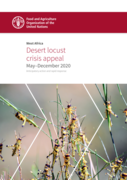
Recent forecasts by the Food and Agriculture Organization of the United Nations (FAO) have indicated a risk of locust invasion in West Africa from June 2020. From East Africa, some swarms could reach the eastern part of the Sahel and continue westwards from Chad to Mauritania.
Surveillance and co
...
It is too early to know the full impact of COVID-19 on Africa. To date the experience has been varied. There are causes for concern, but also reasons for hope. Early estimates were pessimistic regar
...
A list of some of the many free documents and websites that can add to the information in the papers published in this issue of SSMJ. Many are regularly updated. Let us know of other resources relevant to those working in and with South Sudan.
Guidelines for Critical Care of Seriously Ill Adult Patients with Coronavirus (COVID-19) in the Americas
recommended
Short Version
This clinical practice guideline was developed in order to provide recommendations for the management of critically ill adult patients with COVID-19 in intensive care units (ICUs).
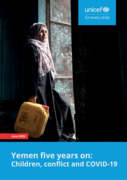
Millions of children in Yemen could be pushed to ‘the brink of starvation’ due to huge shortfalls in humanitarian aid funding amid the COVID-19 pandemic – according to a new UNICEF report mark
...
